
Feeding recommendations for an older dog
An older dog needs special care. This primarily concerns its diet. It should be different from what you fed it as a puppy, an adolescent, or a young, active dog. How and what is the right way to feed an older dog? Why is it so important to follow the proper feeding guidelines for senior dogs? Let's find out.
Content
- 1 At what age can a dog be considered senior?
- 2 Physiology of Aging Dogs
- 2.1 Obesity and its prevention in older dogs
- 2.2 Constipation and its prevention in older dogs
- 2.3 Weight loss and appetite in an aging dog
- 2.4 Prevention of weight loss and appetite
- 2.5 Gum and Teeth Problems in Aging Dogs
- 2.6 What to feed a dog with bad teeth
- 2.7 Joint problems in aging dogs
- 2.8 Prevention of joint problems
- 3 What kind of food should you feed an older dog?
- 4 Feeding Guidelines (Serving Sizes) for an Aging Dog
- 5 Feeding frequency for an aging dog
At what age can a dog be considered senior?
Before describing what to feed an older dog, let's understand what constitutes an elderly animal. Experts define advanced age for dogs as the age when the dog has lived at least two-thirds of its expected lifespan. Why can't we give specific figures? Even though it would be much easier, it's wrong. The fact is, dogs have different lifespans depending on their breed.
Let's take the following data as an example:
| Dog breed | Average life expectancy |
| On average, dogs live | 10-12 years |
| Representatives of the English Mastiff breed are considered elderly. | at 6-8 years old |
| And representatives of the Poodle breed live longer on average. | at 10-11 years old |
So, everything here is relative, and determining a dog's "old age" must be approached on an individual basis. Typically, four-legged dogs retire after 6-7 years.
The dog's living conditions, its diet, the presence of chronic diseases and genetic disorders should not be discounted...
Physiology of Aging Dogs
An older dog's diet should be unique and different from what they previously ate, not least because with age, irreversible physiological processes occur in their body, which are reflected in their overall well-being. Therefore, owners of aging dogs often face the following challenges.
Obesity and its prevention in older dogs
An aging pet's metabolism operates at a different rate. Combined with low physical activity and an unbalanced diet, this can lead to obesity. Not only will your pet become fat and clumsy, but it also puts significant strain on their internal organs and systems. Therefore, it's crucial to carefully consider what you feed your senior dog.
To prevent obesity in your pet, review their diet. Avoid high-calorie foods that are high in fat. Adjust feeding portions accordingly. Choose foods designed for senior dogs or those with a sedentary lifestyle, such as Royal Canin Hypoallergenic HME 23 Moderate Calorie Dry Diet Food for Aging, Neutered/Spayed, and/or Overweight Dogs. Don't forget about regular exercise—it's very beneficial for your pet.
Constipation and its prevention in older dogs
Feeding aging dogs should also be special because they often suffer from constipation in old age, which negatively impacts the pet's overall well-being and negatively affects the functioning of the animal's gastrointestinal tract as a whole.
Owners of aging dogs should monitor their bowel movements. If your pet is prone to chronic constipation, consider feeding them more fiber—the fiber content of prepared foods should be high. This is the case with Royal Canin Canine Gastro Intestinal GI25, a dry dietetic food with poultry for adult dogs of all breeds with digestive issues. Fermented milk products can also help stimulate digestion.
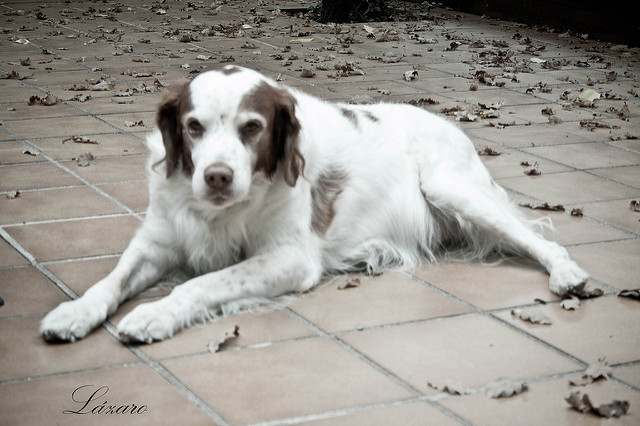
Weight loss and appetite in an aging dog
If there's a category of animals that are prone to obesity in old age, then there are also those that, on the contrary, lose weight and appetite. This is true. As a dog ages, it shows less interest in food and consequently struggles to gain weight or begins to lose weight rapidly. This condition in a pet should never be ignored.
Weight loss and loss of appetite are often associated with illnesses developing in the animal's body. These can include tumors, kidney problems, and liver problems.
Prevention of weight loss and appetite
Since an older dog's sense of smell and taste is impaired, choose foods with a truly strong scent and rich flavor—for example, Bewi Dog Balance Meat with Rice, a dry food with poultry and rice for adult dogs with low activity levels, as well as for senior dogs. This will stimulate the dog's increased interest in the food.
Gum and Teeth Problems in Aging Dogs
How should you feed an older dog with diseased gums and teeth? Lack of proper dental and oral care in infancy and a young dog, coupled with an improper diet, can lead to tartar-covered teeth, decayed cavities, and inflamed, bleeding gums in old age. Naturally, the animal can't chew food thoroughly and swallows large chunks, which can affect the pet's gastrointestinal tract and negatively impact the dog's overall well-being.
What to feed a dog with bad teeth
Since prevention is out of the question in this situation, as the situation is already out of control and there are obvious problems, it's more appropriate to discuss what to feed your dog now to avoid aggravating an already painful condition. To do this, choose food with smaller kibble sizes. If you can't find one, you'll have to grind them yourself. To make dry food softer and more digestible, you can soak it in broth or fermented milk products beforehand.
Joint problems in aging dogs
An elderly dog's diet should take into account the fact that with age, degenerative changes begin to occur in the animal's bones and joints, which are impossible to compensate for. The dog finds it more difficult to move, may limp, drag its paws, and suffer from joint pain. Unfortunately, almost all dog owners who live to old age face these problems.
Prevention of joint problems
To prevent degenerative changes from progressing, you can feed your dog a special food (for example, Eukanuba VD Dog Joint Mobility medicinal dry food Dog food (for the prevention and treatment of musculoskeletal disorders) is formulated with components that support healthy bones and joints. These foods typically contain chondroitin or glucosamine.
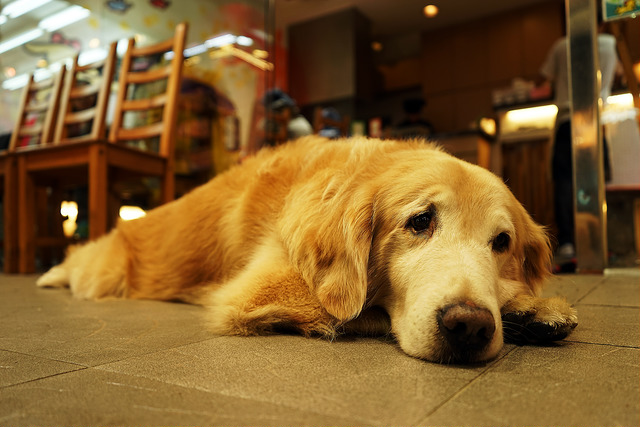
What kind of food should you feed an older dog?
What's the best food for an older dog? When choosing food, it's important to consider your pet's existing health issues and age-related changes. For example, if your dog suffers from joint problems, choose a food that addresses these needs. However, in any case, food for an older dog should be low-calorie and as low-fat as possible. Otherwise, your pet is at risk of obesity. The food should be rich in minerals, especially phosphorus and calcium, to prevent bone softening, as well as plenty of vitamins.
If you value your pet's health and want them to live to a ripe old age, avoid feeding them cheap pet foods like Darling. Only the highest-quality canned and dry foods. Otherwise, your attempts to skimp on your pet's diet will put additional strain on their liver and kidneys. Your dog could suffer from kidney or liver failure, require expensive treatment, or even die in your arms.
Feeding Guidelines (Serving Sizes) for an Aging Dog
How to properly feed a senior dog? Senior dog nutrition requires smaller portion sizes than younger or middle-aged pets. If you buy commercial food for senior dogs, the manufacturer has certainly taken this into account, so the packaging will indicate the recommended daily portion and feeding frequency based on the dog's age.
If you can't find a special food for senior pets, you'll have to figure out how much to reduce the portion size yourself. This isn't very convenient, so it's much easier for you and safer for your dog if you feed them a specialized food.
Feeding frequency for an aging dog
If your pet was fed 2-3 times a day when young, an older dog needs to be fed more frequently, but in smaller portions. Simply divide the daily food intake into 4-5 meals, and feed that amount at a time. This smaller feeding schedule will promote easier digestion and better absorption, and will also help prevent poor appetite and weight loss.
Now that you know how, how much, and what to feed an older dog, we hope that your care for your pet will be correct.
Any questions? You can ask our website's staff veterinarian in the comments below, who will answer them as quickly as possible.
Read also:
- Periodontal disease in dogs: symptoms and treatment
- Vitamins for dogs for joints
- What bones can and cannot be given to dogs?


13 comments
Elena
And our Airedale Terrier too. He's 18.
Elena
Our dog (Airedale Terrier) is 18 years old. When he was little, he had stomach problems. We tried both natural food and dry food (very expensive and not so much), and his body chose Darling!!!!!!!! And for 15 of his 18 years, he loves it! And he doesn't want any other food (and we changed it). He loves all vegetables and fruits. This mixed diet allows him to still run and have good bowel movements. It's a shame that his vision and hearing have deteriorated.
Olga
My elderly dog has chronic pancreatitis. We've been on Royal Canin Low Fet therapeutic food for three months. I'd like to switch to a different food because she's hungry. Is it possible to feed her turkey breast with rice? She's been on a natural diet her whole life.
Daria is a veterinarian
Hello! Perhaps you're not feeding enough food? How is the pancreas currently? Have you had it examined? Be careful with rice, as it causes a sharp spike in blood glucose. The pancreas is inflamed, meaning it's not secreting enough insulin. Therefore, you need to be extremely careful when choosing a diet, and your veterinarian should assess your pet's condition and make a final decision on whether to continue the diet or return it to its normal diet (but the transition should be gradual to avoid relapse). Are you giving Pancreatin or Creon?
Igor
I forgot to add that the dog started drinking a lot, 3-4 liters a day.
Daria is a veterinarian
Excuse me, but what did you forget to add? There's no comment or question anywhere in the administrator's account. Please repeat your question. Based on the "he drinks a lot" symptom, I'd recommend a fasting blood sugar test (you can check it yourself at home with a glucometer) to rule out diabetes.
Marina
Hello! My Pekingese is 15 years old. Three months ago, we gave him pills that upset his stomach. He started eating poorly. We always fed him buckwheat/rice with liver, or chicken, vegetables, etc. He never ate food. Now, for three days, he's only eaten dry baby biscuits (1-2 a day). Please recommend food or something else. Thank you!
Dasha is a veterinarian
Hello! What exactly did you feed your pet and what was it being treated for? Has it been a while since they were dewormed? Before choosing a diet, you need to learn as much as possible about your pet: any illnesses, how was it treated, any existing chronic illnesses, any allergies, how active is their lifestyle? What vegetables did they feed? Are vitamin supplements included in the diet? How is their current condition? Has they gotten sick by any chance? If you remember any other specifics, or have anything to share about their life and health, please let me know.
Tatiana
Hello, could you please recommend a brand of food for an aging dog (an overgrown toy terrier) with liver problems (enlarged) and urinary tract problems, including kidney problems? We're currently taking medication and eating Monge therapeutic food for urinary tract problems, as recommended by the veterinarian, but it's very greasy; my hand gets greasy when I put it in the bowl. I think it might be good for the kidneys, but it's definitely not good for the liver. The dog doesn't eat this food well; I have to soak it, and she still turns away. The vet said she needs to eat it for a month, and I don't want to torture her, especially since treating one thing hurts the other. I tried to choose the food myself based on descriptions and reviews, but I realized I can't do it without a specialist who isn't interested in selling a specific brand of food. Please help me choose. I need everyday food for an aging dog with kidney and liver problems. Not fatty and with a small protein content, I think, but I might be wrong.
Dasha is a veterinarian
Hello! Unfortunately, yes. Treating one thing can damage another. You need to decide which organ needs therapeutic nutrition most. Also, before choosing (and recommending) food from the Real line, you need to know the urine pH. Some people need Renal, while others are fine with Urinary. I don't think the food is so high in fat that it would damage the liver. Have you had a biochemistry test? It will immediately show the liver's current condition. Get it checked. If you see liver enzymes that are higher than normal, then you need to change the diet. If everything is normal (ideally, if you can monitor the progress), then you'll need to complete the treatment course (especially since the food is good).
Tatiana
Thanks for the reply! My urine pH is 8, and my liver enzymes are even low, but the ultrasound shows an enlarged liver. I wasn't asking about a therapeutic food, but what do you recommend feeding my dog after treatment? I'm completely confused; some say one thing, others another. In the opinion of a specialist, which food (non-therapeutic) would be best for an older dog with urinary and gastrointestinal issues?
Alexander Vladimirovich
As is well known, mastiffs, which include Bordeaux, typically live for 8-9 years; 10-11 years are considered "Caucasian old-timers." Ours is now approaching 11, but he acts like a 4-5 year old (he's already the third in line in the family).
Leaving aside many other reasons, I can confirm that the key to the happy longevity of large dogs is proper gastrointestinal function, as problems with it inevitably lead to constipation, and constipation definitely leads to cancer.
What is necessary for the perfect functioning of the gastrointestinal tract in aging giants?!
— once a week, “fasting day” (for us, it’s Sunday): low-fat cottage cheese (a 200-250g pack) + half a liter of 1-2% kefir in the morning and the same portion in the evening;
— once every 2-3 days for an afternoon snack (on an empty stomach): 2 green apples (or 2 cucumbers), peeled, so as not to pump the dog with pesticides;
— for the first (morning) feeding, give only the “soak”: get up, pour warm boiled water over the dry food, go for a walk, come back, give the dog 20-25 minutes to catch his breath and calm down (meanwhile, the soaked dry food, 1-1.5 hours old, has turned almost into mush), and that’s it — serve the bowl on the bracket... here we kill two birds with one stone: due to a lack of teeth, an elderly dog does not chew, but swallows the dry food, and hence indigestion-constipation-oncology;
— starting from 6-7 years, we switch from 2 meals a day to 3 meals a day, leaving the same 500-600 grams of food per day, i.e. we reduce the portions, from 250-300 grams of dry food per 1 feeding, to 150-200 grams, but 3 (!) times a day: we have 7 am / 1 pm / 7 pm, i.e. an even interval (6-7 hours) between feedings.
Here are 4 golden rules for feeding aging giants, and even at 11 years of age, your dog will be energetic, cheerful, reacting quickly to young individuals of the opposite sex, tirelessly bringing you a ball with a sparkle in his eyes, and running without hesitation, rushing after you into the water (frequent swimming in bodies of water in the summer is a separate topic for the musculoskeletal system).
All of the above is based on personal experience of keeping Bordeaux.
Good luck to everyone and long life to your pets!
:))
Larisa
Hello, I'd like to rebut the information regarding Darling food. It says here that you shouldn't feed it cheap food, specifically Darling. My dog is seventeen years old, a pit bull... no one believes a fighting breed can live to that age! But he's been eating this food his whole life and is still lively and energetic! Believe it or not, it's thanks to this food! It may be purely individual, but this food contains all the necessary nutrients for optimal functioning!
Add a comment