
Urinary cat food
One of the key aspects of treating urolithiasis in cats is following a specific diet. For this reason, in addition to medication, veterinarians recommend using a therapeutic cat food labeled "Urinary."
This food can be used both for preventative purposes and to prevent relapses in animals with chronic urolithiasis. Although many cat foods often claim on their labels that they "maintain a healthy urogenital system" or "control pH levels," these claims have no therapeutic effect but can be used for preventative purposes. Only the special Urinary food from the veterinary line of diets for cats has a therapeutic effect and can help your pet overcome the condition.
Content
Manufacturers
To produce veterinary diets, a company specializing in prepared pet food must not only have production facilities but also a staff of veterinary specialists, a research and development base, and clinical trial centers. All of this requires additional resources, so not every company can afford a range of therapeutic diets.
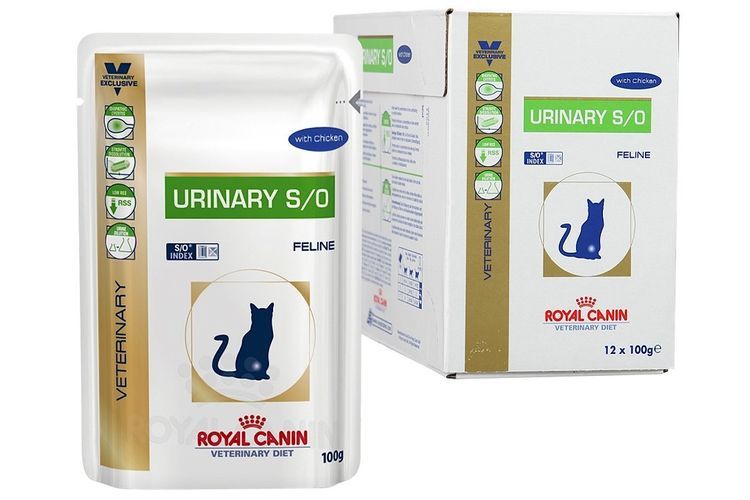
The domestic pet market offers several brands with a separate category of veterinary diets:
- Royal Canin (France, Russia);
- Hill's Prescription Diet (USA, Netherlands);
- Happy Cat (Germany);
- Farmina (Italy);
- Monge (Italy);
- Eukanuba (Russia, USA);
- Purina Pro Plan (Russia, USA).
Diets against urolithiasis These brands are therapeutic and are often prescribed for feeding only during a specific period (the acute stage of the disease). For daily feeding of at-risk pets, or simply for preventative purposes, you can use a special Urinary cat food, such as brands like 1st Choice, Primordial or Sanabelle.
Distinctive features
All of the above brands offer high-quality, fully balanced diets that, although they may differ in composition or kibble form, are undoubtedly effective in managing the condition. To choose the right urinary food for your cat, it's important to know the type of kidney stone detected in the cat's urine. The two most common types of uroliths are struvites and oxalates.
This is important information because some companies (such as Monge and Eukanuba) produce different formulas (Urinary Oxalate and Urinary Struvite) designed to dissolve oxalate or struvite stones, respectively, in cats.
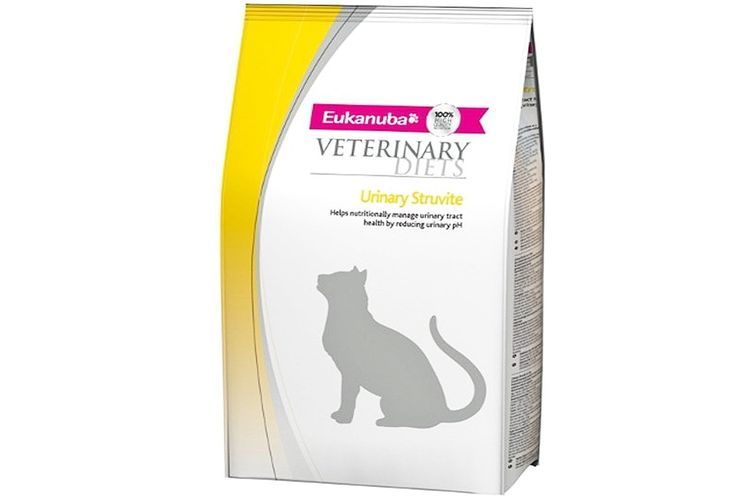
Key features common to all Urinary recipes, which are the main functional difference between these veterinary diets and regular nutrition:
- Low in calcium, phosphorus, and magnesium. Slows the formation of calcium oxalate crystals, promotes the dissolution of struvite stones, and prevents their recurrence.
- Reduced protein and calorie content. Reduces the load on the kidneys and prevents excess weight gain (obesity significantly increases the risk of developing urinary syndrome).
- Slightly increased sodium levels encourage increased water intake, resulting in increased urine volume and a less concentrated urine, preventing the formation of new crystals.
- Supplements for adjusting acidity and maintaining the required urine pH. Maintains an environment in the urinary tract that is unfavorable for urolith crystallization, allowing them to dissolve successfully.
- Specialized immune-boosting complexes, plus supplements to support urinary health, increase the body's overall resistance, help manage inflammation more quickly and easily, and speed recovery.
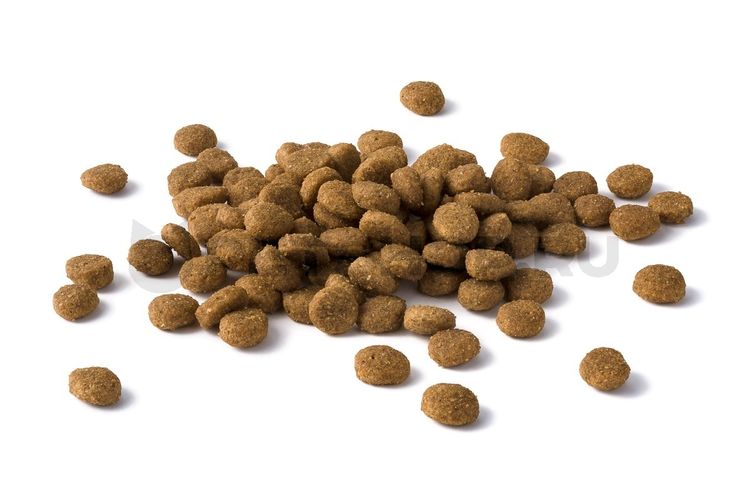
All of the above points can be considered a form factor for Urinary food. Furthermore, in an effort to improve the recipe or give it some additional effect, each company conducts its own developments and incorporates them into diet formulas. For example, Hill's Metabolic+Urinary for cats is a dual-action food that combats two problems at once: excess weight and urological syndrome.
Important! Medicated food should only be given to your pet after consultation with a veterinarian.
The key to successful treatment of urolithiasis is not only a properly selected diet, but also water. Monitoring your pet's water intake is as important as monitoring their diet.
The most popular brand
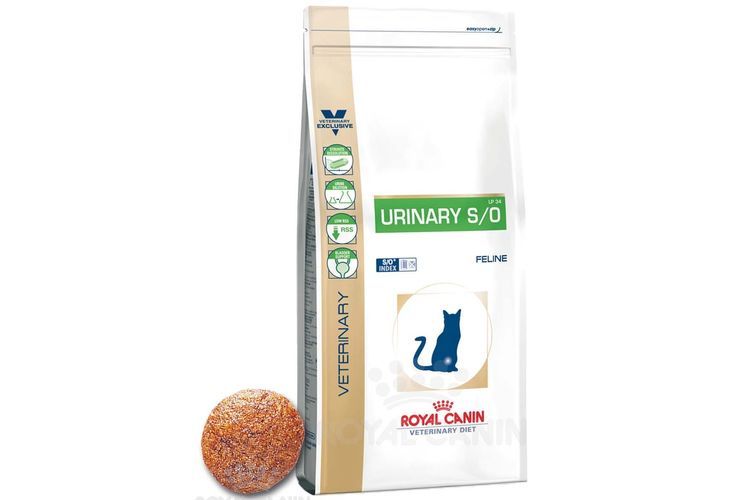
Royal Canin's Urinary cat food is the most well-known therapeutic diet among veterinarians and pet owners. Royal Canin's therapeutic diets include three dry food formulas for cats with urolithiasis:
- Urinary S/O LP34 is a classic diet designed to combat struvite stones and prevent calcium oxalate formation. It is based on rice and poultry.
- Urinary S/O High Dilution UMC34 – food for rapid dissolution of struvite stones (17 days), contains dehydrated poultry meat, rice, wheat gluten.
- Urinary S/O Olfactory Attraction UOA 32 is a fish and rice-based formula with a particularly appealing scent and a moderate calorie content. It's designed for particularly picky eaters and also helps maintain healthy body weight.
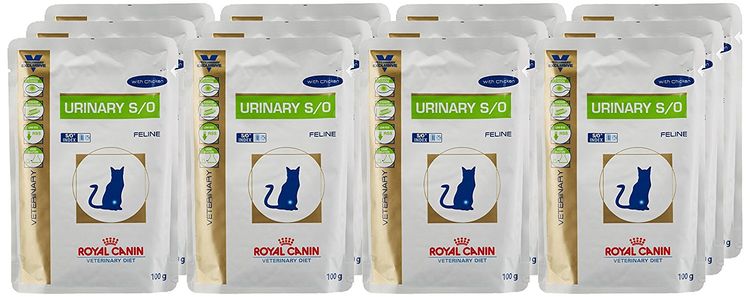
And two types of wet menus:
- Pieces in gravy made from poultry, liver, and pork, containing various additives, vitamins, and minerals. Available exclusively in 100g pouches.
- A pâté made from pork, chicken liver, cornmeal, and poultry with added nutrients. Packaged in 195g jars.
Royal Canin Urinary dry and wet cat food can be combined without any risk of harming your pet. If your pet is accustomed to only one type of food, there's no need to immediately switch to a different type, which would create additional stress for the body.
Price
Currently, the average price for Urinary cat food on various online platforms varies between the following ranges:
- Monge VetSolution:
- wet in lamister – from 60 to 83 r.;
- dry 0.4 kg – from 310 to 399 rubles, 1.5 kg – from 960 to 1195 rubles;
- Royal Canin:
- wet in a pouch - from 68 to 81 rubles, in a jar - from 104 to 128 rubles;
- dry 0.4 kg – from 341 to 480 rubles, 1.5 kg – from 1030 to 1170 rubles;
- Purina Pro Plan:
- wet in a pouch - from 66 to 79 rubles, in a jar - from 129 to 140 rubles;
- dry 0.35 kg – from 302 to 348 rubles, 1.5 kg – from 1050 to 1190 rubles;
- Happy Cat:
- 4 kg – from 906 to 1030 rubles,
- 4 kg - from 2020 to 2190 rubles;
- Hill`ss/d, c/d:
- wet in a pouch - from 73 to 89 rubles, in a jar - from 112 to 131 rubles;
- dry 0.4 kg – from 298 to 4070 rubles, 1.5 kg – from 1110 to 1340 rubles;
- Farmina:
- 4 kg – from 380 to 520 rubles,
- 2 kg – from 1464 to 1608 rubles;
- 5 kg – from 2758 to 3590 rubles;
- Eukanuba:
- 5 kg – from 1390 to 1470 rubles, the company most likely no longer produces canned goods.
Indications for use
Special food "Urinary" is recommended as a basic diet for cats in the following conditions:
- in urolithiasis of the struvite or oxalate type (crystalluria and urolithiasis);
- for idiopathic cystitis (painful bladder syndrome, interstitial cystitis);
- for the prevention of recurrence of urolithiasis and diseases of the lower urinary tract.
Caution! Do not feed Urinary to animals under 6 months of age, or to pregnant or lactating cats.
Compound
The list of ingredients in Royal Canin Urinary S/O LP34 food, which is generally prescribed to cats for the treatment of urolithiasis, includes the following:
- Cereals and their derivatives – rice, wheat and corn gluten, corn flour, wheat;
- Fats – animal origin, fish oil, soybean oil;
- Proteins (animal origin) - dehydrated poultry meat, hydrolyzed animal proteins;
- Vegetable fiber and beet pulp;
- Fructooligosaccharides (FOS) are a type of prebiotic that support intestinal microflora and promote healthy digestion;
- Hydrolyzed crustacean shell is a supplement containing a beneficial substance for joints – glucosamine;
- Mineral supplements, vitamins, antioxidants.
This food also contains marigold extract, a source of bioflavonoids and lutein. Bioflavonoids actively combat free radicals, and lutein is beneficial for vision.
Duration of diet therapy
The duration of treatment with a special diet is determined by the veterinarian individually, based on the patient's condition. Typically, the course of treatment ranges from 5 to 12 weeks, with constant monitoring of urine parameters (pH level, composition).
Advice: During treatment, your pet's diet should be strictly limited to a special diet.
After successfully overcoming the acute phase of the disease, at the doctor's discretion, dietary therapy may be extended for up to six months. During this period, a relapse-preventive diet may also be prescribed, such as:
- first course - Urinary S/O High Dilution UMC34, after - Urinary S/O LP34;
- first Hill's s/d, then Hill's c/d Multicare Feline;
- First, Farmina Vet Life Struvite is used, then Farmina Vet Life Struvite Management.
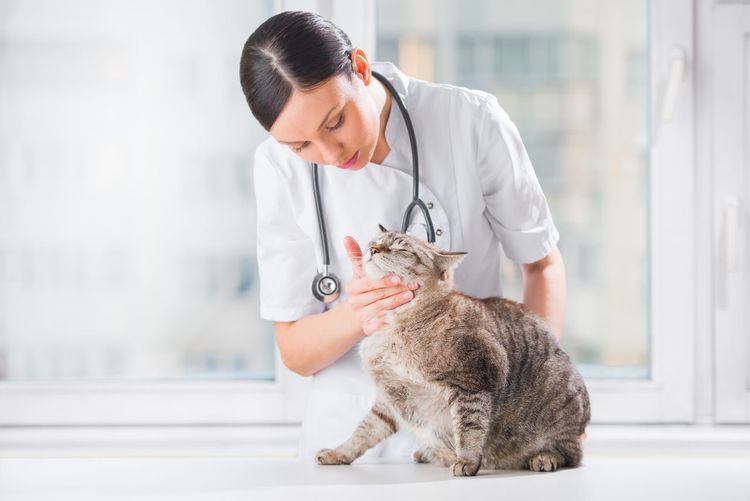
When using any food, be sure to familiarize yourself with its contraindications and consult a veterinarian. Your pet should also undergo a monthly urinalysis to monitor the progress of the diet.
Owner reviews
Julia, owner of the cat Vegas:
"My Persian cat had an attack of urolithiasis. He was prescribed Hill's s/d" , and it was clear Vegas liked it. A month passed on this diet, but I didn't notice any improvement—there was blood in his urine, and he was going to the bathroom frequently and in small amounts. He also started pooping frequently and in large amounts. It was clear he had fallen out of love with Hill's and didn't want to eat it. I saw Royal Canin Urinary for cats at the store, read the reviews, and went to the vet. Now Vegas is eating this food, and his bowel movements have returned to normal—regularly, once a day. But his urination is abnormal: one day he'll go a lot and calmly, the next he'll sit in the litter box for a long time, straining, meowing, but all to no avail. I'll have to take him to the clinic again, and I'll have to change his food again."
Sergey, Yekaterinburg:
"When our cat Max developed a kidney stone, I was horrified. After all, he'd never been sick in eight years. With the help of our wonderful doctor, injections, and IVs, we pulled him through. He's now on the Monge diet. I feed him dry food, but he likes Royal canned food. I don't give him anything else, and so far, Max is looking great. The doctor also told us that eventually we can switch him to regular food, but periodically (as a preventative measure) we should return to the urinary food for a month or two."
Veterinarian Reviews
Korban Alexey Genadievich, veterinary doctor, 9 years of experience:
"My patients' owners often ask about therapeutic diets, and most often this concerns urinary food series. I usually recommend Royal Canin diets—they've proven effective in the prevention and treatment of urolithiasis. Another undeniable advantage is their wide availability—go to any decent pet store and you'll see this brand's food on the shelves. In terms of price/effectiveness, they're also among the best—I'd put them on par with Hills and Proplan urinary series."
Belyaeva Inna, veterinarian at a private clinic:
"Regarding urinary diets, my opinion is clear: they are useful and effective preventative measures, as well as supportive therapy for all manifestations of urolithiasis. In addition to dry menus from giants like Hill's and Royal, I usually recommend breeders consider wet therapeutic diets. Cats generally drink little, and during an exacerbation of the disease, this is critical – it is necessary to dilute the urine as much as possible and increase fluid flow. A wet urinary diet helps with this – it acidifies the urine and provides the body with an additional portion of water."
Read also:
- Urolithiasis in cats
- Struvites in a cat's urine: how to treat them
- Triple phosphates in urine in cats


Add a comment