
Matisse cat food
Matisse cat food is presented by the Italian company "Farmina", positioning itself as a premium product. The brand has been present in its specialized market for over 50 years, actively developing a philosophy of natural nutrition and collaborating with veterinary nutrition departments at universities in Italy and other European countries.
The naturalness of the products is ensured by the tocopherols included in their composition. Complying with all EU standards and requirements regarding the use of GMOs, the companyFarmina" guarantees that its feeds are free of ingredients potentially containing GMOs. Farmina feeds are currently produced in three countries: Italy, Serbia, and Brazil.
Technology
The production of the Matiesse line of food combines several unique technologies that allow us to create the highest quality products for cats.
- Twin-screw extruder. Used for better mixing of ingredients, which increases the digestibility of the finished product.
- Vacuum mixing. This technology allows fats to be incorporated into the formula after the extrusion process in a complete vacuum. Vitamins are added at a lower temperature, minimizing their thermal processing and, therefore, maintaining their effectiveness.
- The packaging technology involves replacing oxygen with nitrogen, which improves product preservation and increases its shelf life.
Compound
The following ingredients are the basis of raw materials for the production of Matisse feed:
- Proteins. Chicken, lamb, and wild boar are used as protein sources. Chicken comes from Italian farms already processed, without any recycled materials. Lamb is imported from New Zealand and contains a high percentage of linoleic acid and polyunsaturated fatty acids. Wild boar meat is imported directly from Umbria and Tuscany and has high biological value. The fish used are cod and herring. They are caught in the open sea, which guarantees low chloride content. Eggs are transported fresh and processed using dehydration technology at the company's facilities.
- Fats. The main animal fats are chicken and fish oil (imported from Scandinavia). Cattle and pig fat are not used in feed production. Vegetable fats include flaxseed oil, which contains a large amount of linoleic acid.
- Carbohydrates. Energy sources include oats, rice, potatoes, and spelt (non-GMO). Corn is not included in the feed. Rice and potatoes are used primarily in developing dietary rations.
- Fiber. Sources of fiber include beet pulp (normalizes bowel function), pure cellulose (improves intestinal peristalsis), and dehydrated alfalfa (rich in carotene and calcium).
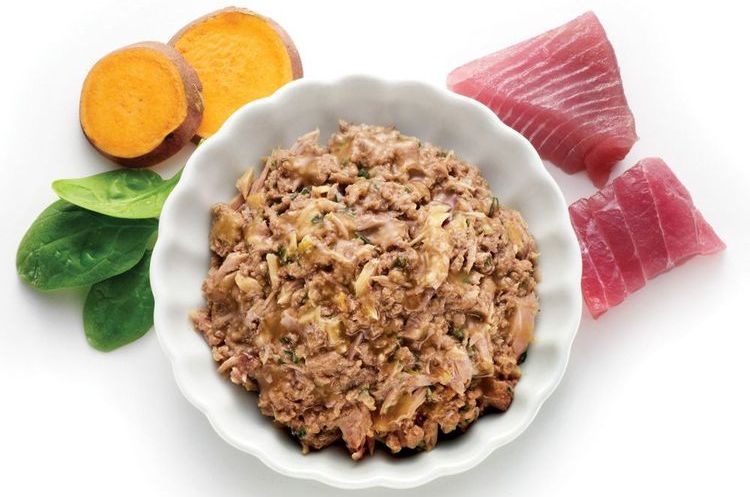
The formula also contains specific prebiotics to combat (or prevent) pathogenic bacteria and detoxify the body. To maintain an optimal amino acid balance, methionine, taurine, and lysine are added to the formula.
Vitamins include B, A, E, and D3. Plant extracts of green tea and grape seed act as antioxidants, blocking free radicals. Various medicinal plants (aloe vera, marigold, rosemary), berries and fruits (apples, blueberries, currants), greens (spinach, lettuce), and other ingredients are used as dietary supplements.
Matisse cat food range
The line of feeds is presented as follows:
- Kitten 1-1 Months. Diet for kittens, nursing and pregnant cats.
- Chicken & Rise. A balanced diet for adult cats.
- Chicken & Turkey. Complete food for adult cats.
- Salmon & Tuna. Balanced food for adult cats.
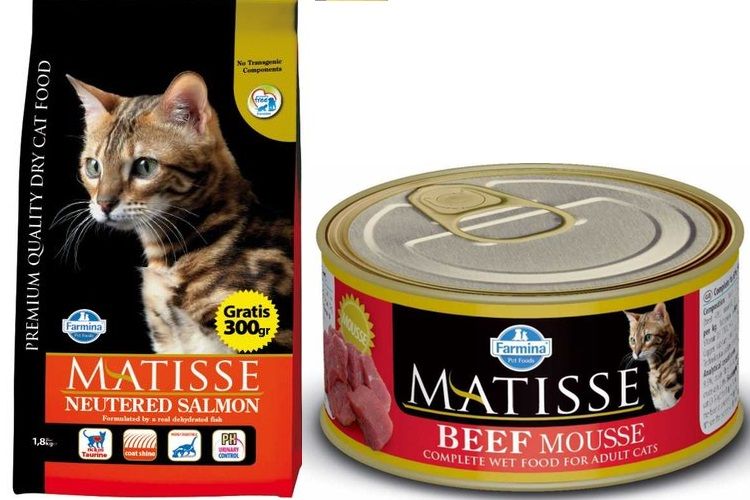
- Neutered. Food for adult neutered and spayed cats.
- Neutered Salmon. Diet for adult neutered and spayed cats.
Pros and cons
Overall, Matisse food can be given a positive assessment and is recommended as a complete daily diet for both healthy cats and those requiring dietary nutrition.
Advantages:
- Absence of products containing GMOs and harmful chemical compounds;
- Modern manufacturing technologies allow for higher-quality processing of raw materials and an increase in the shelf life of feed;
- A good selection of vitamins, microelements and nutritional supplements.
Flaws:
- Using dehydrated meat and fish instead of fresh produce;
- High percentage of grains, particularly corn;
- Quite a high price.
Reviews
Lyudmila Vladimirovna, owner of the Siamese cat Figaro:
«Our "king" won't eat just anything, so we have to buy only premium food. A couple of months ago, I saw the new Matisse line of food at my pet store and decided to give it a try. I sampled 100 grams, and he ate it with gusto, without any stomach issues. We eventually switched completely to premium food. Salmon & Tuna, it contains fish, and my pet simply adores it.".
Vitaly, the owner of the cat Marusya:
«We found this cat on the street, nursed her back to health, and raised her into a true beauty. She's not particularly picky, but you always want to treat her to something delicious. After trial and error, we chose Matisse cat food from FarminaI alternate between different diets, but with a greater emphasis on meat-based formulas. I'm glad the food is produced in Italy, which is European—quality standards and all.".
Olga and Pavel Ivanov, owners of two British cats:
«Initially, we fed our cats premium food and tried many brands, but ultimately settled on Matisse. Both the cats and we are happy. Firstly, we are pleased with the ingredients, rich in vitamins and microelements (we always pay attention to this). Secondly, the price itself is reasonable, plus we buy it in 10 or 20 kg bags. Thirdly, Fagot and Laska have responded well to the entire diet, eagerly eating everything they are given and have not gotten sick..
Read also:


2 comments
Christina S
Moreover, you yourself write that the protein is meat-based (and it is), and then you sum it up as "high grain content." But grains are less than half of the total. And yet, grains should still be present in the diet.
Christina S
Are you serious? ♀️ The advantage is the absence of GMOs (which are not harmful)
The downside is the lack of "fresh ingredients." Anyone who's studied different pet foods knows that the "fresh" label on the ingredients doesn't necessarily mean the product is good, but rather that dry food is calculated based on the percentage of meat it contained before it was dried. For example, 20% "fresh chicken"? Now divide that by two or three times and you'll find out what the actual percentage is.
The feed's ingredients aren't analyzed on the website, and the pros and cons are listed as irrelevant. People don't care whether the equipment was German or Chinese; they care about the quality of the raw materials. If the quality was cheap, it won't improve with "good" equipment.
It's better to look at food reviews on some pet review or something like that.
Add a comment