
Cat food for weight gain
Painful thinness in animals is an indicator of the immune system's intensified struggle to cope with the body's depleted resources. An animal can be considered thin if its ribs and spine are visible, its hip joints protrude, there are depressions in the peritoneum with visible vascular pulsations, and weak and saggy muscles on the hind and front legs, forearms, and chest. In this case, the cat is prescribed a special diet to help it gain weight. Proper care is also essential.
Content
Causes of thinness
Cats can be excessively thin due to two factors: the first is physiological, the second is pathological.
Physiological factors that contribute to weight loss include starvation (if the animal refuses to eat an undesirable food), severe stress, metabolic disorders (increased metabolism), intense hunting activity, increased sexual energy, and improper (monotonous) feeding. Females can also lose weight while nursing, after surgery, or after taking strong medications (such as antibiotics).
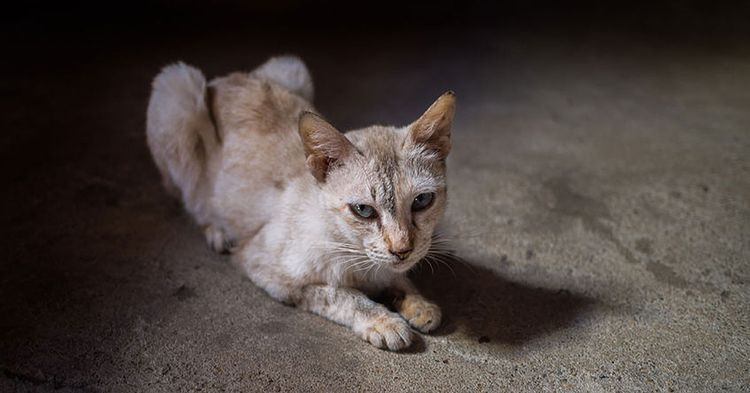
The underlying cause of abnormal thinness is a medical condition, such as dysbiosis, helminthiasis, gastrointestinal dysfunction, intestinal and other infections, or a more serious illness. To address this problem, you must first treat the underlying condition and then transition the animal to a balanced diet.
Nutritional Features
Ready-to-eat weight-gain cat foods from reputable manufacturers contain all the necessary nutrients per daily requirement. The emphasis is on proteins and carbohydrates. Fats in these products are minimal, as the goal is to build muscle mass, not fat. Furthermore, fatty foods put a lot of strain on the liver.
In the wild, protein makes up 85-90% of the diet of wild cats. This is the target target for pet food manufacturers. However, in weight-gain diets, protein is most often replaced with carbohydrates. This allows for faster achievement of the desired results.
The ready-made food for cats, recommended for weight gain, contains vitamins, proteins and coarse fiber to normalize intestinal function.
Important! It is not recommended to feed weight-gain food to your cat on a regular basis. This type of food is usually prescribed for two months. After this period, your cat's weight should return to normal.
Food from popular manufacturers
Various manufacturers' veterinary lines offer therapeutic products for fattening up underweight cats. They are an excellent alternative to table food.
Royal Canine
If you've been feeding your pet an unbalanced diet, and as a result, they've started losing weight, shedding fur, vomiting, and generally feeling lethargic, after the necessary treatment, your vet will likely recommend a weight-gain diet.
Gastro Intenstinal
One such food is Royal Canin Gastro Intensive Moderate Calorie Dry Granules. This product contains the following ingredients:
- meat;
- liver;
- fats and oils;
- cereals;
- minerals;
- plant products;
- yeast;
- carbohydrates;
- food and technological additives.
It's prescribed to cats losing weight due to digestive issues, along with medication. Cats that were previously indifferent to dry food invariably show interest in it.
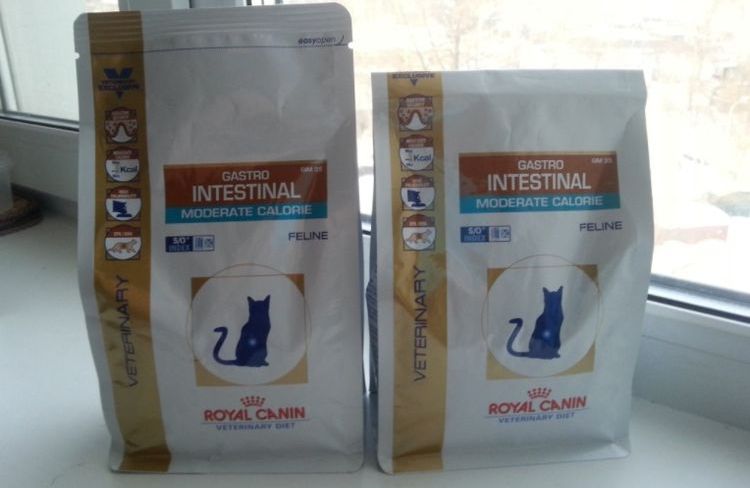
Important! If you feed your pet dry food, ensure fresh water is always available. It helps improve digestion when feeding dry kibble.
As a result of feeding Royal Canin Gastro Intestinal, the animal not only actively gains weight, but also sheds less, drinks more, leads a more active lifestyle, and the smell in the cat's litter box becomes less pungent.
Recovery
Manufacturers offer not only dry food but also canned food for weight gain. Recovery canned food is prescribed for cats and dogs for recovery during and after anorexia, during intensive care, during pregnancy and lactation, for feline hepatic lipidosis, and for kittens during growth.
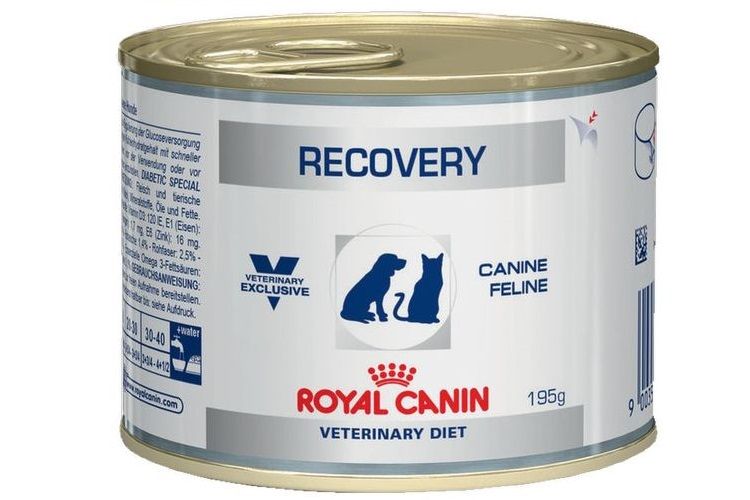
It contains the following components:
- meat;
- liver;
- vegetable by-products;
- cereals;
- fats and oils;
- dairy products;
- minerals;
- carbohydrates;
- eggs;
- yeast.
The feeding regimen for anorexia in cats is shown in the figure:
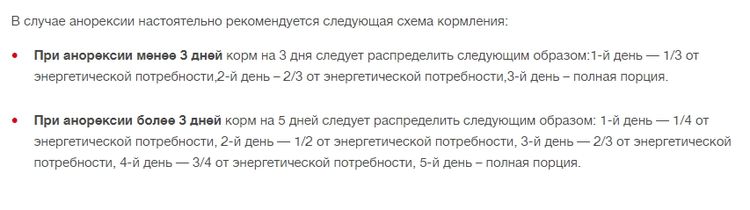
This formula provides the body with all the necessary nutrients and compensates for weight loss in cats who are picky eaters. This food is suitable for tube feeding if the animal is unable to eat on its own.
Important! When feeding through a nasoesophageal tube with a diameter of less than 3.3 mm, the feed must be diluted with water in a 1:1 ratio.
Contraindications:
- hepatic encephalopathy;
- acute pancreatitis and hyperlipidemia.
Purina
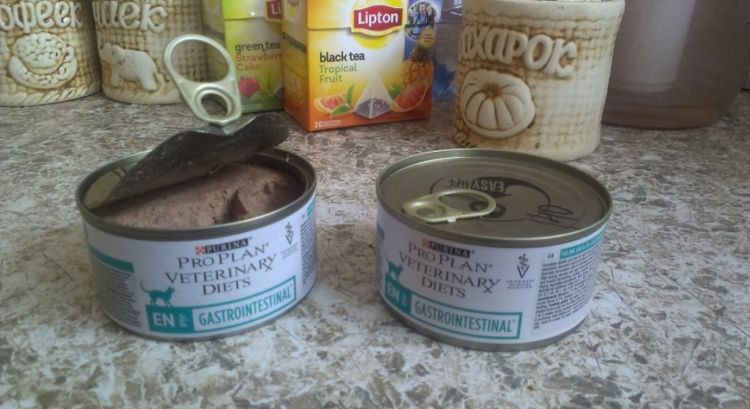
In the line Purina there is a dietary canned product Pro Plan Veterinary Diets Gastrointestinal is prescribed to animals for anorexia rehabilitation and is available in both kibble and canned form.
Gastrointestinal is a complete diet with a high concentration of essential nutrients, easily digestible ingredients, and increased energy value. It contains:
- offal;
- salmon;
- turkey meat;
- animal serum;
- sunflower oil;
- cornstarch;
- minerals;
- vitamins.
If your cat is losing weight while nursing, you can supplement her diet with ready-made kitten food or canned food for cats recovering from surgery to help her gain weight, if not gain it.
Caution! Feeding pets human food, especially high-calorie foods, is not recommended, as it may deprive them of essential nutrients. The same applies to cheap commercial foods.
Finally, it's worth mentioning that no matter how much you want your pet to look plump and happy, you shouldn't overfeed them. All cats are individuals, and even kittens from the same litter can have different body types.
Read also:
- What to do if a cat doesn't eat anything?
- Features of feeding cats with therapeutic food
- Hypoallergenic cat food


Add a comment