
Conjunctivitis in dogs
Conjunctivitis in dogs is one of the most commonly reported eye diseases. It can develop for many reasons, but the symptoms are almost always the same. Treatment, including at-home treatment, depends on the cause. What should you do if your dog is diagnosed with conjunctivitis?
A brief definition. Conjunctivitis can be acute or chronic. Chronic conjunctivitis periodically worsens and bothers the pet for months or even years. Treating a pet with chronic conjunctivitis is not easy. It requires finding the cause, then "exacerbating" the condition, and only then beginning treatment. Conjunctivitis can also be catarrhal, purulent, ulcerative, and follicular.
Content
Reasons
Conjunctivitis in dogs can be both a standalone condition and a symptom of another ailment. It's crucial to identify the underlying cause of your pet's conjunctival inflammation. Without a proper diagnosis, it's impossible to find effective treatment. So, let's look at the main causes of conjunctivitis in dogs.
Allergy
Allergic conjunctivitis is the most common type of allergy. Dogs develop allergies to food, medications, shampoos, helminths, insect bites, and many other things. In addition to conjunctivitis, the animal develops dermatitis, itching, hair loss, and swelling. Removing the allergens with symptomatic therapy (antihistamines) quickly leads to a rapid recovery.
Trichiasis (eyelashes grow under the eyelid rather than outward)
This can happen. With this condition, the eyelashes on the animal's eyelids grow inward (toward the cornea and conjunctiva). This condition can be attributed to mechanical causes of conjunctivitis (the eyelashes rub against each other).
Only surgery will help. If left untreated, your pet will suffer from constant conjunctivitis and keratitis may lose vision. Imagine how painful it is for a dog when, with every blink, hard eyelashes rub against the cornea and conjunctiva – not only unpleasant, but also very painful.
Keratitis (inflammation of the cornea)
Often, one disease progresses into another. Inflammation in the eye quickly "moves" from the conjunctiva to the cornea, and vice versa. Therefore, if your pet has conjunctivitis or keratitis, your veterinarian will very quickly diagnose (or change) diagnosis of keratoconjunctivitisIt is very important to begin therapy as soon as possible to minimize complications.
Follicular conjunctivitis
This type of disease is often chronic. Follicular conjunctivitis in dogs often occurs due to untreated or inadequate medical care for other conditions.
The disease affects the lymph nodes located inside the eyelids. If the condition is advanced, the nodes can enlarge so much that the eyelid literally turns outward. The sight is, to put it mildly, not a pleasant one. And the animal itself is not happy about the situation.
Due to the severely inverted eyelid, the dog experiences pain when blinking, and constant discharge, often purulent, comes from the eye. The protruding third eyelid, which is often associated with follicular conjunctivitis, further complicates the animal's suffering. This type of keratitis in dogs requires immediate veterinary care; otherwise, the pet could easily lose an eye.
Enlarged lymph nodes damage the cornea, which negatively impacts the animal's vision. This condition can develop over years. One can only imagine how dogs feel when they don't receive qualified medical care.
Due to prolonged irritation, follicular conjunctivitis can progress to a dry form. With this type of conjunctivitis, thin, keratinized scales can be seen on the surface of the cornea in an affected dog.
Standard eye drops and antibiotics are used for treatment of conjunctivitis in dogs. However, follicular conjunctivitis is difficult to treat. Furthermore, even the most qualified eye specialists are unlikely to guarantee successful treatment. In any case, you shouldn't refuse veterinary care.
Purulent conjunctivitis
This type of conjunctivitis in dogs is caused by pathogenic aerobic bacteria, such as staphylococcus and streptococcus. When the animal is healthy, the bacteria remain dormant, but if the conjunctiva is damaged, they become active. Therefore, purulent conjunctivitis in dogs is often a consequence of other diseases, such as allergic or follicular conjunctivitis.
Bacteria infect the mucous membrane of the eye, leading to inflammation and the formation of multiple purulent discharge. Additional symptoms of purulent conjunctivitis include:
- photophobia;
- pain;
- increased temperature of the eyelids.
Other causes of conjunctivitis in dogs
Other causes of the disease include:
- Mechanical damageIf a foreign object (hard or otherwise) gets into the eye, scratches appear on the conjunctiva and cornea, which become entry points for bacteria. This can lead to severe inflammation in the animal. However, if you notice something stuck in the eye early and rinse it out, conjunctivitis can be avoided.
- Burn (thermal, chemical, and others). Our four-legged friends can stick their snouts anywhere. They're naturally very curious, with their whiskers. That's why they often get into cans of paint or other caustic substances (the vapors are especially dangerous). Chemicals can also get into their eyes. The kitchen is no place for a dog! There are too many dangers there.
- DraftStrong winds and exposure to drafts can cause conjunctival inflammation. You've probably experienced watery eyes after being outside in very windy weather or after catching a cold. Dogs can catch colds too, and conjunctivitis can be a symptom.
- Infectious diseasesAlmost all infectious diseases are accompanied by a reaction in the eyes. This is due to the animal's weakened immune system, and bacteria and viruses are carried throughout the body through the bloodstream and lymph.
- Fungal infectionFungi can also trigger the development of conjunctivitis. They are more difficult to treat than bacteria, as antifungal medications must be administered over a long period of time.
Symptoms
What are the most common symptoms of conjunctivitis in dogs?
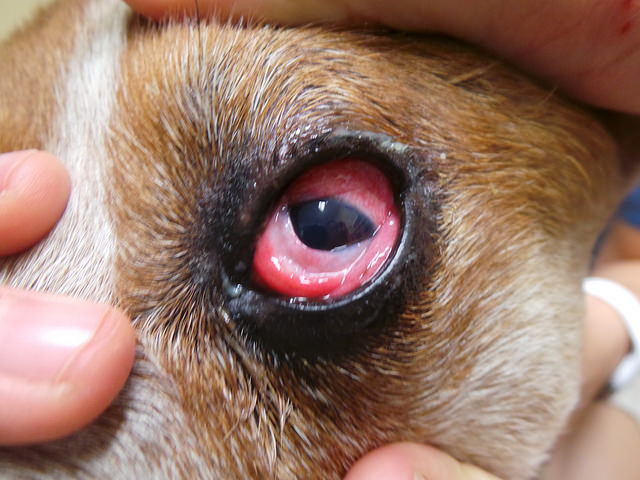
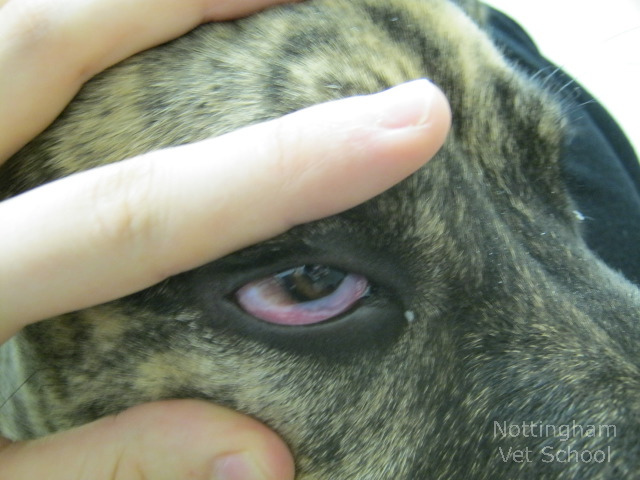
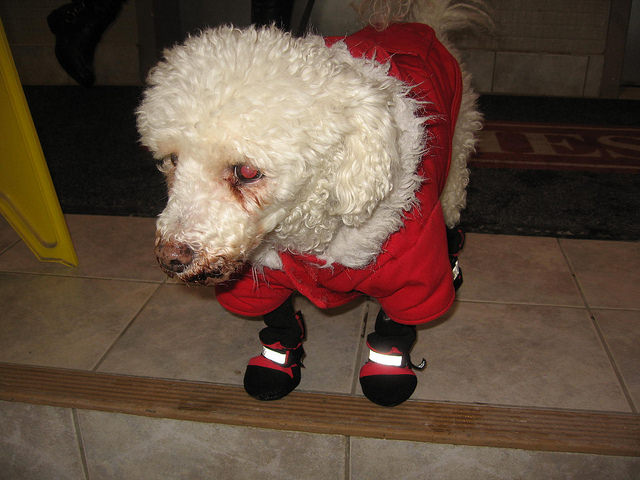
- Redness of the eyes (not only the mucous membrane of the eyelids, but also the blood vessels on the white “part of the eye” burst).
- Excessive tearing. Not necessarily from both eyes. If the conjunctiva is inflamed in one eye, tears will flow only from that eye.
- Photophobia. Due to the inflammatory process, the pet is afraid of bright light and closes its eyes when going outside or exposed to light.
- Discharge (catarrhal, mucous, or purulent) begins to appear in the inner corner of the eye. Over time, the pet can't even open the eye because the eyelids are stuck together by the dried discharge.
- The body temperature may rise (especially if the dog's conjunctivitis has developed due to some kind of infection).
- Lethargy, weakness, zero appetite. The dog is practically in a bad mood. He doesn't want to play or go for walks. He tries to hide in a dark corner.
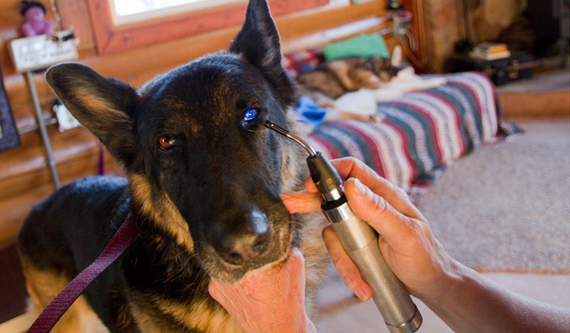
Examples of conjunctivitis in dogs in the photo:
Treatment
How to treat conjunctivitis in dogs at home? We'll discuss this further, but first, remember the most important rule: don't prescribe treatment yourself! You could misdiagnose and start treating your dog for something else, thereby causing even more harm.
Treatment for a dog with conjunctivitis should begin with confirming the diagnosis and identifying the underlying causes of the inflammation. Without this, it's impossible to prescribe truly effective treatment. The simplest steps for treatment at home are:
- This involves wiping the inner corners of the eyes with clean gauze (folded or folded in several layers) soaked in warm boiled water or an herbal infusion (chamomile, for example). Some people choose to wipe their eyes with strong black, non-fruit tea (no sugar!).
- Be sure to take good care of your pet. Minimize outdoor walks to avoid exposure to wind, dust, and sun rays. Improve your pet's living conditions at home: find a warm, draft-free, and clean area for your pet.
What's the first thing owners do? They run to the pharmacy for tetracycline eye ointment, hoping it will cure their pet's conjunctivitis. However, in most cases, this ointment only dulls the symptoms. Stronger antibiotics are often necessary, and they must be administered intramuscularly for at least 5 days! Antiviral medications and immunostimulants may also be needed (especially if the inflammation is caused by a viral infection).
Don't forget about topical treatments—drops and ointments. Kanamycin, chloramphenicol (be careful with babies and pregnant women), sodium sulfate, and the famous Diamond Eyes drops are also recommended. But remember, these should only be prescribed after a physical examination by a veterinarian! Only a veterinarian can determine what exactly, at what dosage, and for how long should be used.
To prevent your dog from injuring itself while trying to scratch its inflamed eye, place a special protective collar around its neck.
Recommendations on how to properly administer eye drops to a dog:
Prevention
Unfortunately, it's impossible to completely protect your pet from this disease. However, it's still important to reduce the risk of developing inflammation.
- To do this, don't forget about vaccinations. They will help protect your pet from viral and bacterial infections (the immunity developed after vaccination will prevent your pet from getting sick).
- Avoid walking in strong winds for long periods of time and avoid drafts.
- Don't allow your dog to roam areas where there's a risk of eye injury. Small branches on bushes, dust, and sand can get into the eye and scratch the cornea and conjunctiva.
If you notice your pet's eye is watering, examine it to see if there are any foreign objects there. If you quickly remove them and rinse the eye with boiled water, there's a better chance the eye won't need treatment.
- Keep household chemicals out of reach. If you're renovating your home, try to remove your pet from the premises (if possible, leave it with a loved one).
- Cooking in the kitchen? Don't let your dog near you. If it gets tangled under your feet, it could cause you to drop a hot pot or something else. This could injure both you and your dog. Whiskers have no place in the kitchen!
Any questions? You can ask our website's staff veterinarian in the comments below, who will answer them as quickly as possible.
Read also:


Add a comment