
Mats in cats
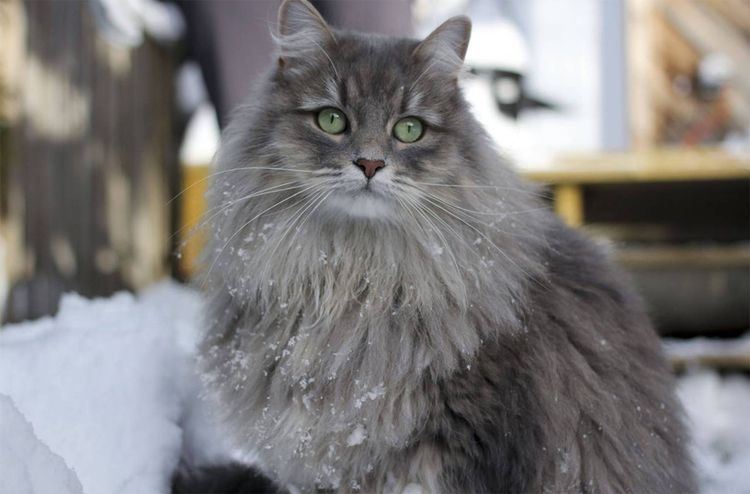
Longhaired cats attract with their beauty, grace, and independent and affectionate nature. But sometimes owners don't even consider whether they are properly grooming their demanding pets. This is an extremely important task. Otherwise, mats will quickly appear. Grooming is crucial for a cat's appearance.
Content
Reasons for occurrence
When breeding longhaired breeds, the emphasis was on the quality of the coat and the importance of grooming. Sometimes, cats with unnaturally thick and long hair are simply unable to groom it themselves. The coat becomes tangled, dull, and matted.
Mat formation is one of the most common problems in long-haired cats, causing a lot of inconvenience to both the animal and its owners.
The following factors can cause problems with hair:
- unbalanced diet and vitamin deficiency, resulting in the formation of tangles accompanied by the appearance of dandruff, which glues the lumps together more strongly;
- incorrect approach to bathing (using human shampoos, improper soaping and drying);
- dirt getting into the fur that the cat is unable to remove on its own by licking (oil, blood, petroleum, etc.);
- problems with the functioning of the body (metabolic disorders, chronic and skin diseases);
- infestation with lice or other parasites.
A cat's coat is constantly being renewed, and fallen hairs must be removed promptly. If this isn't done, they become tangled with growing hair, forming a thick, tangled mat. These mats most often appear on the neck, behind the ears, under the paws, and on the tail.
It's worth noting that short-haired cats can also experience this problem. However, it's a relatively rare occurrence and is usually preceded by dirty fur and the animal's reluctance to groom itself due to poor health.
Reasons for removal
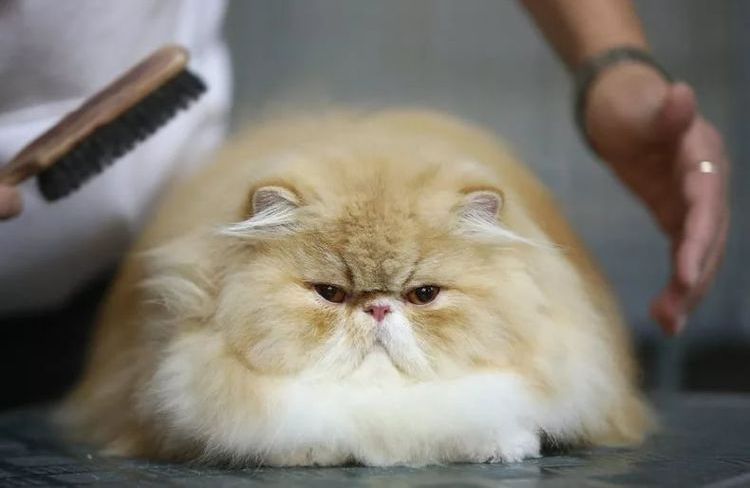
It's important to remove tangles of matted fur as quickly as possible, as the cat may accidentally catch them on other objects while playing or intentionally tug at them to get rid of them. This can cause injury, and the cat will associate touching the mats with discomfort and pain, making it much more difficult for the owner to remove them.
In essence, mats don't pose a life-threatening risk to your pet, but that doesn't mean they should be ignored. Irregular and improper grooming can lead to the following problems:
- At the very least, it's not pretty.
- Mats in cats can cause discomfort. As mentioned above, the matted fur can also entangle healthy hairs, pulling them out. Naturally, this can be quite painful. Furthermore, cats constantly lick and bite at the mats, hoping to remove them, which often results in severe skin irritation.
- When there are too many tangles and they fit tightly to the body, the skin begins to sweat, which inevitably leads to various skin diseases: excessive dryness causes dandruff, and excessive moisture causes inflammation and ulcers.
- Hairballs create a favorable environment for the development of ectoparasites.
Removal rules
If you brush your pet regularly, you'll be able to spot mats early. Even when you pet them, they immediately feel rough and unnatural among the silky fur. Removing them is quite unpleasant, but necessary, so make sure to emphasize this.
How to properly remove mats from a cat:
- If the lump has appeared very recently, try to disassemble it and stir it with your fingers.
- To try to save at least some of the fur, try cutting the mats along the hair growth and combing them out with a fine-tooth comb, trying to separate the old hair by hand. The mats are usually very tightly attached to the fur, so it's important to restrain the animal first (you may need to get an assistant) and proceed carefully to avoid injuring the pet.
- For these purposes you can purchase mat cutter – a special device with blades that facilitates the process of removing matted hair.
If your pet is categorically against such measures, the mat can be cut out, but then an unsightly bald spot will form in its place. When mats are numerous and tightly adhered to the skin, there's no point in trying to remove them yourself. Save yourself and your cat's nerves and consult a professional grooming salon.
Prevention of education
To avoid tangles, it is enough to provide your cat with proper care for long hair:
- The animal needs to be brushed at least 1-2 times a week, and some - daily.
- Try to use shampoos and conditioners that prevent tangling and make brushing easier.
- When bathing, apply shampoo with stroking movements in the direction of hair growth, and for drying, simply run the shampoo over the coat several times without rubbing it in different directions with a towel.
- Using special antistatic products for cat grooming eliminates static electricity, which causes loose hairs to tangle with living hair, and ensures soft fur. It's important to choose the right product at the pet store based on your breed, coat length, and thickness.
- Some owners practice using a hair dryer to dry their pet after bathing, which helps prevent tangles caused by improper drying and helps them brush their pet properly.
- Provide your pet with a balanced diet.
- As a supplement to the diet, use special additives designed to improve the quality of the coat.
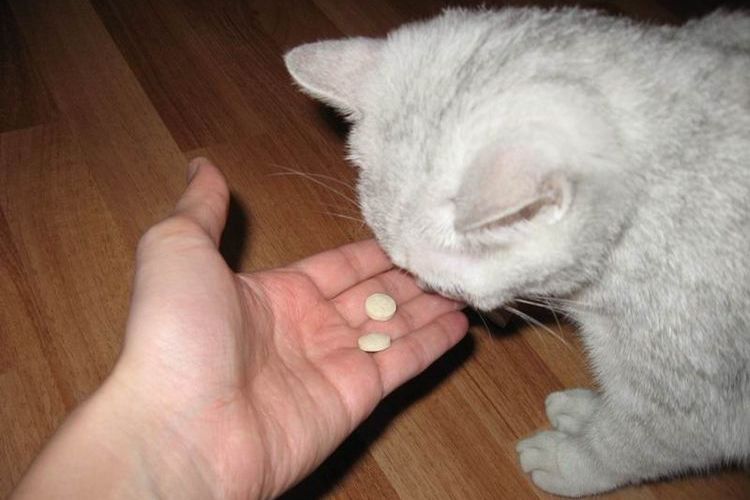
- If necessary, use medications to combat body parasites and regularly carry out preventive antiparasitic treatment.
- Regularly inspect your pet's body to promptly remove stuck dirt, which over time will cause the formation of hairballs.
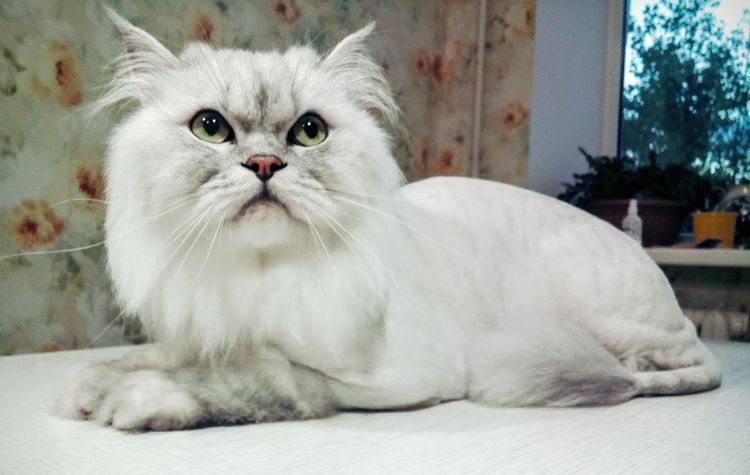
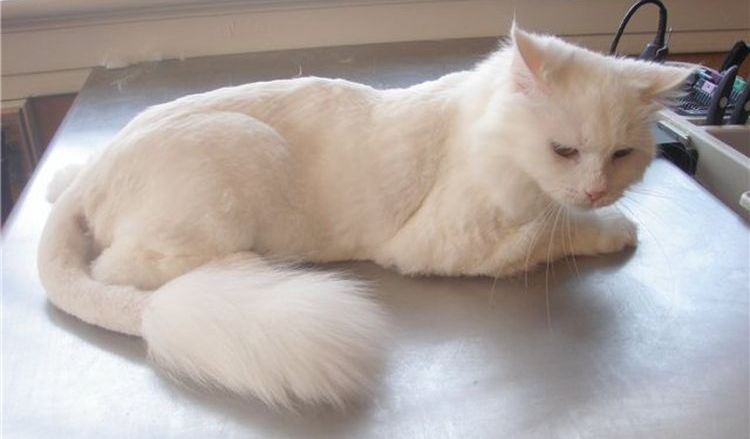
- During the warm season, the animal can be trimmed, with the exception of the head and paws.
When brushing your pet, it's important to choose the right brush based on the length and thickness of their coat, and to accustom them to this procedure from an early age. Timely removal of mats should become a habit and be the norm, not an emergency measure.
If, despite proper grooming, the fur continues to form into tangles that cannot be untangled, the cat's health should be examined by a veterinarian to determine the cause.
Video review of cat grooming
Any questions? You can ask our website's staff veterinarian in the comments below, who will answer them as quickly as possible.
Read also:
- How to trim a cat's hair at home
- Furminator for cats: what it is, how to choose and use it
- Peculiarities of caring for long-haired and short-haired cats


1 comment
Arina Semenovskaya
Our Exotic developed a whole series of tangles on his belly this summer—we only got rid of them after consulting with the vet (prescribed vitamins) and a little grooming. I bought Bephar vitamins, not really expecting a miracle, but in vain! They really help—the cats' fur sheds much less, stops tangling, and new hair grows back silkily. They're excellent vitamins, a bit pricey, but they definitely work.
Add a comment