
Collie (Scottish Shepherd)
The Collie (Scottish Shepherd) is highly intelligent and quick-witted, easily trained in any direction, possessing natural intelligence and the ability to make independent decisions, making it a prized working dog. Country of origin: Great Britain.
Content
History of the breed's origin
Despite its name, the collie isn't truly Scottish in origin. It was brought to Scotland as a fully developed breed, and was further developed and refined there. Its ancestors are believed to be English Shepherds, the British Greyhound, and the Irish Setter.
The origin of the Collie is a mystery, with at least two opposing theories. Some researchers say the ancestors of the Scottish Shepherd were brought to Northern Europe by Roman legionaries. Others maintain that Britain already had its own herding dogs by that time. Most likely, the breed developed from a cross between the Aborigines and the dogs of the conquerors.
The breed is very ancient, with a history dating back over 500 years. Until the mid-19th century, the collie was virtually unknown, but Queen Victoria's tour of Scotland changed the breed's fate. Enchanted by the Scottish Shepherd's intelligence and nobility, the queen returned from her trip with several puppies, whose arrival at the residence naturally did not go unnoticed.
Their outstanding intelligence and incredible working abilities soon made the collie very popular not only in England but throughout the world. The breed was officially recognized in 1914, at which time breeders began active breeding aimed at improving their appearance while maintaining their working abilities.
Appearance and character
This large dog is very harmoniously built. Its constitution is strong and dry.
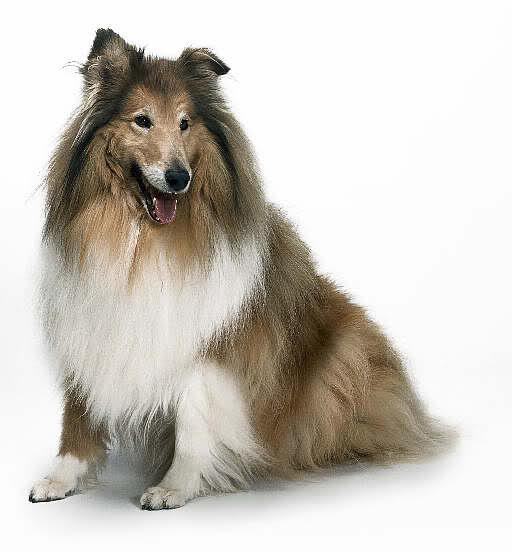
- The coat is long with a dense undercoat. The muzzle is elongated, gradually tapering toward the nose. The jaws are well developed, with a scissor bite. The eyes are almond-shaped and medium in size. The ears are small, never fully erect; their tips should droop slightly. The neck is long, the back is level, and the croup is slightly drooping.
- The muscles are prominent and well-developed. The limbs are lean and long. Thanks to their natural intelligence and incredible trainability, the collie has a well-deserved reputation as one of the most intelligent dogs in the world. This breed is known for its loyalty, friendliness, and affectionate nature.
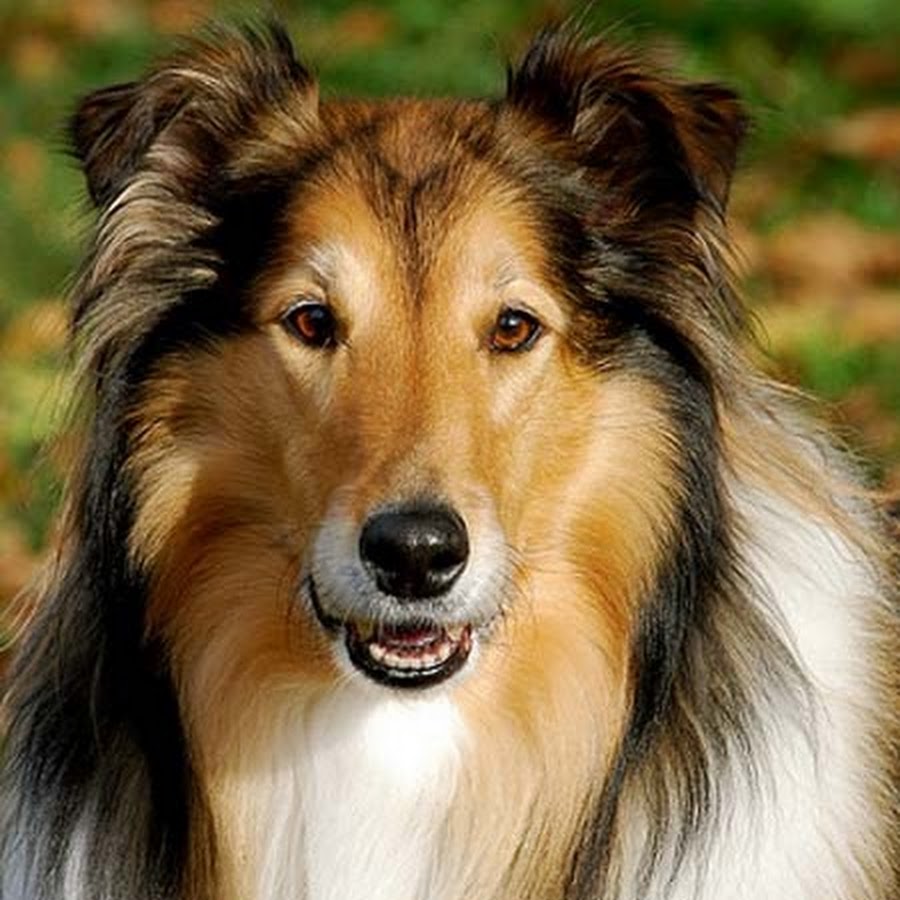
Scottish Shepherds often have difficulty adapting to new environments, so frequent moves or travel are generally not advisable. Good behavior should be taught from puppyhood; as an adult, they are less trainable and already have their own personality. Collies are very prone to barking, with or without reason, so this should also be taken into account when training them.
Breed designation and training
Thanks to their natural abilities, the collie is not only an excellent herder, as was originally bred, but also a capable rescuer and guide dog. In many countries, they are used as service and guard dogs. In urban environments, collies have proven themselves to be excellent companions and loyal companions.
Collies are very energetic and enjoy active pursuits, but they are quite happy to enjoy a leisurely walk alongside their owner. Easy-going and friendly, collies are very devoted to their families. However, it's important to remember that these dogs are very sensitive, and harsh or indifferent treatment can cause them to become timid or aggressive.
It's important to remember that a collie puppy is not a toy. They don't tolerate rough handling or scolding. The best training methods are based on affection and fairness. The owner should be a role model for their pet, a calm and confident person. Don't be overly friendly with this dog; instead, be persistent in training.
Don't be afraid to punish your puppy. If your pet misbehaves, immediately let him know that it's not okay to do that.
Remember: no violence. Use confidence and a strong voice (not yelling). After the punishment, try to create a situation where you can praise the collie.
Play with your puppy as often as possible. The most crucial period in a Scottish Shepherd's development lasts from one to three months. During this time, you need to establish a strong bond with the animal, as this will largely determine your lifelong relationship. In any case, playing with a collie is pure joy.
During this period—1-3 months—a puppy is exploring the world. Therefore, try to take your dog on more walks together. It's best to choose quieter places where you can safely let your collie off-leash.
Between 3 and 6 months, a Scottish Shepherd puppy begins to develop its individual personality. Developmental issues may arise during this time. Therefore, be understanding. If you notice your pet is afraid of something, postpone this training until later. Typically, a dog with good genetics will quickly return to normal.
As mentioned earlier, you should punish a collie immediately after the misbehavior, no matter how old the pet is. For example, if the puppy starts to put its paws on you, you can gently press on its paw until it returns to its original position. Any unpleasant behavior your Scottish Shepherd does should be associated with some unpleasant sensation. This training method ensures that in the future, the dog will do what brings it satisfaction.
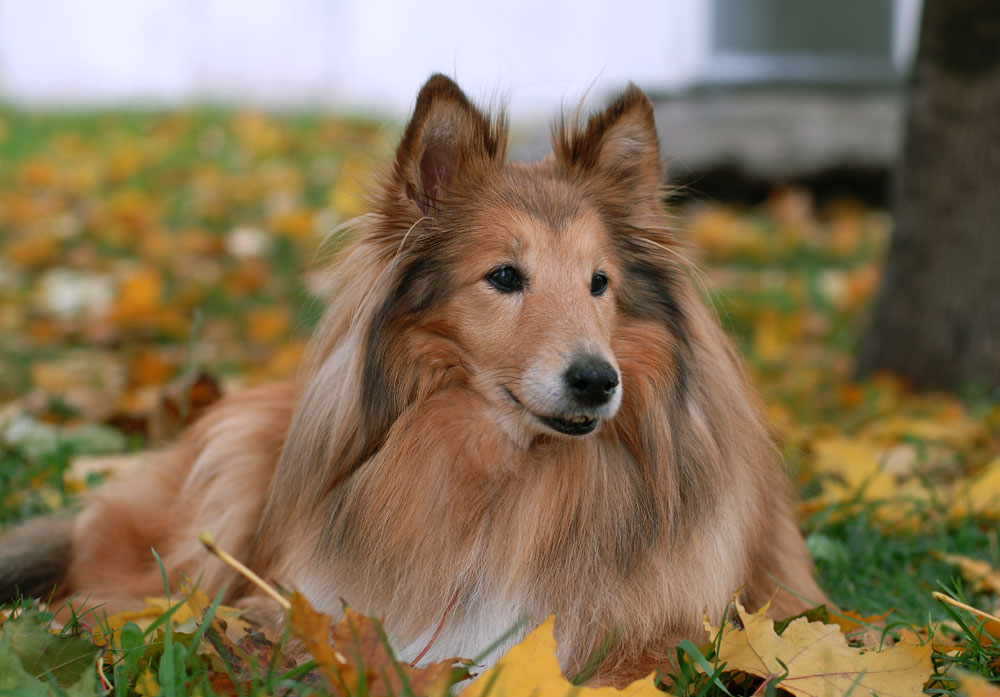
Basically, a dog needs to establish boundaries that it shouldn't cross. And if you show a collie these boundaries, you're not only teaching it, but also demonstrating yourself as an experienced trainer and, therefore, a leader. Punishment is usually limited to verbal abuse, but in some cases, a light spank on the dog's rumps is acceptable. The animal will remember this lesson forever.
If your Scottish Shepherd puppy is showing its teeth or growling, brace yourself. The key is to avoid showing fear. Don't leave the puppy's side, roll it onto its back, and hold it down until it calms down. This method will help the dog feel a confident, confident presence, even without punishment.
Now let's figure out what to do if a collie puppy bites you. In this case, it's permissible to lightly strike the dog's lower jaw. It won't hurt, but the blow will cause the dog's mouth to snap shut, and its teeth will clang against each other. And that unpleasant clang will serve as a good lesson for the dog for the future.
Maintenance and care
A collie will feel great in both an apartment and a private house, the main things for her are attention, company and regular walks. They are very love childrenThey treat them with special care and are always happy to play. They are friendly with other animals in the house. Despite their long, thick coat, collies are easy to groom. It's recommended to brush them with a special comb once a week. During shedding season, remove the undercoat with a slicker brush. Pay special attention to the fur behind the ears, on the neck, under the chest, and on the thighs.
Collies thrive in apartments, but will also appreciate a private home with a large yard. The key is for the family to be nearby and give the dog plenty of attention. Grooming is minimal, requiring weekly brushing. Bathe as needed, more frequently during shedding season, when the dog requires intensive brushing 3-4 times a week. Ears should be cleaned with a damp cotton swab as needed. Nails may need trimming.
Health
Collies are considered a robust and healthy breed. However, a number of common health conditions have been noted, including retinal atrophy, entropion, and congenital deafness.
Life expectancy is 13-15 years.
What to feed a collie
You can feed your Scottish Shepherd either of two diets: natural food or wet or dry food. If you choose the latter, be aware that switching your dog to a different diet later will be difficult. If you choose natural food, the diet should be well-balanced and complete.
Of course, everyone strives to find the ideal diet from both an economic and nutritional standpoint. Knowing which foods to avoid for your Scottish Shepherd will help you achieve this. The following foods are not recommended for your pet:
- raw river fish;
- raw pork and lard;
- fried potatoes;
- flour products;
- pearl barley;
- tubular bones;
- peas.
Eliminate these foods from your planned diet, and it will be easier to plan your collie's menu. And don't forget about vitamin and mineral supplements.
Where to buy a collie puppy, price of a pet
Collies aren't a common companion seen on the street. But that doesn't mean the breed isn't of interest, and finding a collie puppy can be a challenge. In fact, buying a collie is quite simple. In addition to specialized foster homes, many breeders are involved in breeding Scottish Shepherds. And if you're looking for a pet rather than a renowned example of the breed, the search is unlikely to drag on for long.
The price of a collie depends on the status of the puppy's parents. If you dream of attending shows with your Scottish Shepherd, you'll need a pedigree dog; these puppies start at 15,000 rubles. A nameless pet will cost 7,000-10,000 rubles. If you're lucky, you might get a purebred puppy for free. For example, if the breeder can't sell the entire litter, you might be able to get a grown puppy for a nominal fee.
You can feed your Scottish Shepherd either of two diets: natural food or wet or dry food. If you choose the latter, be aware that switching to a different diet will be difficult later. If you choose natural food, the diet should be well-balanced and complete.
Photos
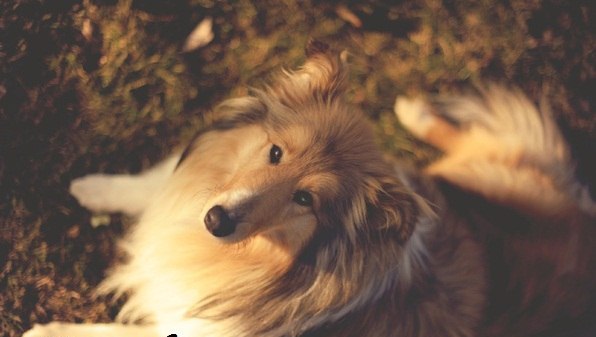
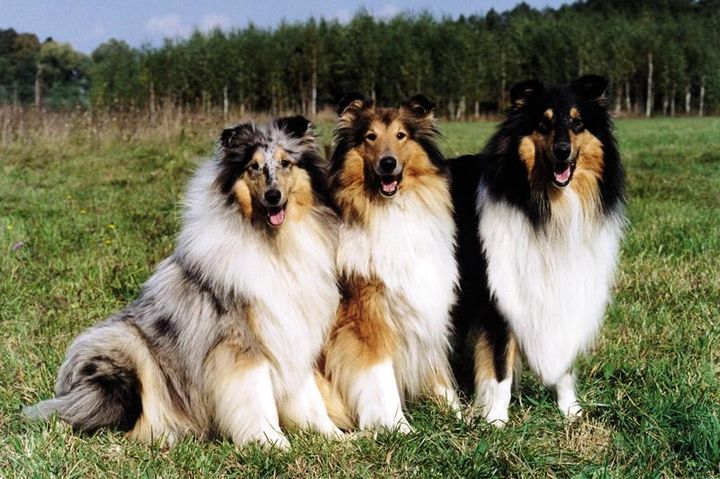
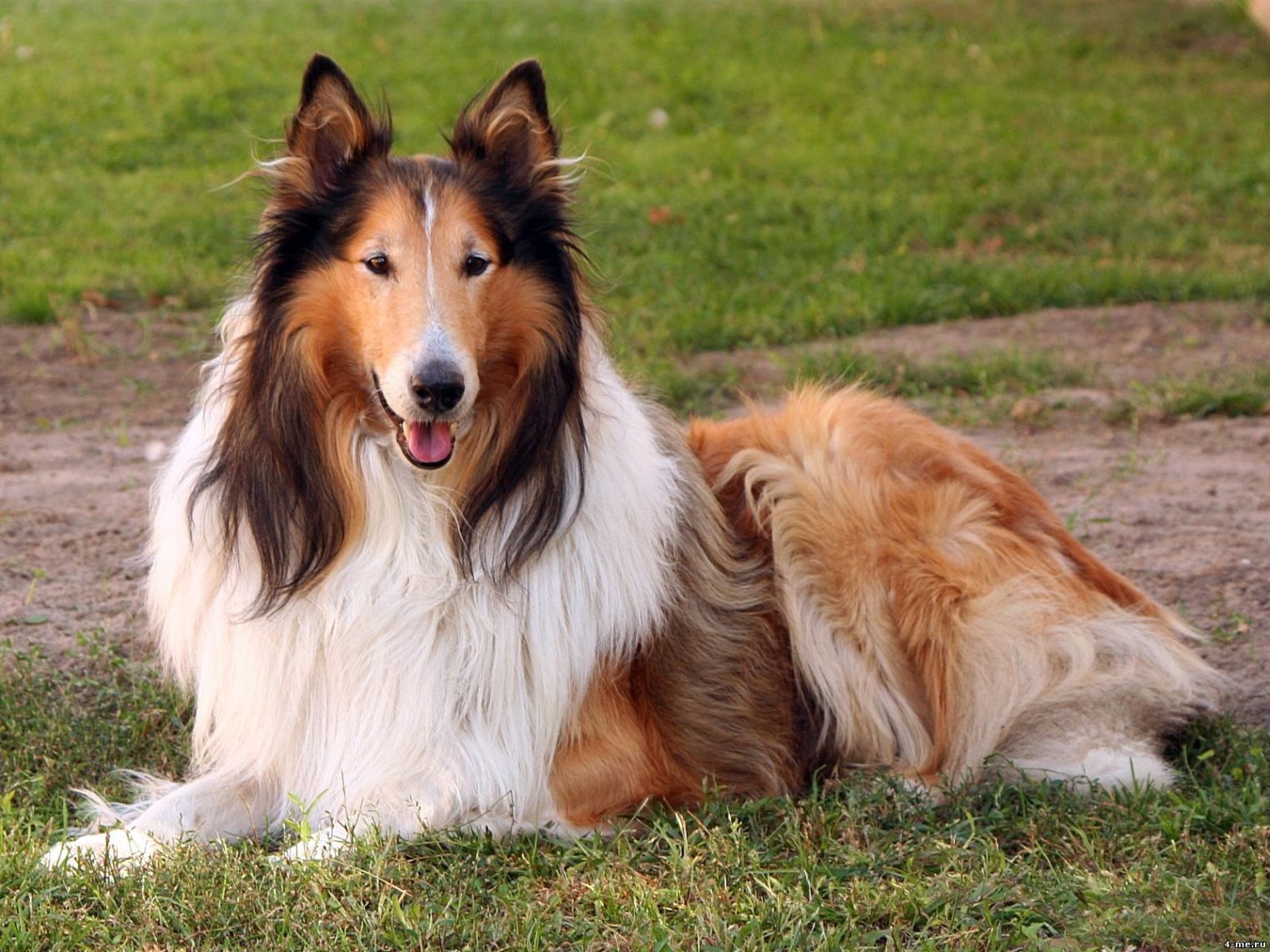
Collie (Scottish Shepherd) Photos:




Add a comment