
Colic in dogs: symptoms and treatment
Colic in dogs is a term used to describe a complex of conditions in which animals experience symptoms such as acute abdominal pain. To properly prescribe treatment, a comprehensive diagnosis is essential, as colic pain can be caused by a variety of gastrointestinal and other internal diseases.
Content
Causes of occurrence
The main cause of abdominal colic in dogs is muscle spasms in the smooth muscles responsible for proper intestinal function. Severe abdominal pain in animals occurs due to irritation of the nerve endings located in the small and large intestines.
It is important to understand that colic in dogs is a symptom that requires not only emergency care to relieve acute pain, but also a full examination of the animal to determine the underlying cause of the problem.
Among the reasons that may lead to the problem, veterinarians highlight:
- poor nutrition;
- helminthic infestations;
- acute infectious diseases affecting the intestines (distemper, gastroenteritis, parvovirus, coronavirus, etc.);
- chronic gastrointestinal diseases (gastritis, colitis, enterocolitis, stomach ulcer, pancreatitis etc.);
- obstructive pathologies such as intestinal obstruction (complete or partial), neoplasia or intussusception of the intestine.
It is important to correctly determine what is causing severe abdominal cramps in a dog so that treatment is as effective as possible and medications do not harm the animal.
Types of colic
Doctors distinguish two types of colic depending on the location of the inflammatory process:
- True colic These occur due to inflammation or obstruction of the intestines. This condition is dangerous because it disrupts all gastrointestinal functions, and without immediate treatment, the animal may become severely intoxicated (possibly fatal).
- False colic They occur when the inflammatory process is localized outside the gastrointestinal tract. Thus, acute pain can be caused by blockage of the bile ducts or urinary tract (renal colic), arterial thrombosis, as well as uterine inversion or torsion.

True colic in dogs can be caused by a wide variety of reasons.
The intensity of colic pain can also vary. The most severe attack, which causes extreme pain, is called an "abdominal spasm."
Symptoms
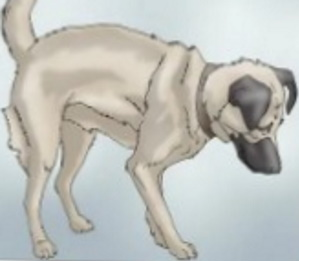 The following main signs may indicate that a dog is experiencing acute abdominal pain:
- A characteristic pose (at the moment of an attack, the animal strongly arches its back).
- Anxiety (the dog may pace, appear frightened and disoriented).
- Rapid breathing and heartbeat (occurs due to stress from severe pain).
- Pain in the abdominal wall (the pet does not allow you to touch its belly).
- Refusal of food and water.
The typical posture of a dog suffering from colic is shown in the photo.
Depending on the disease that caused the pain, additional symptoms may join the main ones:
- gastrointestinal disorders (constipation or diarrhea);
- nausea and vomiting;
- flatulence (increased gas production);
- bloating (increase in volume);
- increase in body temperature.
Symptoms for different types of colic may vary, but it is impossible to accurately determine the cause of the pain at home.
Only a veterinarian should make a diagnosis based on the examination results and prescribe treatment, as antispasmodics for dogs can only relieve the symptom (relieve muscle spasms temporarily) but will not cure the disease. This means the problem will persist, and the pain will recur.
Diagnostics
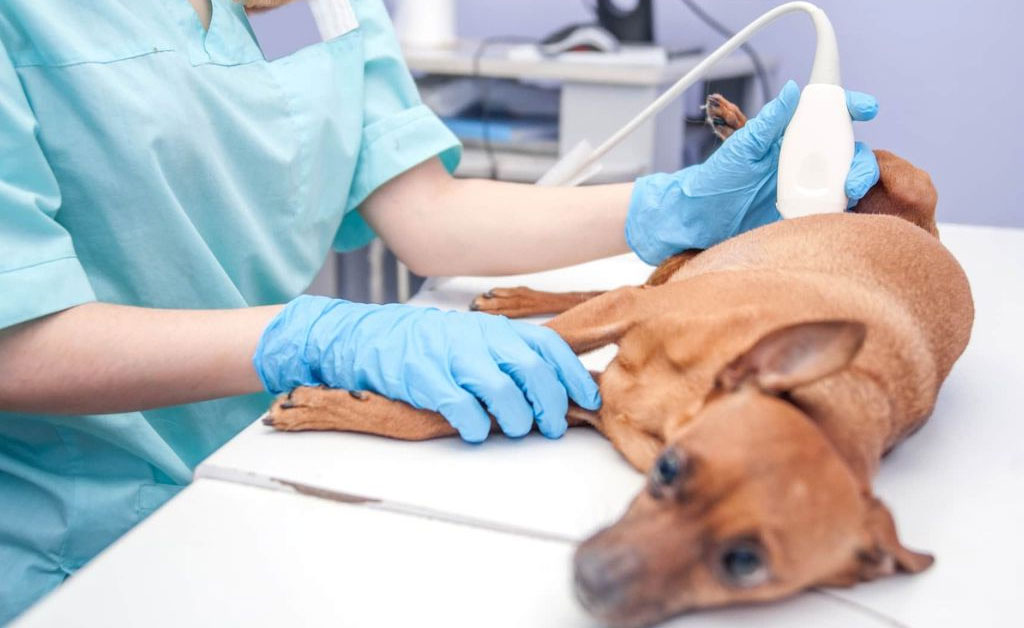
To determine whether a dog has true (intestinal) or false (non-gastrointestinal) colic, and to select the correct treatment, a veterinarian must not only conduct a physical examination of the animal, but also prescribe:
- Ultrasound of the abdominal organs to assess the size and location of all organs;
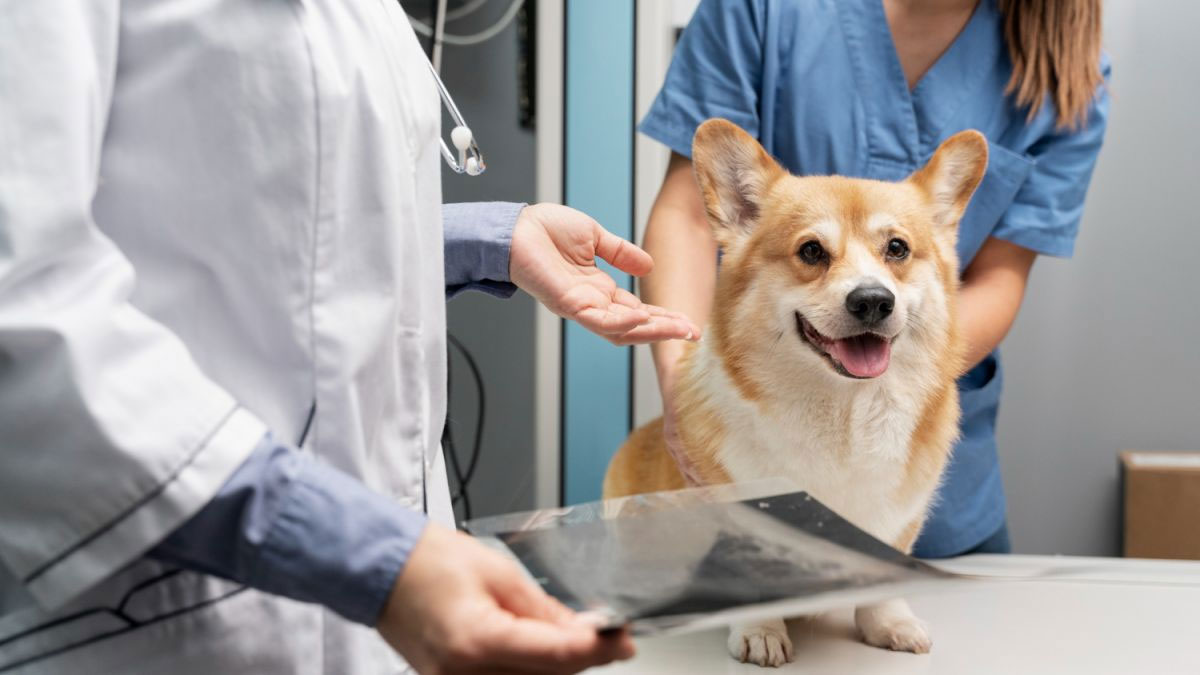
- abdominal x-ray to rule out intestinal obstruction;
- General blood and urine tests that can reveal signs of certain types of diseases.
Treatment of colic
Important! It's not the colic itself that needs to be treated, but the underlying condition causing the acute pain.
First aid at home
The first thing an owner thinks about when they see their pet suffering from abdominal pain is what they can give the dog to alleviate the pain. However, veterinarians warn against this; it's best to get the animal to the vet as quickly as possible.
Why can't dogs take pills?
- Human medications and incorrectly calculated dosages can cause severe poisoning in dogs, which will only worsen their condition.
- Without knowing the cause of colic, you cannot give the animal any medication.
- An antispasmodic may act quickly enough and the doctor will not be able to correctly assess the clinical picture.
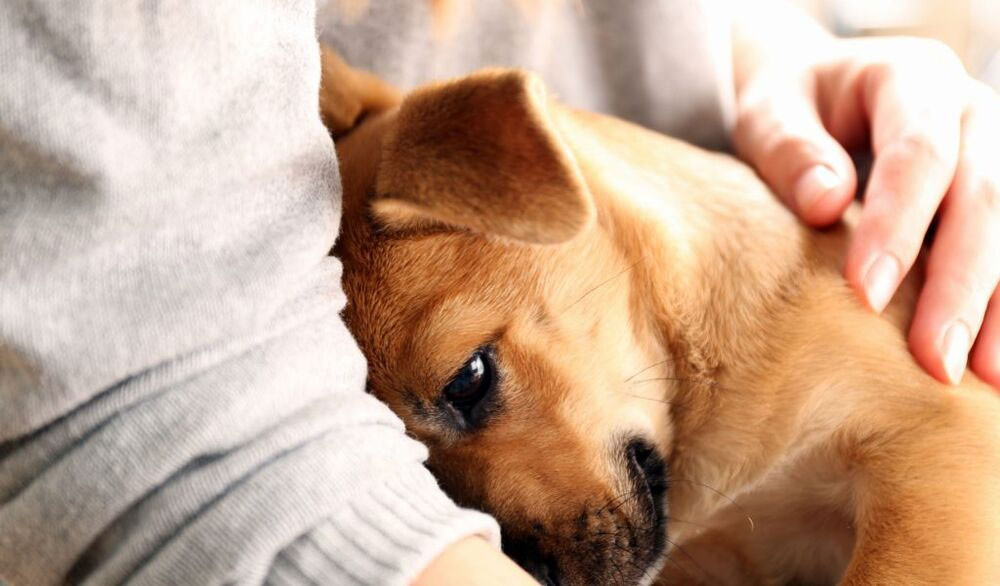
Instead of feeding pills to a suffering animal, it is recommended:
- calm the animal and do not panic yourself, because dogs clearly sense their owner’s emotions;
- provide your pet with a comfortable place with the ability to find the least painful position (many people find a large, soft blanket helpful);
- do not feed or water the dog during an attack (food or water will only increase the pain);
- Contact a veterinarian and describe the dog's condition (record your pet's behavior on video so that the doctor can later assess the symptoms);
- follow your doctor's recommendations.
If it is not possible to consult a doctor over the phone, it is necessary to take the dog to the nearest veterinary clinic, as an acute attack of colic may be associated with life-threatening conditions.
What can a veterinarian prescribe?
Treatment will largely depend on the diagnosis given to the animal:
- In case of hernia and obstructive colic arising from intestinal obstruction, urgent surgical intervention is necessary!
- If an infectious disease is detected that causes severe intestinal inflammation, complex therapy is prescribed, including antibiotics, anti-inflammatory and supportive drugs.
- Spastic colic is relieved with antispasmodics for dogs, the dosage of which the doctor must calculate based on the animal's weight.
- For gas colic, medications are prescribed that normalize the functioning of the gastrointestinal tract and reduce gas formation, as well as a special diet.
- Colic caused by severe stress is treated with a course of sedatives.
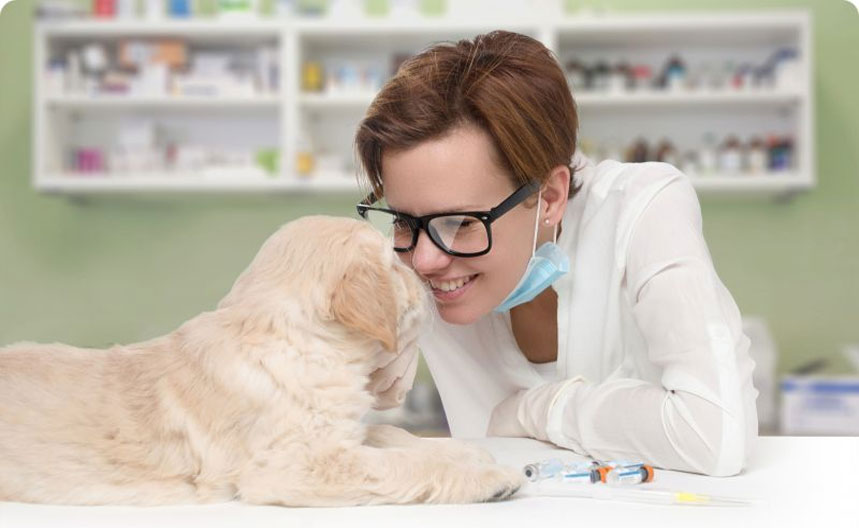
Immediately after assessing the dog's condition, the veterinarian may also administer an analgesic (painkiller) injection to alleviate the condition. Self-administering painkillers in pill form is not recommended. These medications are generally very irritating to the stomach and are certainly not helpful for colic.
Painkillers from human medicine cabinets are dangerous for dogs, especially small breeds!
Prevention of colic
As a rule, prevention of colic in dogs involves proper nutrition of the animal, taking into account existing chronic diseases, breed characteristics and age.
Very often, owners ignore the veterinarian's recommendations and try to diversify their pet's diet with something they consider tasty, which causes a sharp deterioration in the dog's condition and an attack of colic.
To minimize the likelihood of acute abdominal pain in a dog, it is recommended:
- Conduct preventive examinations regularly.
- Vaccinate your animal in a timely manner to prevent the development of dangerous infectious diseases.
- Treat identified diseases, strictly following the doctor’s recommendations.
- Do not give your dog table food or anything that could cause acute gastrointestinal upset.
- Follow a diet if recommended by your veterinarian.
Read also:
- Peritonitis in dogs: symptoms and treatment
- Yellow Vomit in Dogs: Causes and Treatment
- Why does a dog's stomach rumble and what should you do?


Add a comment