
Coccidiosis in dogs: what it is, symptoms and treatment
Coccidiosis (isosporiasis, eimeriosis) is a disease caused by single-celled microorganisms called Coccidia. These parasites infect the mucous membranes of the intestines, bile ducts, and liver, causing tissue necrosis. Due to a significantly weakened immune system, coccidiosis in dogs can lead to complications such as dangerous bacterial or viral diseases. Due to the disruption of hydrolysis processes in the body and fluid loss, the animal can develop complete dehydration, leading to death.

Content
Routes of infection
A dog can become infected with coccidia from its fellow dogs, as well as cats, rodents, and birds, even without direct contact with the carrier animal: through feces, water contaminated with spores, or objects used by the sick animal.
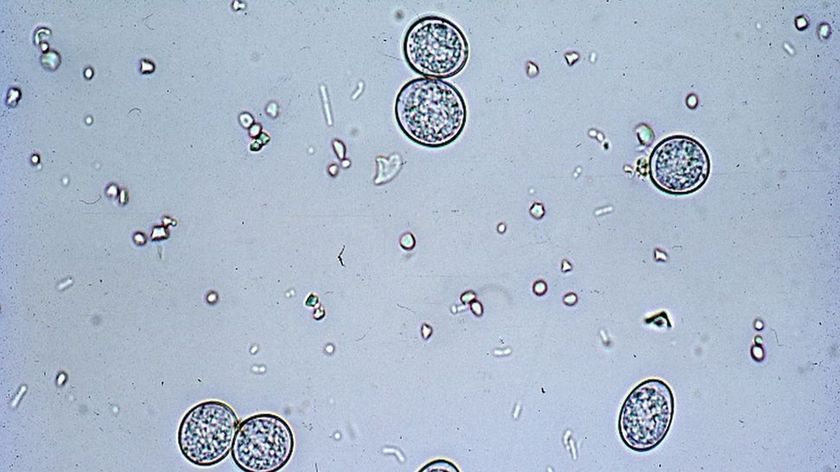
These microorganisms can remain viable in the environment for over a year. Oocysts are quite resistant to disinfectants and are quickly killed only by direct sunlight.
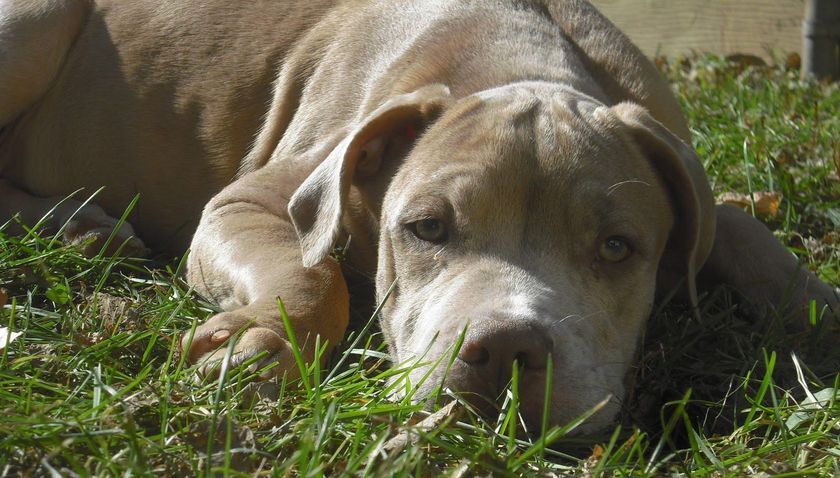
Dogs with weakened immune systems are most susceptible to this disease, particularly puppies under 6 months of age, whose immune systems are still developing, and older dogs, whose immune systems are weakened by age. Reduced immunity can also be affected by poor or improper nutrition, unhygienic living conditions, and stress.
Canine coccidiosis can occur in a mild or latent form and is often asymptomatic, but dogs remain carriers of the infection for life and can infect other animals.
Clinical signs of coccidiosis
The life cycle of coccidia in dogs consists of three phases. The first two phases—schizogony and gametogony—occur endogenously, within the dog's intestinal cells. The third phase—sporogony—occurs outside the animal's body, in the external environment. It is this last stage of the parasite's development that serves as the source of infection. The incubation period for isosporiasis is one to two weeks. Symptoms of coccidiosis in dogs depend on the course of the disease, which can be acute or chronic.
Signs of acute form:
- lethargy, drowsiness;
- periodic increase in temperature;
- paleness of the mucous membranes;
- polyuria (frequent urination);
- catarrhal inflammation of the mucous membranes of the nose, mouth, conjunctiva, accompanied by mucous or purulent discharge;
- flatulence, bloating;
- frequent vomiting;
- loose stools with blood or alternating constipation and diarrhea;
- enlargement of the liver noticeable upon palpation;
- local cramps;
- General exhaustion and dehydration - coccidiosis in puppies often leads to death for this reason.
Signs of the chronic form:
- dull, unkempt-looking coat;
- periodic vomiting;
- alternating diarrhea and constipation;
- mucus and streaks of blood in the stool;
- lack of appetite;
- weight loss;
- signs of dysbacteriosis;
- In advanced cases, intestinal necrosis develops, which is characterized by high mortality.
How is coccidiosis diagnosed?
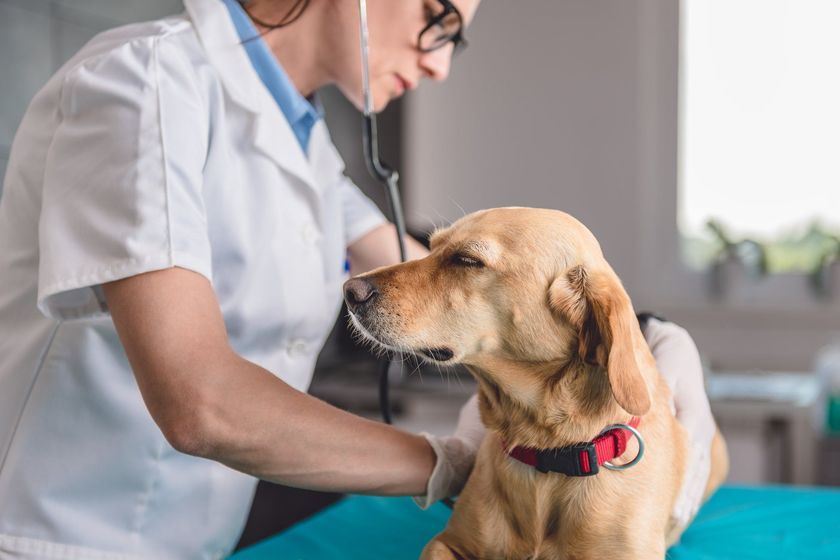
Some symptoms of coccidiosis are also typical of other diseases, including sarcocystis, piroplasmosis, parvovirus enteritis, leptospirosis, and poisoning. A veterinarian makes a diagnosis based on the owner's medical history (description of symptoms, living conditions, presence of chronic diseases), laboratory tests, and imaging studies.
The main criterion for laboratory diagnosis of isosporosis is the analysis of feces or intestinal swabs from the dog, carried out according to the Darling and Fulleborn methods, which combine sedimentation and flotation processes to detect isospores.
The feces are mixed with water to a semi-liquid consistency, then a saturated solution of table salt or a mixture of it and glycerin is added. After allowing the mixture to settle, the upper part is scraped off the surface of the liquid with a metal loop and placed on a microscope slide. If more than ten Coccidia spores are detected in the sample, the dog is considered to have coccidiosis.
Because coccidial spores are much smaller than worm eggs, some species can only be detected through additional testing. For example, a blood test for coccidiosis will reveal decreased red blood cell counts and total protein levels, while ultrasound examinations can assess the structure of parenchymal organs and the extent of their damage.
Treatment
After detecting oocysts in a control stool sample or swabs, and determining their quantity and type, the physician will prescribe treatment aimed at suppressing the pathogen, eliminating the symptoms of the disease, and correcting the body's functioning.
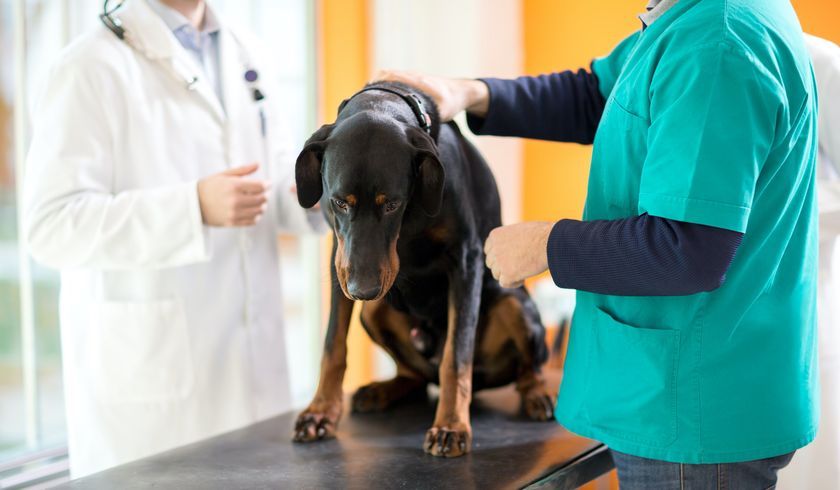
In severe cases, the dog may be treated in a hospital under the supervision of specialists.
Of the drugs used to destroy coccidia, the most common are:
- Broad-spectrum sulfa-type antibiotics include sulfadimethoxine, sulfacetamide, sulfamethoxazole, mafenide, kanamycin, and tetracycline. These are usually prescribed for 10-14 days.
- Coccidio- and eimerostatics "Amprolium" (manufacturers "VIK - Animal Health", Russia and Ukrzoovetprom, Ukraine), "Koktsidiovit" LLC "VETSFERA", Russia).
- Cocidiostatic drugs based on toltrazuril (triazinetrione). Toltrazuril destroys the intracellular structures of eimeria, causing the death of the parasite; it is effective against coccidia at all stages of their development. Stop-coccid (Apicenna, Russia) is recommended for dogs of all ages, and the suspension "" is recommended for puppies.Procox"(Bayer, Germany).
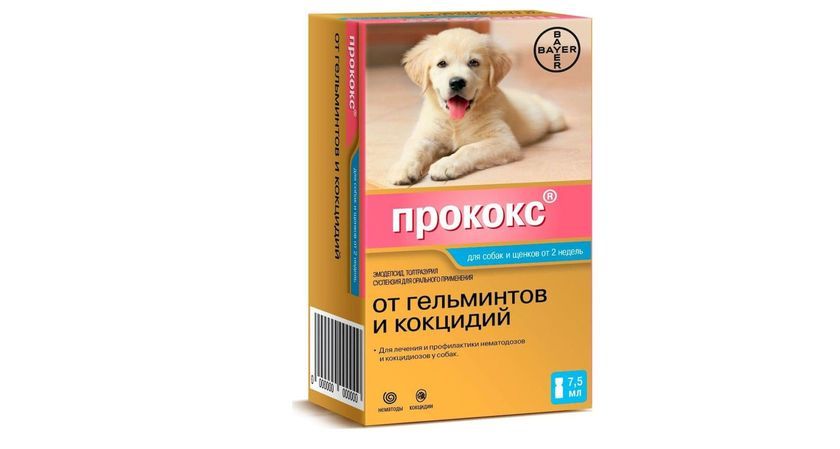
Symptomatic treatment of coccidiosis in dogs involves alleviating the general condition of the animal:
- To remove intoxication and restore liver function, the following are used: Katozal, Gamavit, Cardus compositum, Ubiquinone compositum.
- Cordiamine, Sulfocamphocaine, Panangin, and Asparkam are effective for supporting the cardiovascular system.
- In case of severe dehydration, intravenous drip administration of Rheopolyglucin, Rheosorbilact, Ringer's solution, 5% glucose solution may be necessary.
- To improve intestinal peristalsis, Lactobacterin or is recommended Vetom.
- To relieve inflammation in the intestines, you can use homeopathic medicines Verakol, Traumatine, Cardus compositum, Liarsin, Traumeel.
- Immunocorrective agents Roncoleukin or Engystol will help improve the dog's general condition and increase its body's resistance.
During illness, it's essential to follow a diet consisting of easily digestible foods that don't irritate the intestines. Your dog's diet should include meat and fish broths, vegetable and rice broths, and fermented milk products. To stimulate the immune system, it's advisable to supplement your pet's food with vitamins and minerals. Specialized premium and super-premium foods contain these supplements.
Preventive measures
Hygiene plays a key role in minimizing the risk of coccidiosis. This includes treating the dog's habitat, eating and drinking utensils, and litter box with disinfectants (such as diluted chlorine bleach, which is readily available in every home).
Proper disposal of animal excrement is also important – it is advisable to burn it rather than throw it away, as oocysts are resistant to low temperatures and can remain viable in the soil for a long time.
Although the symptoms of coccidiosis in puppies appear quickly and clearly, even healthy puppies, starting from three weeks of age, should be given anti-coccidiosis drugs for prevention.
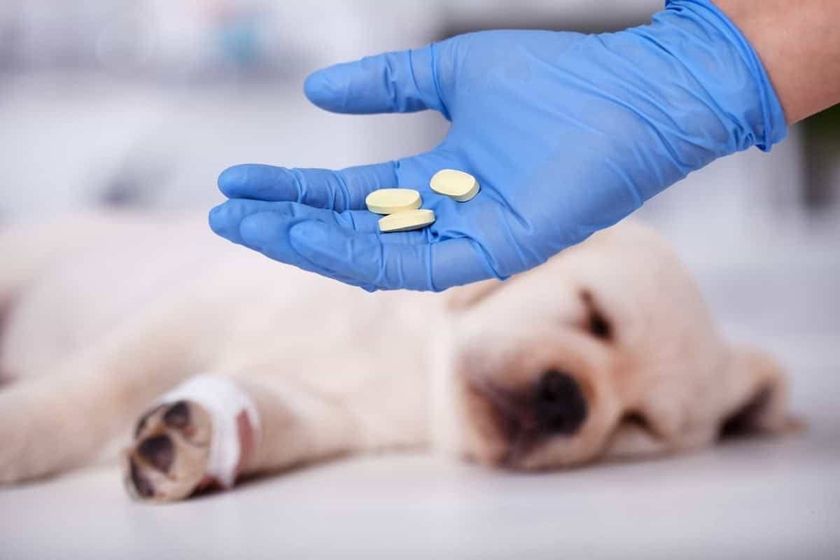
Veterinarians recommend:
- Zuritol;
- Cocciprodin;
- Baycox;
- Bayer Procox;
- Toltrakoks.
It is recommended to administer a drug containing a cocidiostat to the female dog before mating with a male dog. A well-balanced diet will ensure the dog's strong immunity, enabling her body to effectively fight off coccidial parasites.
Read also:
- Bordetellosis in dogs: symptoms and treatment
- Parvovirus enteritis in dogs
- Chlamydia in dogs: symptoms and treatment


Add a comment