
Who is better to have in an apartment: a male cat or a female cat?
When choosing between a male or female cat, people often pay more attention to the animal's appearance. However, it's equally important to consider the breed's personality, living conditions, family composition, and the presence of other pets. It's also important to remember the physiological characteristics of gender, which are clearly evident before puberty and can persist even after sterilization.
Content
Differences between a male cat and a female cat
Representatives of the same breed but different sexes differ significantly in personality. Physiological characteristics are of great importance and must be taken into account before sterilization. Keeping a male or female cat sometimes requires specific conditions, which must also be taken into account when choosing a cat.
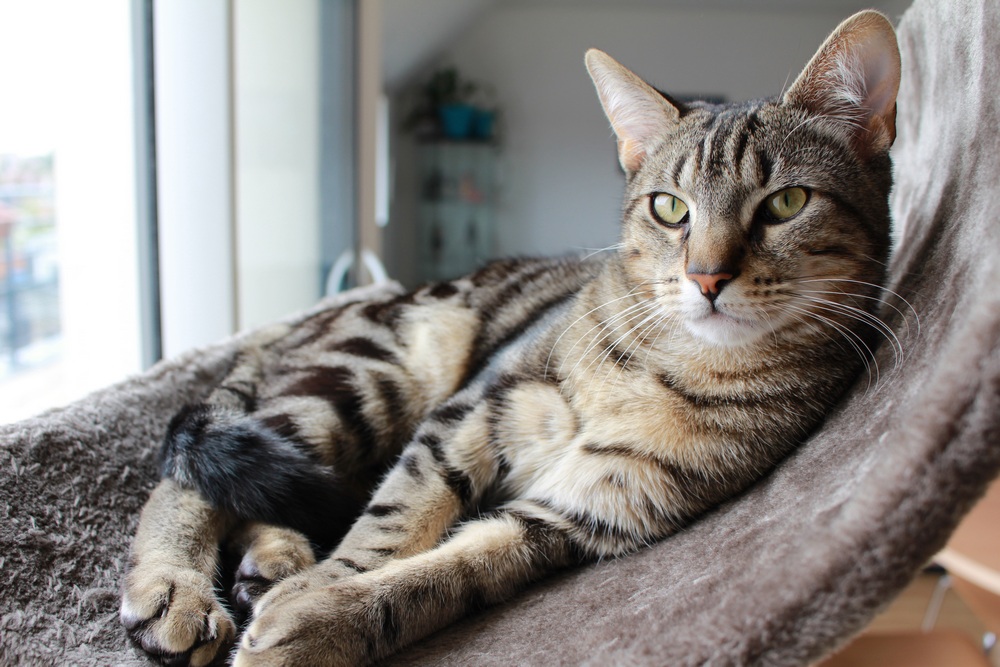
Differences in character
What cat behavioral surprises does a person who adopts a kitten encounter?
- Girls are much more affectionate—they love to be held and bring a special coziness to the apartment. Boys are more brazen, feeling like they own the house.
- In unfamiliar situations, or when confronted by other animals, the female feels less secure. Males are more aggressive and tend to defend their territory to the last inch of fur. Conflicts may occasionally arise between male cats and other pets.
- Female cats are more attached to their homes, while males are more independent. Driven by their sexual instincts, they are prone to attempts to escape. A cat may slip out the door or jump from the balcony unnoticed by its owner.
- The characters of males and females differ literally from the first days of life - female kittens behave more playfully, while male cats are calmer and more prone to laziness.
- Girls often become attached to all family members. Boys usually choose one owner and, when separated from them, feel very lonely and experience real stress.
- Cats have a hunting instinct, but it's more prevalent in females. A male cat will often calmly watch a mouse scurry around the house, while a female cat will usually catch the prey and bring the "gift" back to its owners.
- Due to her maternal instincts, a female prefers to interact with children. Therefore, it's better to bring a female into a home with a child.
All the pros and cons of feline behavior are stereotypes. How an animal behaves and what character traits it displays depends largely on its upbringing and the people's attitude toward it.
Physiological features
When buying a pedigree kitten for breeding purposes, it's best to choose a male. With a good pedigree, finding a female partner for a male is easy. A pedigree cat owner receives a handsome fee for mating their pet with a female, as well as one or two litter-trained kittens, which usually sell for a good price. Furthermore, the owner doesn't have to care for the pregnant female, participate in the birth, raise, or vaccinate the kittens. With females, things are more complicated—the breeder assumes all care of the expectant mother and kittens.
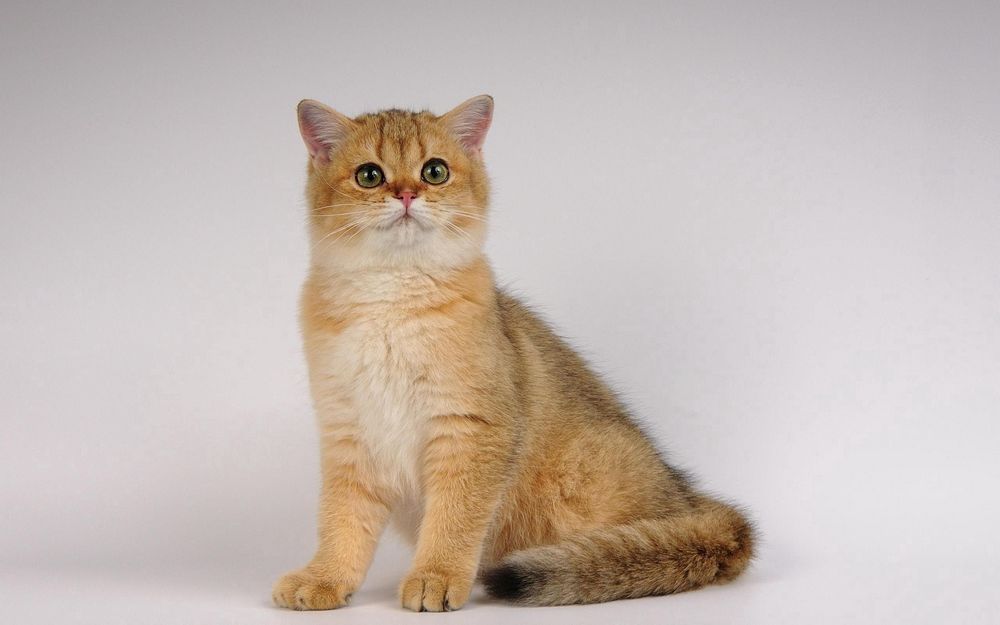
On the other hand, a breeding male also presents a significant challenge. He is more aggressive and often requires a separate room for housing. And to ensure a successful mating, constant promotion of his appearance is necessary, as evidenced by participation in expensive shows.
If an animal is purchased for the soul, physiological differences do not present any particular problems in the case of sterilization:
- A cat's first heat cycle occurs at 4-6 months. It's best to have the surgery done by this time. Delays can sometimes lead to reinforcement of the instinct, especially if the owner was inattentive and conceived and gave birth to kittens. Even after spaying, the female will periodically cry loudly and protractedly, calling for a male.
- Male cats are neutered later, at one year of age. Missing the mating period can also have consequences—despite neutering, males often continue to spray. One of the downsides of keeping an unspayed male cat is the strong scent of the spray, which is very difficult to remove.
Animals not intended for breeding must be spayed or neutered. Otherwise, female cats develop a host of health problems as they age, while male cats can gain excess weight and suffer from urolithiasis.
Females have a physiological advantage, including their smaller size. Keeping a female cat is more economical, as she weighs less and consumes food more economically.
Based on their physiological and personality traits, it can be concluded that the ideal pet is a spayed female. She readily interacts with children, is affectionate, and is not prone to escape or aggression. Males are more suitable for single people who value their independent nature.
The choice is also influenced by the animal's appearance. Male cats tend to have a more pronounced breed-specific appearance. However, females have a more varied coat pattern due to the extra X chromosome. This is why tortoiseshell females are common, while calico males are rare. Statistically, the incidence of such cats does not exceed 0.1%.
Conditions of detention
It's believed that a female cat who doesn't mark, rarely asks to go for walks, and is calmer is more suitable for an apartment. For a private home, it's better to get a male cat who enjoys active outdoor play. For a large family with children, an affectionate and outgoing female cat is ideal, while an independent male is preferable for single people who spend a lot of time outside. However, breed plays a role in the choice, in addition to gender:
- The Toy Bobcat is practically not prone to aggression and has a stable psyche, which is why it is recommended as a companion for children with special needs.
- People with irregular work schedules are better off choosing calm Scottish Folds, British Shorthairs, or Russian Blues. Scottish and British Shorthairs are too lazy to be bothered by their owner's absence for long periods.
- Hairless Sphynxes' comfort depends on the room temperature. They prefer to live in an apartment with central heating.
- Due to their impressive size, Maine Coons require ample space to play. Therefore, a large apartment or country house with a substantial yard is ideal for them.
- The Bengal cat's personality can be compared to an energy drink—it constantly requires vigorous exercise. A purebred pet will get bored in a city apartment.
- The Burmese thrives in both the outdoors and the city. The breed is not prone to escape and prefers to be carried.
If the family already has pets, it is better to choose a female, as males prefer to dominate and will constantly provoke conflicts.
So who is better - a boy or a girl?
The comparative table summarizes the main advantages and disadvantages of choosing cats by gender:
|
Characteristics |
Boy |
Girl |
|
Temperament |
Independent, often prone to aggression |
Calmer and more affectionate |
|
Tendency to escape |
Occurs frequently, especially during the period of sexual hunting |
Prefers home comfort to freedom |
|
Accommodation in a private house |
Preferred because he loves walks |
Suitable for a country house and apartment |
|
Communication with children |
More often shows indifference |
Plays with kids willingly |
|
Attachment to a person |
Usually chooses one family member, in whose absence he misses very much |
Feels equal affection for the entire family |
|
Tags |
They have a strong, unpleasant odor that is difficult to get rid of. |
The "aroma" is less pronounced |
|
Health |
After castration they often gain weight and are prone to urolithiasis. |
Without sterilization they are highly susceptible to chronic diseases. |
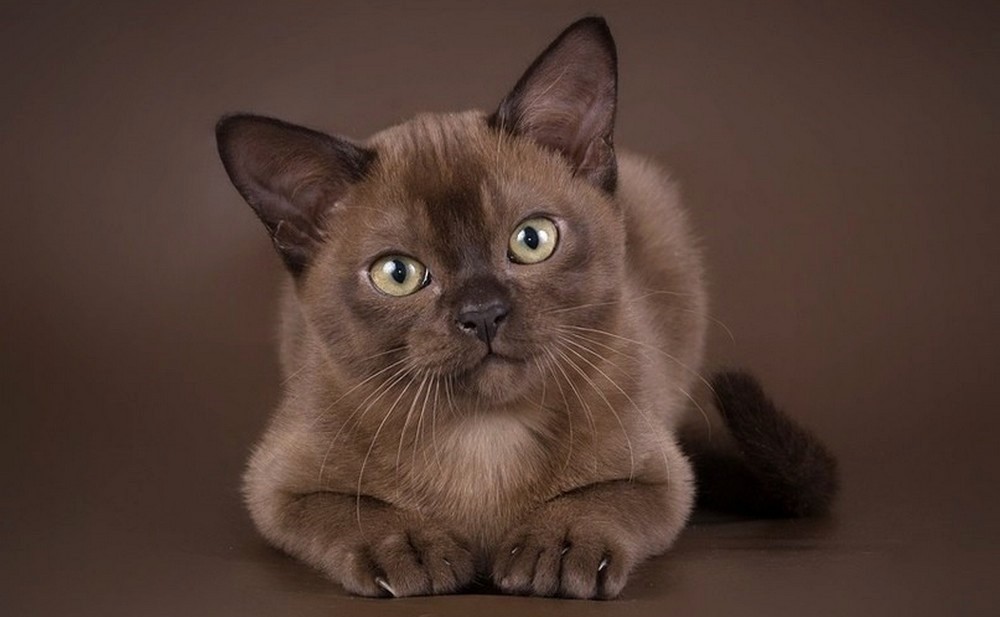
It's difficult to say with certainty how a feline will behave as it matures. However, according to cat owners, a male cat is more suited to companionship, while an affectionate and friendly female cat is ideal for a cozy family atmosphere.
Read also:


Add a comment