
When do puppies open their eyes?
The mother usually takes on the primary responsibility for caring for newborn puppies, but the owner also needs to be involved in the care of the puppies. They must provide safe and comfortable living conditions for the canine family and monitor the puppies' development so that prompt intervention is taken if it doesn't meet generally accepted standards. This requires at least a basic understanding of canine anatomy and physiology, and the age at which puppies should open their eyes, begin to hear, and learn to walk.
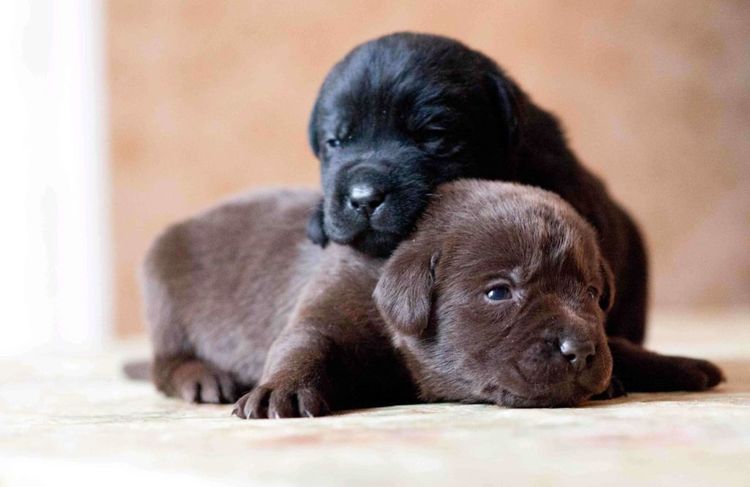
Growth and development
Newborn puppies are blind and deaf; their sense of smell, skin temperature, and vestibular function are all functional. Using these senses, they locate their mother's nipples, navigate their movements by crawling, and try to cuddle together for warmth. This period in dogs is called physiological arousal. Most puppies open their eyes 1.5 to 2 weeks after birth. These are approximate dates; a difference of a few days is not considered abnormal and does not affect their subsequent development.
To some extent, the developmental pace of newborn dogs, including the time of their first sight, depends on the specifics of their mother's pregnancy. According to veterinarians and dog breeders, post-term puppies develop somewhat faster in the perinatal (postnatal) period than their counterparts born on time or prematurely. Neither the newborn puppy's weight nor its breed influences the duration of this physiological awakening period: a large St. Bernard puppy and a tiny Chihuahua develop at the same rate.
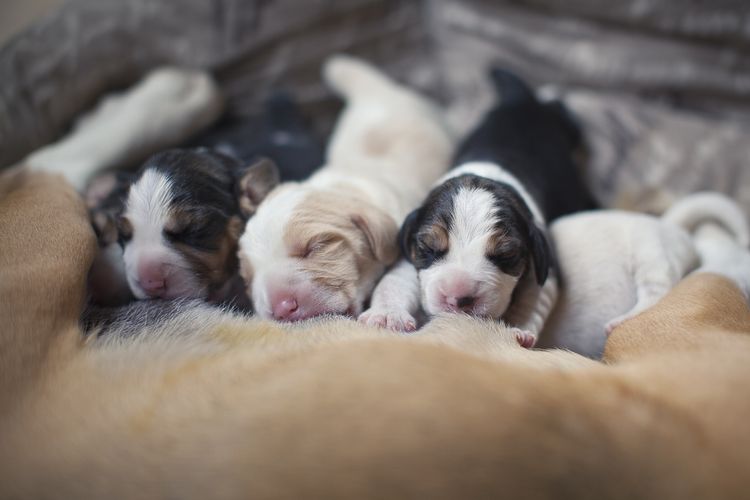
The eyelids of newborn dogs are underdeveloped, and the eyes often open one or two days apart, rather than both at the same time. Initially, a narrow slit appears in the lower corner of the eye, which widens as the eyelid moves upward. When the puppy's eyes fully open, it is initially only able to distinguish light from dark. Only by the end of the first month of life does it begin to distinguish the contours of objects and see the world in the same colors and proportions as adult dogs.
Cause for concern
The following disturbances should cause concern during the period of eye eruption in puppies:
- The dog's eyes did not open 3 weeks after birth,
- severe lacrimation is observed,
- the puppy's eyelids or conjunctiva are inflamed,
- The puppy's eyes are festering.
If you notice any of these symptoms, be sure to take your puppy to the veterinarian. They will examine the puppy and determine the cause of the illness. In the case of inflammation (blepharitis or conjunctivitis), the veterinarian will prescribe eye rinses with freshly brewed warm tea, chamomile, calendula, St. John's wort, or a furacilin solution. If necessary, the puppy may be prescribed antibacterial and anti-inflammatory medications. eye dropsOphthalmic medications are used for dogs. Tsiprovet, Gentaline, Ophthalmostop, Trixie.
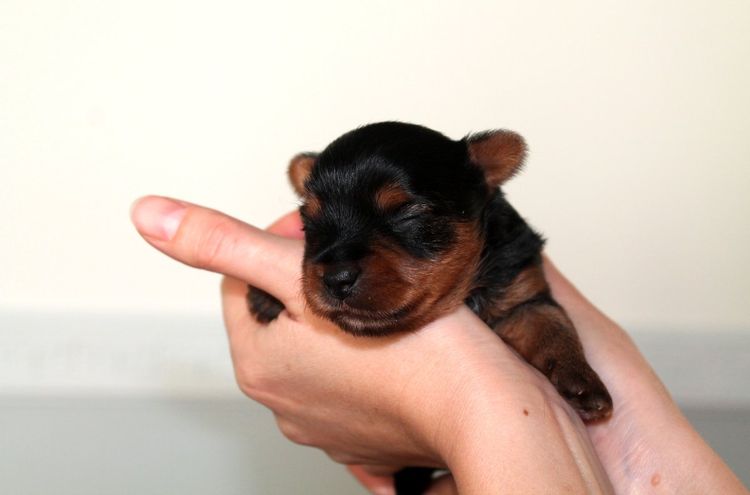
Sometimes, when examining a puppy, a congenital condition called fused eyelids is discovered, where the edges of the upper and lower eyelids are connected by a thin strip of skin. Dog breeds with facial folds are prone to this condition: Shar Pei, pugs, bulldogs, mastiffs, bloodhounds.
Eyelid fusion is considered normal if it resolves spontaneously by two weeks of age. However, if the puppy's eyelids do not separate after this age, surgery may be necessary. The animal's eyelids are anesthetized with novocaine and carefully incised along the fusion line. To prevent them from reattaching, the eyelids are lubricated with boric petroleum jelly for several days.
In any case, even if the puppies' eyesight has been restored on time and appear healthy, they should be protected from excessively bright light during the initial period of visual adaptation. The eyelid muscles of young dogs are still underdeveloped and cannot effectively protect the eyeballs from harmful influences, while the lacrimal glands are not yet capable of secreting enough fluid to cleanse the surface of the eye and prevent the cornea from drying out.
Read also:
- Up to what age is a dog considered a puppy?
- False pregnancy (pregnancy) in dogs
- Dog pregnancy in detail, day by day


Add a comment