
When can I take a kitten away from a cat?
Cats are common pets, loved by both children and adults. When buying a furry bundle, consider its age; a kitten should be removed from its mother when it's ready for independent life.
Content
When can you separate a kitten from its mother?
It's important not to wean a kitten from its mother too early. If it reaches you with insufficient breast milk, it will have a weak immune system and an immature digestive system.
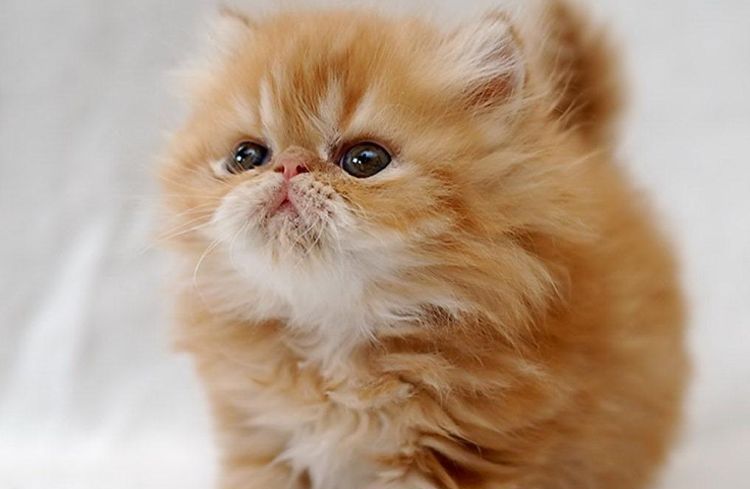
By 1.5 months, kittens are already quite independent but still require care, so 12 weeks is considered the appropriate age. During this period, the little "fluffy ones" eat solid food, hunt, and lap up milk from a saucer. Well-mannered cats, by 3 months, train their offspring to use a litter box.
Undoubtedly, kittens are at their cutest at 6-8 weeks. They're tempting to cuddle and hold them constantly. However, such early separation from their mother can be very stressful. This is due to the kitten's gradual development.
Kitten development from 0 to 12 weeks
To understand when it's time to take a kitten away from its mother, it's important to understand the developmental stages. Attentive owners consider all factors affecting the immune and digestive systems.
First week
A newborn kitten weighs 100 grams, reaching 200 grams by the first week of life. Kittens are born in a sac, which the mother licks clean, completely cleaning the newborn. The umbilical cord dries completely and falls off by the fifth day, but by this time the kitten is unresponsive to external stimuli and is practically motionless. Its entire diet consists of its mother's milk.
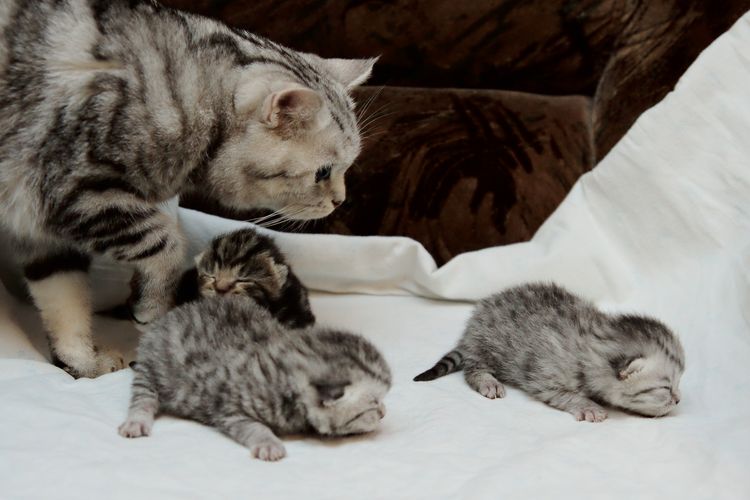
Breastfeeding plays a significant role in animals. Milk is rich in antibodies and other nutrients essential for development. By 2 weeks, babies eyes open, but the main guide remains the smell of the cat's breast milk.
Interesting fact: kittens are able to smell their mother from a distance of up to 70 cm from the first week of life.
During this period, avoid disturbing the family, removing the kittens from the box, or trying to help them open their eyes. Maintain a warm, draft-free environment in the kitten's home.
Second - third weeks
By two weeks, the kitten's weight reaches 250 g, hearing improves, and mobility skills develop. Kittens are able to move toward their mother and respond to sounds. The first successful steps appear at 18 days old, and their eyes begin to see by the beginning of the third week.
During this period, you should not take it out boxes Kittens are just learning to communicate with each other and with the mother. Communication and play skills develop by the seventh week. If you have children in the house, teach them to respect animals and not disturb the kittens unnecessarily.
By three weeks, kittens weigh 350 g. They can see, but they can't tell the distance to objects, so they stumble. Their first teeth are emerging, they're learning to play, and now you can help them with this.
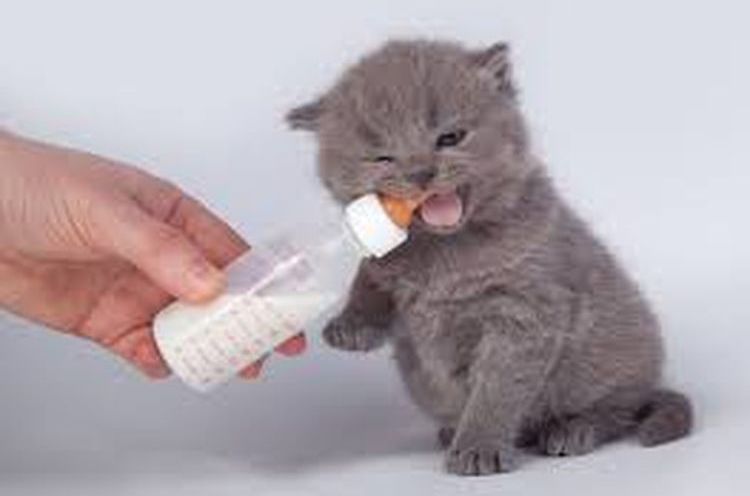
Despite the appearance of the first teeth, kittens should not be taken away from the mother for a long time, they will search for her and “cry”.
Four to five weeks
At four weeks, the first deworming treatment is administered. By this time, 25 teeth have emerged, and kittens are trying new foods and drinking water. By five weeks, kittens will learn to groom themselves. It's important to monitor their diet and health.
6–10 weeks
This is a period of active growth and acquisition of essential skills. By 10 weeks, all vaccinations are completed. Keep an eye on the kittens to ensure they don't eat poisonous flowers or chemicals.
At 10 weeks, a kitten is already quite independent and easily trained. During this period, litter training begins, if the mother hasn't already done so. Avoid yelling, as this can cause the kitten to become aggressive.
During this period, it's possible to take the kitten away, but it's not advisable. It's no longer dependent on its mother, but it's only well-oriented in its familiar surroundings, so moving would be too stressful.
When is the right time to take a kitten to a new home?
12 weeks (3 months) is the ideal age to hand over a kitten to its new owner. The kitten is already food and litter-trained, has a distinct personality, and is independent of the female cat. Thanks to its curiosity, it will quickly settle into its new home and become its "master."

Don't believe the myth that kittens adapt to a new home and bond with their owners more easily at an early age. At 12 weeks, a kitten will understand its surroundings more quickly and become comfortable in its new home. The more you pet it, the more attached it will become.
A three-month-old kitten can:
- communicate with relatives;
- eat solid food;
- he is adapted to social behavior and is litter-box trained;
- completed the full course of required vaccinations.
Therefore, if you want to get an active, healthy and independent kitten, you can take it away from the mother only after 3 months from birth.
Read also:
- When and what vaccinations should kittens receive?
- What to feed a 3-4 month old kitten
- What to do if a kitten doesn't eat anything


Add a comment