
When can you touch and hold kittens?
Handling kittens immediately after birth and during the first two weeks of life is not recommended, as it can cause injury, infection, and stress. Handling newborns is permitted only in extreme cases, to avoid upsetting the mother. However, starting at two or three weeks, socialization begins, with close contact with humans, including petting, carrying, and sitting on laps.
When you shouldn't pick up a kitten
Veterinarians are confident that touching newborns won't harm them. However, immediately after birth, it's best not to touch kittens unless there's a serious reason—a serious condition with no breathing or movement. If a kitten is inactive after birth and doesn't nurse, emergency care is required, which should be provided by a veterinarian. In this case, touching them manually is essential.
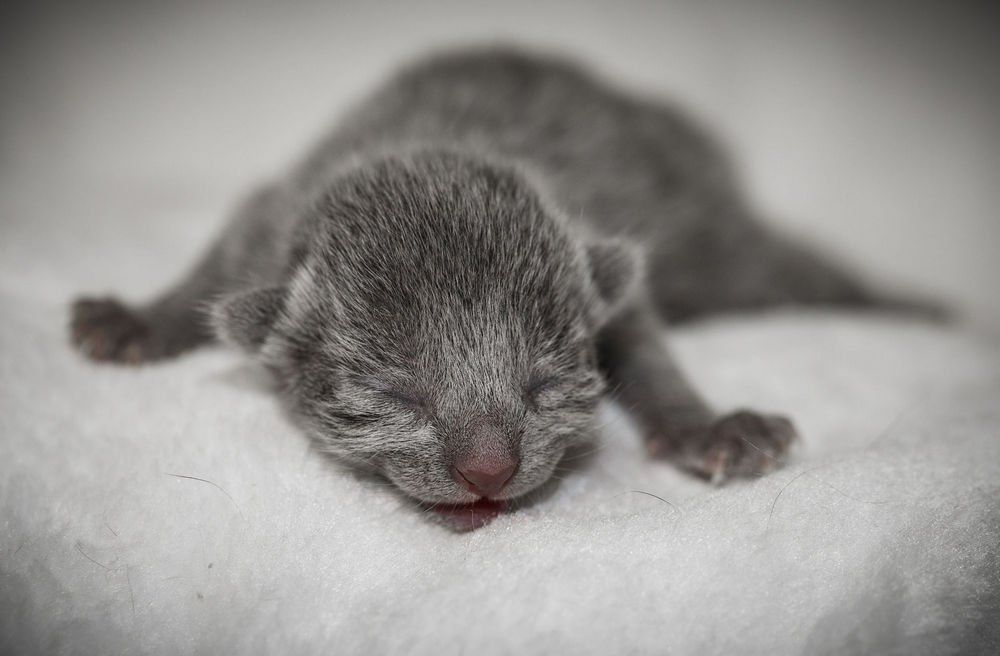
Why is it not advisable to pick up fluff balls during the first week of life, before their eyes open?
- In the first days after giving birth, a cat's maternal instincts are very strong. When her offspring are handled, the pet experiences intense anxiety, even leading to mental instability. If severely distressed, the cat may reject her puppies, becoming indifferent and even aggressive.
- When babies are born, their skeletons are not fully formed. A careless movement can break or deform a bone.
- Newborns are constantly near their mother; she leaves her bed only for two reasons: toileting and feeding. The mother is absent for only a few minutes, as the kittens need her body heat. A baby will feel uncomfortable in its owner's arms, as human body temperature is several degrees lower than a cat's.
- A weak body is less susceptible to illness. A person can unwittingly infect a small pet with a bacterial, fungal, or viral infection.
Picking up a baby before they've opened their eyes and are feeling stronger can easily trigger stress, which can be indicated by nervous breathing and heart rate. It's best to refrain from showing curiosity and postpone the introduction until later.
There's a popular belief that abandonment of a kitten can occur if the mother detects a foreign scent and mistakes it for hostility. This assumption is a myth; a cat has an excellent sense of smell and will never mistake the scent of her kitten for that of a stranger.
When is it okay to touch?
From the second week on, light touching is allowed once a day to check the kittens' weight and condition, and to determine their sex. If the mother objects, contact should be kept as brief as possible—she should also be kept from becoming nervous, so as not to lose milk. When anxious, a mother cat will often move her kittens to a secluded area where the owner won't disturb the family. Only when she completely trusts humans will the cat allow contact with her babies.
When in contact, it is necessary to adhere to general rules:
- Before touching, be sure to wash your hands or use clean gloves;
- It is advisable to stroke the mother and the kitten in turn, passing on their scent;
- You can pick up your pet when it gains weight and gets stronger - usually this time comes 2-3 weeks after birth, simultaneously with the formation of good immune protection.
It's important to remember that every puppy is unique. It's best to consult with a veterinarian first, who will examine your puppy and determine whether they're ready for socialization.
How to pick up
According to felinologist Yulia Ivanova, author of "How to Live with a Cat," it's important to use a special technique to properly pick up a cat:
- Using clean hands, lift the kitten from its bed. Place one hand under the kitten's chest and front paws, and the other under its bottom. The kitten's back should remain straight.
- Gently press the body to your chest for a feeling of security and comfort.
- Keep it for no longer than 3-5 minutes so that the baby does not become restless and does not feel cold.
- If the kitten shows anxiety, squeals and resists, do not restrain it; it is better to return the baby to the playpen.
In the first weeks of a baby's life, more attention needs to be paid to creating optimal conditions for their growth and development.
Home care
To prevent your cat from becoming nervous and to reduce the amount of disturbance your family members can cause to the newborns, you should provide your pets with maximum comfort:
- Before the birth, set up a comfortable area like a playpen with low sides that will limit the space for the kittens and will not interfere with the mother's movement.
- Move the litter box and bowls closer to the playpen so that the babies are constantly under their mother's supervision.
- Explain to your own children that they can’t pick up the furry little ones yet.
- Keep the room clean.
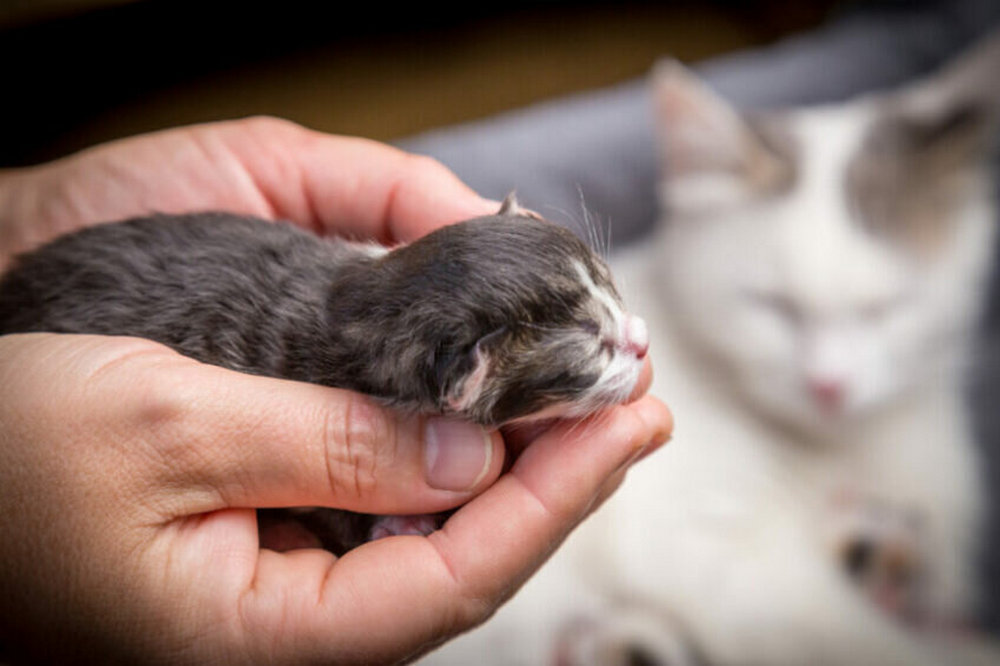
The skeleton is fully formed by six months, but you can carry your baby in your arms and sit on your lap from about three weeks. The body is still quite fragile, but the risk of fractures is significantly reduced. Careful handling will not harm your baby's health.
By this time, the kitten's eyes are already open, and socialization begins, becoming accustomed to human handling, human appearance, and the litter box. Kittens imitate their mother's behavior—learning to wash themselves, use the toilet, and taste special food. At 2-3 months, these furry bundles are already actively playing and interacting.
Immediately after birth and for 2-3 weeks, avoid disturbing the kittens. The mother will care for her kittens well, keeping them clean and feeding them her milk to their fill. Excessive curiosity can cause anxiety in the mother, and careless handling can lead to health problems in the kittens. It's best to wait a little while for the kittens to get stronger before introducing them to other small pets.
Read also:
- My cat is afraid of everything and hides: what to do?
- Why do cats smell delicious?
- Why does a cat follow its owner around?


Add a comment