
When can I start walking my puppy?
You can start walking your puppy from the first days of its life in its new home. However, walks are only permitted if the owner has taken all necessary safety precautions for the pet. Vaccinations are essential, along with special equipment and a comfortable walking schedule. This will allow for fun time outdoors without the risk of infectious diseases or injuries.
Content
Age suitable for first walks
The age at which an owner can take their pet for walks depends on the growing dog's strength. A young puppy has little protection against infections. Their immune system is underdeveloped, so it's best not to expose them to unnecessary risks of infection.
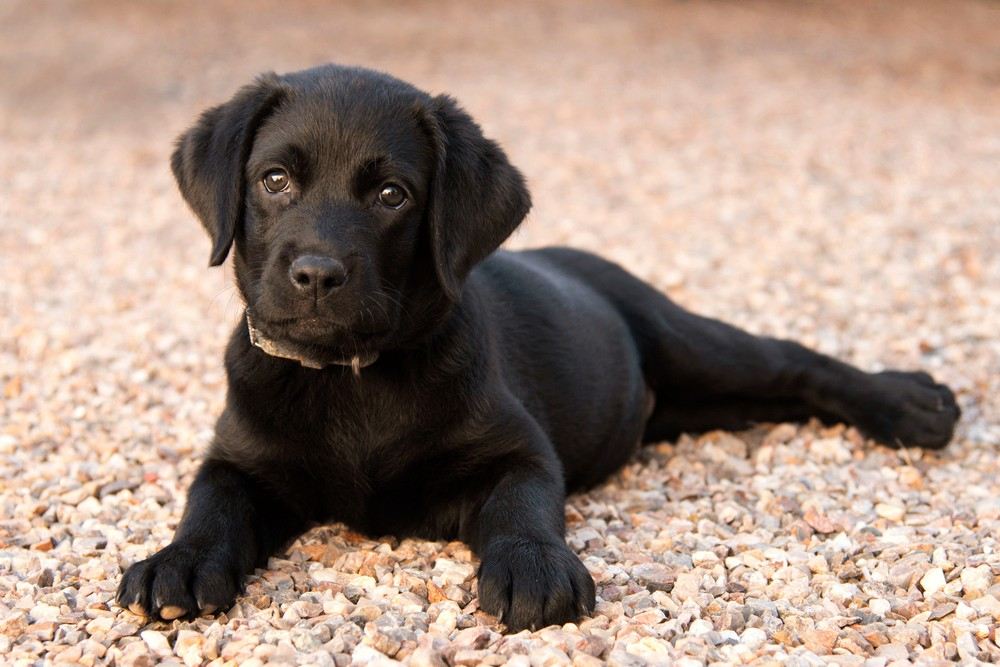
Sometimes owners acclimate their babies to the outdoors in advance, taking them outside in carriers or in their arms, or in winter, wrapping them in a warm blanket. The walk should last no more than fifteen minutes. This practice is truly beneficial, as the pet gradually gets used to the new environment and becomes less frightened by traffic noise.
During this period, it is important to avoid contact with strangers and other animals to avoid infection!
The first vaccination is administered at 9-10 weeks of age. However, the age limit for walks has not yet been reached – the puppy can only be taken for walks after the second vaccination, when its immunity has sufficiently strengthened. A booster vaccination is recommended 2-3 weeks after the first. A further 14 days of quarantine are required. During this time, the puppy is especially vulnerable to bacteria and viruses. Taking it outside is not recommended – if it becomes infected, its body may not be able to fight off the illness.
This means the age at which a puppy can be fully walked is 3.5 months. Dog trainers advise against wasting this time. At 2-3 months, a puppy is already intelligent enough to begin learning the necessary walking commands.
Preparing for the festivities
When a puppy ventures out into the yard on its own for the first time, it experiences stress. This can lead to panic – the animal tries to quickly get rid of the leash, yelps, and falls to the ground. Therefore, it's important to accustom your pet to the collar in advance, as well as to vocal commands, which will have a calming effect in unfamiliar surroundings.
How to train a dog to a leash:
- You need to wave a piece of treat in front of your pet's nose.
- Hold a treat in front of your muzzle, slowly moving back or to the sides.
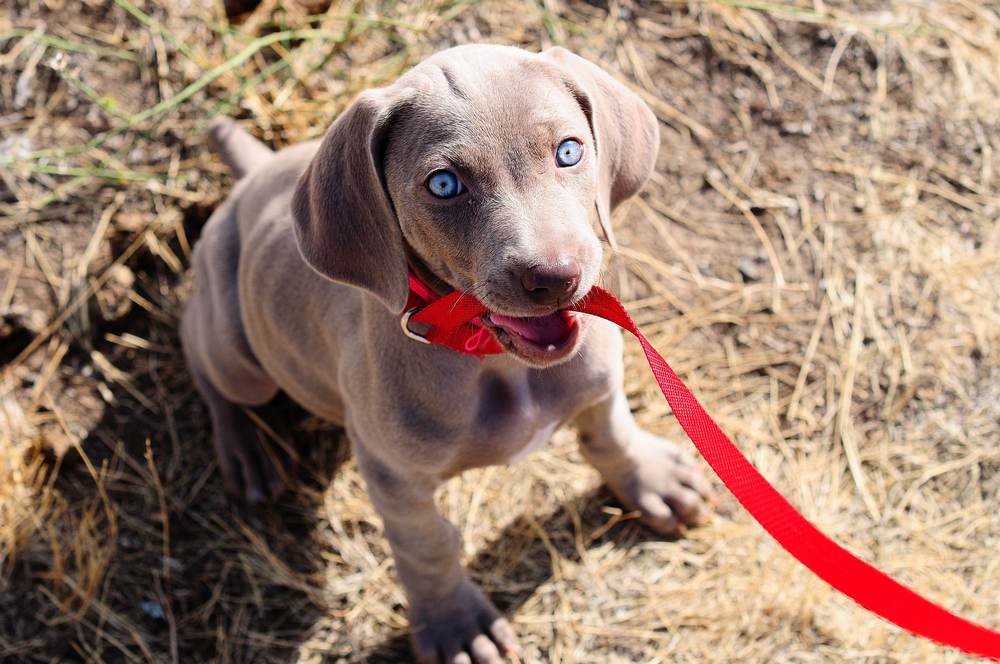
It's important to ensure that the baby follows closely behind its owner. Ideally, it should be level with the hip.
- Initially, training is conducted without a collar to avoid distractions. Once the skill is established, harnesses can be used.
- The collar is put on for 3-5 minutes.
- When the animal resists, its attention is distracted with toys, treats, and affection.
- They train every 2 hours, gradually increasing the time.
After a few days, the little one gets used to the harness and stops being afraid. Usually, it takes no more than a week for adaptation, but for some animals, this isn't enough time, so you'll need to be patient.
Much depends on the quality of the equipment. The leash and collar should be made of durable materials that can withstand tug-on-whip, taking into account the puppy's height and weight—they shouldn't restrict movement.
During the quarantine period, you should teach your child one of the the most important commands "To me":
- from a short distance they give an order by patting their hand on their thigh;
- If he approaches, they treat him with a treat;
- They train every day, increasing the distance.
Outside, the puppy will encounter strange smells and sounds that distract from the command. Therefore, the training will need to be repeated outdoors. However, since the training was already learned at home, the skill will be reinforced quickly. It's best to train in a quiet place, away from heavy traffic and large crowds of passersby.
The "Come" command should be associated with positive emotions. Until the command is mastered, don't let your pet off the leash. An untrained puppy may run away and get lost.
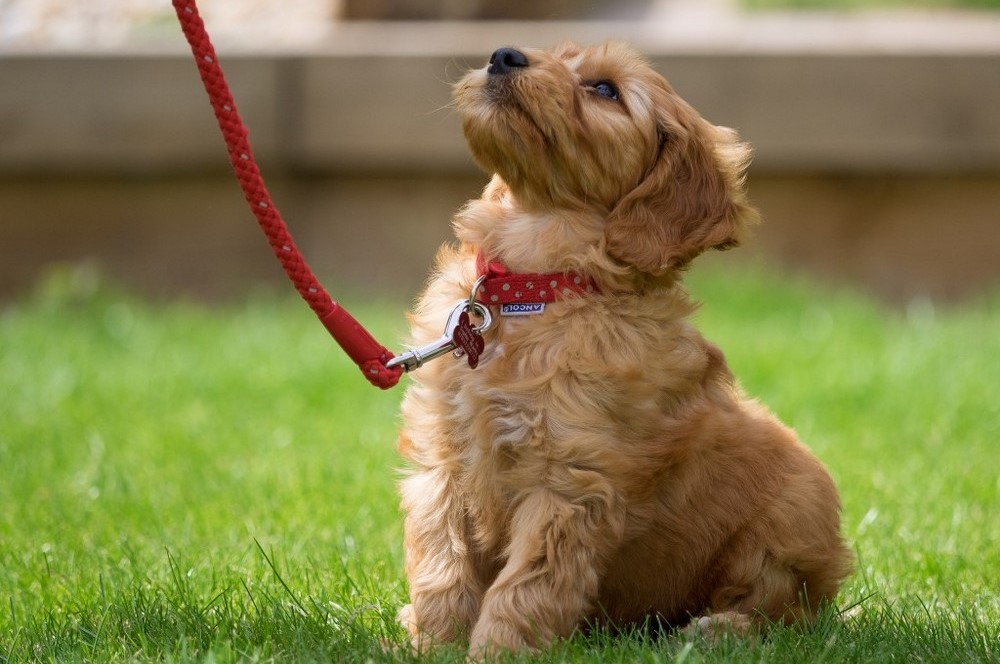
How to take your dog outdoors for the first time
To ensure your puppy starts going outside without fear, you need to carefully plan the first walk:
- You need to decide on a route in advance, choose a yard away from roads, playgrounds, and special areas for dogs.
- The walk lasts no more than 15 minutes. The main goal is to teach your dog to walk on a loose leash and respond to its name.
- It's not recommended for dogs under 4 months of age to climb or descend stairs. It's best to carry the puppy up and down stairs in your arms. Failure to do so can result in a rear-leg stance defect.
What to do when your puppy is afraid to go outside:
- frightened, the pet refuses to go forward, whines, and looks around in confusion;
- you need to gently pull the leash towards you, showing confidence, but without making any sudden movements;
- Every step toward the owner should be accompanied by praise. It's great to have a treat with you—it's given as a reward to the animal that has overcome its fear.
Another problem that arises during the first few outings is barking. The puppy will enthusiastically bark at anything that moves—other animals, passersby, cars. What should you do to prevent this bad habit from becoming ingrained?
- When a moving object appears in the dog's field of vision, you should call out to your pet and wait for visual contact with it;
- call him over and treat him to something tasty, and continue the walk;
- If a car, animal or person appears, repeat the distracting maneuver.
Soon, the little four-legged friend will stop barking at every movement and will focus more attention on the owner. Gradually, a calm response will become a habit, without prompting from the owner or rewarding with a treat.
Toilet training
Before their first outing, your puppy will pee on a pad. Eliminating outside is a new and unfamiliar experience. At first, your pet will seek out the familiar pad out of habit, so don't immediately eliminate the indoor litter box—otherwise, you'll have to periodically clean up puddles and messes from the floor. Getting your puppy used to urinating on the lawn will take time, and you'll need to be patient.
How to properly train your dog to use the toilet outside:
- It is important to determine the optimal walking schedule and stick to it consistently.
- It's best to take your dog for a walk after waking up or a quarter of an hour after eating. At this time, the dog's bowels and bladder are full, and it experiences a strong urge to defecate.
- If the puppy is afraid to sit down in front of the entire yard, it is necessary to take him to a secluded, quiet corner.
- Don't scold your pet for making a puddle indoors. Gradually, he'll understand that he should only eliminate outside.
Problems with bowel movements in the house continue until the animal is a year old. The problem is caused by weak pelvic floor muscles, making it difficult for the little one to resist the urge to go to the toilet. Learn more about... How to train a dog to go potty outside You can read it here.
Convenient walking schedule
What is the best routine for babies?
- Cynologists recommend walking dogs 5 to 8 times a day until they are six months old.
- The regime is drawn up taking into account sleep and meal times.
- After 6 months, the intervals between walks are lengthened, gradually transferring the four-legged friend to the schedule of an adult dog.
- Once the puppy gets used to holding back the urge to go to the toilet, the owner decides what is more convenient – to walk it before or after eating.
- For an animal older than 1-2 years, 3 walks per day are enough - early in the morning, at lunchtime and in the evening.
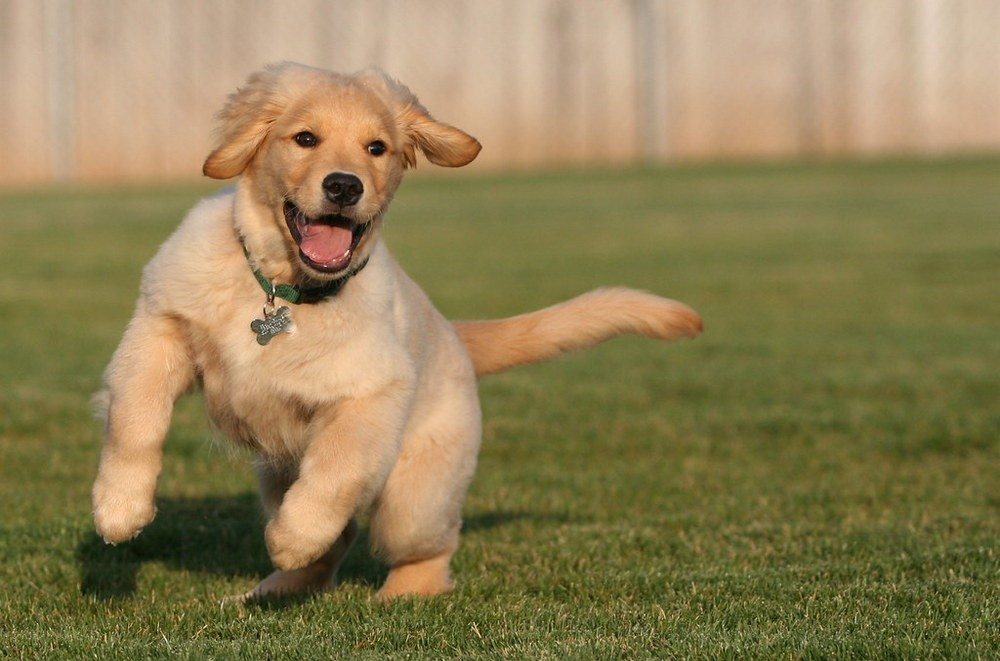
Two- to three-month-olds are taken outdoors for only 15 minutes, while six-month-olds are allowed outside for only 15 minutes, depending on their physical activity. It's not recommended to take them for walks in severe frost, as this can cause genitourinary and respiratory problems. Walking on paths treated with chemicals is dangerous, as the chemicals irritate the skin of their paws and toes, and can be ingested when chewing fur.
What the owner should remember during the first walks
When deciding to get a dog, a person should carefully study the rules, including the age at which a puppy can be taken for walks and how to train a pet to be outdoors. To benefit from this knowledge, it's necessary:
- Participate in games. Don't allow your pet to cuddle at your feet; instead, engage it in games and exploration. Training that involves jumping obstacles or long runs is not recommended; heavy loads and jumping are prohibited until the puppy is 4-6 months old.
- Use a leash to control the dog. Direction must be given and behavior must be corrected by adjusting the leash tension. Sudden jerks and dangling are strictly prohibited.
- Provide socialization with other animals. Introduce your puppy to other animals by bringing him to a special area for just 10 minutes. If the interaction lasts too long, he becomes overexcited and his obedience level declines.
- Continue training while out for a walk. Training in the presence of stimuli strengthens the animal's psyche.
- Maintain a regular walking schedule. Taking walks outdoors at a consistent time each day reduces anxiety and normalizes gastrointestinal function.
- Behave calmly. Don't raise your voice if your baby doesn't obey your commands. Persistence and patience are sufficient.
https://youtu.be/4UdywVLA8k0
The first outdoor walks begin at 3.5 months, when the puppy has received two vaccinations and has mastered simple commands. Walks should ideally be no more than fifteen minutes long, 5-6 times a day, while continuing training. Exercise should be increased gradually to avoid causing musculoskeletal problems. This will ensure your four-legged friend grows up healthy and strong, becoming a reliable companion for many years to come.
Read also:
- How to teach a dog the "Heel" command
- ZKS for dogs: what is it?
- How many times a day should you walk your dog?


Add a comment