
When is it better to feed a dog: before or after a walk?
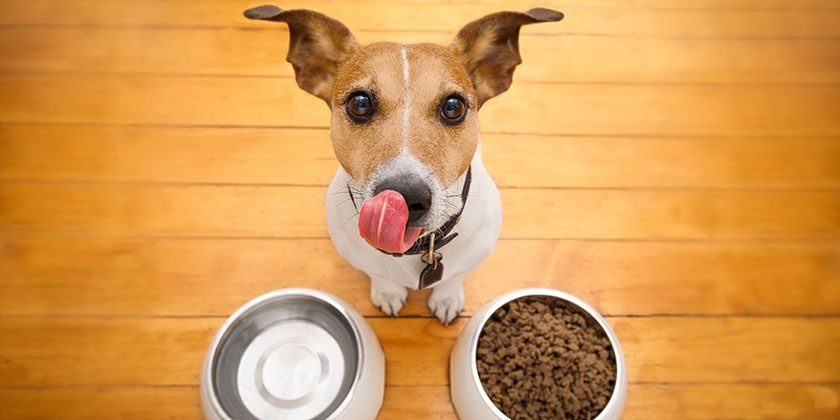
Dogs are typically walked 2-3 times a day and fed 1-3 times, depending on their breed, level of exercise, and age. Knowing whether to feed a dog before or after a walk can help determine whether to feed it before or after a walk: both during digestion and during active walks.
How does the digestion process work in dogs?
When mammals digest food, proteins are broken down into amino acids, fats into fatty acids and glycerol, and carbohydrates are converted into glucose. However, dogs' digestive systems don't work quite like humans'.
In humans, food begins to be exposed to enzymes in the mouth. In canines, the enzymes needed to break it down are found only in the stomach and intestines. Dogs cannot digest the coarse fiber found in whole grains, many vegetables, and legumes—their intestines are much shorter than ours, and their bodies don't have enough time to fully digest these foods.
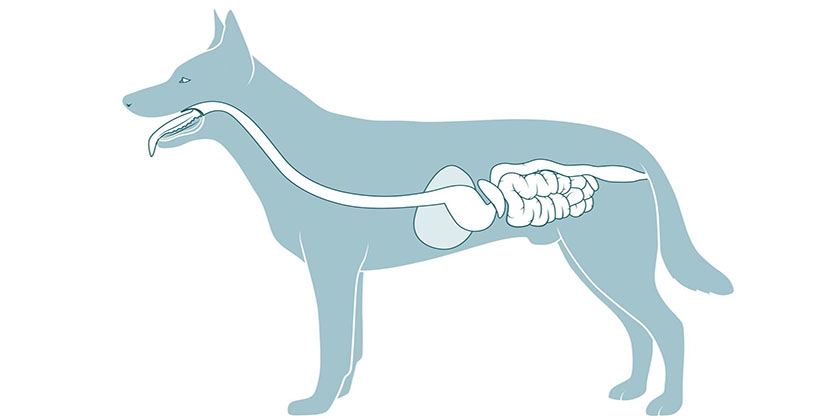
In dogs, food is crushed by teeth, mixed with saliva, passed through the esophagus, and into the stomach. From the stomach, the semi-digested food, processed by digestive juices produced by the cells of its mucous membrane, is transferred in portions by wave-like muscle contractions to the small intestine. There, enzymes further break it down and absorb nutrients.
How to combine feeding your dog with walking
The digestive process in mammals is quite complex, with the gastrointestinal tract, liver, and pancreas all involved. And since more blood is directed to the working organs, the strain on the cardiovascular system also increases. the animal goes outsideTo run, jump, play, and explore interesting smells, a lot of energy is also spent on this.
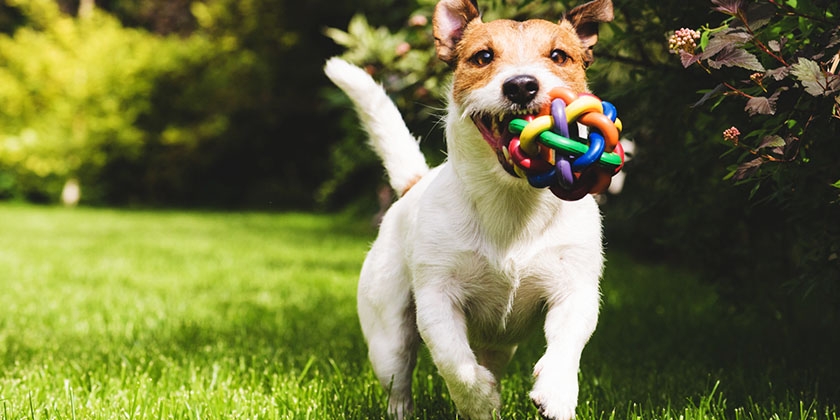
So, if your dog goes for a walk immediately after eating, its heart will have to work hard, and the food will take longer to digest. While this won't cause any harm in isolated cases, regularly overloading your dog's body can lead to health problems. Furthermore, on a full stomach, your pet is unlikely to be as active on a walk, even though exercise is essential.
The ideal option is to take your dog for a walk, let it rest for about 20 minutes, and then feed it. If you need to feed your dog before a walk, it's best to do so at least two hours beforehand. Exceptions are if your pet has a chronic illness or is undergoing intensive training—in which case, your daily routine can be tailored to your individual needs.
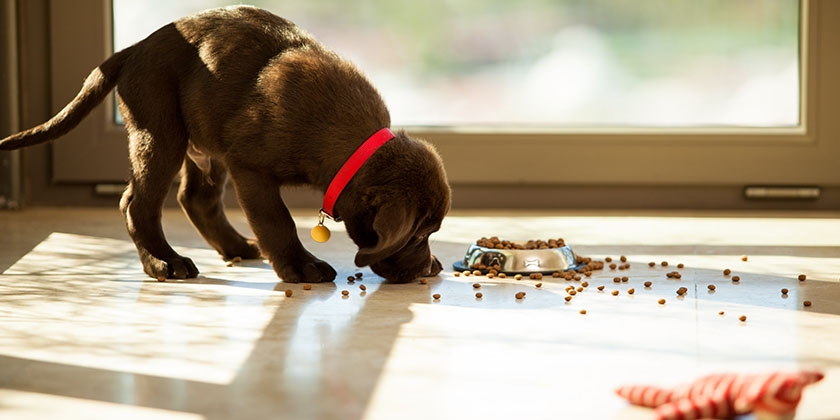
Young puppies can be fed 20-30 minutes before being taken outside. It's difficult to expect a three-month-old puppy to hold off on urination or defecation for long. Therefore, when potty training your puppy outside, you'll need to take it out frequently, trying to time it to relieve itself.
Many people, when deciding whether to feed their dog before or after a walk, assume that a hungry animal will have nothing to defecate with. This isn't true. Canines digest food slowly, taking many hours, and food eaten before a walk doesn't leave their intestines immediately.
Canines' stomachs are designed to digest large amounts of food at once. However, they should have significant intervals between meals. Veterinarians recommend feeding dogs twice a day; for some breeds, a single feeding is acceptable, during which the dog receives its daily food ration. Dogs generally don't urinate at night, and in the morning, their first priority is to empty their bowels and urinate, then quench their thirst and eat.
Read also:
- How to stop a dog from peeing and defecating in the house
- What you shouldn't feed your dog
- Feeding Dogs Porridge: Everything a Responsible Owner Should Know


Add a comment