
Ritis coefficient in dogs
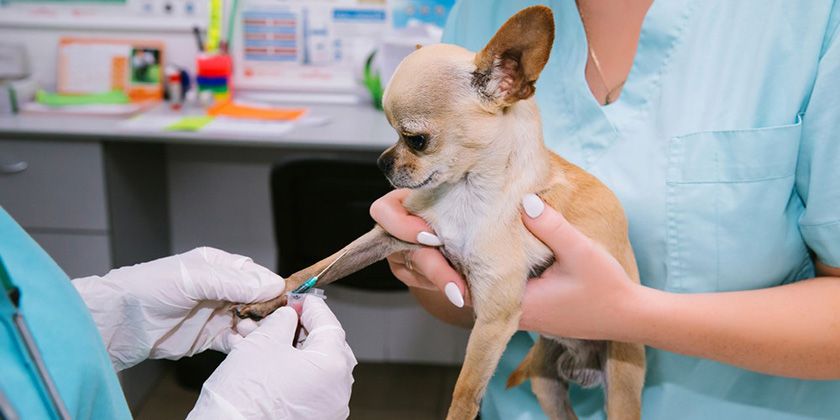
A biochemical blood test (BBC) helps to determine the functioning of systems and organs in dogs and cats, identify diseases, and monitor the effectiveness of treatment. A mandatory component of the study is the determination ALT and AST values, whose values are used to assess the functioning of organs such as the liver and heart. If their levels are low or high, all is not well. To determine the severity of the situation, the De Ritis coefficient is calculated.
Content
What is ALT?
ALT (ALaT) is a complex protein compound (enzyme) called alanine aminotransferase, which is found in liver parenchyma cells (hepatocytes) and is essential for amino acid metabolism. Small amounts are also found in kidney, heart, and skeletal muscle cells.
The enzyme is synthesized within cells, so its levels in the bloodstream are negligible. However, if the cell membranes of the corresponding organs are damaged, the level of transferase in the bloodstream increases, indicating problems. In some cases, ALT levels decrease, which also indicates the need for testing.
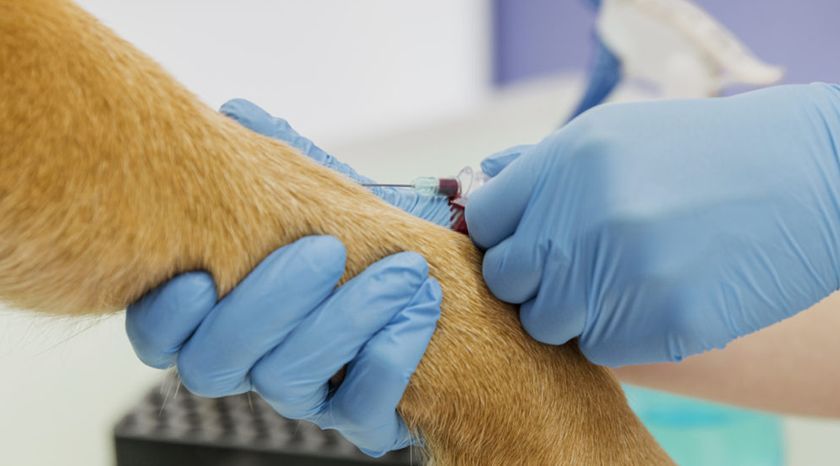
The reference, i.e. within the normal range, value of ALT in dogs is 9-52 units/l.
A 5-fold or greater excess of the norm is observed in 95% of cases of liver problems. Possible pathologies:
- infectious inflammation of the liver (hepatitis);
- inflammatory processes in the bile ducts;
- cirrhosis;
- neoplasms of various nature;
- traumatic injuries.
In addition to liver diseases, an increase in the amount of enzyme in the bloodstream occurs with diabetes mellitus, necrotic processes in the heart muscles, burns, pancreatitis, cardiovascular failure, shock.
Sometimes, a spike in blood pressure occurs during pregnancy, excessive exercise, and treatment with antibiotics and anti-inflammatory drugs. Service dogs, especially those involved in specialized activities, are at risk, as they are highly physically active.
Symptoms of elevated ALT:
- lethargy, reluctance to move;
- poor appetite, thirst;
- the coat is dull, there may be dandruff and itchy skin;
- nausea, sometimes vomiting;
- profuse salivation;
- dark urine, frequent urination;
- the feces are discolored or light gray, sometimes black, in color.

At the initial stage of the disease, no changes in the condition may be observed, so a preventative biochemical blood test can help identify potential problems.
Low alanine aminotransferase levels should also be addressed. A value below 9 U/L indicates a deficiency of B vitamins and active liver cell breakdown.
AST enzyme
Along with ALT, the main component of the enzyme aspartate aminotransferase (abbreviated AST) is synthesized in liver and heart cells, but is predominantly produced in the myocardium. A small amount is also present in kidney cells and skeletal muscles. Their bloodstream levels can be used to assess liver function, which is why both of these enzymes are called "liver enzymes."
The reference value for AST in dogs is 11-42 U/L.
If a pathological process begins in the liver tissue, the enzyme's release into the blood increases. The longer the process lasts, the higher the AST level, indicating possible organ pathologies:
- hepatitis of various etiologies;
- hepatosis, cirrhosis;
- oncological diseases;
- liver failure;
- inflammatory processes in the liver tissue and bile ducts;
- fatty liver (lipidosis);
- gallstone disease (cholelithiasis).
In newborn puppies, levels exceeding the norm by 2-3 times are acceptable. With age, enzyme levels return to normal.
Symptoms of heart problems in dogs:
- gets tired quickly, moves less;
- sleeps poorly, loses weight;
- coordination is impaired;
- fever;
- pale gums, bluish tint of the tongue;
- shortness of breath, paroxysmal cough;
- the abdomen is enlarged and compacted.
Elevated AST levels are observed in severe dehydration and anemia, diabetes, pancreatitis, lipid metabolism disorders, hypo- and hyperthyroidism, heatstroke, burns, poisoning, and analgesic use. For example, in myocardial infarction, AST levels are 8-10 times higher than normal, ALT levels are 1.5-2 times higher than normal, and in liver disease, they are 2 times higher than normal and 8-10 times higher than normal, respectively.
De Ritis coefficient: what is it?
The symptoms of the diseases discussed above are often similar or vague, so it's important to quickly make an accurate diagnosis and prescribe treatment. To achieve this, a biochemical blood test takes into account not only ALT and AST activity, but also their ratio. Considering these separately for elevations and decreases is not indicative.
The number obtained by dividing the AST and ALT values (AST/ALT) is called the de Ritis ratio. Its calculation is useful for enzyme levels outside the normal range. A ratio of 1.33-1.75 U/L is considered normal for dogs and cats. Any deviation indicates liver or cardiac pathology.
Examples of decoding some coefficient values:
- Decreased means the ALT level is high. Causes: viral hepatitis, piroplasmosis, adermin deficiency, and renal tissue rupture following a severe illness.
- Less than 1.33 units/l, but above one – the dog has liver damage that has become chronic.
- Less than 1 unit/L indicates acute liver failure.
- Equal to 1 unit/l – indicates babesiosis, viral hepatitis, piroplasmosis and other pathologies in acute form.
- An increase of up to 1.8 U/L indicates possible myocardial infarction in older animals (a rare condition). In some cases, this is a consequence of congenital vascular disease or poisoning with a cardiotoxic toxin. It also indicates pathological changes in the liver following hepatitis, acute pancreatitis, or viral damage to cardiac tissue.
- A decrease in the coefficient and AST level during regular monitoring indicates the effectiveness of treatment.
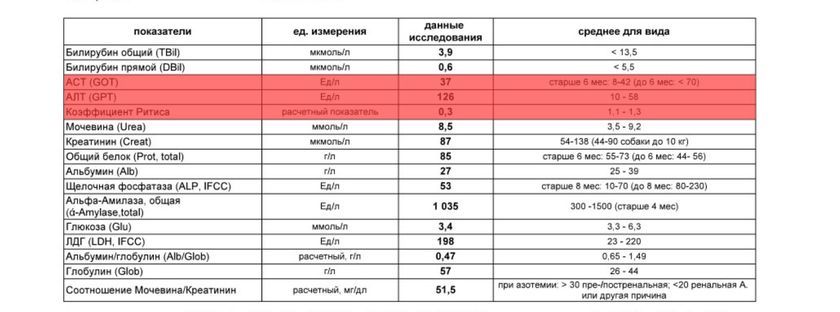
It is difficult to differentiate symptoms in animals, so if any of them appear, you should consult a specialist to avoid wasting time.
Additional examination, treatment
For an accurate diagnosis and treatment, the results of a biochemical blood test are not sufficient, so additional examinations are prescribed:
- A complete blood count (CBC) reveals various types of inflammation (elevated white blood cells) and anemia (low red blood cell count and hemoglobin).
- Ultrasound examination of organs (ultrasound). Detects tumors and fluid in the abdominal cavity, and determines the size and shape of organs.
- Radiography helps detect internal damage and assess the condition of the mucous membranes and intestinal peristalsis.
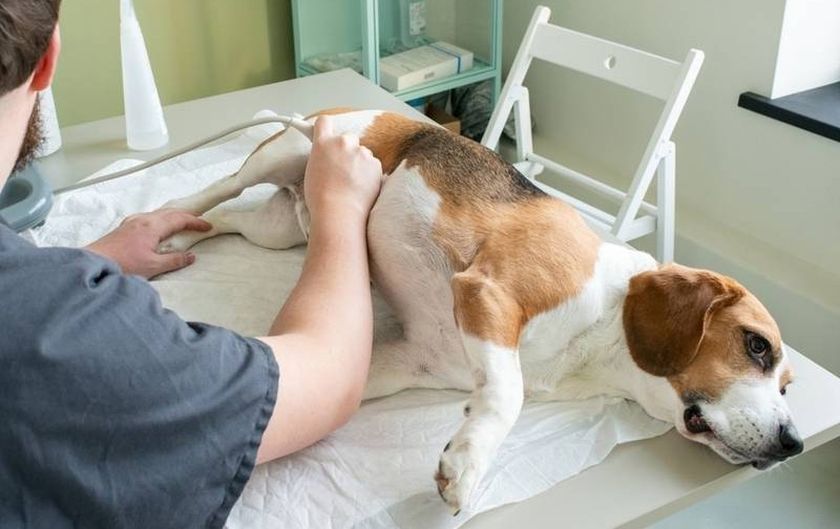
The choice of medication depends on the stage of the disease and the dog's overall condition. Treatment goals include eliminating the underlying cause, relieving associated symptoms, and restoring well-being.
During treatment, close attention is paid to diet and nutritional regimen. For example, if the Ritis index is low, the patient's fat intake is reduced by using special foods. To reduce the burden on the affected organs, the patient is fed more frequently (4-6 times a day), while maintaining the daily intake or slightly reducing it. This regimen helps prevent weight gain.
For preventative purposes, it's recommended to have basic tests performed on dogs without chronic illnesses once a year. Laboratory tests help identify pathologies at an early stage and take prompt action.
Read also:
- Ritis coefficient in cats
- Jaundice in dogs: symptoms, treatment methods
- Blood sampling for dogs at home: cost


Add a comment