
Fiber for dogs: what foods contain it?
Is fiber beneficial for dogs, and when is this component truly necessary? How do you choose the right fiber when feeding your pet natural food, and which foods contain this special type of complex carbohydrate? You'll find answers to these and other questions about fiber in the diets of dogs of different breeds and ages in this article.
Content
Features of the canine diet
In breeder circles, questions about feeding pets always cause heated debates between proponents of a meat-based diet, traditional natural feeding, and prepared industrial feeds.
Veterinarians believe that, first and foremost, a dog's diet should be balanced and selected taking into account the animal's needs, its health, age, and activity level.

Originally, the ancestors of modern dogs were wild predators whose diet consisted almost entirely of animal proteins. However, over a long period of living alongside humans, dogs have changed significantly. These changes affected not only the appearance of many breeds but also their digestive system. Today, dogs' gastrointestinal tracts are highly capable of processing both animal and plant-based foods. Moreover, scientists have proven that dogs can obtain many beneficial vitamins and minerals exclusively from plant-based foods.
This is why it is recommended that all animals on a natural diet be given foods containing plant fiber.
Types of fiber
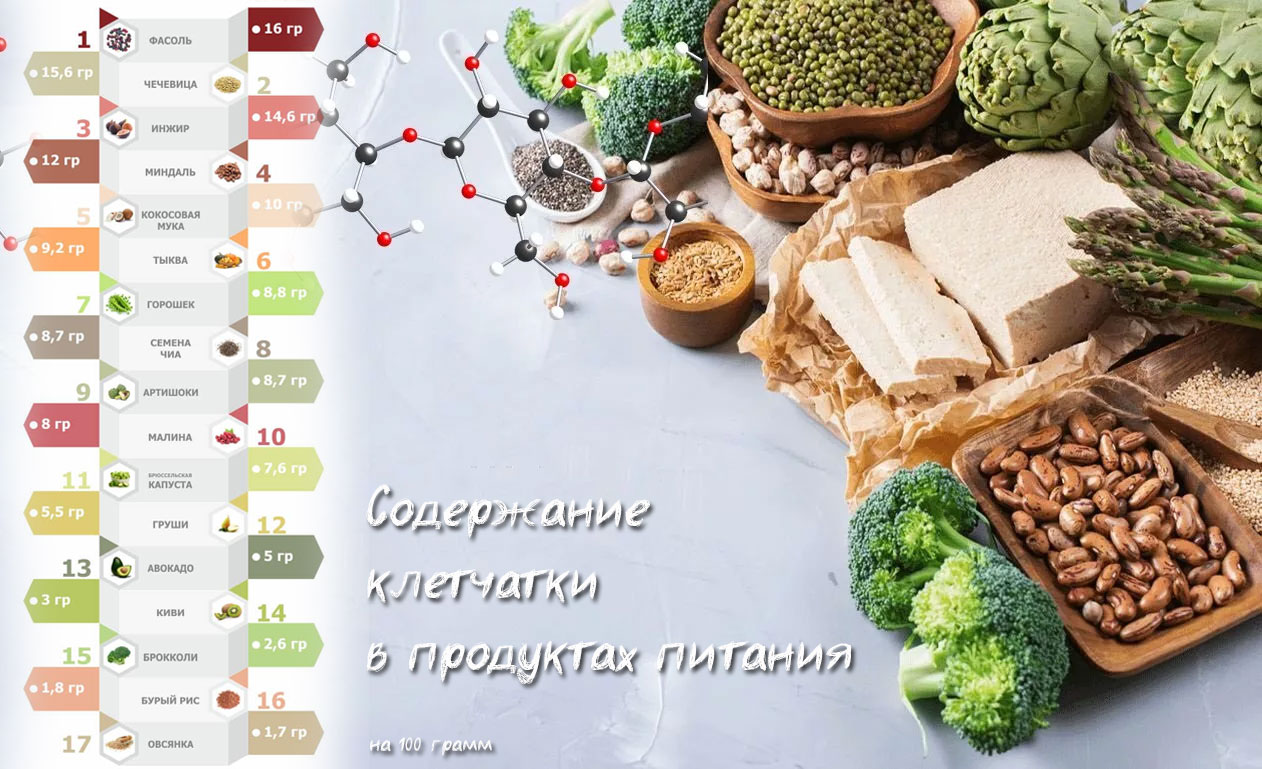
Before we discuss what fiber is truly beneficial for dogs and which foods contain the plant fibers necessary for animal intestines, it's important to know that scientists divide fiber into "soluble" and "insoluble":
- soluble fiber (SF)) – these are quickly digestible complex carbohydrates that dissolve well in water and are completely digested by the dog’s body;
- insoluble fiber (IF) – these are plant fibers that do not dissolve upon contact with water and are excreted by the dog’s body unchanged.
Soluble complex carbohydrates are:
|
Substance |
Products that contain |
|
gum |
bran (oat and rye), dried legumes |
|
pectin |
apples, carrots, cabbage, berries (strawberries), legumes |
|
lignin |
cereals, legumes, berries (strawberries) |
|
beta-glucan |
bran (oat, rye, barley) |
Insoluble complex carbohydrates are:
|
Substance |
Products that contain |
|
cellulose |
fresh fruits and vegetables, bran |
|
hemicellulose |
beets, Brussels sprouts, bran |
The effects of fiber on the dog's gastrointestinal tract
Both types of fiber are beneficial for animals, but they are used in diets for different purposes:
- soluble fiber has a beneficial effect on the gastrointestinal flora and also helps eliminate indigestion by absorbing excess fluid in the intestines;
- insoluble fiber increases the volume of feed without increasing caloric content, and also improves intestinal peristalsis.

Knowing which foods contain soluble and insoluble fiber for dogs will help you choose the right type of fiber for your pet's diet based on their individual characteristics and needs.
Fiber in dog diets
When do dogs need fiber in minimal amounts, and when should they be given more grains and plant fibers?
Puppy's diet
The basis of a rapidly growing dog's diet should be meat (more specifically, muscle fiber). The daily portion should contain as little as 10% plant-based ingredients in the form of vegetables, fruits, and a small amount of grains (rice or buckwheat are best), of which no more than 2% should be fiber.

Important! Bran and other insoluble plant fibers are not necessary for puppies, as they will only increase the amount of food they need without affecting its caloric content, vitamins, or minerals.
Diets for adult dogs
In a natural diet for active, healthy dogs, animal proteins, found in meat, fish, and organ meats, account for approximately 80% of the diet's nutritional intake, while soluble plant fiber can make up 10-20%. The standard fiber content is 2-5%, but in high-fiber foods, this figure can reach 12%.

The need to introduce insoluble fiber into the diet arises when it is necessary to reduce the caloric content of food without reducing the overall portion size, as well as in order to normalize bowel function.
In particular, foods rich in fiber are recommended:
- castrated and sterilized animals;
- during weight loss;
- for diabetes to normalize glucose levels;
- in case of gastrointestinal disorders (constipation, upset stomach, irregular bowel movements).
Older dogs (over 8 years old) are usually given soluble fiber in their diet to help normalize gastrointestinal function.
Industrial feed
Packaging of commercial dry and wet foods always lists the fiber content, but it does not always specify which type of plant fiber (soluble or insoluble) was added by the manufacturer.
If you want your dry food pellets to contain as many natural ingredients as possible, rich in healthy fiber, rather than wheat bran disguised as a trendy product, then choose high-quality Holistic series, which are available from manufacturers such as:
Fiber as a dietary supplement
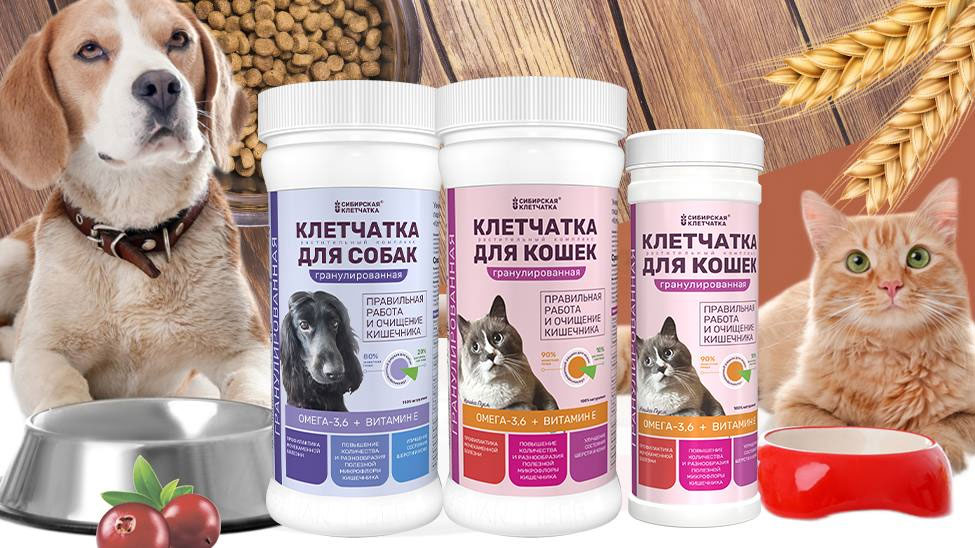
Fiber-based food supplements can be introduced into a dog's diet upon the recommendation of a veterinarian to normalize gastrointestinal function and improve the quality of the coat.
Typically, these supplements come in the form of bran-based powder or granules with a variety of natural additives that can be dissolved in a serving of natural food or sprinkled on dry food.
Veterinarian's advice
For more information on which fiber is actually beneficial for animals and whether bran can be fed to dogs, watch this video:
Read also:
- What to feed a Labrador at home
- What to feed a Doberman at home
- What to feed a Yorkshire Terrier at home


Add a comment