
Fiber for cats: what foods contain it?
Do cats need fiber, and is it really necessary to choose food high in fiber? Which fiber is best for pets? Which foods contain fiber beneficial for cats, and how can they be introduced into a cat's diet when feeding natural foods? It can be difficult for new cat owners to find answers to these questions, as even experienced breeders often find the topic hotly debated.
In this article, we've compiled the most up-to-date information on plant fiber in cats' diets, as well as the opinions of scientists and recommendations from veterinarians.
Content
Fiber and its types
Fiber is a special type of complex carbohydrate found in plant foods. Unlike simple (fast-digesting) carbohydrates, fiber is practically not digested and is excreted from the body unchanged.
Scientists distinguish the following types of fiber:
|
View |
Products that contain |
|
cellulose (NC) |
bran, carrots, broccoli, cabbage, young peas, apples |
|
hemicellulose (HC) |
cereals (whole grains, bran), Brussels sprouts, beets |
|
lignin (RK) |
cereals (bran), legumes, peas, strawberries |
|
gum (RK) |
oat and rye bran, dried legumes |
|
pectin (PK) |
cabbage, apples, carrots, potatoes, green beans, dried peas, strawberries |
|
beta-glucan (RG) |
oats, barley, rye |
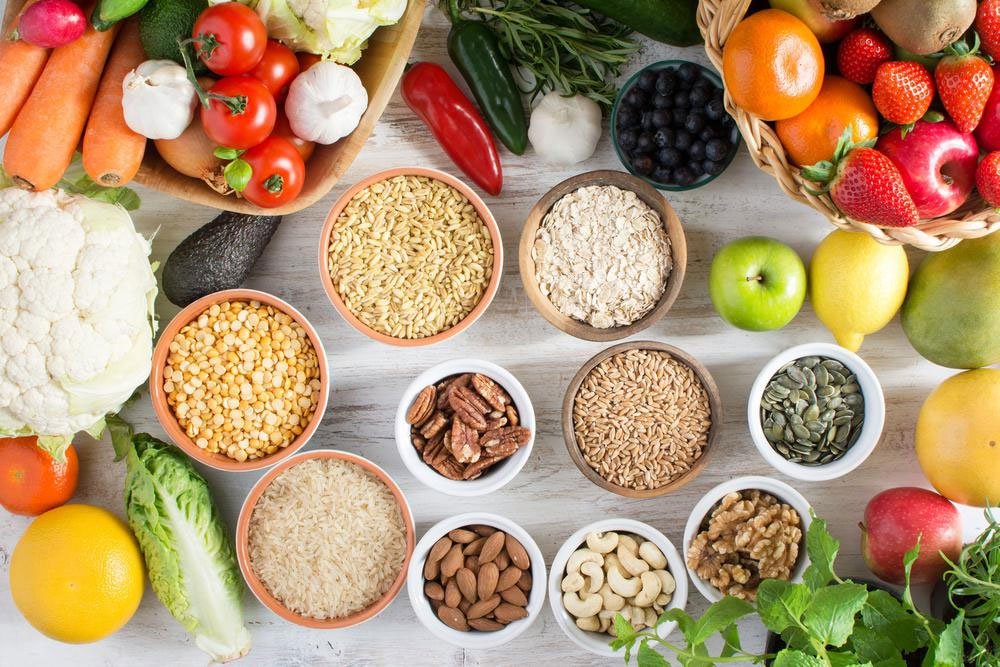
Please note that the table provided contains two types of fiber:
- RK (soluble) – useful carbohydrates that can dissolve in water and form a gel;
- NK (insoluble) – does not dissolve in water and is not digested in the animal’s intestines.
Effect on digestive processes
Both types of fiber should be present in the daily diet, as their impact on digestion cannot be underestimated.
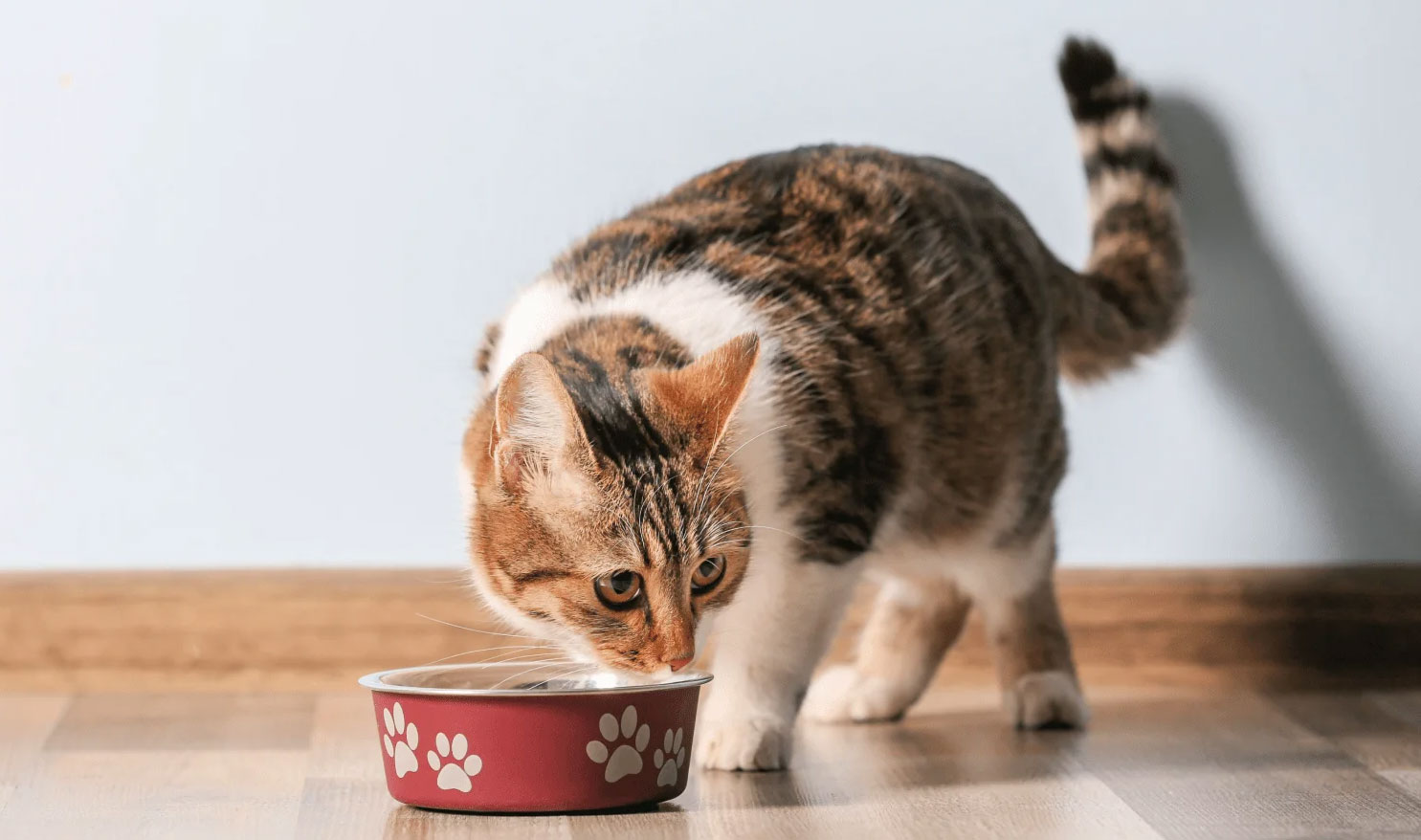
Soluble fiber:
- absorb excess fluid, effectively combating disorders;
- maintain normal gastrointestinal flora.
Insoluble fiber:
- provide the animal with a feeling of satiety;
- improve intestinal peristalsis;
- promote the natural removal of hair from the gastrointestinal tract of cats.
Fiber in a cat's diet
Many owners believe that food rich in plant-based dietary fiber is useless for cats, since fiber itself has no nutritional value.
In particular, high-fiber diets are not recommended for kittens during their active growth period, as at this stage, food must be calorie-dense to fully meet the needs of their growing bodies. However, when formulating a diet for adult cats, you shouldn't be so categorical about this, as there are cases where fiber-rich food is truly beneficial and even necessary.
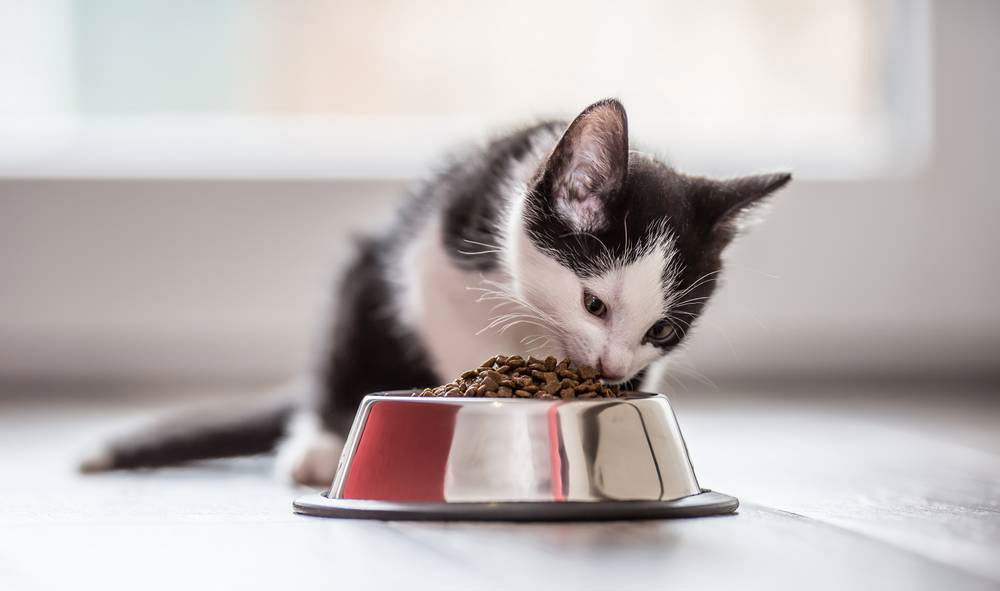
The amount of fiber in an animal's diet depends largely on its age, weight, and health status:
|
Peculiarities |
Fiber content |
|
Kittens |
less than 1% |
|
Adult active cats |
0.8 – 3.0% |
|
Elderly animals |
3.5 – 5.5% |
|
Castrated |
6.0 and more |
|
Overweight |
6.0 and more |
|
For hair removal |
3.5% or more |
Let's take a closer look at when fiber in food is actually beneficial.
Weight control
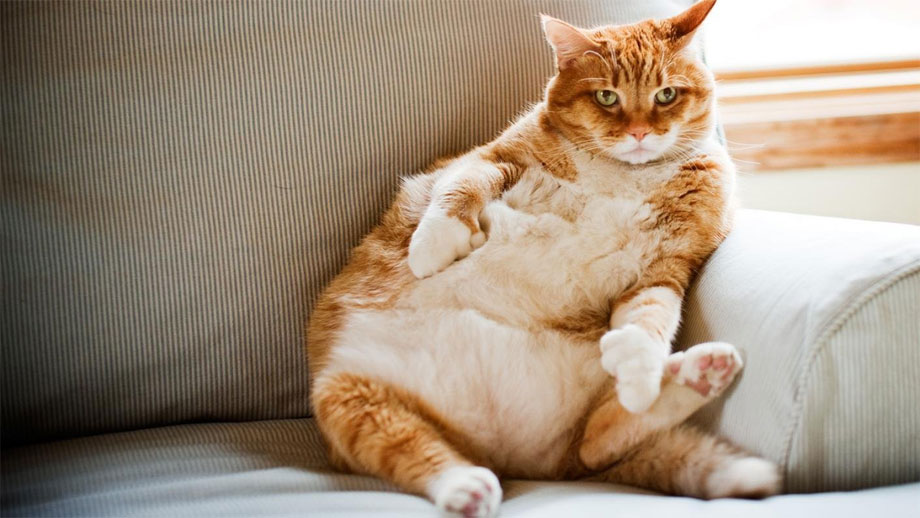
Manufacturers add fiber to both dry and wet food to increase serving size without increasing calorie content.
This approach helps maintain a healthy weight in sterilized animals, as well as in cats of certain breeds prone to obesity:
- Persians;
- British;
- sphinxes;
- Cornish Rexes.
Special diets for cats that contain fiber in fairly large quantities are available in premium food lines:
- Royal Canin;
- Proplan (Purina);
- Hills;
- Brit;
- Optimeal;
- User (Josera);
- Grandorf.
That's why, when considering lines for weight maintenance or loss, you shouldn't be put off by the fact that the food contains plant fiber.
https://www.youtube.com/watch?v=HxWu6AceCRE
Diabetes
High-fiber food is also essential for cats that suffer from sudden fluctuations in blood sugar levels.
Dietary fiber has been shown to reduce the rate of glucose absorption, thereby reducing fluctuations in insulin levels.
This category presents feed from the following manufacturers:
- Hill's;
- Brit;
- Purina (Pro Plan);
- Farmina;
- Royal Canin.
Normalization of the gastrointestinal tract
Fiber has a beneficial effect on the functioning of the gastrointestinal tract:
- for diarrhea It is recommended to introduce more soluble fiber into the animal’s diet, which can absorb excess fluid;
- for constipation Food with a high content of insoluble fiber is recommended, as it improves intestinal peristalsis, which is important for regular bowel movements.
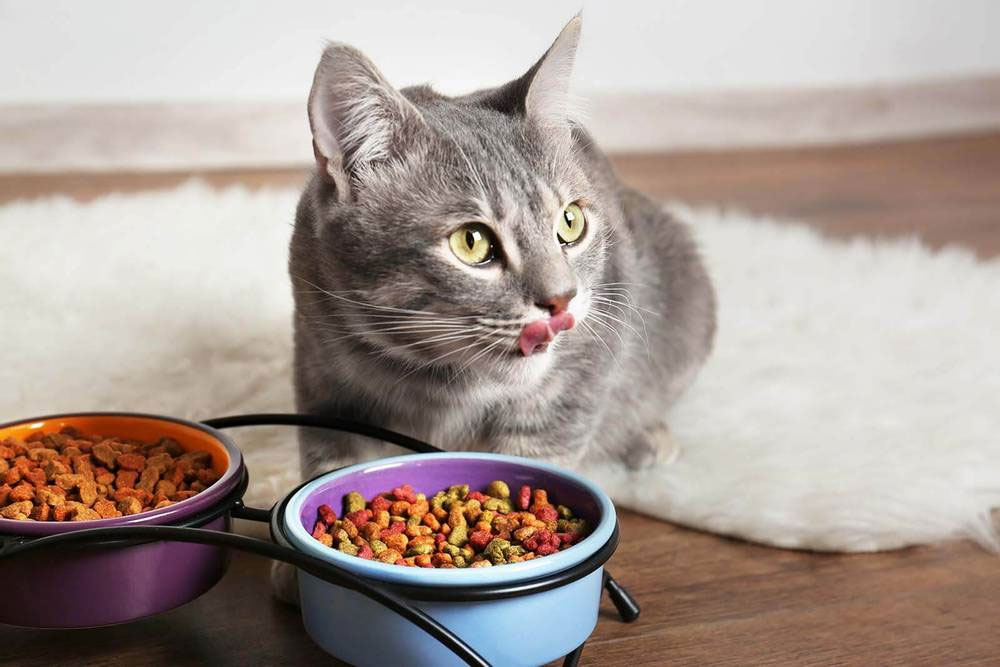
This category includes the following foods:
- for kittens: Pro Plan and GO;
- for adults: Hill's, Royal Canin, Hill's, Brit, Purina (Pro Plan).
Hairball removal
Owners of long-haired cats know firsthand the problems that can arise if special attention is not paid to the process of removing hair, which ends up in the cat's stomach during licking.
Foods containing fiber are a good preventative against hairball formation. Hair that enters a cat's gastrointestinal tract simply moves through the intestines (along with food), without lingering in specific areas or forming hairballs.
The best feeds for this task are those based on beet pulp, as well as those with the addition of cellulose obtained from cereals or psyllium husks.
Fiber in natural nutrition
If a cat is on a natural diet, the owner must independently consider which foods contain fiber, which is beneficial and essential for cats, and how to introduce this component into the pet's diet.
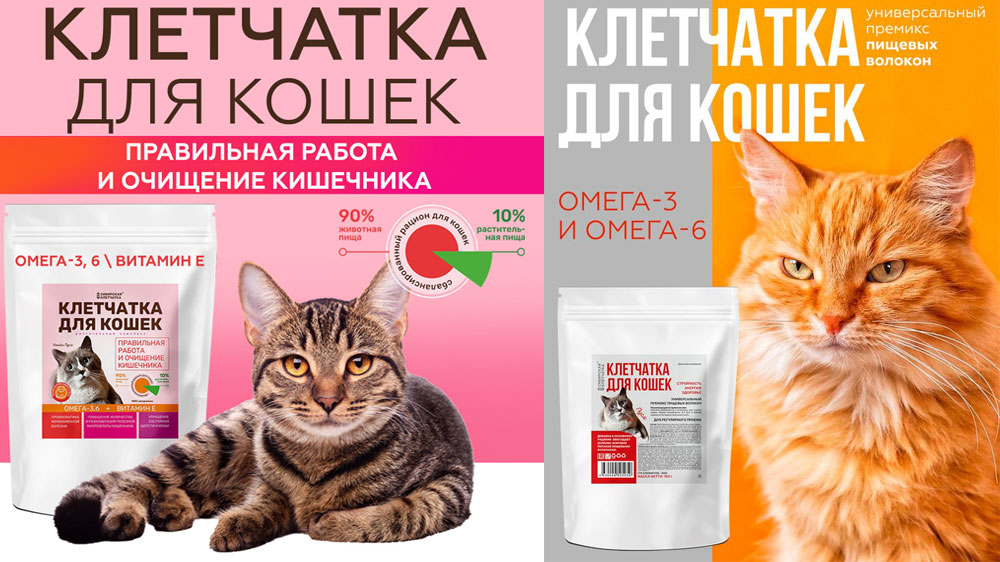
feed additive
The easiest way to ensure your pet gets the required amount of fiber in their diet is to use feed supplements, which can be purchased in powder or tablet form.
This fiber can be added to your cat's regular food in case of constipation or intestinal problems.
The right diet
The second option is to create a balanced diet for your pet, taking into account its breed, weight, condition, and activity level.
Natural sources of fiber in a cat's diet include:
- porridge: buckwheat, rice, oats, barley;
- bran;
- fruits: apples, pears, bananas;
- vegetables: carrots, beets, cabbage, broccoli, zucchini, pumpkin, cucumber;
- greenery and grass;
- some types of nuts: cashews, pine nuts, almonds.
In this case, meat should make up at least 70% of the portion (and preferably 80-90%), and the plant component – up to 30% (optimally 10-20%).
To learn how to create a balanced diet for your cat, watch this video:
Restrictions and contraindications
While fiber is often a beneficial and even necessary component of a pet's diet, some cats are not recommended to be fed foods rich in dietary fiber.
The introduction of fiber into the diet is contraindicated during the course of any acute inflammatory process of the gastrointestinal tract (with the exception of specialized veterinary diets).
Foods with a high content of dietary fiber are not recommended:
- kittens;
- pregnant and lactating cats;
- very active animal;
- underweight cats;
- exhausted animals during the rehabilitation period after injuries, operations and serious illnesses.
Read also:
- What to feed a nursing cat
- How to transition a cat to a natural diet
- Budget cat food of good quality


Add a comment