
How to treat ticks on a cat?
Mites in cats are not only ear mites (causing otodectosis), but also subcutaneous (demodicosis). We mustn't forget about parasites of the ixodid family, which often carry the dangerous disease piroplasmosis. How can we identify the species we need based on symptoms and treat a cat for ticks?
Content
How does tick infestation occur?
Exogenous parasites can live on land, in water, and on other animals. Therefore, the risk of infection exists daily. Even if your pet doesn't go outside, don't assume your cat is safe. How can a tick get onto an animal? It's simple. You're walking through the grass or past bushes, through a forest park, or strolling along an alley, and a small, hungry tick lands on your clothing. That's how you bring it home—on your person.
Hungry ticks (photo below), especially when they are at the peak of their activity, are very nimble.
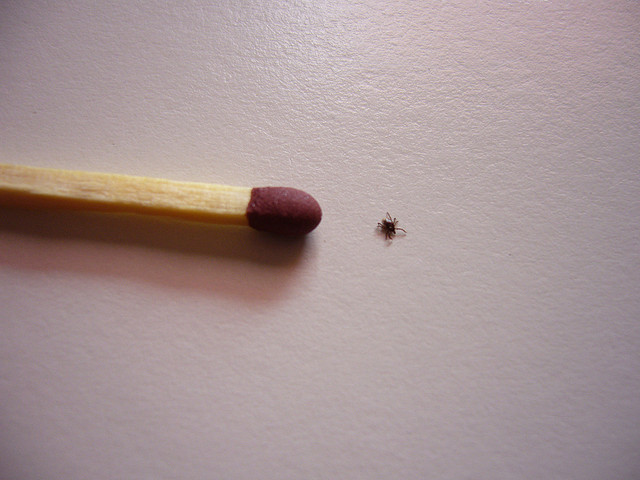
They are also very small and are not afraid of anything. ixodid tick and only fire will stop it completely.
Some people mistakenly believe that ticks on cats are harmless. However, this is not true.
Firstly, the parasite can be a carrier of dangerous diseases.
Secondly, ticks can burrow into cats' ears and under their skin, making them extremely difficult to detect. It's important to remember that ticks can "spread" from a cat to other pets and even to people (ear mites are harmless to humans, but they readily "move" to healthy cats).
Types of ticks in cats and treatment
Cats have different types of ticks, and they cause different diseases. Therefore, symptoms and treatment for tick infestations in cats will vary depending on the type of parasite.
Ear mites in cats
A pet can become infected with ear mites as a result of:
- communication with a sick animal;
- contact with contaminated objects, which may include dishes, hygiene items, and bedding.
Furthermore, there's a high risk that ear mites can be brought into the house from the street by any family member. You can also pick up a tick in a building's entryway, where stray infected cats often end up. Insects—parasites that often infect animals—also carry mites. Humans needn't worry about infection; contact with an infected cat is harmless.
Ear mites in cats - symptoms
The disease affects the animal's behavior and physical condition. The following signs indicate a cat is infested with ear mites:
- The pet behaves restlessly, constantly seems to “shake” its head, meows frequently, cuddles up to the owner, tilting its head to the side.
- To relieve the unbearable itching, the animal rubs its ears against the corners of furniture and various objects, often scratching them.
- After some time, a purulent mass may be released from the auricle.
- Brown crusts form inside and around the cat's ear.
Left untreated, ear mite symptoms in cats worsen, and the inflammation gradually affects the inner and middle ear, eventually spreading to the meninges. Signs of ear mites in cats include:
- depressed state;
- increase in body temperature;
- head bent towards the affected ear;
- seizures that lead to the death of the animal.
You can prevent dire consequences if, at the first signs of otodectosis in cats, you contact a veterinarian for treatment.
My cat has ear mites - treatment
Treating ear mites in cats should not be attempted without a precise diagnosis, as symptoms similar to this infestation can also be present with other diseases. A veterinarian can confirm whether your suspicions of this condition are justified by examining the animal's ears with special instruments and, if necessary, performing a microscopic examination of the ear discharge. Once ear mites are confirmed, the specialist will prescribe and perform the following treatments:
- First, the ears will be cleaned by rinsing with antiseptic agents.
- Then, using a syringe with a rubber tube, liquid medications are instilled (usually this is ear mite drops For cats, the instructions call for administering the medication to both ears, even if only one is inflamed. It's important to follow the exact dosage, as it contains a strong poison that, if administered in large doses, can worsen the pet's condition.
- After the treatment procedure, you should massage the base of the cat's ear.
Ixodid ticks
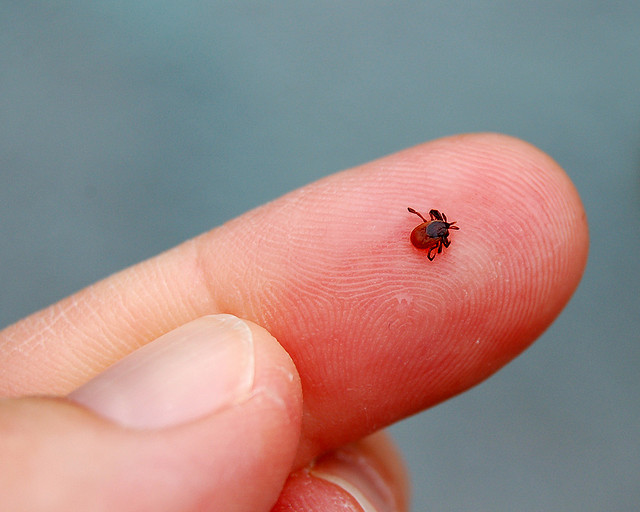
These insects often live in forested areas, on trees and shrubs. However, ticks can also inhabit grass and the ground. Even if the forest is far away, a tick may end up in a deserted area. For example, the wind may blow in a leaf or blade of grass with the tick on it.
Once a tick attaches, your cat or you become a victim. The parasite firmly attaches to the skin and begins to burrow through it. Its head is trapped inside the tissue, while its body is exposed. And when it begins sucking blood, it grows tenfold in size!
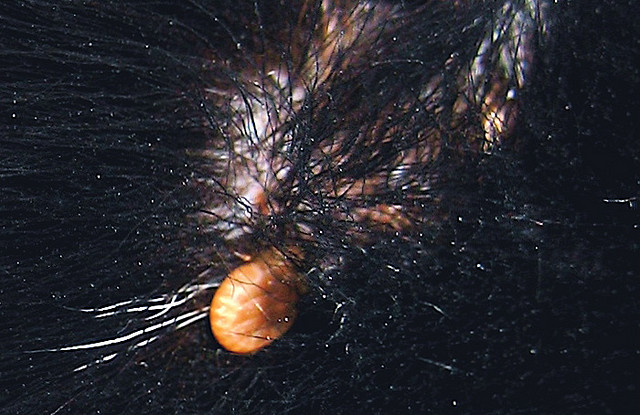
Even if the tick doesn't contain any pathogens, it can still cause significant harm. First, the tick secretes a secretion at the bite site, causing severe inflammation and itching. The animal will begin to scratch, become restless, and may even tear off the parasite with its paw. The tick's jaws remain closed within the skin, so even if it is torn off, its head remains inside the animal. This often leads to suppuration, sometimes leading to sepsis.
How to properly remove a tick from a cat?
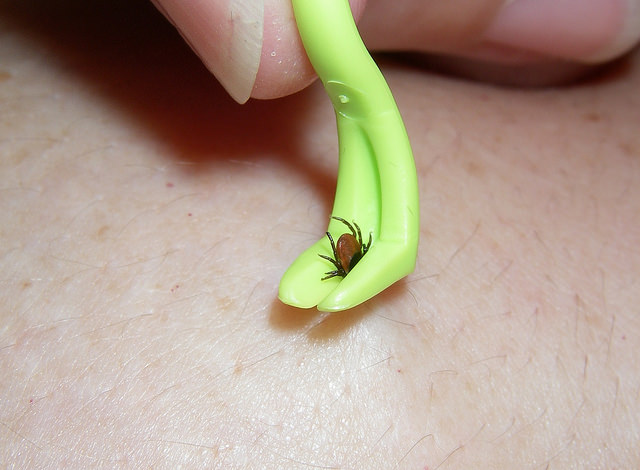
It's crucial to remove a tick from a cat correctly. Ideally, you should use tick removers, as tweezers can crush the tick.
Grasp the tick around the neck and gently twist it counterclockwise until it releases its jaws and falls off. No oils, creams, or hot needles in the body! Yes, this sometimes causes the tick to release its jaws, but more often, it actually closes them even tighter and then dies. Only then can it be removed surgically.
Do not pull, tear, tug, wrap with thread, handle with bare hands, or use tweezers.
There are many prohibitions, but in reality, it's not that difficult. If you suspect you can't handle it yourself, seek help from a veterinarian. They know how to properly remove ticks (photo) from cats.
Don't throw away ticks! They're very resilient. Collect them in a glass bottle (for example, leftover from penicillin or other medications; a baby food jar will also work).
Ideally, you should take the removed parasite to a sanitary and epidemiological center or a veterinary laboratory for analysis. If the tick-infected cat is found to be infected with piroplasmosis (another parasite that inhabits red blood cells, destroying them), treatment should be started as soon as possible. Besides piroplasmosis, the tick can also infect your pet with diseases such as theileriosis, tularemia, or haemobartonellosis.
Subcutaneous mites in cats
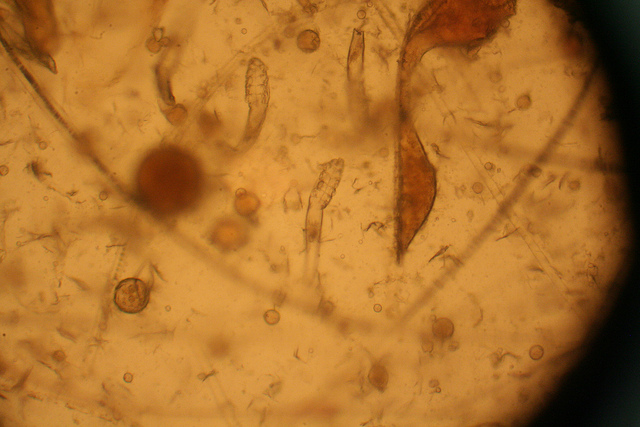
Often subcutaneous mite It affects dogs, but cats also suffer from this parasite. This bastard is called Demodex.
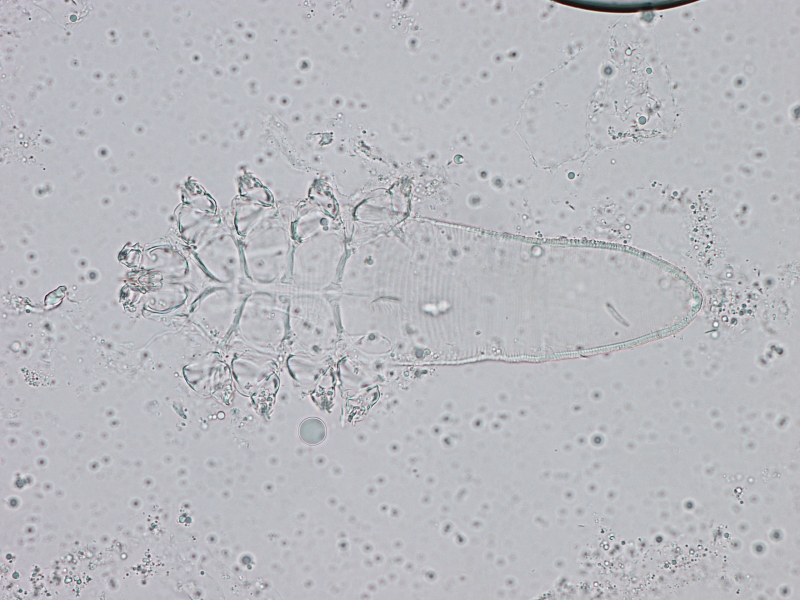
It's worth noting that humans can also become infected with demodicosis through contact with an infected animal! Bald patches, acne, and inflamed red areas appear on the skin. The cat may scratch, cry, and become restless. Therefore, it's essential to exercise extreme caution when interacting with stray or suspicious-looking animals.
Try not to let your pet go for a walk alone, do not allow him to “meet” other animals, so that your cat does not become infected.
The incubation period for demodicosis can last for years!
But if a cat's immune system weakens, this parasite can make its presence known. These mites (photo) most commonly infect the areas around the eyes, ears, and neck. Hair loss, severe itching, and red, inflamed skin are common. Treating a cat for these mites is very difficult.
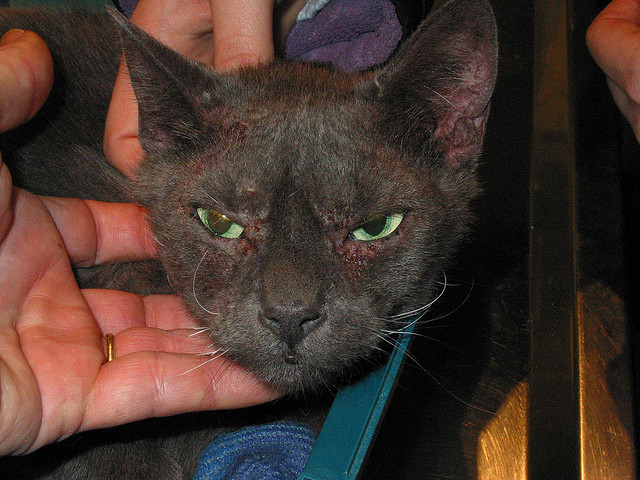
In addition to demodicosis, notoedrosis may occur - this disease is caused by scabies mites, which are also localized under the skin. Naturally, the symptoms will be similar to the clinical signs of scabies:
- itching;
- hair loss;
- anxiety.
You should be extremely careful, it is better to contact a veterinarian for help.
Treating cats for ticks at home
Many owners wonder how to treat a tick in their cat at home, but a knowledgeable veterinarian will tell you that it's not the tick that needs to be treated, but the animal itself. Most importantly, don't self-medicate and be patient. It's clear that, depending on the tick species and other circumstances, the parasite can infect your cat. And it's clear that treating such diseases at home is impossible. In the case of subcutaneous parasites, even specialized treatment for ticks can take months or even a year. And follow safety precautions to avoid becoming infected yourself.
Tick drops for cats
This medication, available in eye drops, is widely used because it's one of the safest and most affordable options. It's used not only to treat ear infections but also to prevent ear mites.
Treatment begins with an emulsion containing fipronil, fenthion, or permethrin. Rub the product into the skin of the withers, ensuring the animal cannot lick it off until it is completely absorbed.
The following brands of drops are commonly used to treat ear mites in cats:
- Celandine (the active ingredients of the drug are Fipronil and Permethrin).
- Biafar (differs from other drops by the presence of a natural component based on margosa, which destroys insects).
- Bars (the main component is Permethrin) is low-toxic to cats, which explains its popularity.
- Frontline (the active ingredient of the drug is Fipronil) is effective against ear mites and their carriers – fleas.
Tick collar for cats
But drops aren't the only effective treatment for ticks and fleas: a special anti-parasite collar is the most popular. This is due to its undeniable advantages:
- simplicity and ease of use;
- safety for cats;
- efficiency of application.
Qualitative flea and tick collar For cats, this is the best choice for treating and preventing ear mites. When choosing a product, consider its characteristics:
- A quality product is always sealed in a foil bag.
- The collar must be designed only for cats (also separately for kittens and for pregnant or nursing pets).
- The material must not contain: Permethrin, Amitraz and organic phosphates.
Prevention
There is no vaccination against ticks! The above-mentioned special collars and spot-on drops will help. Ideally, you should avoid walking in forested parks during peak tick activity periods (April-June, August-October). If there are any tick-prone areas in your city, stay away from them.
Before bringing your pet home, thoroughly comb its entire coat with a fine-toothed comb, inspecting its belly, chest, paws, and ears. If you've removed any ticks, don't leave them on your doorstep. Otherwise, they could attach themselves to someone else. They could also travel on shoes or clothing into someone else's home (and perhaps even yours).
To prevent your pet from getting subcutaneous mites, try to avoid contact with other animals. If you have the slightest suspicion of an infestation, consult a veterinarian. They will either take skin scrapings from the affected areas (in the case of subcutaneous mites) or remove the entire mite for testing. Only after a definitive diagnosis will treatment be prescribed.
Read also:
- Tablets, drops, and tick remedies for dogs
- Tick repellent for dogs
- Ectoparasites in dogs and treatment against them


2 comments
Anna
In our case, Dana Ultra drops helped our cat. The packaging is very convenient and 100% effective; we haven't had a single parasite. Our cat wanders the streets a lot, and I'm considering getting a collar from this line as well. It not only repels lice, fleas, ticks, and lice, but also prevents the development of these parasites' larvae thanks to its active ingredients.
Pest
The most common carriers of infection in cats are the taiga and forest ticks. They all share a common anatomy, as they belong to the same species, Ixodid. They differ in their habitats: the taiga tick is most common in the forests of Siberia, the Volga region, Karelia, and even the Moscow and Leningrad regions.
Add a comment