
Clumber Spaniel
The Clumber Spaniel is an English breed of hunting dog with French roots. Its appearance is quite distinct from other members of the large spaniel family, but it is equally adept at working. It has a calm, even temperament, is loyal, and obedient. It is easy to maintain and requires little grooming.

Content
History of origin
The Clumber Spaniel was developed in the late 18th and early 19th centuries. Interestingly, English cynologists attribute its origins to France, while the French, in turn, consider the breed English.
Dogs similar to modern Clumber Spaniels were originally bred in France by the Duc de Noailles. At the beginning of the French Revolution, the aristocrat sent his best dogs to the Duke of Newcastle's estate in Nottinghamshire, called Clumber Park. The breed later took its name from this location and subsequently developed there. During the Revolution, de Noailles died, but his spaniels remained in Britain. According to the records of English breeder James Farrell, the Clumber Spaniel descended from the old Alpine spaniels. It's possible that the breeding process also involved St. BernardsIn England, they shed blood to strengthen their backbone. bloodhounds.
In 1860, the Clumber was first shown at a show and became a favorite among aristocrats. Only in the post-war years of the 20th century, after its restoration, did the breed become accessible to other segments of the population. The Clumber Spaniel is among the top ten dogs registered by the American Kennel Club (AKC) since its founding in 1884. The International Canine Association (ICF) officially published standard number 109 for the Clumber Spaniel in 1954.
Hunting with a Clumber Spaniel
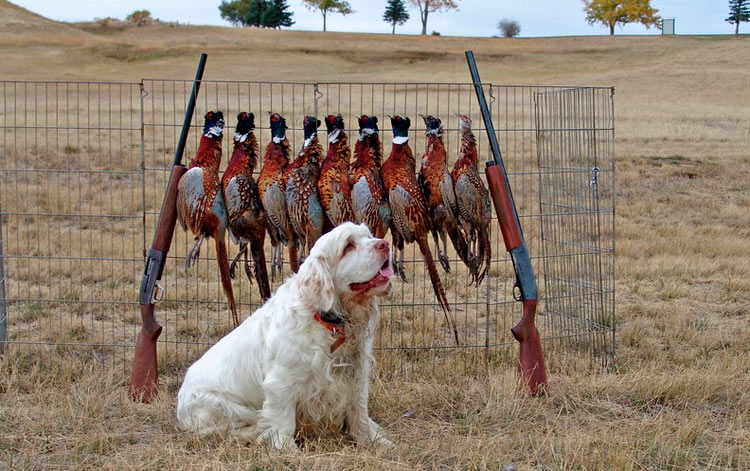
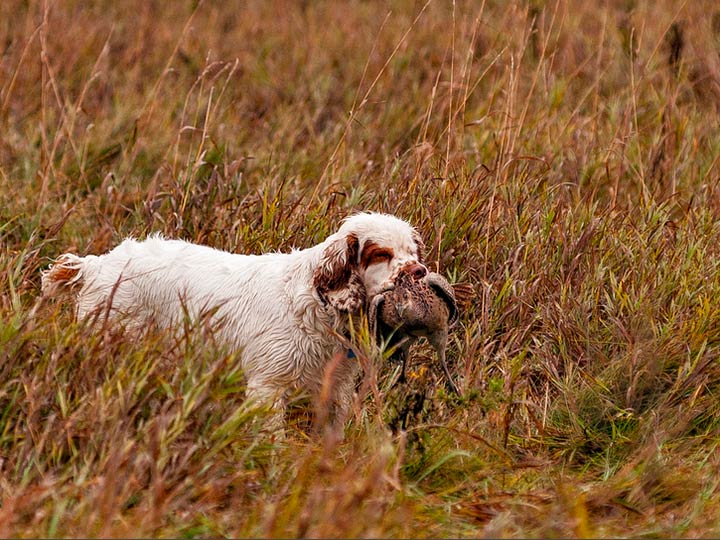
The Clumber Spaniel is a talented hunter. It doesn't require complex training and quickly understands what's expected of it. It's active and eager to work, but a bit heavy, making it significantly slower than other spaniels. It's a meticulous tracker and well-suited for hunting in sparsely wooded areas.
Video about the Clumber Spaniel dog breed:
Appearance
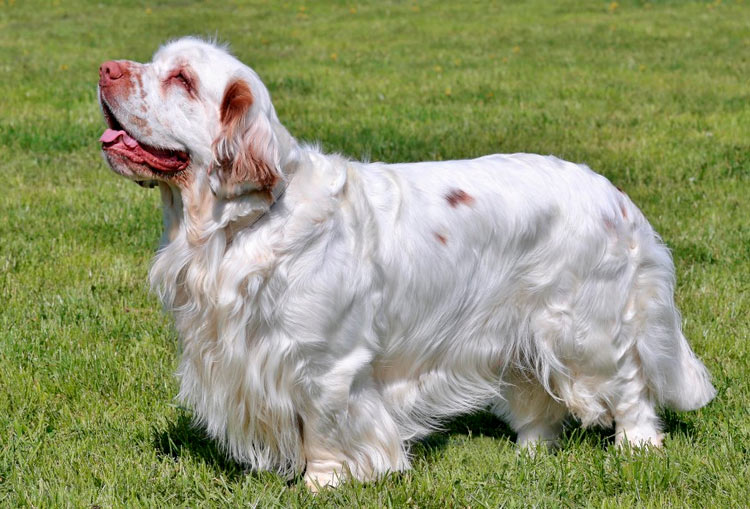
The Clumber Spaniel's appearance exudes strength. It is well-balanced, with strong bones and a lively and thoughtful expression. It must be healthy and robust enough to work in the fields all day. Sexual dimorphism is well-defined. The average weight of males is 29.5-34 kg, and females 25-29.5 kg. Height ranges from 40-50 cm.
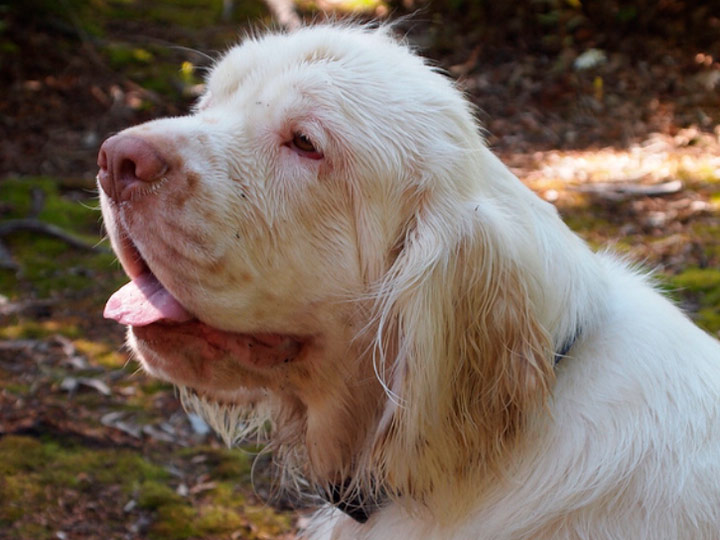
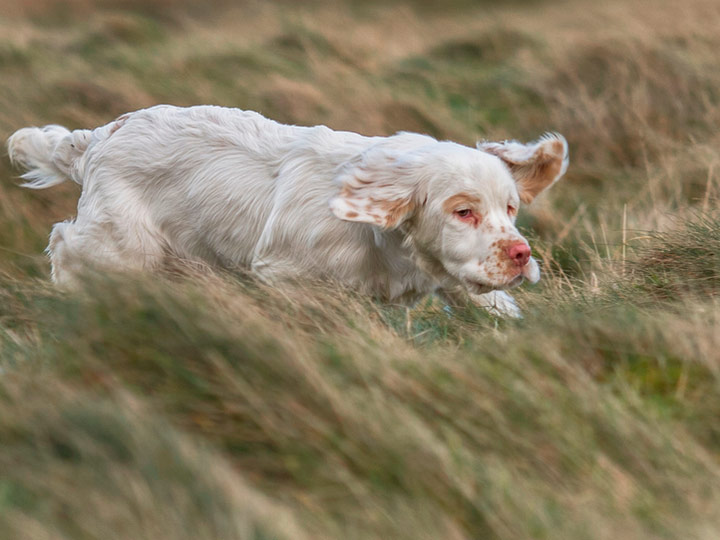
The head is large, square, and of medium length. The skull is broad on top. The occipital protuberance is well defined. The superciliary ridge is heavy. The stop is deep. The muzzle is square. The lips are well developed. The jaws are strong, with the teeth meeting in a scissor bite. The eyes are clear and dark amber. The eyelids may show a little mucous membrane, but this is not excessive. The ears are large, vine-leaf shaped, covered with smooth hair, and hang forward.
The neck is thick and of moderate length. The body is powerful, with well-developed muscles. The back is broad, straight, and long. The loin is muscular. The chest is deep. The sides are well let down. The tail is set low, carried level with the back. The tail may be docked. The limbs are muscular, powerful, and have good bone structure.
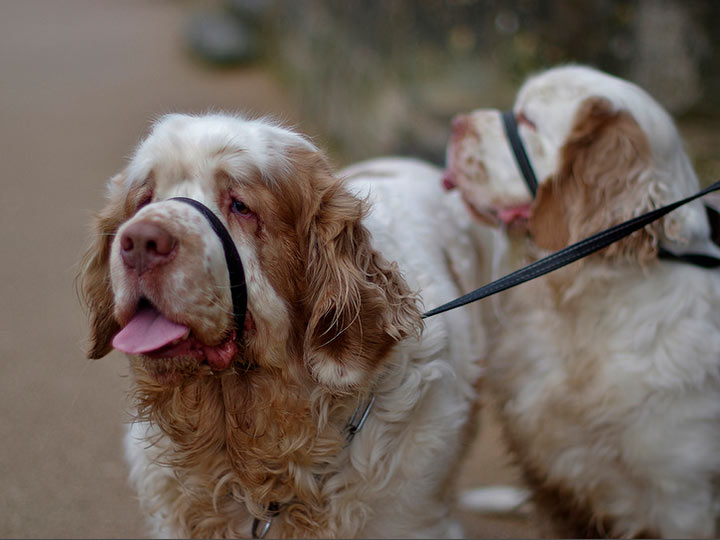
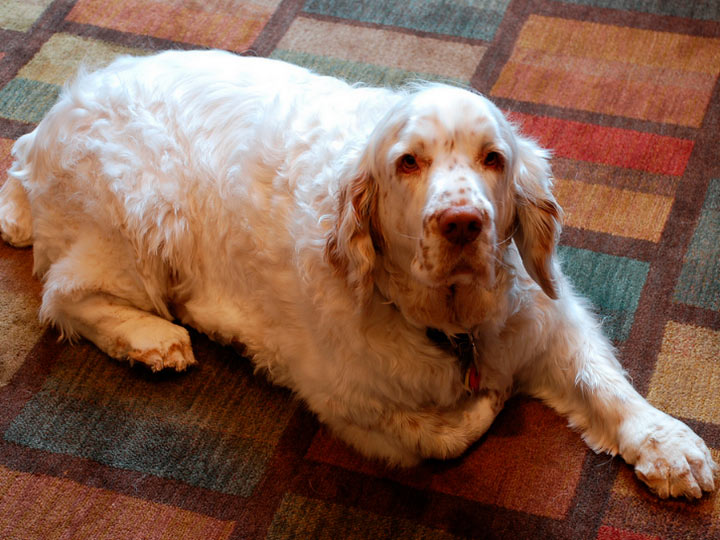
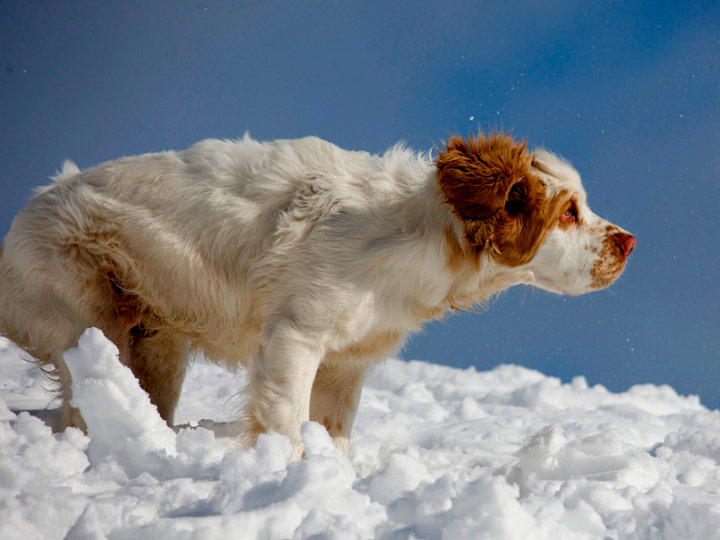
The coat is very dense, smooth, and silky to the touch. The chest and legs are covered with long, feathered hair. Preferred color: a solid white body with lemon markings; light orange is acceptable. Minor markings and speckles are also present on the head and muzzle.
Character and behavior
The Clumber Spaniel's temperament perfectly matches its appearance. This dog successfully combines a cheerful disposition with a calm demeanor. He lacks the fussiness of smaller spaniels and the melancholy of the St. Bernard. He is a true intellectual, courageous, unwavering dog with a determined stance and a sense of self-worth.
Among family, the Clumber is friendly and reliable. He gets along well with children of all ages, tolerates the pranks of small children, and listens well to teenagers. He is reserved with strangers and friendly when introducing himself to his owner. The Clumber isn't known for aggressive behavior, but he has a strong sense of territoriality. If someone encroaches on his property or threatens his owner, he can rise to the defense, displaying extraordinary courage. He rarely barks.
Whether hunting or being walked, a Clumber always ensures its owner is within sight. Contact with its owner is essential, regardless of external factors. It requires no special supervision.
Many people enjoy interacting with the Clumber. They are eager to obey and follow commands, are surprisingly calm, and almost never stray far, get into fights, or cause mischief at home.
Education and training
The Clumber Spaniel is very diligent in training. With consistent and consistent work, good results can be achieved. While they don't learn commands as quickly as the Belgian Shepherd and are much slower to execute them than the Border Collie, they always strive to please their owner.
Socialization is an important part of a Clumber puppy's life. This is especially important for dogs living in the city. From an early age, they are introduced to new places, sounds, animals, and people. They are praised for good behavior, and undesirable behavior is identified and corrected.
Training begins after the Clumber has mastered basic commands and can perform them accurately in the field, but not before five months of age. The Clumber works well on any type of bird, but the key to success is frequent field trips and a close bond with the owner.
Content Features
The Clumber Spaniel dislikes heat but tolerates cold very well. It is known for its hardiness and undemanding nature. Most kennels house dogs in spacious enclosures, where puppies are raised. Clumbers can be kept in apartments by city dwellers, but only if they are provided with adequate exercise and if the owner is comfortable with a lot of fur in the house and their four-legged friend's moderate drooling.
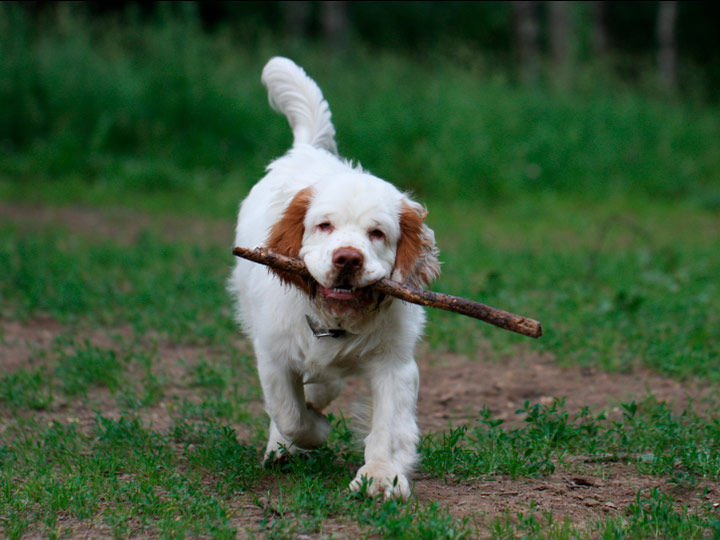
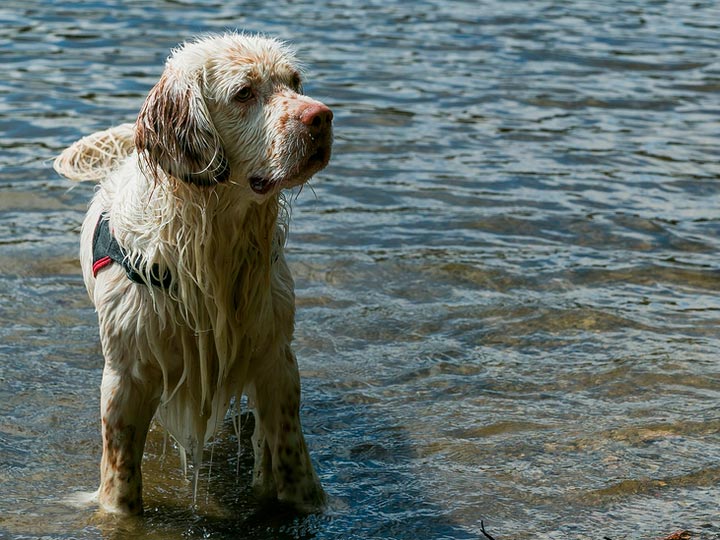
A Clumber Spaniel needs plenty of exercise. This doesn't necessarily require daily runs, but at least once a week they should be allowed to run freely in nature. Swimming is also beneficial. It's crucial that the Clumber has the opportunity to walk independently and sniff whatever it wants, whenever it wants. The rest of the time, daily walks can be varied by practicing old and new commands and playing various games. Typically, the spaniel prefers retrieving tasks.
Care
To maintain a neat appearance and healthy skin and coat, a Clumber requires weekly brushing. This will also prevent mats from forming in the fur. The skin is also inspected for damage, redness, or rashes. In the spring and fall, the dog is also checked for ticks and other parasites.
Show grooming of a Clumber Spaniel includes washing, combing, drying and lightly trimming the coat to give it a neater appearance.
Ears are cleaned Remove wax and dust buildup once a week. It's important to keep eyes dry and clean, so they should be wiped daily, especially in dogs whose eyelids reveal the conjunctiva. Nails can wear down on their own if the dog spends a lot of time walking on asphalt. Otherwise, they need to be filed down or trimmed as they grow to maintain the paw's alignment. The hair between the toes and pads should also be trimmed for comfort. Bathing is recommended every 7-10 days. Shampoos and conditioners for soft fur are used.
Nutrition
It's important to organize the dog's diet so that it doesn't gain excess weight, which can put stress on bones and joints. Whether to feed natural foods or prepared dry food is up to the owner. Both options are acceptable. Clumber Spaniels adapt well to this type of diet and rarely suffer from gastrointestinal problems.

Health and life expectancy
The Clumber Spaniel is a generally healthy breed. Most health problems encountered in the breed are typically caused by improper care, poor living conditions, or an unbalanced diet. Life expectancy is 11-13 years. But the breed also has hereditary diseases that occur with varying frequencies in different lines:
- Hypothyroidism;
- Dermatological diseases;
- Predisposition to ear infections;
- Inversion and eversion of the eyelids;
- Progressive retinal atrophy;
- Cardiomyopathy;
- Dysplasia hip joint;
- Cervical and thoracic intervertebral disc disease;
- Hemolytic anemia caused by sulfa drugs.
In puppies during their active growth period, rapid weight gain can lead to the development of eosinophilic panostitis. Therefore, during this period, it is recommended to provide vitamin and mineral supplements to strengthen bones, joints, and tendons.
In rare cases, the breed is susceptible to anasarca, a symptom of kidney or liver failure in puppies that causes them to be born swollen and usually dead.
Choosing a Clumber Spaniel Puppy
The Clumber Spaniel is a rare breed, but not so rare that a puppy needs to be imported from England or America. Several kennels in Russia and the CIS breed them professionally. Puppies are often reserved in advance, but sometimes available ones can be found.
According to the FCI classification, the Clumber Spaniel belongs to Group 8, Section 2. This means that dogs are only approved for breeding after achieving high show scores and a working trial diploma. This ensures that their talents and character traits are preserved as much as possible. Responsible breeders also carefully match dogs based on their health. Dogs are tested for the most common genetic diseases and undergo X-rays to confirm the absence of hip dysplasia.
Clumber Spaniel puppies should be healthy. This is evidenced by a clean, shiny coat, clear eyes, and the absence of any crusts or streaks. By about two months of age, they can stand confidently on strong legs, and their movements should not show any lameness or hesitation. The main character traits at this age are curiosity and friendliness. It is also important to assess their conformation to the standard if they plan to participate in shows.
A purebred puppy must have a tattoo and a birth certificate, which can later be exchanged for a pedigree. Furthermore, it must be dewormed and vaccinated according to age.
Price
The average cost of a Clumber Spaniel puppy in Russia is 45,000 rubles. In European breeders, dogs start at 1,000 euros.
Photos
The gallery contains a collection of photos of adult Clumber Spaniel dogs and puppies.


Read also:


Add a comment