
Kinkalow is a breed of cat
Kinkalow Kinkalow is a new experimental cat breed from America that has quickly gained popularity thanks to its attractive personality and unique appearance. Kinkalows have short legs, like a Munchkin, and ears that curl backward, like a Curl. The breed is still in its infancy, and breeding is complicated by the fact that distinctive traits are not always inherited. Two Kinkalows can produce kittens with completely ordinary appearances.
Content
History of origin
American cat breeder Terry Harris decided to conduct an experiment - to cross one of her cats of the breed munchkin with a cat of this breed curlThe couple soon gave birth to unusual kittens with short legs and folded ears. For several years, Harris and other miniature cat enthusiasts worked on the new breed, and in 1997, it received official recognition from TICA as an experimental breed under the name Kinkalow.
The breed probably got its name from two English words: kink and low.
Currently, the Kinkalow is considered an experimental hybrid breed. Its characteristics are still being developed and stabilized.
Video about the Kinkalow cat breed:
What do kinkalows look like?
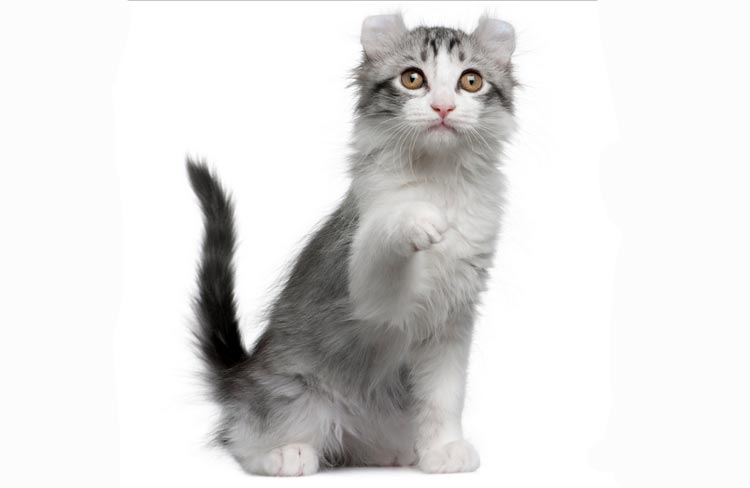
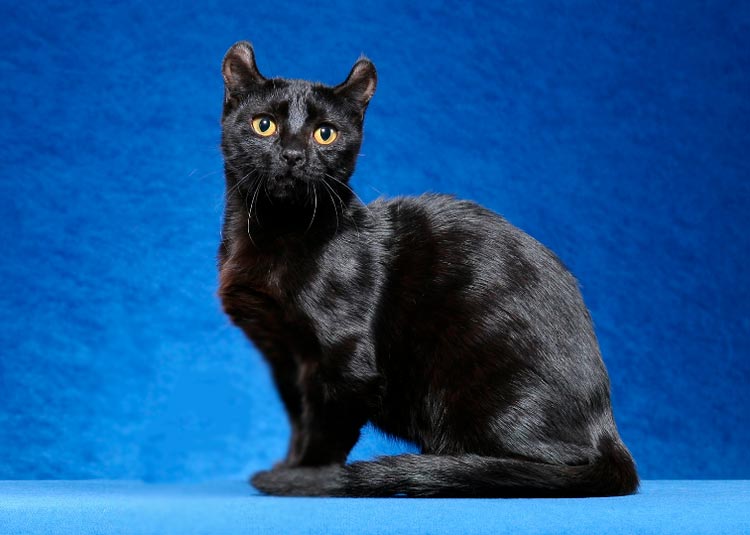
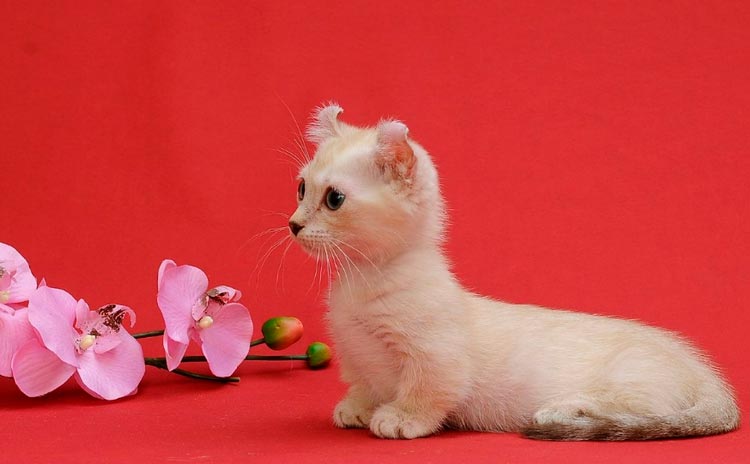
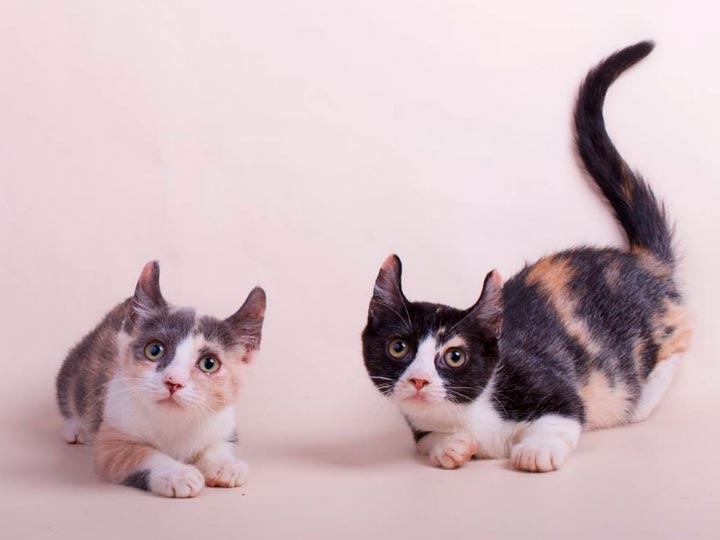
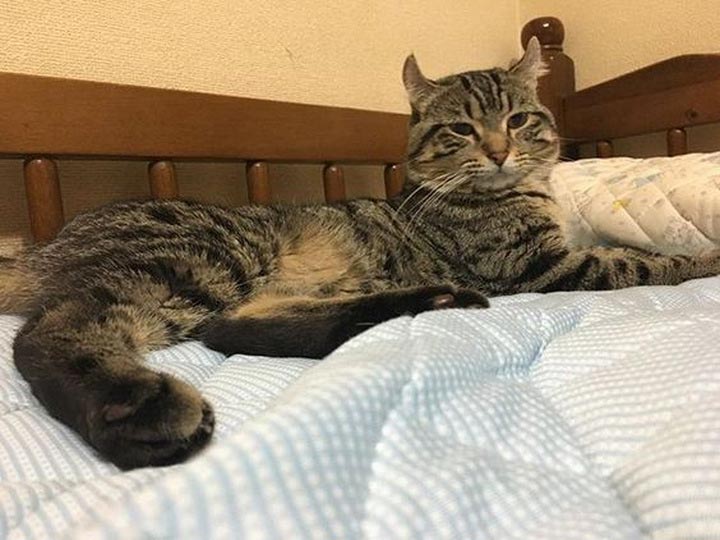
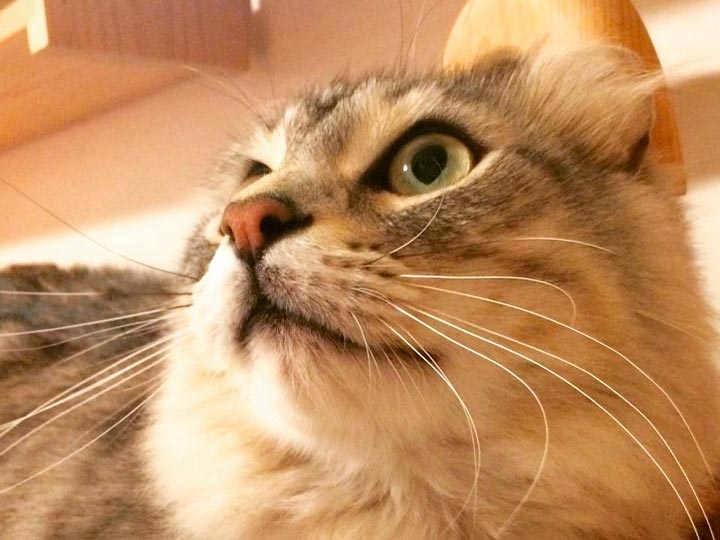
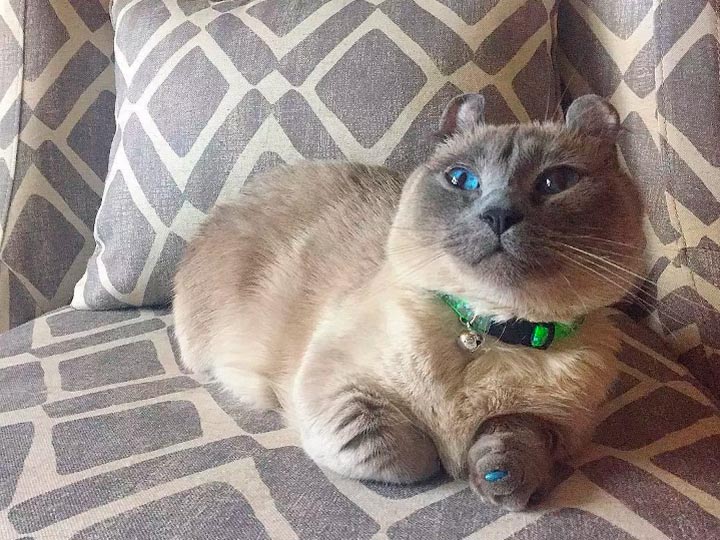
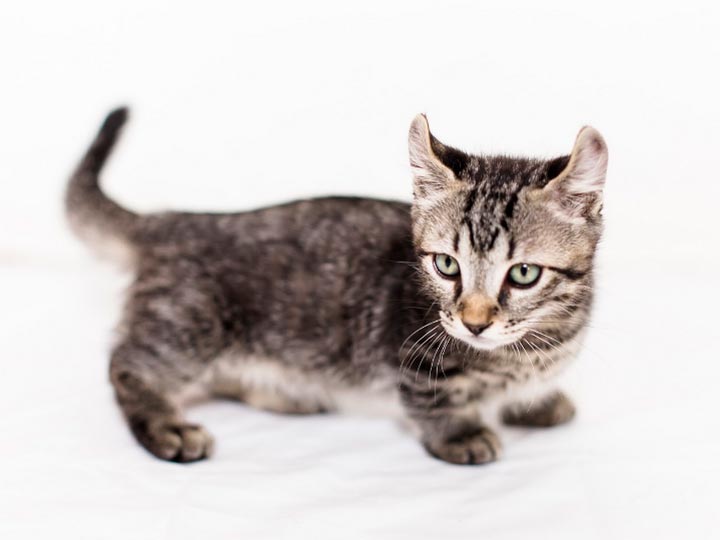
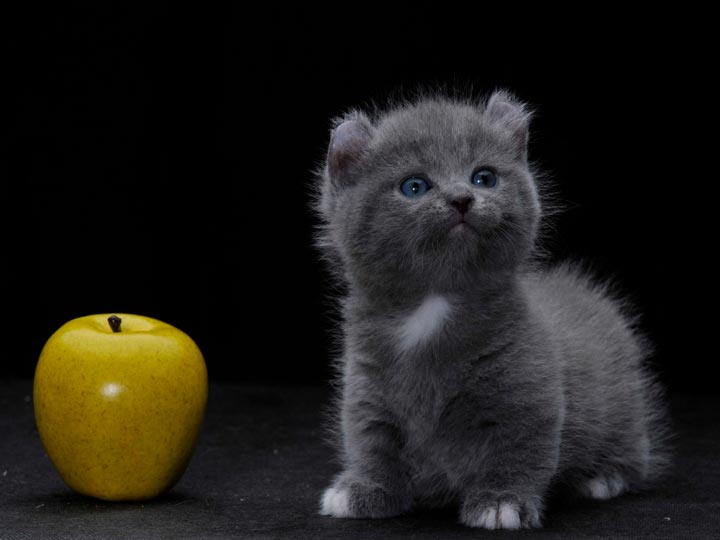
Kinkalows have a distinctive appearance that makes them difficult to confuse with any other breed. They have short legs and folded-back ears. Both male and female Kinkalows are small and very short. They stand about 20 cm at the withers and weigh about 3 kg.
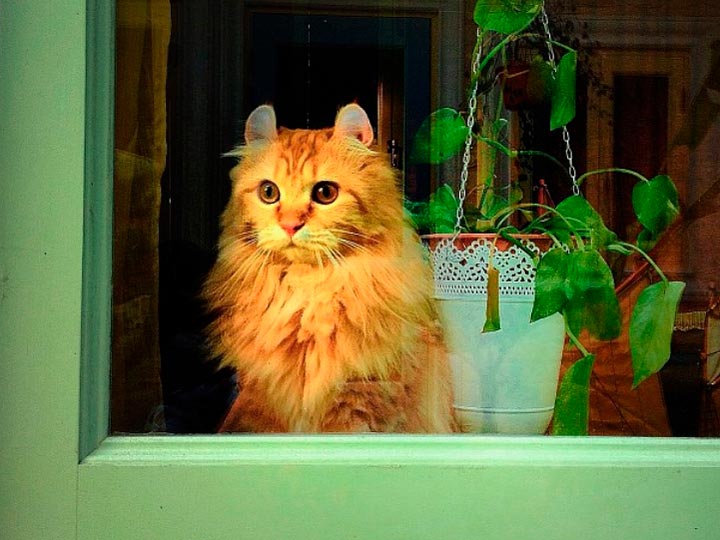
While the head and body are rounded, these cats should remain flexible, with well-developed but not overly muscular muscles, and should not appear bulky or clumsy. The plump legs are evenly spaced. The front legs are typically slightly shorter than the back legs. The tails are often longer than the body. Kinkalow kittens are born with straight ears. They begin to curl in the first week of life and are fully formed by five months. Part of the auricle bends back at an angle of 90-180 degrees.
The coat is soft and dense with a well-developed undercoat. It can be short or long. Colors vary widely.
Character and behavior
Kinkalows are appealing not only for their unique appearance but also for their personality. They are sweet, friendly creatures who retain the playfulness and innocence of a kitten well into old age. They are very sociable and people-oriented, but are rarely overly intrusive if they sense their owner is not in the mood, and are always ready to join in when they are noticed. They love affection and always strive to be the center of attention.
Kinkalows' gentle nature makes them excellent companions for people of all ages, experienced and novice cat owners alike.
Their short stature doesn't prevent them from leading a full life. Kinkalows are no less active than their long-legged counterparts and often prefer to observe things high up, such as on a table, a cabinet, or a refrigerator. They are very inquisitive and will always reach for anything that catches their attention. They get along well with other pets and get along well with children of all ages. They are not known for their aggressive behavior. In conflict situations, they prefer to withdraw. As for vocalization, Kinkalows are not particularly "talkative," meowing softly only when asking for food or otherwise needing something.
Content Features
Kinkalows adapt easily to any living conditions; they are essentially full-fledged cats, despite their small stature and folded ears. However, it's important to remember that they lack the feline independence typical of most members of their "tribe." Kinkalows are very sociable, requiring attention and regular playtime. They value comfort and coziness, so they often enjoy various houses and beds.
Considering that Kinkalows are very energetic and playful cats, they should definitely have toys and a play area at home.
At a young age, Kinkalows are trained to walk on a leash, although it's worth noting that many cats happily live indoors. In a private home, they enjoy going outside to bask in the sun and hunt insects. They may show interest in small animals, but rarely have a strong hunting instinct or the ability to catch rodents. Females prefer to stay indoors, and male cats, like any other cat, may wander off in search of love. If a male cat isn't of breeding value, it's best to neuter him. A host of dangers await these short-legged cats on these outings. They'll have a hard time fighting normal cats, evading a dog, or avoiding a car. Furthermore, there's a risk of contracting an infection from other cats or being stolen.
Care
Kinkalows are completely low-maintenance in terms of grooming. Occasional brushing and bathing as needed are sufficient, typically two to three times a year. Incidentally, kittens are very easily accustomed to water at a young age. Periodic attention to their ears is also necessary. Inspect the ear canal and clean out any wax buildup. If the cat doesn't go outside, you can trim their claws every three to four weeks. Their eyes generally require no additional care. Their teeth are also generally healthy. However, some owners brush them with a special toothpaste once a week for preventative purposes.
Feeding
There are no specific dietary restrictions for kinkalows. They are not prone to overeating and require a regular, complete diet. This can include natural foods, homemade meat and pates, or commercial dry or wet food. It's important that the food chosen is appropriate for the cat's age, activity level, and physiological condition. During the shedding season, fur vitamins are recommended. During other periods, quarterly vitamin and mineral supplements are recommended for cats fed a natural diet.
Health and life expectancy
Thanks to the successful breeding process, Kinkalows are now one of the healthiest breeds. They are extremely hardy and completely undemanding. Of course, this doesn't mean you can experiment on them, leave them outdoors, feed them anything, or neglect basic veterinary and preventative measures (timely vaccinations, treatment for external and internal parasites). Kinkalows are susceptible to any feline disease; they simply lack specific genetic abnormalities and predispositions. It's worth noting that the breed is still developing, and it's possible that some issues will be identified in the future. The lifespan of a kinkalow is typically 12-14 years., it is not uncommon to find long-lived cats of this breed.
Choosing a kitten and price
Purchasing a kitten outside the United States can be quite challenging. Very few breeders worldwide are involved with this breed, as it is currently experimental. However, there are enthusiasts in Russia and neighboring countries. Some breed kinkalows themselves and have breeding stock, while others resell and ship kittens from Europe and America. Kittens from the few litters that are available tend to have long waiting lists.
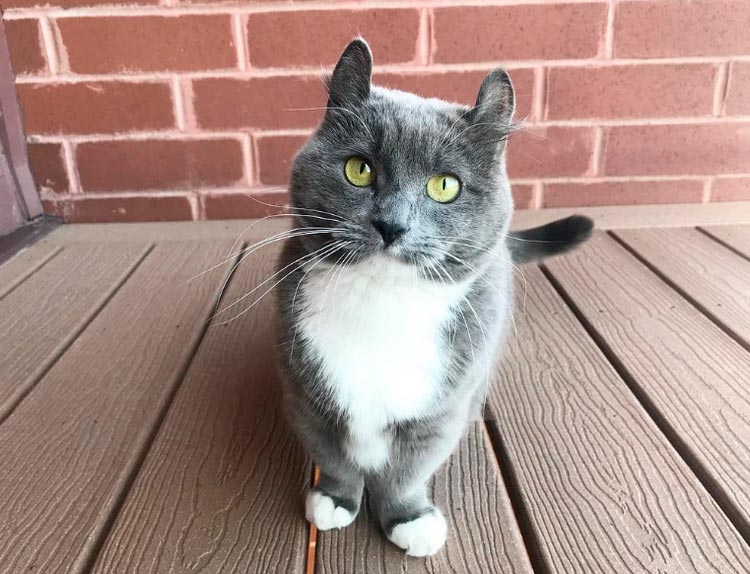
Prospective owners should be aware that several types of Kinkalow kittens are born in a single litter: standard (with short legs and curled ears) and so-called non-standard (kittens may have only curled ears, only short legs, or normal ears and long legs). Naturally, the price for these kittens varies significantly.
Price
Standard Kinkalows cost at least $1,000, while non-standards start at $250. The only proof that kittens belong to the breed is a pedigree.
Photos
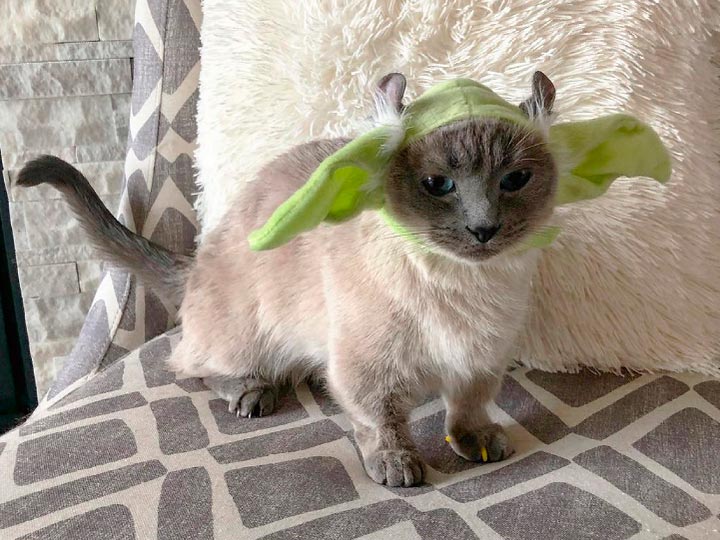
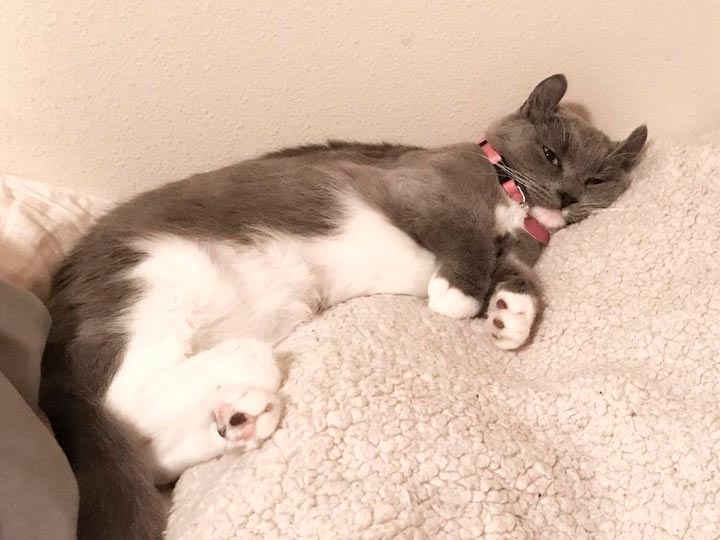
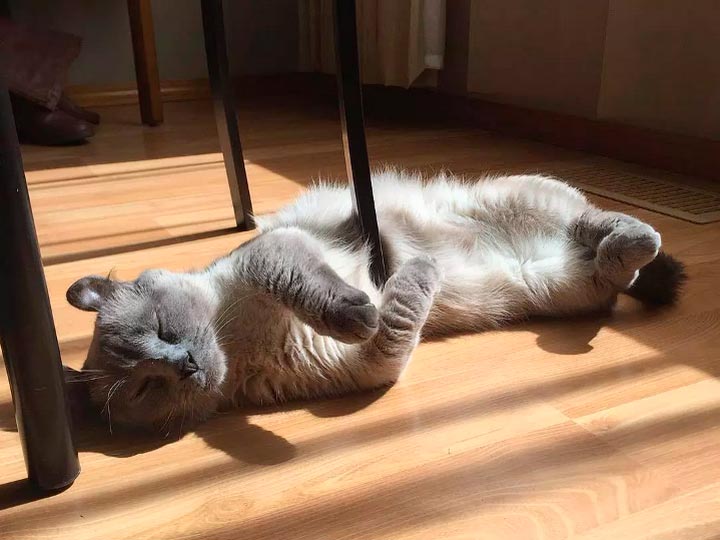
The gallery features vibrant photos of kittens and adult standard kinkalows with short legs and folded ears.
Read also:


Add a comment