
The King Charles Spaniel (toy spaniel) is a dog breed
The King Charles Spaniel, also known as the Toy Spaniel, is an exceptional companion dog, equally suited to families with children, young and active individuals, and the elderly. These miniature spaniels are intelligent and easygoing, adapting to their owners' lifestyles and requiring little grooming. The British call them "dogs that create comfort."
Content
History of origin
These small dogs have a very ancient history. It begins around the 9th century, when the Celts brought very similar dogs to the island. In the 13th century, during the reign of King Cnut, they began to be actively used for hunting, but several centuries later, miniature spaniels were already being kept at court as companions, as evidenced by numerous paintings by artists of the time.
King Charles I was very fond of small spaniels; he never left anywhere without two or three of his dogs. A special decree was even passed allowing the ruler to appear with King Spaniels in the Houses of Parliament, where previously no animals were allowed. Incidentally, this law is still in effect. And when the ruler died, not a single dog left his bedside. As a mark of respect, his son, Charles II, named the breed after his father.
In the 18th century, the fashion for dogs with short muzzles, which were imported from China and Japan, came to England, and spaniels began to be crossed with chins and pugs As a result, their appearance changed slightly: their ears dropped lower, their heads became more rounded, and their tails curled. Their character also changed slightly, becoming more stubborn and independent. Puppies with short muzzles were selected for breeding, resulting in the old type being virtually lost. It was later restored. In 1945, the long-muzzled King Charles was recognized as a separate breed under the name Cavalier King Charles Spaniel.
In 1885, the first King Charles Spaniel breed club was founded and an official standard was approved, with each color receiving its own name: tricolor dogs were called Prince Charles, black-and-tan and toy spaniels were called King Charles, red dogs were called Ruby Spaniels, and red-and-white dogs were called Blenheims. In 1902, the kennel club wanted to permanently rename the breed to the English Toy Spaniel, as it was known in other countries, particularly in America, but breed fans petitioned the king to retain the historical name, and he agreed.
Appearance and breed standards
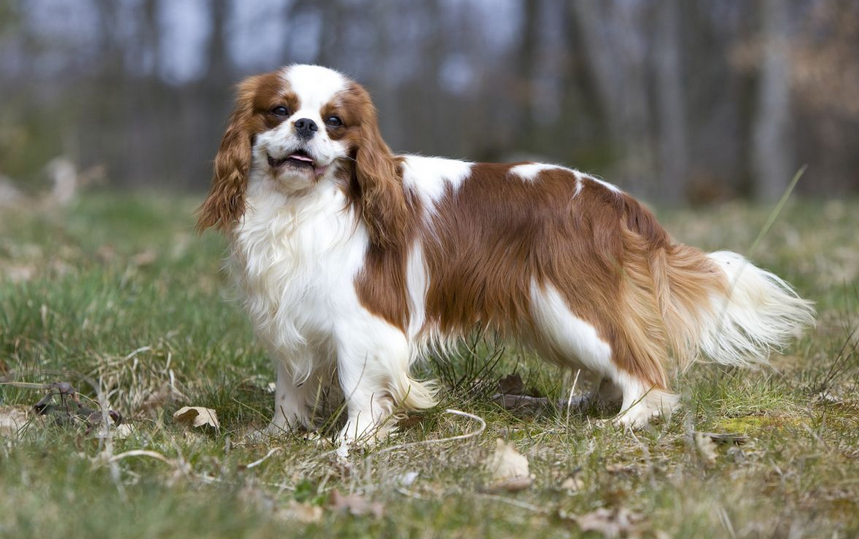
The King Charles Spaniel is a small toy dog with a slightly flattened, almost square muzzle. It weighs 4-5.5 kg and stands 25-27 cm tall.
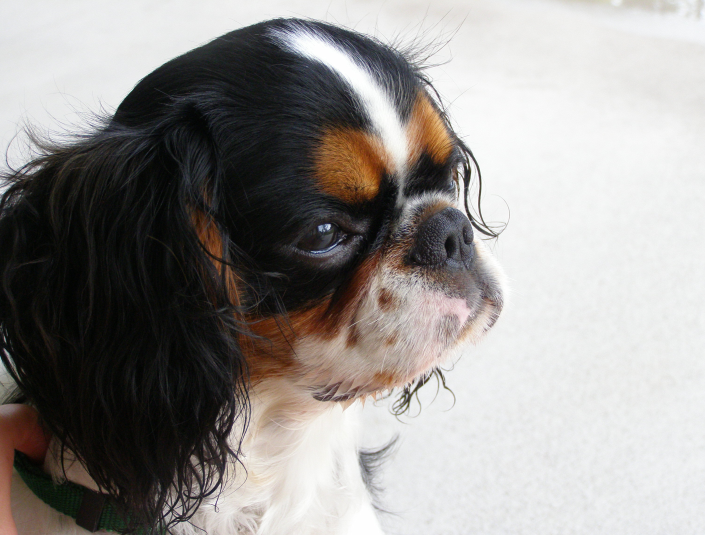
The head is rounded with a deep stop from the forehead to the muzzle. The muzzle is broad and short. The bridge of the nose is straight. The nose is black, with well-opened nostrils. The ears are pendant, widened at the base, set moderately low, and covered with long hair. The eyes are rounded and dark in color. The dentition is complete, with an undershot bite. The neck is strong, not long, with a slightly arched nape. The body is moderately elongated. The chest is deep, but not too wide. The back is straight. The croup is slightly sloping. The tail is long, carried no higher than the back, and can be curled like a pug's; therefore, they are sometimes docked in an attempt to maintain maximum length. The limbs are strong and set parallel.
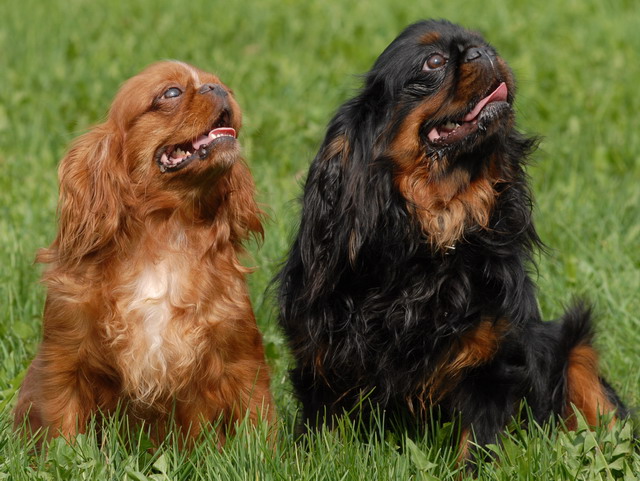
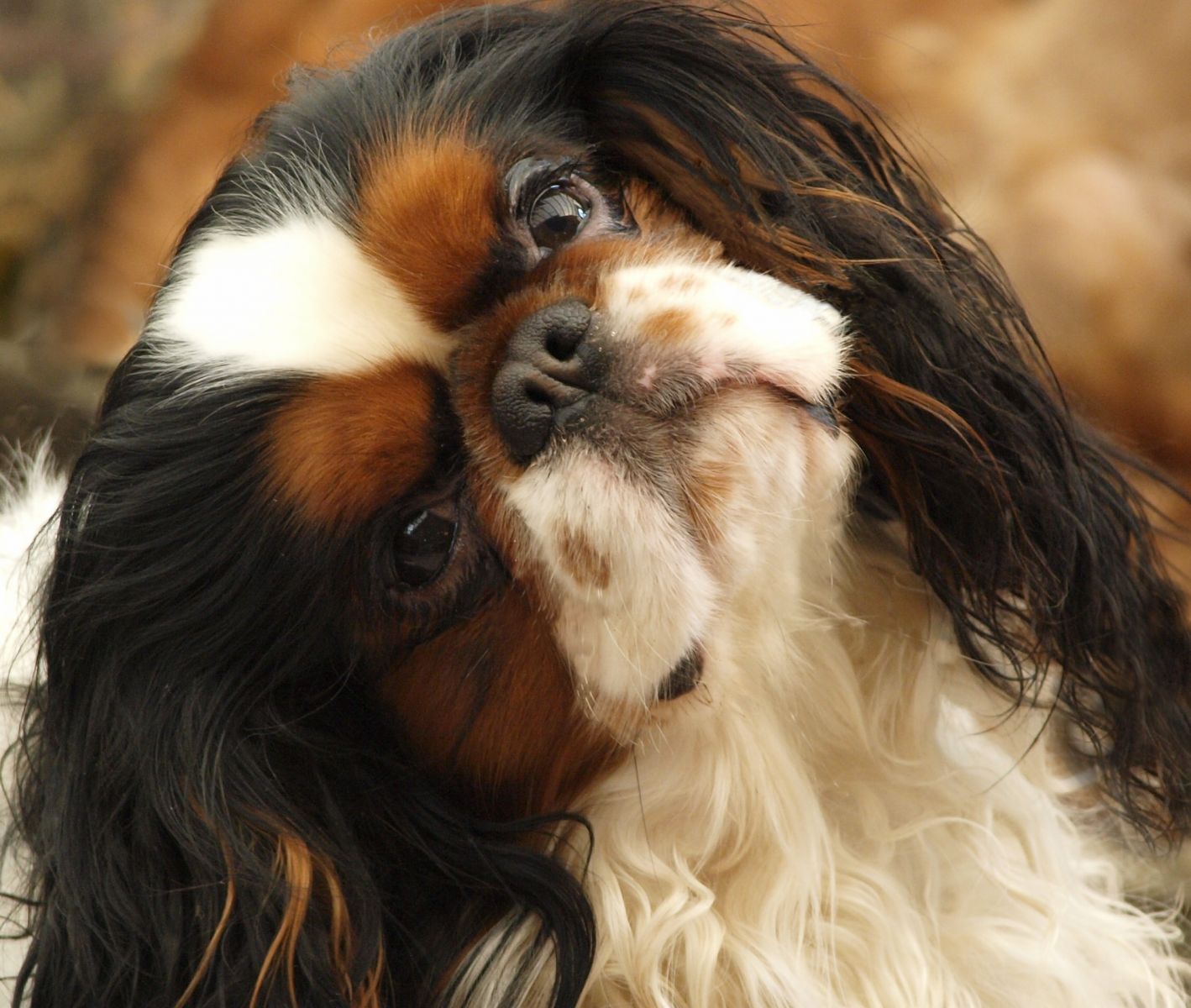
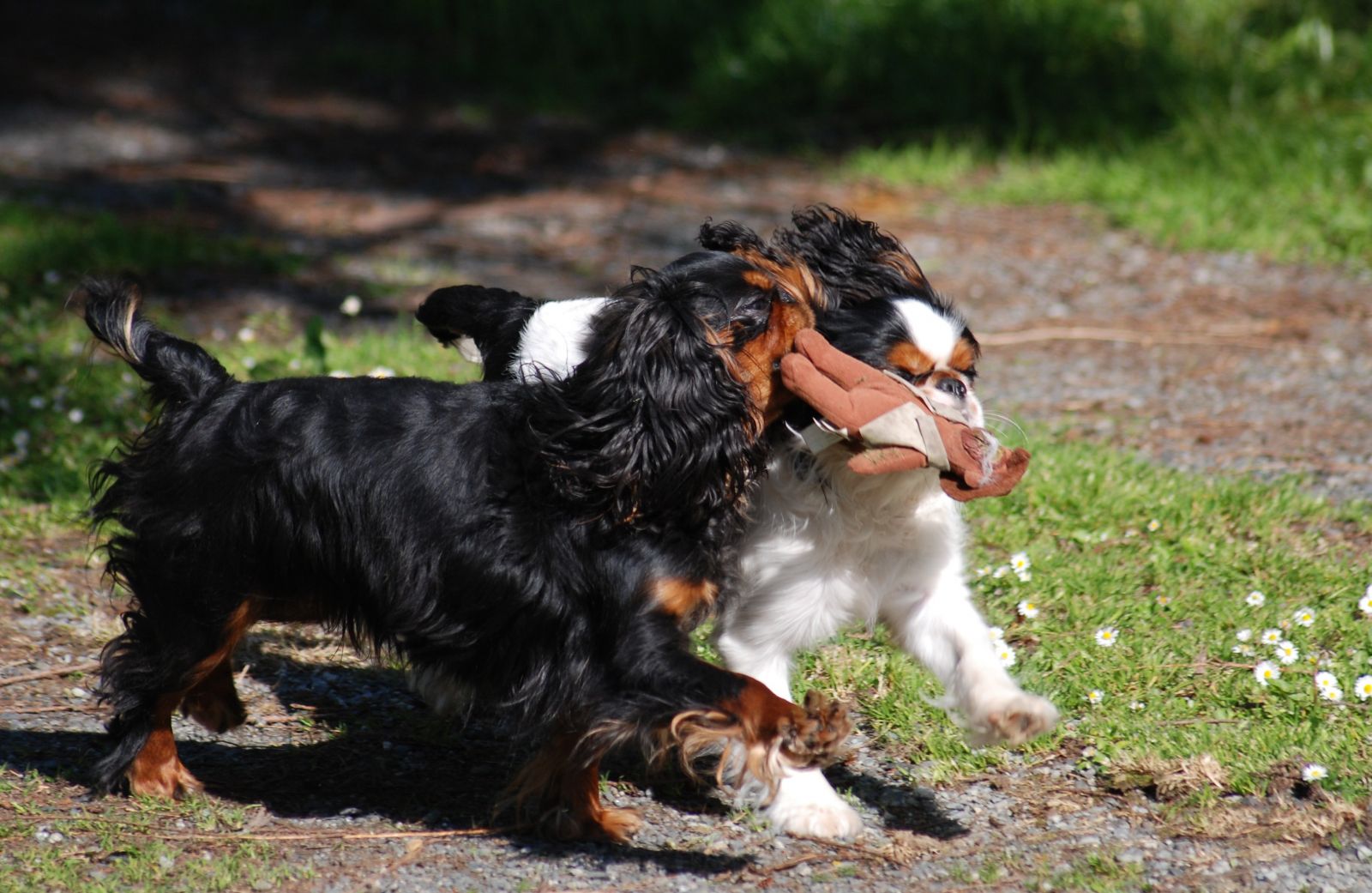
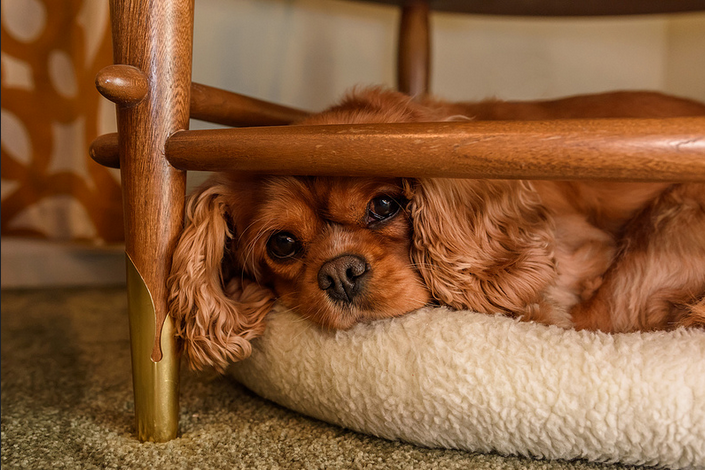
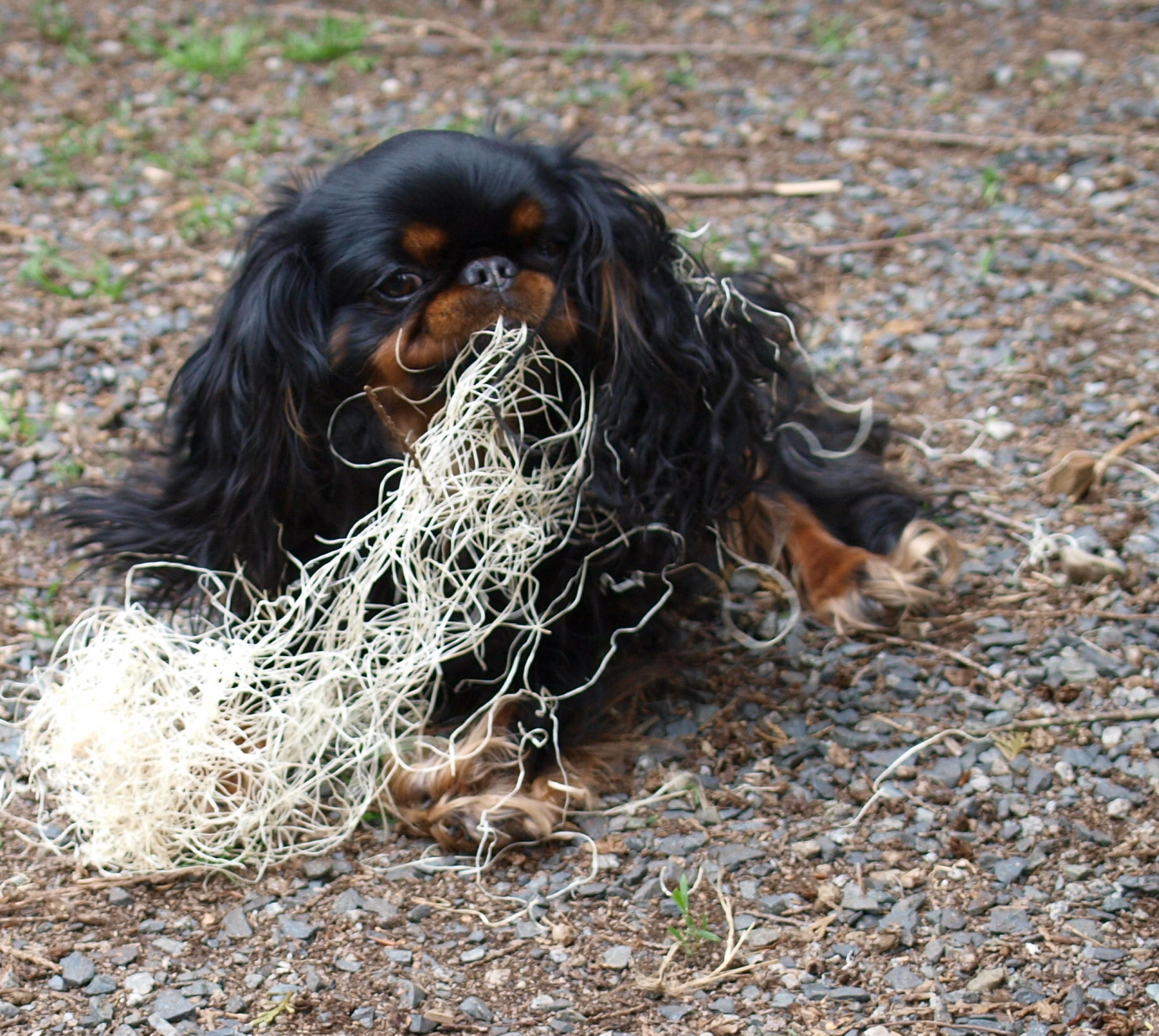
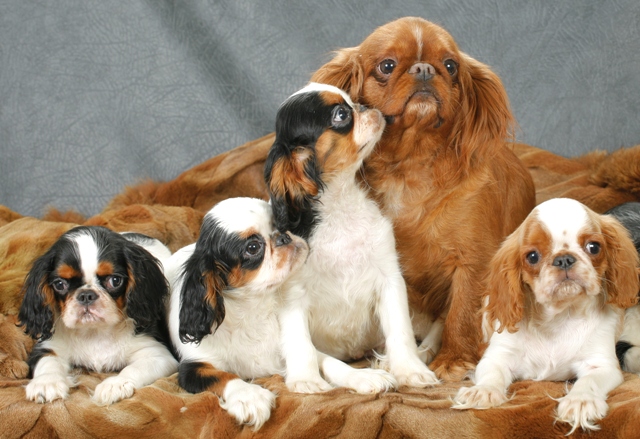
The coat is straight or wavy, with a partial curl permitted. The hair is longer on the ears, neck, underparts, legs, and tail. Four registered colors are available: black and tan, blenheim (chestnut on white), tricolor (black and tan with white), and ruby (rich red).
Education and training
Training a King Charles Spaniel is no different from training other dogs. They are docile and obedient, but not without a strong character, and can sometimes test their owner by doing things they're not supposed to, usually something as innocent as jumping into bed or stealing slippers. It's important to acclimate your little pet to public places and introduce them to other people and animals. For Toy Spaniels, there's nothing worse than harsh treatment and bossy training. This approach from an owner can lead to destructive behavior. However, attention and friendliness will help raise a true friend.
The concept of obedience isn't entirely applicable to a toy breed, but spaniels learn basic commands easily. They're also always happy to learn a trick and perform it with pleasure.
The King Charles is a sedentary breed that doesn't require vigorous exercise and is content with short walks. More vigorous exercise should be gradually introduced.
Character and psychological portrait
The King Charles spaniel's temperament perfectly suits its calling as a companion. These sociable, friendly, and intelligent dogs love to be the center of attention, adore people, always adapt to their owner's mood and rhythm, and are rarely pushy. In fact, interaction with their owner is the King Charles spaniel's primary goal. Without attention, the pet may become lethargic and lose interest in walks and games.
Due to their docile nature, they get along well with other animals. They are excellent with children, willing to play and frolic with them for long periods of time. They won't harm even the smallest children and will tolerate any mischief. However, it's more important to ensure that the child doesn't harm the dog than that the other way around.
Maintenance and feeding
The King Charles Spaniel is a toy dog that doesn't require a lot of space and will do well in an apartment of any size. Grooming is simple. They should be brushed weekly with a soft brush. Haircuts are not necessary. Trimming the hair between the toes is recommended to prevent dirt from accumulating. Their nails should be trimmed periodically. Bathe infrequently, as needed. Regularly inspect and clean their ears, and wipe their eyes.
A King Charles can be fed either natural food or dry food, as long as the diet is healthy and appropriate for their age and exercise level. If the dog is fed dry food, it should be provided with free access to drinking water. King Charles is a sedentary breed, so it's important not to overfeed them.
Health and life expectancy
Among the diseases that are most common in small spaniels, the following can be noted:
- heart valve defects;
- intervertebral disc disease;
- Patterson's disease (aseptic necrosis of the femur);
- cryptorchidism;
- hydrocephalus;
- epilepsy;
- eye diseases (glaucoma, cataract, eversion of the eyelids);
- In some generations, a genetic defect called hanging tongue syndrome is noted.
King Spaniels can dislocate their kneecaps due to careless jumping from heights. Like other short-muzzled breeds, they sometimes snore while sleeping or during vigorous exercise and do not tolerate extremely hot and humid weather. Toy Spaniels are also prone to ear infections because their ears are poorly ventilated. Life expectancy is 10-12 years.
Choosing a King Charles Spaniel Puppy and Price
It's best to choose a puppy from a reputable breeder that can guarantee the purity of the breed. Puppies are weaned at 30-40 days old, during which time they can be seen. The puppy must meet all the characteristic breed characteristics. Dogs sometimes have dewclaws; these are trimmed at 3-5 days of age. By the time they are weaned, the wounds have healed and become covered with hair. Puppies should be clean, physically fit, and have a good appetite. They should not have swellings on the joints or ribs, crooked limbs, or other signs of rickets.
The price of a King Charles puppy can vary significantly depending on the class. Dogs that aren't competing for show or breeding potential cost around $800, while potential champions will cost upwards of $1,500.
Photos
Photos of King Charles Spaniels:

Read also:


Add a comment