
Catalburun (Turkish Hound)
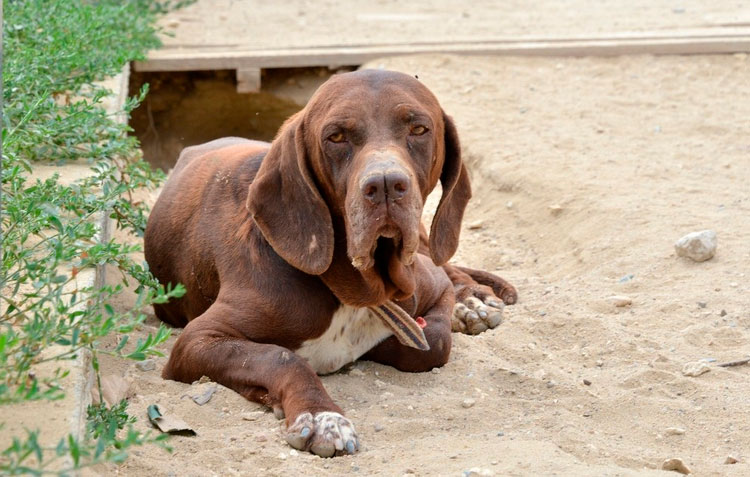
The Catalburun is a very rare Turkish breed of hunting dog, easily recognizable by its forked nose and long, drooping ears. In the rest of the world, they are known as the Turkish Hound or Turkish Pointer. The Catalburun has a typical hound disposition: it is friendly, forms a strong bond with its owner, and possesses a strong hunting instinct. The breed is not recognized by any organization worldwide.
Content
History of origin
The first mention of such dogs dates back to the 17th century. It is believed that for several hundred centuries, Catalburuns were common throughout the province of Mersin, and less frequently in neighboring ones. Incidentally, the province is also famous for being the one Mark Antony presented to Cleopatra as a wedding gift.
In Turkey, the Katalburun is a native hunting dog. No scientific research has been conducted on the breed. The only work was done by Taras Mustafa Kemal, a biology teacher at an Anatolian high school. Under his supervision, students described 80 dogs and conducted a comparative analysis. Kemal later submitted a petition to the provincial directorate of agriculture to register the breed group, but so far this has been unsuccessful.
The breed got its name from two Turkish words: catal - “fork” and burun - “nose”.
Catalburuns have been bred in Tarsus and surrounding villages for many years. Cynologists estimate that there are only about 200 purebred specimens of the breed worldwide. About 20 of these are kept at a kennel in Tarsus. Breeders plan to have the breed officially recognized in the future, which will facilitate its development and spread.
Purpose
The Katalburun is considered one of the best search dogs in the world. Its forked nose allows it to better sense scents, making it unique in its breed. In its work, the Katalburun uses both upper and lower senses. It maintains a typical pointer stance. Almost all dogs freeze, and about 80% also raise a paw. They are active and silent when working. When they sense game, they point to its location. Besides hunting, the Katalburun can be used as a sniffer dog for police or customs.
Video about the Catalburun (Turkish Hound) dog breed:
Appearance
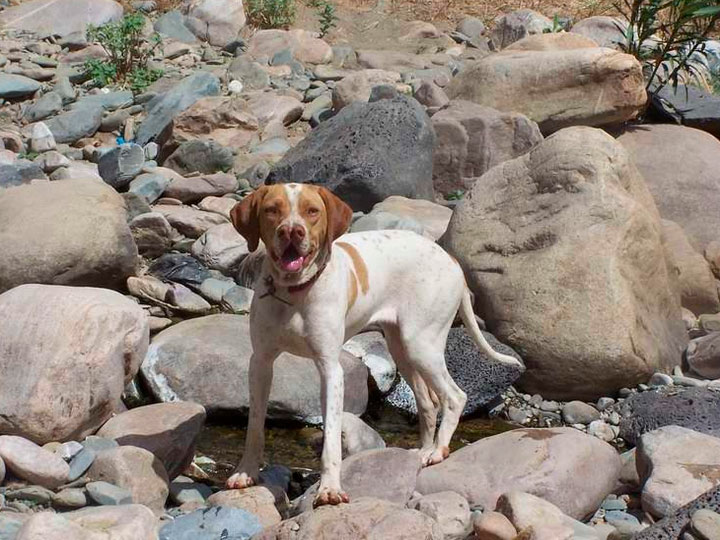
The Catalburun is a medium-sized, sturdy dog with a loose frame, thick skin, and short, close-fitting coat. Its color is typically bicolor. Males stand 45-63 cm at the withers and weigh 16-25 kg. Females stand 46-62 cm at the withers and weigh 14-22 kg.
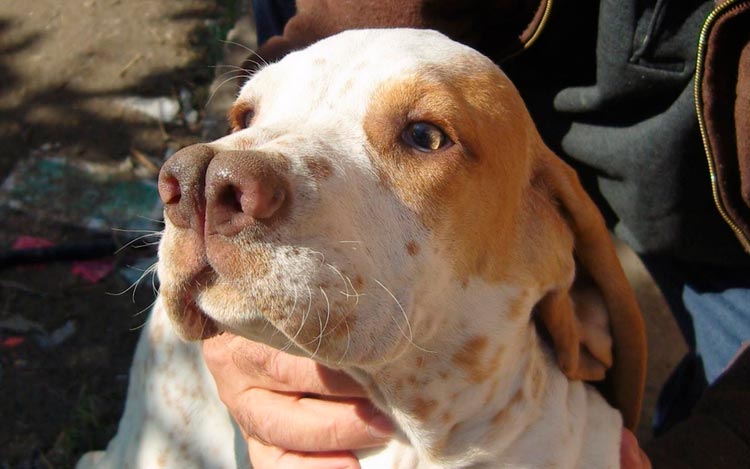
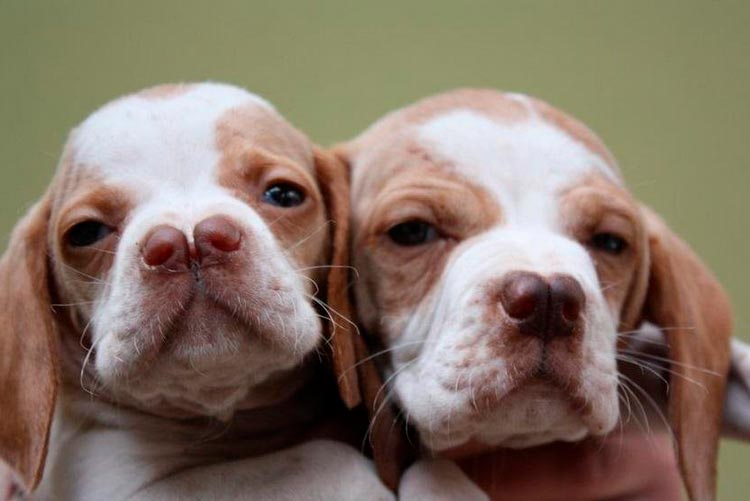
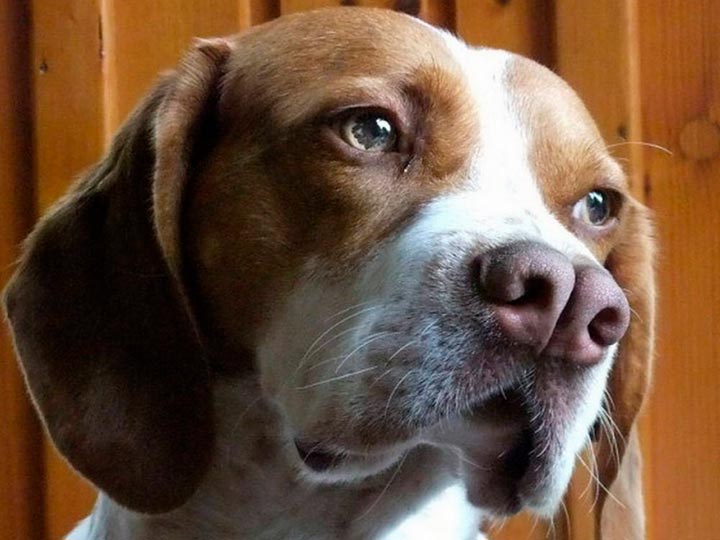
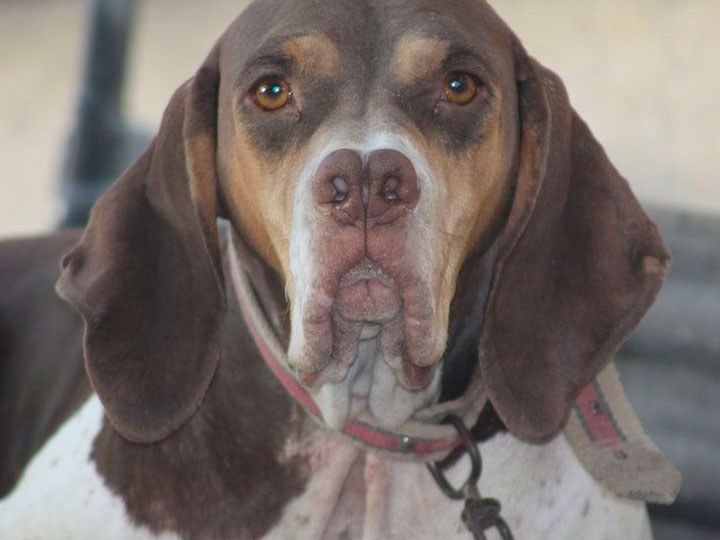
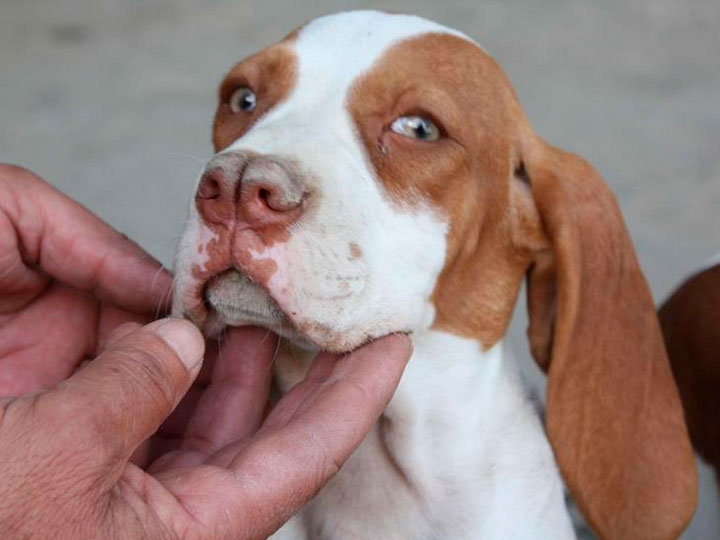
The head is large, with a prominent forehead. A visible furrow extends from the center of the crown to the tip of the nose. The muzzle is square, and the lips are fleshy. The upper lips form flews that completely cover the lower ones. The skin on the lower jaw is loosely taut and may form longitudinal folds. The eyes are almond-shaped, set wide apart, and usually brown. The intensity of pigmentation depends on the darkness of the coat. The nose is forked, with a prominent furrow on the bridge. The nasal passages open slightly to the sides, rather than forward as in a normal dog. The ears are wide, long, and thin, set approximately at eye level, hanging along the cheekbones and lying close to the head with the front edge. The teeth are strong. Most dogs have a scissor bite, but an undershot bite is sometimes observed.
The Catalburun is not the only breed with a split nose; there are two others: the Andean Tiger Hound and the Navarrese Pachoño.The skin is elastic. It appears to fit tightly, but can be noticeably pulled back. The neck is of moderate length with a dewlap. The body is slightly elongated. The withers are prominent. The back is straight. The croup is sloping. The tail is set low and long, but is usually docked at two-thirds. The legs are strong and well-boned. The chest is deep and wide. The belly is moderately tucked up.
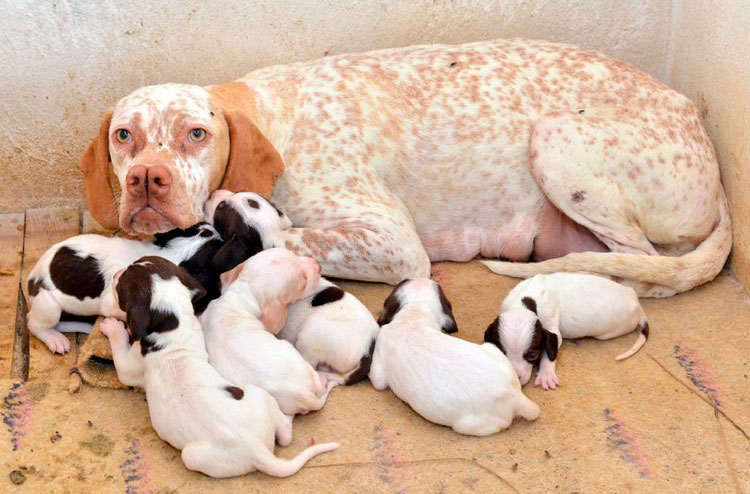
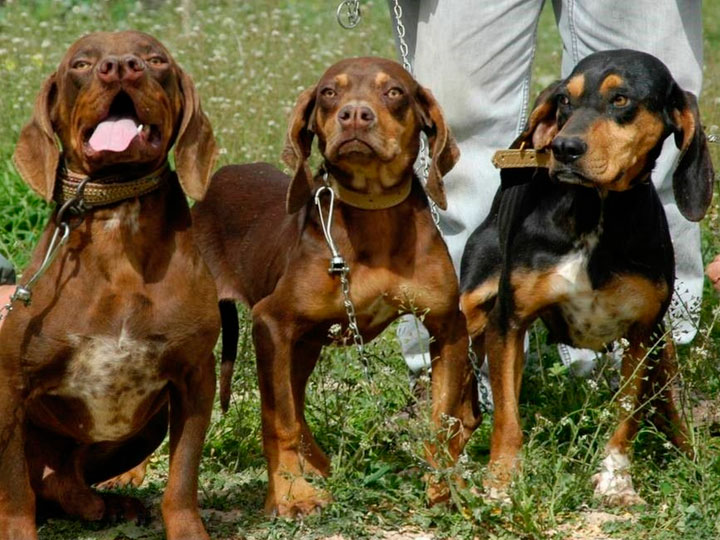
The coat is short, without an undercoat. The color is brown and white (with the brown varying from light wheaten to deep liver) or solid brown. Tan markings and speckles on the white are permitted.
Character and behavior
The Catalburun is a calm, even-tempered dog with a lively temperament. It is very energetic and eager to hunt. At home, it is calm and unobtrusive. It is prized by the Turks for its agility and endurance.
Owners say the Katalburun is quiet and friendly, disliking noise and fuss. Barks relatively rarely. It forms a strong bond with its owner and other family members. It is friendly with guests but wary of strangers. It gets along well with children and will not harm even the smallest and most persistent child. The same cannot be said about its relationships with other animals. Because the dog has a strong hunting instinct, living with small pets and birds can be quite problematic. The Katalburun does not get along well with other dogs, especially those of the same sex. Fights for dominance often break out between males. Turkish hounds usually ignore small dogs. They become accustomed to their own cats. They view neighbors' cats as potential prey. With early socialization, they learn to coexist peacefully with livestock.
The Katalburun is an excellent watchdog with a strong territorial instinct. It will not hesitate to drive away other animals and intruders from its home. However, it doesn't always come down to the teeth, so it shouldn't be considered a purely guard dog. It has also been noted that the Katalburun is more vigilant at night.
Education and training
The Katalburun shows average trainability. He's intelligent and quick-witted, but requires a special approach. Much like any other hunting dog, his energy and willingness to work allow him to achieve good results. Consistency and regular repetition of the material covered are crucial. Furthermore, the closer the relationship between owner and trainee, the more obedient and capable he will be.
Content Features
The Catalburun is not suited to apartment life. It requires a lot of exercise, space, and a large territory of its own. In Turkey, dogs are kept in enclosures Or on a leash in yards, sometimes let loose to run, taken for walks, or taken hunting. This type of care can be problematic in temperate climates due to the harsher climate. The Katalburun is a smooth-coated dog that will become very cold outdoors with the onset of the first cold weather. On the other hand, keeping it indoors or in an apartment is complicated by its need for ample exercise. If owners are willing to provide this, the dog will remain quiet and calm the rest of the time. Some Katalburuns are known to be prone to running away from home.
Care
Grooming a Catalburun is easy. It sheds lightly. Its coat requires infrequent brushing and occasional bathing as it gets dirty. Dogs that live indoors are typically shampooed once every six weeks to two months, while stray dogs are washed two to three times a year. Highly active dogs may require more frequent bathing, as dirty skin and coat develop a distinctive odor.
Ears and eyes require regular examination. Due to poor ventilation, ear canals should be cleaned promptly to remove wax and moisture after bathing to prevent infection. Nails should be trimmed as needed if they don't shed on their own.
Nutrition
The diet of a dog with such an unusual nose is no different from that of any other hound of similar size. Most breeders and owners prefer natural foods. The diet is formulated according to standard guidelines developed in service dog breeding or the BARF nutrition system. If desired, the dog can be introduced to commercial dry food. Catalburuns are suited to premium-grade foods for medium-sized dogs with normal or active lifestyles.
As a rule, Turkish hounds are not prone to overeating or food allergies, so owners only need to make minor adjustments to their diet if their physiological condition, age, or activity level changes.
Health and life expectancy
Pointers are highly prized by Turkish hunters for their working abilities. They are hardy, well-built, and have a stable psyche. The average lifespan of dogs is 13-15 years, which speaks to their robust health and immunity. The breed is susceptible to genetic diseases, but most are not life-threatening:
- Hip dysplasia;
- Tendency to dermatological diseases;
- Predisposition to otitis due to the special structure of the auricle;
- Thyroid problems.
Choosing a Catalburun puppy
Buying a puppy of a rare breed is difficult, but not impossible. The Catalburun is not common outside of Turkey, and is even rare outside of Mersin Province. Puppies aren't particularly popular. There are many other hounds in the world. cops, which are equal to the Catalburun in working ability. The fact that the breed is not recognized by any canine association makes it uninteresting to show enthusiasts.
The Catalburun, as a breed, is still in its infancy. Whether it will manage to stand out among other breeds and accumulate enough numbers to be registered with at least one international cynological association remains to be seen.
Price
The Catalburun is inexpensive in Turkey. Puppy prices listed on the website of the Organization for the Preservation and Development of the Catalburun Breed, which belongs to the Tarsus Hunting Club, typically range from 700 to 1200 Turkish lira, or approximately $200 to $300 US. Adult dogs that have proven themselves in hunting or are breeding dogs cost around $700. Shipping a puppy from Turkey may cost more than the cost of the puppy.
Photos
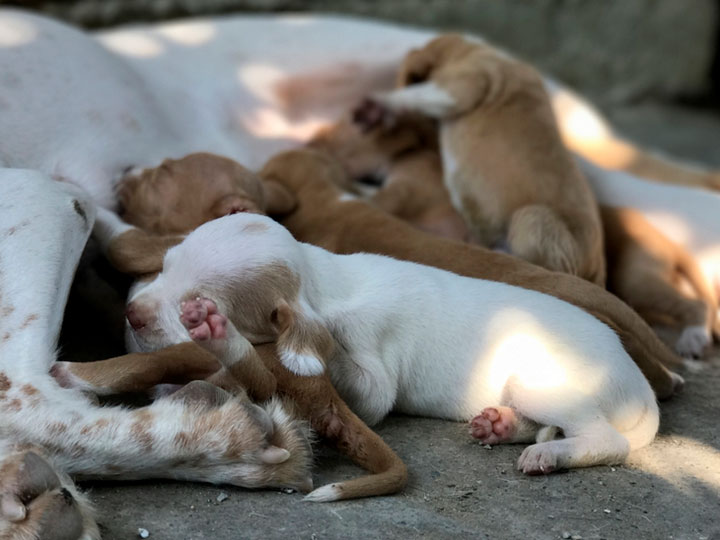
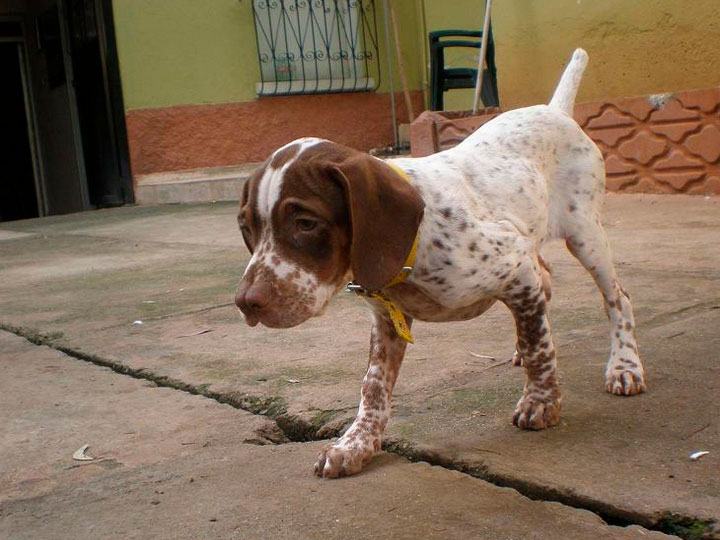
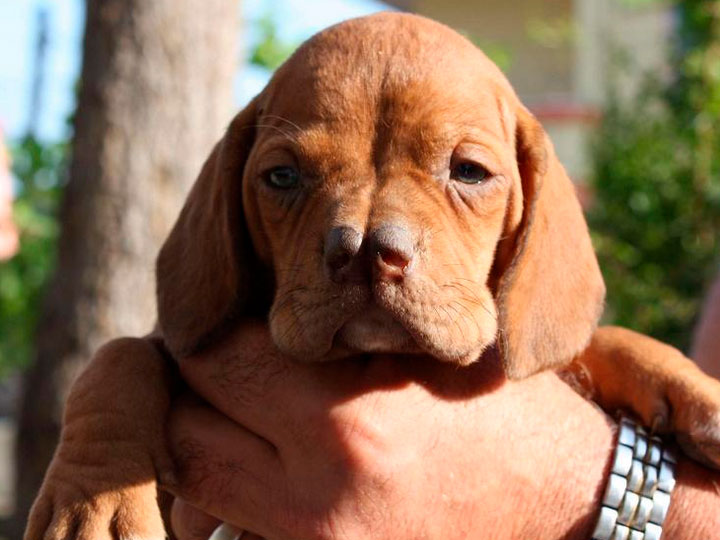
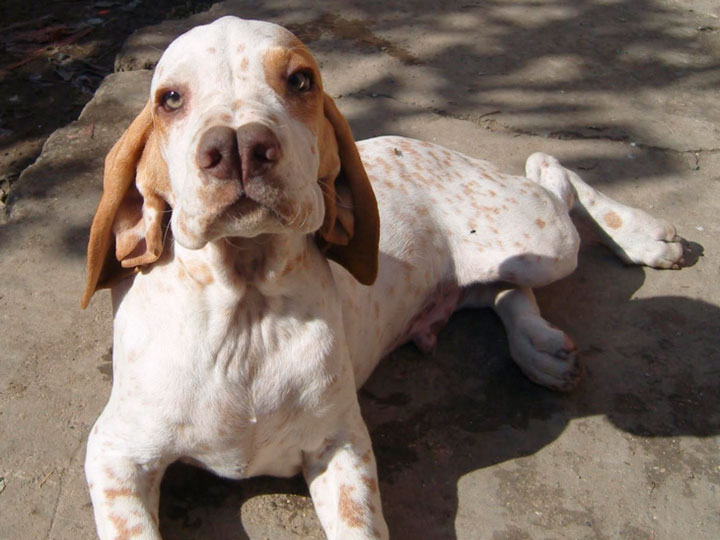
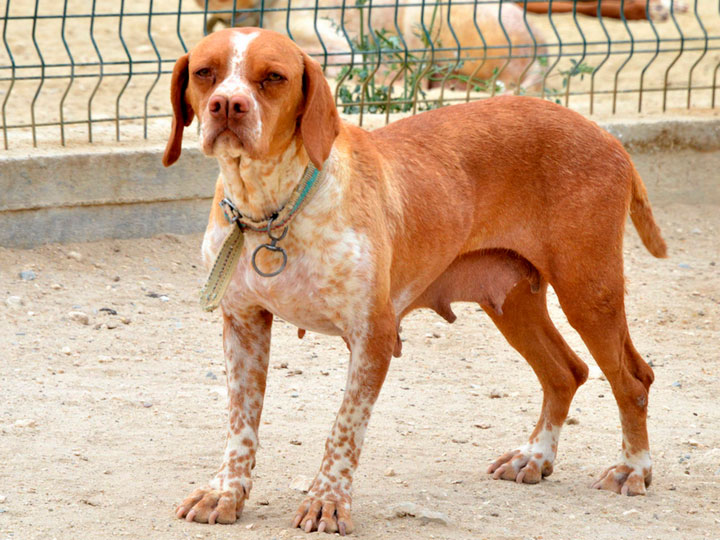
The gallery features photos of dogs of the rare Catalburun breed (Turkish Hound, Turkish Pointer).
Read also:


Add a comment