
Cat neutering: how it happens and what to do before and after the surgery
If you've decided to get a cat, the most important decision you'll have to make is whether to neuter it. What's best for you and your pet? Under what circumstances should it be neutered, and under what circumstances should it not?
Content
At what age can you castrate?
Neutering a male cat is usually performed between 8 and 12 months of age, after puberty has completed. After neutering, your pet won't require extensive post-operative care. It's a relatively simple procedure that poses no serious health risks.
Why is it necessary to neuter a cat?
In some cases, a cat may be neutered to treat a medical condition. However, most often, it's done to reduce aggression and prevent unpleasant odors from developing in the apartment.
If you live in an apartment and expect your cat to be an indoor cat, neutering is a good idea. This will benefit both the owner and the cat. It will eliminate unpleasant odors, escape attempts, and aggression from your pet.
Your pet will be calmer, as he will no longer need to satisfy his sexual needs. Neutering prevents the development of certain diseases common to most adult cats.
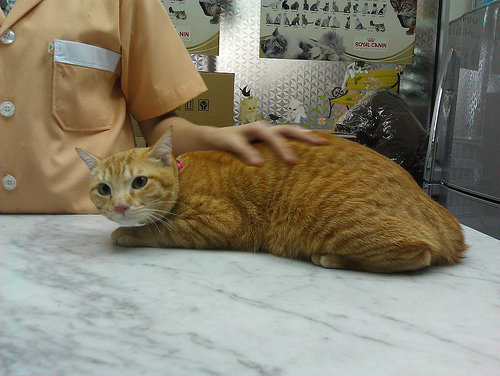
What to do before surgery?
If you decide to neuter your cat, you should shift the vaccination schedule so that several months pass between the surgery and vaccination.
All instructions given by the doctor must be followed. Stop feeding twelve hours before the surgery. This is to ensure your pet's stomach is empty, as this will help ease the anesthesia. Ensure your pet has no food for two hours before the scheduled time. After anesthesia, your cat will sleep for several hours, so bring something to carry them. Postoperatively, anesthesia causes a drop in body temperature, so it's a good idea to bring a blanket to cover them.
How does the operation go?
Be calm and don't be nervous, as animals can pick up on our moods. Apart from a short fast, there's no need to prepare your cat in any way. Before the procedure, the vet will take your temperature and listen to your heart rate. If these are normal, you'll be asked to leave and wait a short while. Your cat will be weighed and operated on under general anesthesia.
Depending on the skill of the anesthesiologist and surgeon, the surgery can take twenty minutes, sometimes even less. To reassure the owner that the surgery was successful, you may be shown the removed testicles. This is nothing to worry about.
After the surgery, the doctor will listen to the heart again and say that the pet can be taken home.
Important: If possible, keep your cat under observation at the clinic for a couple of hours. If your pet's body reacts poorly to anesthesia, they will be able to provide all necessary medical care.
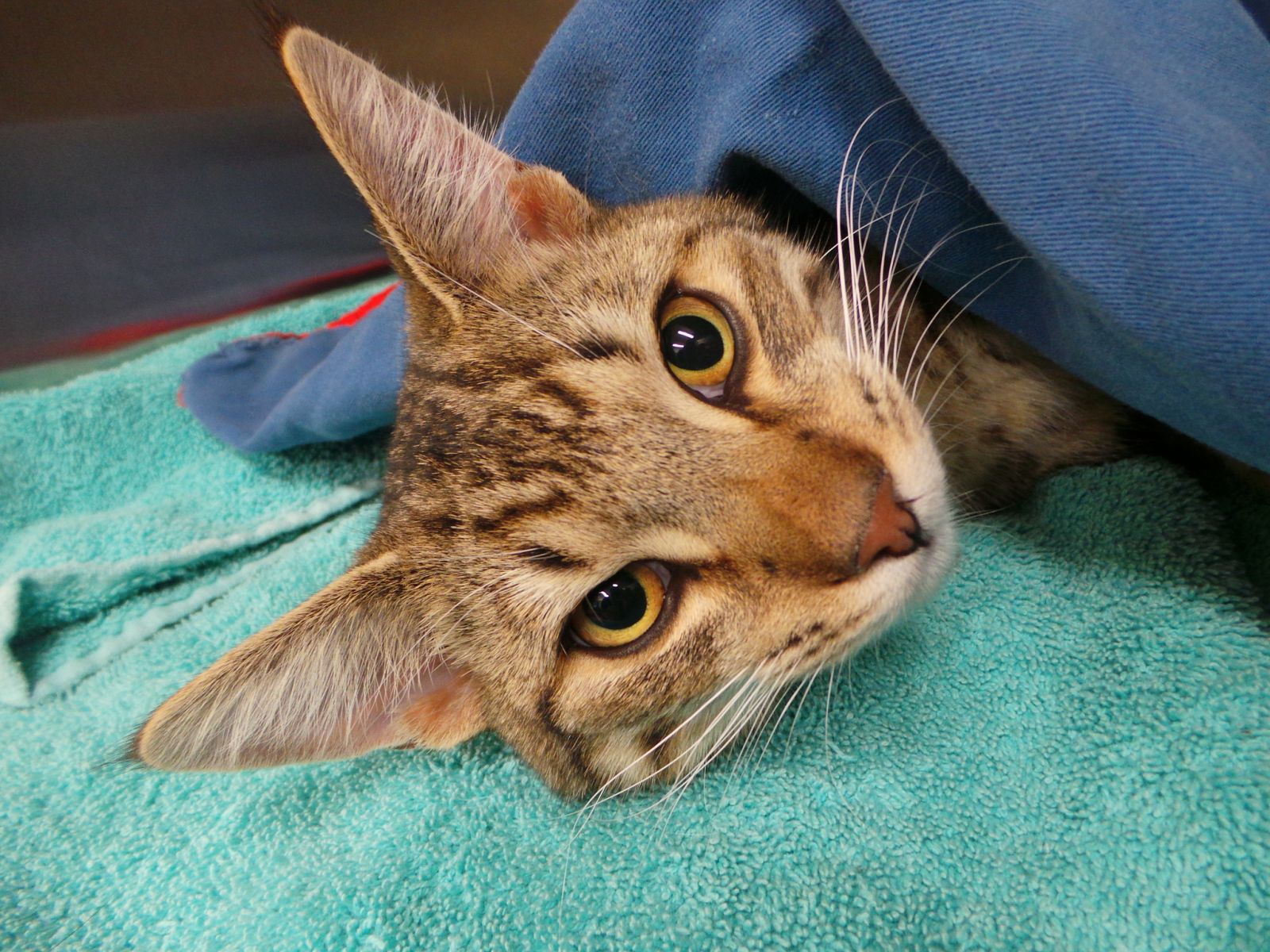
How to properly care for a cat after surgery?
The cat must be closely monitored for the first twenty-four hours after surgery. Recovery from anesthesia occurs within one to three hours, but its effects can be observed for up to twelve hours.
How does a cat recover after castration?
Your pet will exhibit poor coordination, an unsteady gait, and lethargy. Monitor your cat's breathing and body temperature after surgery. Place your pet on a sleeping mat or mattress on the floor, away from drafts, walkways, and radiators. Chairs, beds, and any other furniture should be avoided (if your cat is uncoordinated after anesthesia, it could fall and injure itself).
Every thirty minutes, move your cat from side to side to prevent circulatory problems. Listen to their breathing, touch their nose with your finger, and they'll wince. If you run your fingers through their ear hairs, they'll start wiggling. If they react clearly, your pet will soon wake up.
Don't allow your awakened cat to jump onto elevated surfaces—they could injure themselves by falling or misjudging the distance. An empty, clean litter box should be placed in the room where your cat wakes up. After anesthesia, it will be difficult for them to go to the bathroom.
When can I feed my cat after surgery?
After six hours, your cat can be fed lightly. After two or three hours, you can offer it water. If your pet has severely impaired coordination, wobbly paws, or a bobbing head, avoid giving it food or water for now, as it may choke due to a disrupted swallowing reflex.
Wound care
The postoperative wound heals quite quickly. After a few days, the marks of the surgery are almost invisible. The wound has healed, and the anesthesia has completely worn off. Often, stitches don't need to be removed, as there aren't any. To prevent the wound from becoming infected, it's crucial to keep the area clean. After each use of the litter box, wash it in hot water, and use it sparingly. filler not recommended.
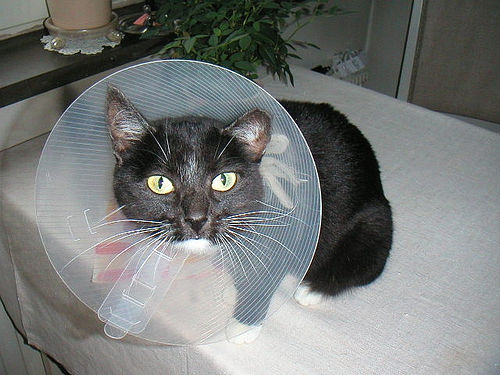
Try not to let your cat lick or scratch the wound, as it can become infected. If necessary, you can dress your cat in a dressing. special collar, which will exclude this possibility.
It's often recommended to use regular brilliant green to treat a wound. However, it should be applied to the surrounding tissue, not the incision. Sometimes the wound needs to be dried, while other times it's necessary to soften the scabs that formed during the healing process. Occasionally, the wound needs to be treated with antibiotic ointments. However, this is very rare. If necessary, consult a veterinarian.
What to feed a neutered cat?
What is allowed and what is prohibited for a cat after castration?
What does he need and what can he do?
If your cat's diet consists of natural foods, it should include beef, rabbit, cottage cheese, vegetables, boiled eggs, poultry, vegetable oils, and grains. If you're used to feeding commercial cat food, switching to food for neutered cats isn't necessary, but it should be of the highest quality.
Whether it's wet or dry food, your pet should drink plenty of water. If it's drinking little, consider preparing semi-liquid food and soaking dry food in water. However, the portion size should be reduced by ten to twenty percent, as your cat will be calmer after the surgery.
What should not be given to neutered cats?
The same as for all other cats: fried and salty foods, fatty foods, legumes, pasta, smoked meats, and low-quality food. A lack of adequate exercise can impact your pet's lifespan, regardless of whether you've neutered them. To ensure they stay strong, fit, active, and healthy for many years to come, you need to play with them more often. This is especially important for owners whose pets live at home.
You are your cat's everything, their entire world. And only you have the power to make their world interesting, varied, and alive.
A brief video overview of cat neutering from a veterinarian
Any questions? You can ask our website's staff veterinarian in the comments below, who will answer them as quickly as possible.
Read also:


1 comment
plaguebearer
According to folk methods, a cat reaches sexual maturity at 8 months. I decided to test this, and everything matched up: at 8 months, my cat started climbing on the other side of the bed. He doesn't understand what to do yet, but he's moving in the right direction. 🙂 PS:
I will not castrate.
Add a comment