
Feeding Dogs Porridge: Everything a Responsible Owner Should Know
Just 30 years ago, meat and cereals were the staple diet for dogs. But with the massive increase in the number and active advertising of commercial pet foods, the concept of natural nutrition, or simply "natural," emerged. Unfortunately, many misunderstand it, or even distort it to their own advantage. This raises numerous questions and debates, including: Is it okay to feed a dog cereal?
Content
A few words about natural nutrition
Natural nutrition is not food from the master's table! This term refers to feeding a diet that is as close as possible to the natural diet of a particular species—in our case, a dog. For example, is meat a natural product? Of course it is! For a dog, it is not for a cow. Hay is also a natural product, but for a cow, not for a dog.
Feeding carnivores bread, sweets, "natural" fried potatoes, pasta, and the like has nothing to do with natural nutrition, just like feeding dogs only porridge or seafood.
The dog is a predator, but!
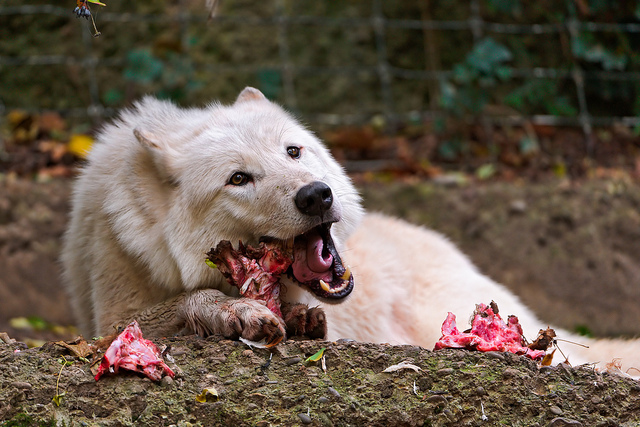
A dog should only eat meat, like a wolf—another misconception. Let's take a general look at the diet of wolves, our closest relatives.
In addition to animal food, wolves also eat fruits, berries, roots, amphibians, large insects, eggs (if they're lucky enough to destroy a clutch), and the excrement of herbivores. Gray wolves eat small prey whole; in larger prey, they first consume part of the skin (naturally with the fur), the intestines, and the stomach along with the contents. They then feast on the offal, and save some of the fillet for dessert.
Your pet won't be eating roots or moose droppings, but their diet should include carbohydrates and fiber, which means grains. When asked if it's okay to feed a dog grains, we say yes.
What kind of cereals can dogs eat?
Healthy pet nutrition requires careful selection of ingredients. This also applies to grains; not all are created equal. Let's explore which cereals are appropriate for dogs, and which are best avoided.
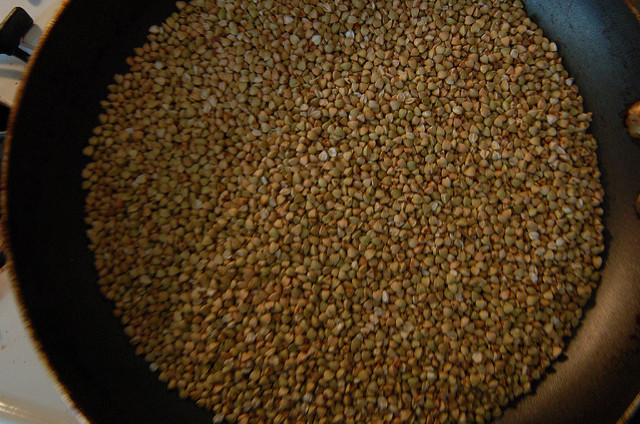
Buckwheat
Buckwheat is one of the most nutritious grains. It contains trace elements, vitamins, and plant-based proteins. Buckwheat porridge has a positive effect on metabolism. Furthermore, it is rich in lecithin, making it recommended for liver diseases. This rich composition is both an advantage and a disadvantage: some dogs may experience allergic reactions.
Rice
Rice, especially unpolished rice, is a natural sorbent, rich in fiber, macro- and microelements, and vitamins. Rice porridge stimulates digestion and is easily absorbed by the body.
Oatmeal
Oatmeal is no less beneficial, containing vitamins, macro- and microelements, has an enveloping effect, and stimulates peristalsis. It is not recommended to give oatmeal in its pure form, as it may cause digestive upset, but only in combination with the above-mentioned ingredients. cerealsPorridge contains a lot of carbohydrates and can cause obesity in dogs that lead a sedentary lifestyle.
Oatmeal is contraindicated for animals suffering from urolithiasis.
If your pet has any health problems, be sure to consult your veterinarian about the best cereal to feed your dog.
Cereals not recommended for feeding dogs
Semolina
Semolina contains a lot of carbohydrates but lacks trace elements and vitamins, so it's not fed regularly. Veterinarians may introduce semolina porridge into the diet for stomach problems. Semolina porridge with milk is acceptable in puppies' diets to meet their high energy needs.
Corn grits
Corn grits are a very popular product in the production of ready-made dog food, and many dog owners have begun to introduce corn porridge into their pets' diets.
In terms of nutritional content, the product is far from a leader, and is also poorly digestible. However, in small quantities it can be a useful supplement, as it inhibits fermentation processes in the intestines and stimulates hematopoiesis due to its high content of nickel, iron, and copper.
Barley groats
Barley is not inherently harmful, but it is considered an incomplete food for dogs. It is difficult to digest and does not provide essential energy.
Millet
Millet is difficult for dogs to digest. In large breeds, large amounts of wheat porridge can cause intestinal obstruction.
Pearl barley porridge
Pearl barley porridge It is practically indigestible and is a serious allergen. The grain's nutritional value is low, but its fiber content is very high, so it is recommended for obesity or constipation, unless it causes an allergy.
Pea porridge
Pea porridge, like other legumes, is strictly contraindicated for dogs due to the risk of bloating. Due to their anatomy, flatulence is much more severe in dogs than in humans.
Now you know what kind of porridge to cook for your dog, all that's left is to figure out how much porridge your pet needs and how to prepare it.
How much porridge should I give my dog?
Now that we've decided on the grains, let's calculate how much porridge to feed your dog per feeding. The main dish—porridge with meat and vegetables—is fed at a rate of 60-70 grams per kilogram of body weight per day. This amount is divided into 2 or 3 meals.
The ratio of products is as follows:
- 50% sinewy meat and offal;
- 30% porridge;
- 20% vegetables and fruits.
Thus, per kilogram of a dog’s weight, 30-35 grams of meat, 20-25 grams of porridge, and 5-10 grams of vegetables and greens are needed per day.
A dog weighing 15 kg, with two meals a day, should eat 150-190 grams of porridge per feeding or 300-375 grams per day.
How to cook porridge for a dog correctly?
First and foremost, dog owners should understand that their pets don't need extreme dietary variety. Dogs don't need to constantly try new foods; on the contrary, their digestive tract adapts to one type of food and is specifically designed to digest it.
Drastic changes in diet will, at best, cause digestive upset. It's important to decide what kind of porridge to cook for your dog and stick with it.
Now let's move on to the actual cooking process. To properly prepare dog porridge, you need to follow a few simple rules. The porridge can be a single-ingredient porridge or a mixture of several grains. Cook the porridge in water without salt or spices. Any grain should be well-cooked and crumbly, not sticky. It's recommended to steam oatmeal rather than boil it. Five minutes before it's ready, add finely chopped or grated vegetables and raw meat. Offal is also added at the end, but pre-cooked. Giblets are cooked separately from the porridge; broth is not used.
Recommendations for preparing porridge for dogs
- The ratio of cereal to water is 1 to 3;
- Any spices are contraindicated, even if it seems that with them the pet eats its portion faster;
- Porridges should not be salted, especially for animals prone to or suffering from urolithiasis.
- When the porridge is cooked, leave it to steep under the lid for at least half an hour.
- A little vegetable oil or fish oil is added to the finished porridge.
Cereals are essential in a dog's diet. They are a storehouse of minerals, plant proteins, and vitamins, especially B vitamins. Carbohydrates provide energy, and fiber ensures normal intestinal function.
Why is it better to cook porridge in water?
Why porridge shouldn't be cooked in broth is a hotly debated topic these days, with people, as is often the case, often taking extreme measures. Meanwhile, feeding broth to dogs is truly undesirable, especially the kind we're accustomed to: rich and rich.
Long cooking times leave undigested fats, toxins, and other substances unneeded by dogs in the broth. These substances travel from the stomach to the liver, where they cause cellular damage. Furthermore, any dilution of gastric juice disrupts the balance and adversely affects digestion. Constantly feeding rich broths can trigger the development of erosive gastritis.
Low-fat, double- or triple-boiled broths are sometimes safe for dogs. However, it's not recommended to cook grains in them. Dogs get used to meat-flavored porridge and then refuse food cooked in water, while owners inevitably follow their dog's instructions and continue to buy soup sets.
What's the best porridge for a dog? Fresh, high-quality ingredients with meat, vegetables, and greens. If you're a caring owner and decide to feed your dog a natural diet, follow these simple guidelines to ensure your pet lives a long, and most importantly, healthy life.
Read also:


2 comments
Rita
Read carefully—it's not about the total amount of food, but about the amount of grain in the diet, which should make up 30% of the total. Therefore, the article is correct—390 grams of grain per day for a 15 kg dog.
Daria
If 60-70 grams of food per 1 kilogram of weight per day, then for a 15-kilogram dog this is not 390 grams, but 1050 grams per day.
Add a comment