
Dog Cough: Causes, Symptoms, and Treatment
The causes of a dog's cough can vary significantly, from the common cold to serious illnesses such as pneumonia or parasitic infections. Assessing all the symptoms on your own can be difficult, so don't delay a visit to the veterinarian, who will conduct a diagnosis and prescribe the appropriate treatment.
Content
General symptoms
Side signs that the animal has a serious problem include the following changes in its health:
- Vomit.
- Poor appetite.
- Weight loss.
- Enlarged lymph nodes.
- Sleep disorders.
- Aggression or, conversely, apathy.
- Increased body temperature.
Important: If we're talking about brachycephalic breeds, it's important to remember that coughing in them isn't considered a physiological abnormality due to the unique shape of their skull. These include Pekingese and French Bulldogs. boxers and other flat-faced dogs.

How does a dog cough?
Some people are surprised by the idea of dogs coughing, but it's completely normal. A dog's cough is visually evident as a sharp, forced exhalation with the glottis closed. This process is a protective mechanism that helps the body get rid of mucus and foreign particles.
Typically, a cough is preceded by a deep inhalation, followed by a forceful exhalation. During intense coughing fits, the dog's neck often stretches out, and the body may visibly shake.
Sometimes owners confuse a cough with reverse sneezing syndrome. Reverse sneezing occurs when the larynx and soft palate are irritated by foreign particles. If a pet coughs after eating, it's likely reverse sneezing, not a cough. This process is considered normal and doesn't require treatment if it occurs infrequently. However, if symptoms persist for several days, the animal should be examined by a veterinarian.
Causes of cough
In most cases, cough can be a consequence of the following diseases:
- Infectious (enclosure) tracheobronchitis.
- Angina, tonsillitis and other respiratory diseases.
- Allergic reactions.
- Pneumonia, bronchitis.
- Oral infections, dental diseases.
- Tracheal collapse.
- Diseases of the cardiovascular system.
- Oncology.
- Parasitic infestations.
Coughing can also be caused by foreign objects stuck in the throat (pieces of bones, branches, toys, plastic) and mechanical injuries to the chest.
Kennel cough (viral cough)
Infection occurs from a sick dog to a healthy one via airborne droplets. The risk of contracting tracheobronchitis arises in places where large numbers of animals congregate, such as pet stores, exhibitions, veterinary clinics, training facilities, kennels, etc.
Adult dogs tolerate the disease without serious complications and can expect to recover within 10-15 days, unlike puppies, whose immune systems are not yet ready for such a challenge. Their recovery process often extends to 1-1.5 months.
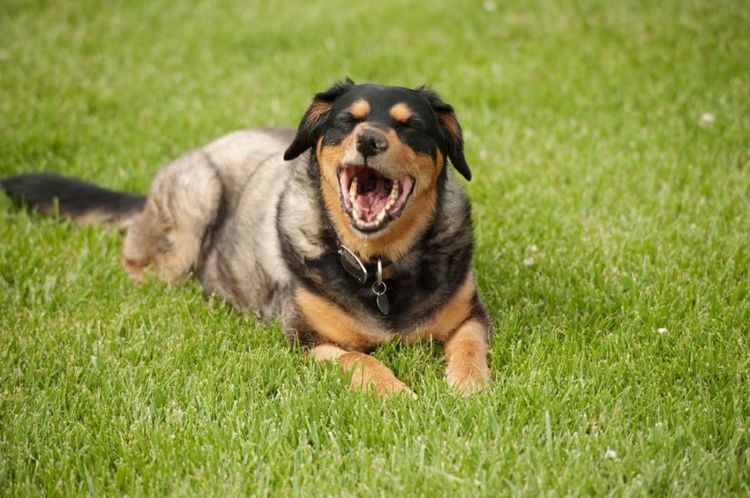
General symptoms are as follows:
- A frequent, dry, and persistent cough. Typically, it appears a few days after a sick dog is infected. It feels as if the animal has something stuck in its throat and is trying to spit it out.
- Gagging when coughing, accompanied by the release of foamy fluid.
- Decreased or complete loss of appetite.
- Enlarged tonsils.
In severe cases, fever, eye discharge, runny nose, and sneezing may occur. Since the clinical picture is similar to pneumonia and distemper, self-medication is strictly contraindicated. Failure to seek medical attention promptly can be fatal for weakened animals.
Treatment consists of antitussives, expectorants, and antibiotics. The medication regimen and duration of therapy are determined based on the progression of the disease, the animal's age, weight, and other individual factors.
As a preventative measure, it is worth paying attention to the following recommendations:
- Provide the dog with comfortable living conditions - peace, warmth, and good nutrition.
- Install a humidifier in the room to make breathing easier.
- Avoid contact with other animals to prevent them from becoming infected.
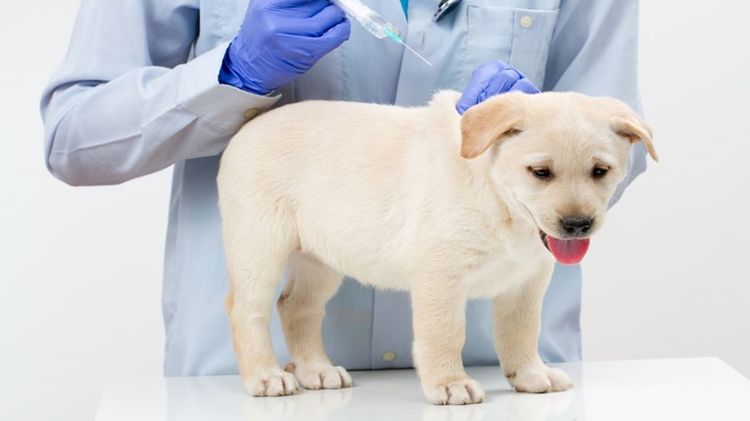
- Do not skip scheduled vaccinations.
Pneumonia
The most common causes of pneumonia include hypothermia and prolonged exposure to dampness, poor nutrition, immune system problems, and various pathogens such as fungi, bacteria, and chlamydia.
Characteristic signs pneumonia:
- A wet cough accompanied by the production of sputum.
- Chills, fever.
- Persistent high body temperature.
- Loss of appetite.
- General weakness, exhaustion.
Home treatment is not recommended; it should only be prescribed by a doctor, based on the diagnosis and underlying cause. Antibacterial medications are mandatory, as well as medications that thin and loosen mucus. Multivitamins are prescribed as a preventative measure.
During treatment, the dog is placed on a diet consisting of light food, low-fat broths, steamed vegetables, porridge, or special dry diet food. Give your pet maximum attention and care, ensuring peace and a warm, draft-free sleeping area.
Angina
An infectious disease that can be acquired externally or as a result of an internal source—for example, gum inflammation and caries, chronic rhinitis, a foreign body getting into the throat, etc.
Clinical picture:
- Loss of appetite (partial or complete).
- Frequent swallowing of saliva, gagging.
- Elevated body temperature.
- Dry cough without sputum production.
- Enlargement and redness of the tonsils.
- Bad breath.
The medication regimen for tonsillitis is largely similar to that for pneumonia: plenty of fluids, antibiotics, and vitamins. The dog is placed on a temporary nutritious diet and is not allowed to go outside during the winter.

Important: Before prescribing treatment, it is necessary to exclude the possibility of the presence of foreign bodies in the throat (bones, plastic, polyethylene), which can cause inflammation of the tonsils.
Mechanical damage
These are associated with various foreign objects entering the respiratory tract. A dog may accidentally swallow part of a toy, a piece of a plastic bag, a small fishbone, or swallow food too quickly, thereby damaging the laryngeal walls.
Main symptoms:
- A paroxysmal cough that feels like suffocation. Sometimes the attack may be accompanied by coughing up blood.
- Vomiting spasms.
- Hoarseness, difficulty breathing.
- Refusal to eat and drink.
- The dog frequently and nervously licks its lips, constantly trying to swallow saliva.
First aid consists of removing the foreign body lodged in the throat and allowing the dog to breathe freely. If the animal has swallowed a sharp object, there is a risk of esophageal damage, which may require repair of the internal respiratory organs.
Important: choking and mechanical damage to the throat can be caused by applying strong pressure with a collar or chain. Characteristic signs also appear when water enters the lungs.
Parasitic infestation
Animals kept in unsanitary conditions are at increased risk of infection, as are animals bitten by insects. In the former case, parasite larvae enter the stomach through saliva and are spread throughout the body, eventually developing into mature worms. If the lungs are affected, tracheobronchitis develops, signaled by a characteristic cough. In the latter case, there is a risk of developing dirofilariasis, or so-called heartworms.
The symptoms will be:
- Constant drowsiness and lethargy.
- Cough without expectoration.
- Difficulty breathing, shortness of breath, hoarseness.
- Refusal to eat or, conversely, increased appetite.
- Swelling of the forelimbs.
Since these infections can have different causes, treatment depends on the parasites identified. Antihistamines and antibiotics are most commonly used. In some cases, medications containing small doses of arsenic are prescribed.
Tracheal collapse
Small breed dogs are genetically predisposed to this disease. Softening of the soft tissues of the trachea causes chronic coughing and shortness of breath, which prevents the animal from breathing freely.
The following symptoms are also observed:
- Frequent vomiting while eating or drinking.
- Decreased appetite.
- A cough that sounds like a duck quacking.
- Lethargy, apathy, weight loss.
If the disease is diagnosed early and not advanced, the cure rate is quite high. In severe cases, surgery is required, during which worn-out tracheal rings are replaced with implants.
Drug treatment involves taking medications that are aimed at restoring cartilage tissue, as well as nutritional supplements to boost immunity.
Cardiovascular diseases
A cardiac cough is one of the main symptoms of developing heart failure. Damage to the mitral valve prevents blood from circulating normally, leading to fluid accumulation in the lungs.
Characteristic signs of heart failure:
- Arrhythmia.
- Increased fatigue.
- Shortness of breath.
- Breathing with an open mouth.
- Coughing fits in the morning and evening when the dog is in a lying position.
- Blue discoloration of the oral mucosa.
- Poor appetite.
- General lethargy and apathy.
- Drowsiness.
- Deterioration of health in conditions of high humidity and heat.
To establish a proper diagnosis, a complete medical history is collected, both from the owner's testimony and from a medical examination. A cardiac ultrasound is also performed. Medications are prescribed to improve cardiac function and restore breathing, as well as medications to remove excess fluid from the body.
Allergic cough
The reaction can be caused by various irritants, the most common of which are dust, household chemicals, loose building materials, plant pollen, insect bites, etc.

Often, an allergic cough is accompanied by a number of side symptoms:
- Lacrimation.
- Redness of the eyes.
- Non-stop sneezing.
- Swelling of the mucous membranes.
- Dermatitis, itching.
The clinical picture may be seasonal or develop into a chronic form over time. Treatment is prescribed depending on the triggering allergen. Preliminary tests and a comprehensive examination are performed to identify the irritant (one or more). In addition to antihistamines, the dog is placed on a diet, and its nutrition is subsequently adjusted according to the doctor's recommendations.
Read also:
- Kennel cough in dogs: symptoms and treatment
- Why is my dog coughing as if it's choking?
- Bronchial asthma in dogs


Add a comment