
Kartuli Nagazi (Georgian Mountain Shepherd)
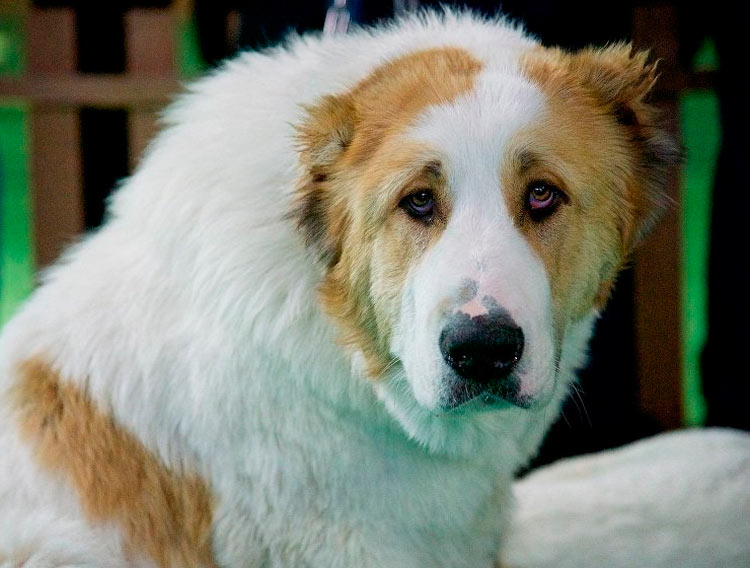
The Kartuli Nagazi is a breed of large, hardy guard dogs that developed in the mountainous regions of northeastern Georgia. They have long been used to assist humans, such as escorting, guarding livestock and homes, and protecting them from wild animals. Another name for them is the Georgian Mountain Shepherd.
Content
History of origin
The Georgian Shepherd is believed to have originated through natural selection in the northeast of the country. Its ancestors were likely Tibetan mastiffs and their descendants, who settled throughout Western Asia.
The word "Kartuli", which can sometimes be found in the name of the breed, means "Georgian".
In 14th-century Georgian literature, there are references to dogs similar to modern-day Nagazis. Sulkhan Saba Orbeliani described this breed as a "royal hunting and fighting dog." Later, the Georgian historian Vakhushti Bagrationi, in his notes on the lives of sheep herders in the Tsianeti region, wrote that shepherds had faithful helpers whom wolves feared and even bears avoided. While studying the history of Georgian shepherds, cynologists have uncovered numerous other written references and drawings.
In Georgia, the national breed is called Nagazi for short. In English-speaking countries, it is known as the Georgian Mountain Shepherd Dog.
For a long time, the Nagazi wasn't considered a distinct breed. No one specifically bred them. This led to crossbreeding and a decline in the Georgian Mountain Shepherd's population. The breed was on the brink of extinction. In 1999, the Georgian Cynological Federation took control of the situation. Work began to restore and popularize the Nagazi, and a standard was developed and approved.
The breed is not yet recognized by any international cynological society, but in Georgia it is exhibited at national-level shows.
The appearance of nagazi
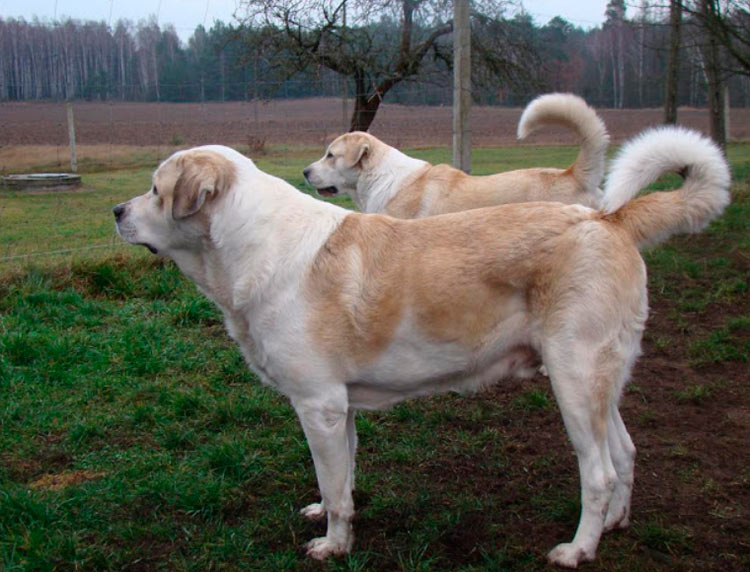
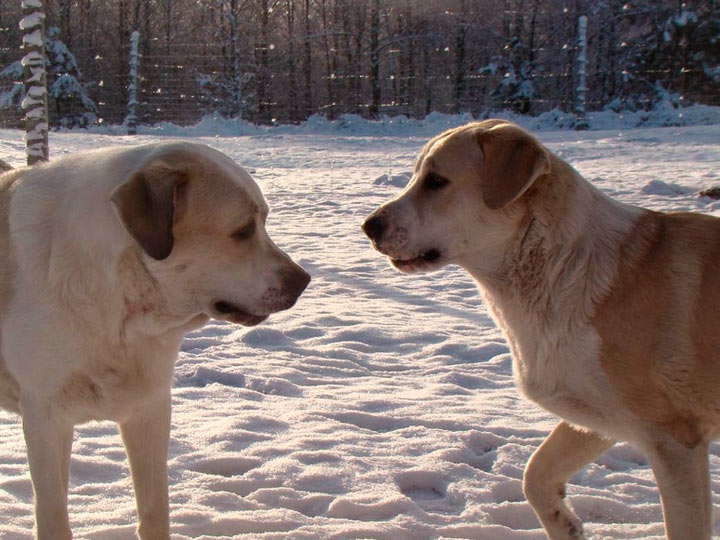
The Kartuli Nagazi is a large, strong, hardy, and undemanding dog. Its body type is coarse, with powerful, defined muscles, well-developed subcutaneous tissue, and elastic, thick skin. Sexual dimorphism is pronounced.
- Height at withers: 72-77 cm.
- Weight: 50-75 kg.
The head is nearly rectangular with a flat forehead and a well-defined occipital protuberance. The muzzle is long, wide, and blunt at the tip. The earlobe is large, brown or black, and wide, with large nostrils. The eyes are medium-sized, oval, and deep-set. The ears are small, triangular, and wide at the base. They are usually docked short, as in the Central Asian Shepherd Dog. The tail is long, saber-shaped, and may be docked short.
The body is strong, muscular, and of moderate length. The withers are well defined, protruding above the topline. The neck is powerful, blending smoothly into a straight, broad back. The croup is round. The chest is broad. The limbs are fairly long and strong, with massive, oval-shaped paws that form a tight ball.
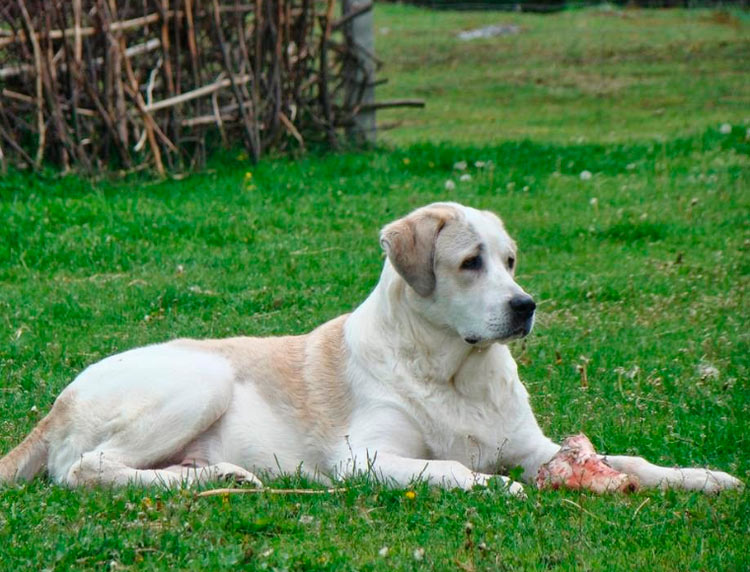
The coat is thick, medium-length, and lies close to the body. The undercoat is soft and dense, its amount varying greatly depending on the season. The coat comes in any color.
Character and behavior
Nagazis are bold, self-confident, calm, and determined. They have a well-developed territorial instinct and an active defensive reflex. Potentially aggressive and independent, a balanced psyche is crucial for them. Furthermore, Nagazis are endowed with fighting qualities, a well-developed sense of smell, and reflexes, capable of engaging even larger wild animals. They are courageous and loyal.
Nagazis are intelligent, calm and loyal; when raised properly, they become reliable companions and followers of their owners.
At first glance, Nagazis may appear overly calm and even slow, but this impression is deceptive. When necessary, they react instantly and act according to the circumstances. This is another reason why these dogs require comprehensive early socialization and professional training.
Nagazis can be aggressive and wary of strangers. It's important for the owner to be able to control the dog.
Content Features
Nagazis are easy-to-care-for dogs and are well-suited for outdoor living in temperate climates. They are absolutely not suited to apartment life. It's important for the dog to have a territory to guard or another job that suits its temperament, such as escorting and guarding livestock.
They don't require any special grooming. During the seasonal shedding period, brushing is recommended to speed up the shedding process. This will also significantly reduce the amount of fur that gets blown around the yard by the wind. Other grooming procedures are performed as needed.
To maintain health and fitness, Nagazis need plenty of exercise; if they guard a large territory, this usually doesn't pose a problem. Chained or confined to a pen, shepherds can suffer not only from physical ailments but also from psychological ones.
Health and life expectancy
Kartuli Nagazi are considered healthy and robust dogs. Their life expectancy is 12-15 years. In adulthood, the following health problems are common:
- cardiovascular system;
- joints;
- obesity (caused by low activity and poor diet).
Where to buy a Nagazi puppy, price
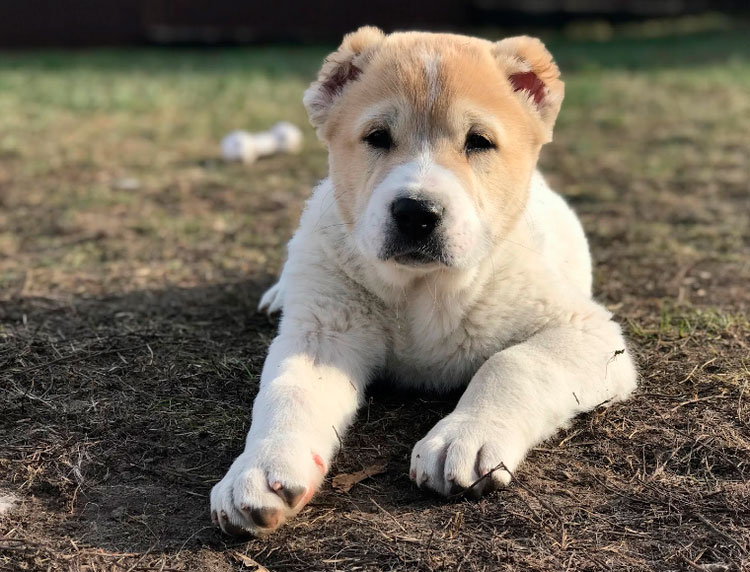
Finding an official breeder in Georgia and most CIS countries isn't difficult, but the overall population is often small, meaning there may not be any available for sale, and you'll have to wait for the next litter. In Georgia, many breeders of the national breed are engaged in market breeding, resulting in a significant price range and a constant supply of puppies of varying quality. Before purchasing, it's worth studying the breed standard and checking the breeder's papers to ensure the dogs are purebred and free of any visible defects or psychological issues.
The average cost of a Georgian Mountain Shepherd puppy ranges from 70,000 to 150,000 rubles.
Photos and videos
The gallery contains photos of the Georgian national dog breed, the Kartuli Nagazi.
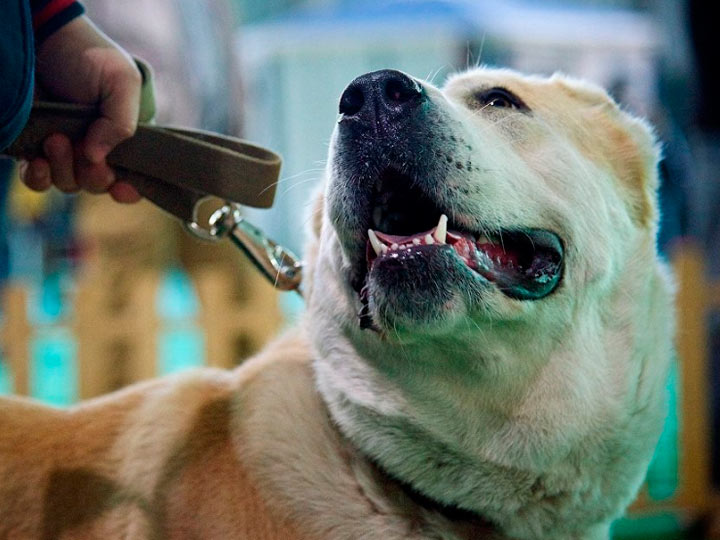
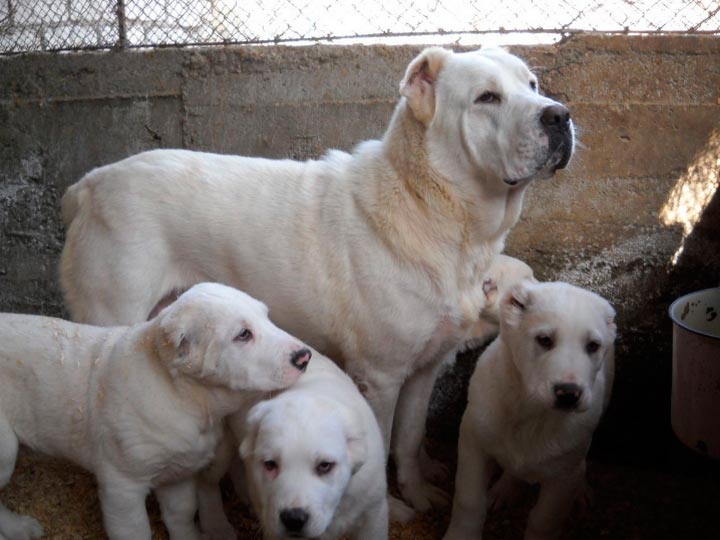
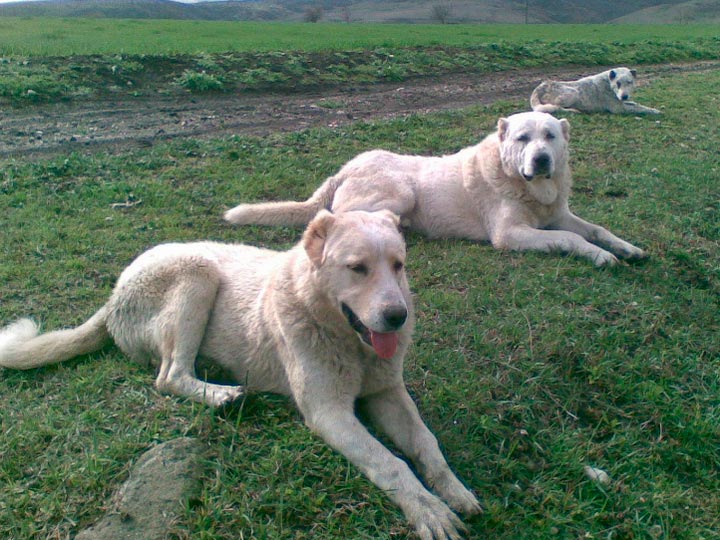
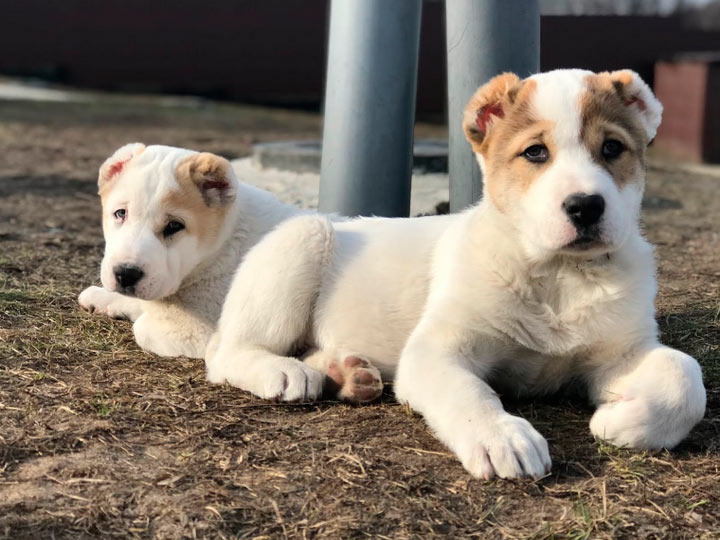
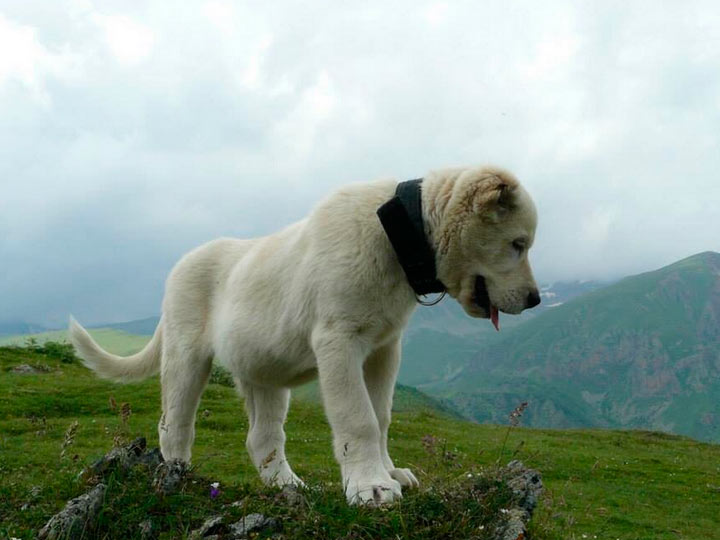
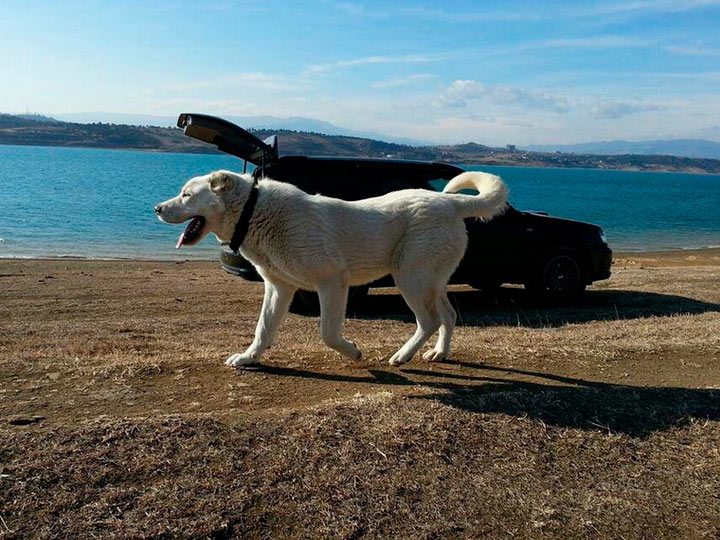
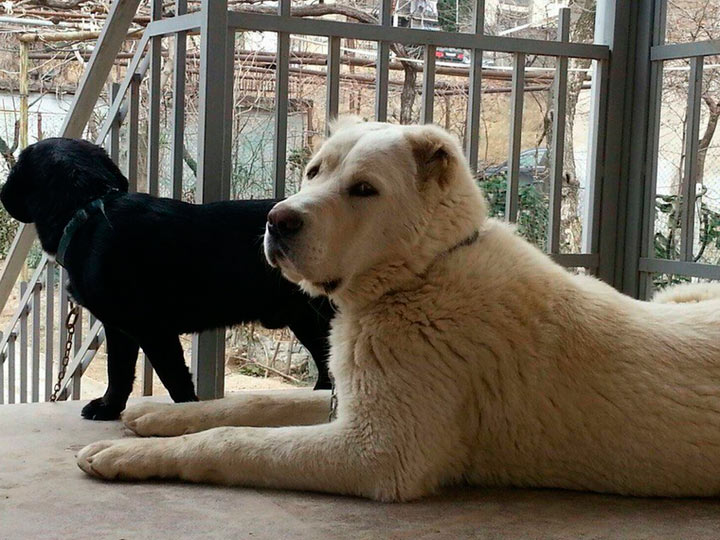
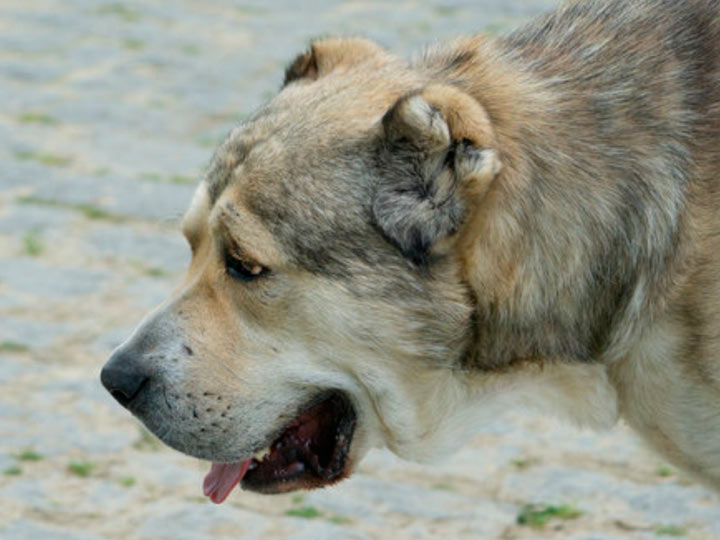
Video about the Georgian Mountain Shepherd/Kartuli Nagazi breed
Read also:


Add a comment