
Karelian Bobtail (Karelian-Finnish cat)
Karelian Bobtail (also known as the Karelo-Finnish cat) The Karelian Bobtail is a very rare and undeservedly forgotten aboriginal Russian breed. Karelian cats are distinguished by their small size, sweet nature, and bobtail, as reflected by the word "bobtail" in their name. Active efforts are underway to revive and popularize the breed, which has already been officially recognized by the World Feline Organization.
Content
History of origin
The first standard for the Karelian Bobtail breed was written in 1987 by the breeding commission of the Kotofey Club in St. Petersburg. The breeding cats of Lilia Dvoryanovich served as the model.
The bobtail's short tail is the result of a natural mutation that occurred in one or more animals in the vast expanses of Karelia and was then passed down through generations. Felinologists have reason to believe that Norwegian Forest cats played a significant role in the development of the Karelian bobtail.
The final standard was recognized by the WCF in 1994. The Karelian Bobtail population is very small and consists mainly of tailless stray cats living in their historical homeland, as well as in the Arkhangelsk, Murmansk, and Leningrad regions, in Finland, and in several catteries.
Not even photographs remain of the Dvoryanovich cattery or its pets. Enthusiasts have made several attempts to revive the breed, but all have been in vain. In 2012, efforts to restore the Karelian Bobtail began again with the initiative of Alla Kozlova (Sampo Ilveksen cattery, St. Petersburg). As of 2017, three catteries have already been registered breeding this rare aboriginal breed.
The breed's name is proposed to be changed in the near future to avoid confusion between the Karelian and Kurilian Bobtail breeds.
Video about the Karelian Bobtail cat breed:
Appearance
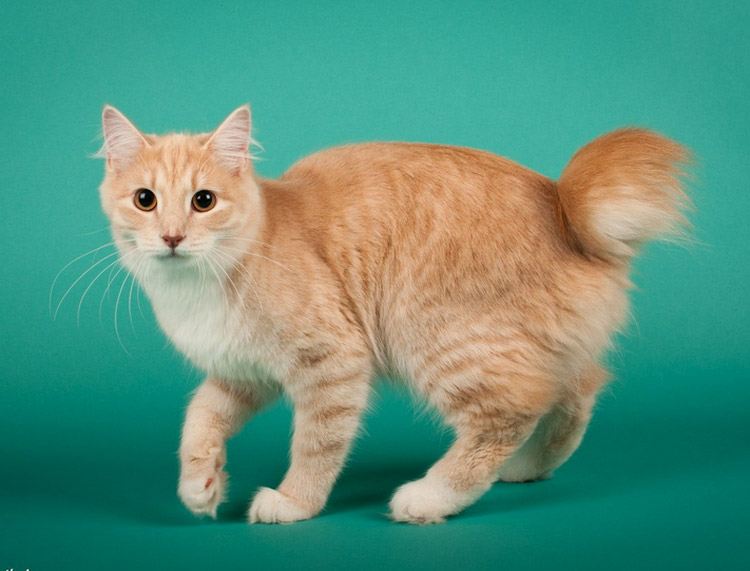
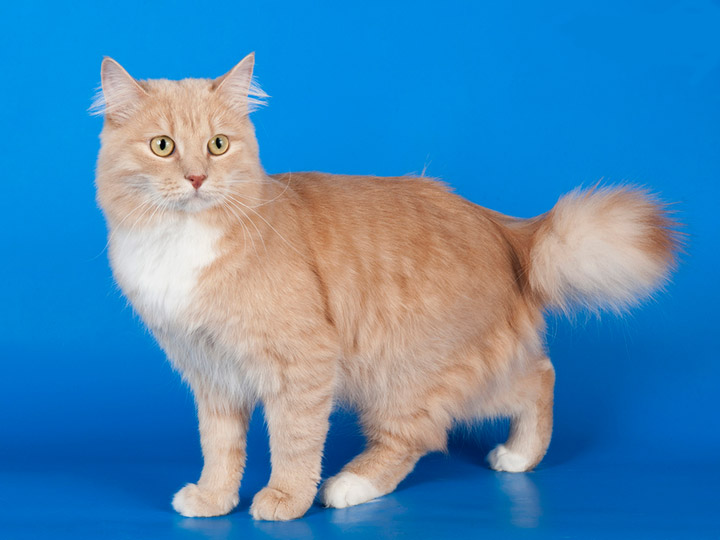
The Karelian Bobtail is a compact, medium-sized cat with a short tail, a noticeably elongated muzzle, and large ears, often adorned with small tufts. Adult males weigh 4-6 kg, while females weigh 2.5-4 kg.
The head is shaped like an isosceles triangle. The profile is almost straight. The cheeks and forehead are flat. The muzzle is narrow, the whisker pads are faintly defined, and the chin is narrow but strong. The ears are erect, large, and set high. A straight line runs along the outer edge of the ear past the cheeks. The eyes are set slightly obliquely, oval in shape, and the color should match the coat color.
The body is medium-sized, neither elongated nor stocky. The legs are strong, with the hind legs slightly longer than the front ones. The paws are round. The tail is 4-13 cm long, straight, curved, or kinked. The truly "Karelian" tail is considered to be a "lynx-like", almost straight, short tail. But this is not specified in the standard, and at this stage of development, tails are as varied as possible.
Karelian Bobtails are divided into two types: short-haired and long-haired.
- The short coat is very dense with a soft, well-developed undercoat. The topcoat is shiny and strong.
- Longhaired cats have medium-length hair, with a dense and soft undercoat. Full development of the furnishings on the breeches, ruff, and tufts is desirable.
The hair on the short tail is always longer, which creates a pompom effect.
A wide variety of colors are allowed except for acromelanic (Siamese), as well as chocolate, lilac, fawn and cinnamon in any combination, including bicolor, tricolor and tabby.
What is the difference between Kurilian Bobtails and Karelian Bobtails?
Karelian Bobtails are very similar to their Kuril relatives, so it would be appropriate to list the main distinguishing features:
- The Karelian Bobtail is lighter and more graceful;
- The Karelian has a straight back and a slightly raised croup, while the Kuril has an arched topline;
- It is interesting that Karelian cats push off with all four paws before jumping, while Kuril cats, like many others, push off with their powerful hind legs and fly forward in an arc;
- The ears of Karelian bobtails have more pointed tips, are larger in size and do not tilt forward;
- The eyes are oval, not round like those of Kuril cats.
Character
Karelian Bobtails are cats with a very pleasant personality. They are friendly, affectionate, kind, and responsive. They become very attached to their owners and home. They are not intrusive or vindictive, and they adapt easily to new surroundings. They are friendly to guests and tolerant of children's pranks. In extreme cases, the cat will simply retreat from a child's sight.
Bobtails often get along well with other pets. Karelians have a highly developed hunting instinct, but they are also intelligent enough to distinguish potential prey from their beloved owner's friends.
Karelian Bobtails have a very quiet and melodic voice, more like a chirp than a meow. They don't like to talk unnecessarily. They prefer to attract attention with gestures, such as touching a person with their paw or pointing in other ways.
Maintenance and care
Karelian Bobtails adapt very quickly to any living conditions. They are not demanding and unpretentious. Indoors, they'll choose their own favorite spot for sleeping and relaxing, and outdoors, they'll define their territory and enforce its boundaries. These miniature Karelians are unlikely to hunt rats, but they'll handle mice very easily and quickly.
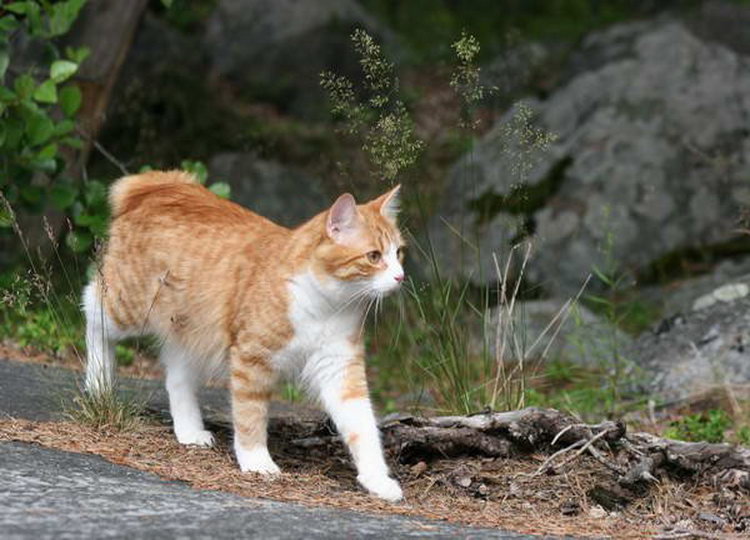
There are no specific grooming recommendations for Karelian cats. The only requirements are to provide a healthy, balanced diet and occasionally check their ears to ensure they are clean. Karelian cats are accustomed to grooming themselves. However, a brush is recommended. Regular brushing can significantly reduce the amount of hair in the house, especially during shedding season. Trimming the claws of cats that go outside is not recommended. Bathe only as needed, usually no more than twice a year.
What to feed a Karelian Bobtail
Most breeders feed their Karelian Bobtails commercial dry food. This isn't the only appropriate diet. If desired, a cat can be switched to a natural diet. Karelians aren't typically picky eaters, unless they're overindulged. The basis of a natural diet should be lean meats: beef, poultry, and rabbit. Fermented milk products, eggs, and lean sea fish fillets are also added. Commercial food is selected according to the cat's needs.
Depending on the animal's age and physiological condition (neutering, pregnancy, lactation). Daily allowance is calculated based on weight. Exceeding the recommended servings may lead to obesity.
Health
Thanks to their natural origins and subsequent careful selection, Karelian cats enjoy excellent health. No hereditary diseases have been identified in the breed. Their lifespan is 14-15 years.
Choosing a kitten and price
The breed is very rare and few in number. Only a few catteries are authorized to breed them, so be wary of offers of Karelian kittens for sale without papers and at low prices.
Despite the small number of Karelian Bobtails, crossbreeding with other breeds is not permitted.
Of course, it's best to buy a kitten from a breeder. While this doesn't guarantee a kitten's identity, it significantly increases the chances that the kitten will be a representative of the breed. Furthermore, breeding is carried out with strict selection of breeding cats based on character and health.
Prices for Karelian kittens vary widely. Cats with excellent conformation and suitable for breeding can cost over 25,000 rubles. Meanwhile, many "regular" kittens are sold relatively inexpensively.
Photos
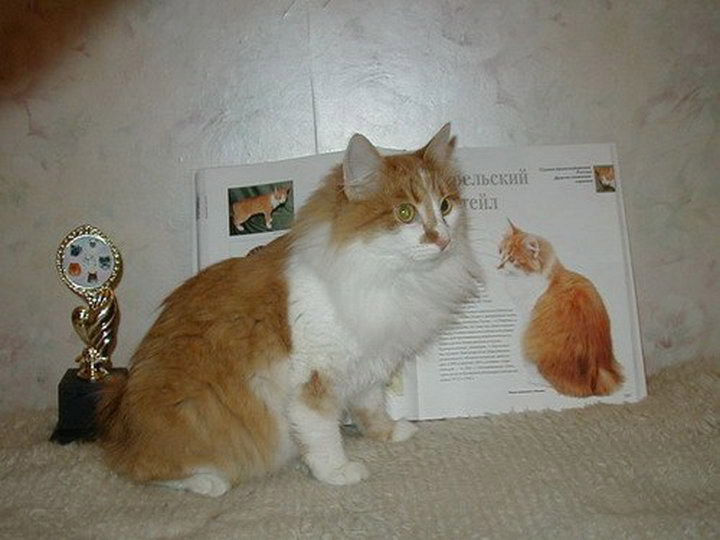
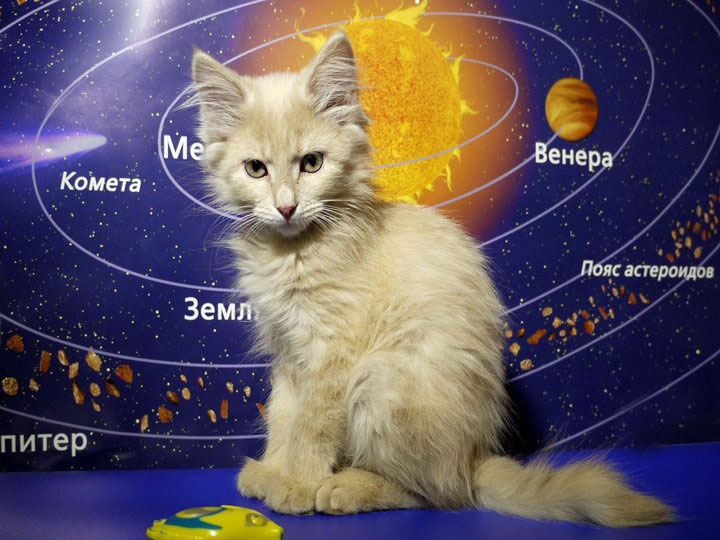
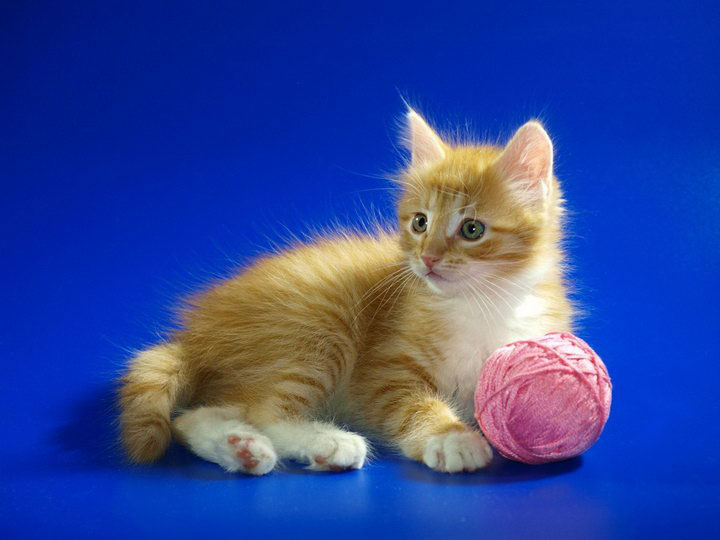
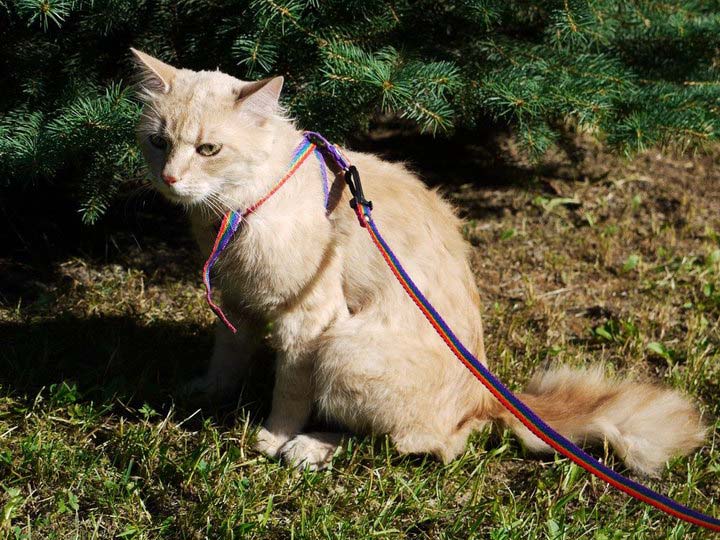
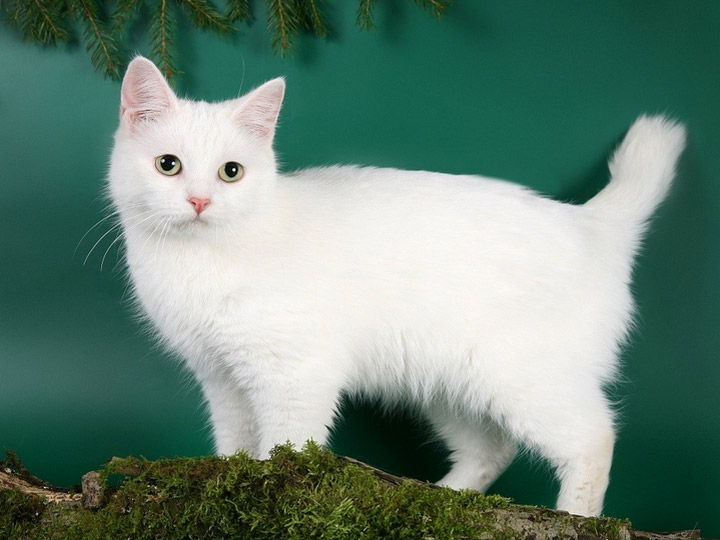
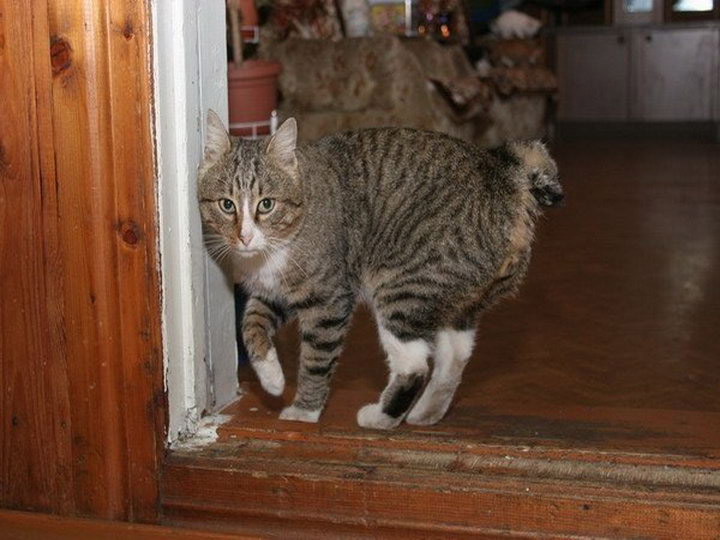
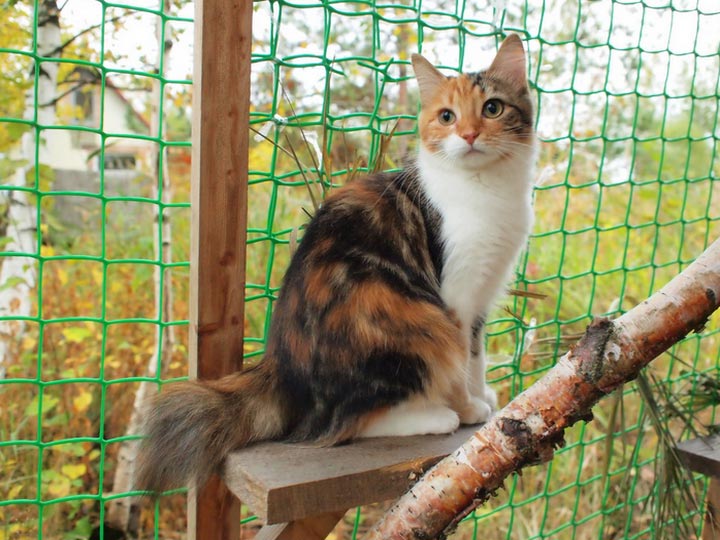
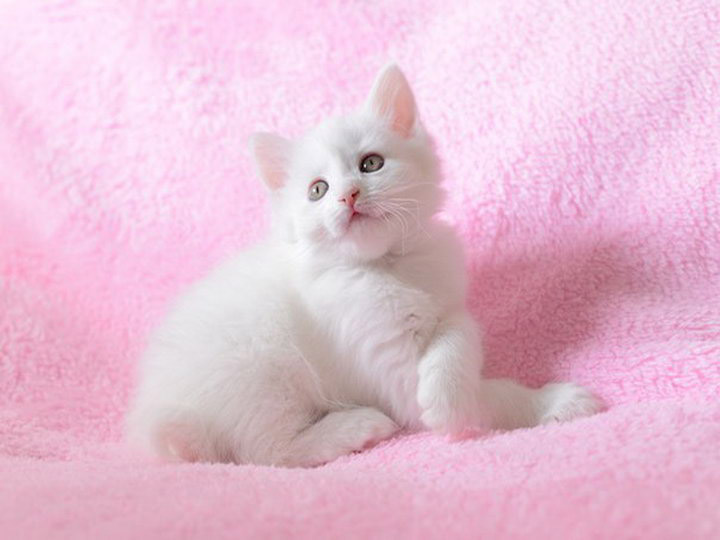
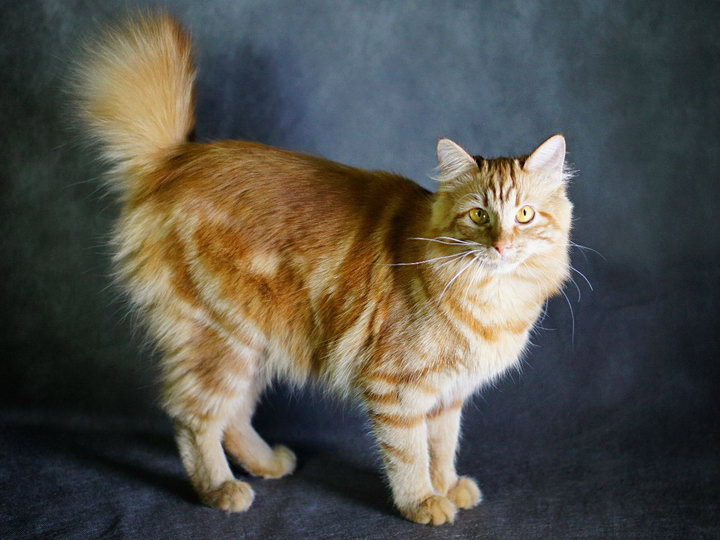
The gallery features a collection of photos of short-haired and long-haired Karelian Bobtail cats, males, and kittens:
Read also:
- Burmilla: male and female cats
- Tailless Cats: What Breed Are They?
- Catteries of various breeds in St. Petersburg


Add a comment