
Karelian Bear Dog (Karelian Bear Dog)
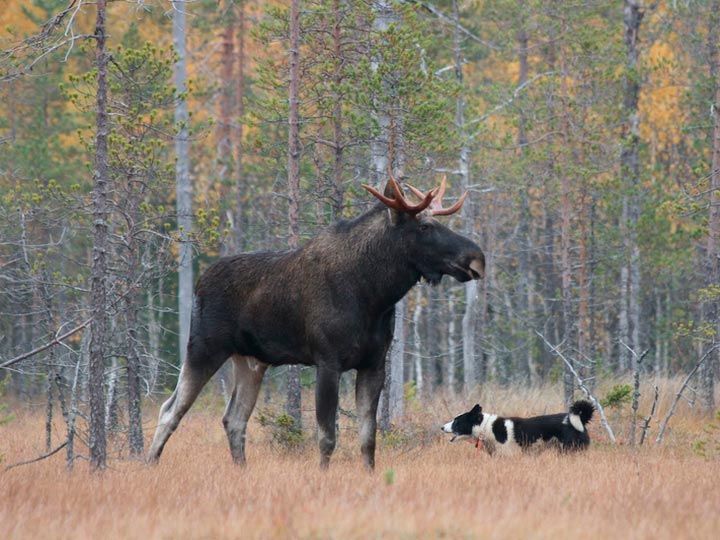
The Karelian Bear Dog, also known as the Karelian Bear Dog, is a well-known and popular hunting breed in Finland, known for its courage, endurance, excellent sense of smell, and instinctive tracking. It has long been used for hunting small fur-bearing animals and large game (bears and moose). Modern breeding efforts also focus on preserving these working qualities.
Content
History of origin
The ancestors of the Karelian Bear Dog are believed to be the Spitz-type Finnish dogs, Zyryan Laikas, and other Laikas, which have long inhabited the territory of Karelia, where they were used for various types of hunting. This is where the striking resemblance to Russian-European Laika, which has the same ancestors, but was bred in Russia.
The breeding of Karelian Bear Dogs began in Finland in 1936, following the founding of the Suomen Kennel Liitto canine association. After World War II, the population consisted of only 40 dogs, to which most modern pedigrees can be traced. The breed's revival began. The first standard was approved in 1945, and the studbook was opened in 1946. Today, 600-800 Karelian Bear Dog puppies (Finnish: Karjalankarhukoira) are registered annually in Finland. The breed is among the top ten most popular. A total of approximately 18,000 Karelian Bear Dogs live in the country. Karelian Bear Dogs are also known in other countries, particularly in America. In Russia, Karelian Bear Dogs have a hard time competing with the Russo-European Laika, which is equally capable in working abilities.
Purpose
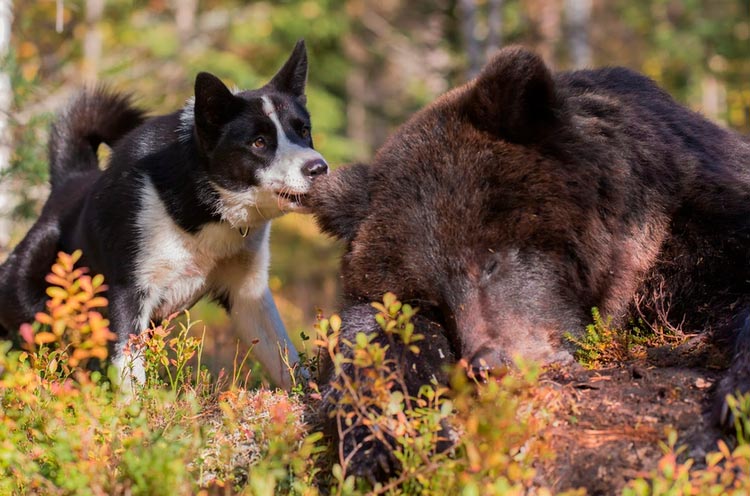
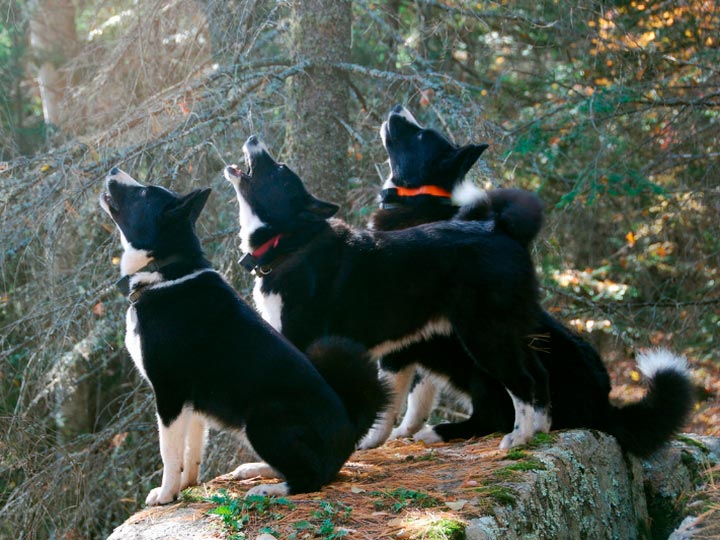
The Karelian Bear Dog is used to hunt small fur-bearing and large game. It tracks, pursues, barks, and holds its prey until the hunter arrives. Passionate and eager to work, it is very independent, with a strong hunting instinct and an excellent sense of smell. Furthermore, the Karelian Bear Dog has excellent navigation skills.
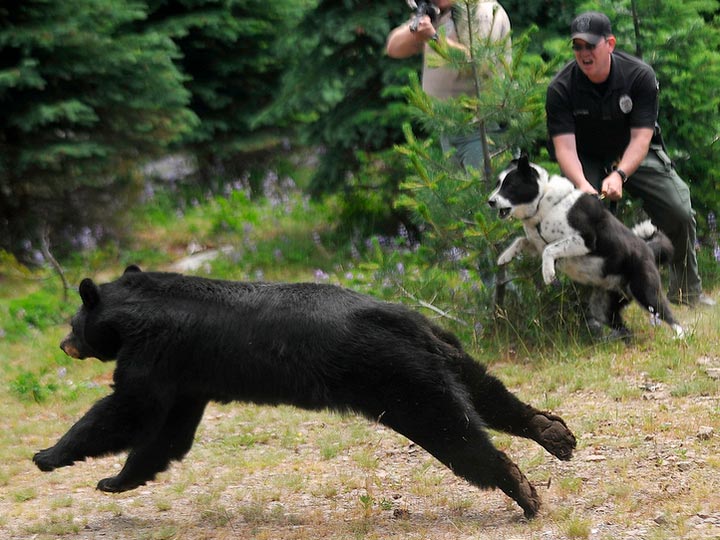
In the United States, under the "green" program, the Karelian Bear Dog is actively used to scare off bears, which are accustomed to wandering through garbage dumps with impunity and even entering city limits in search of food.
Video about the Karelian Bear Dog breed:
Appearance
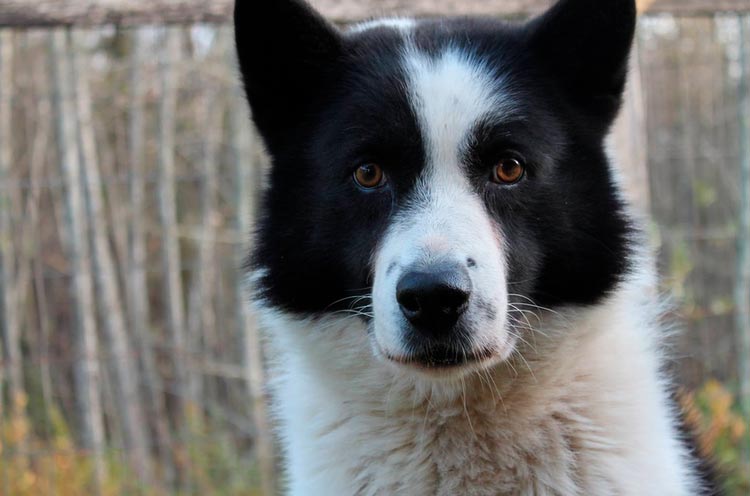
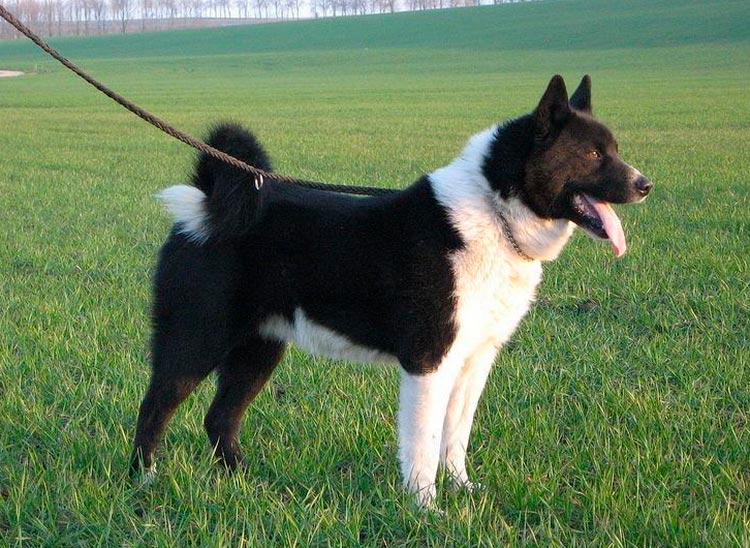
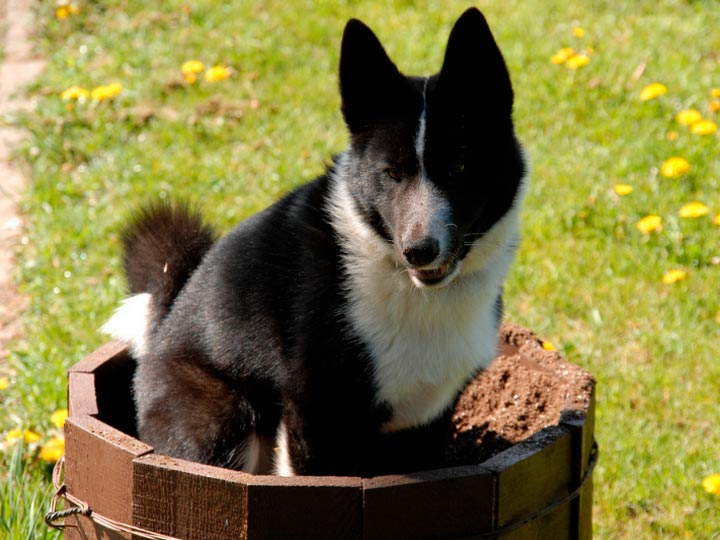
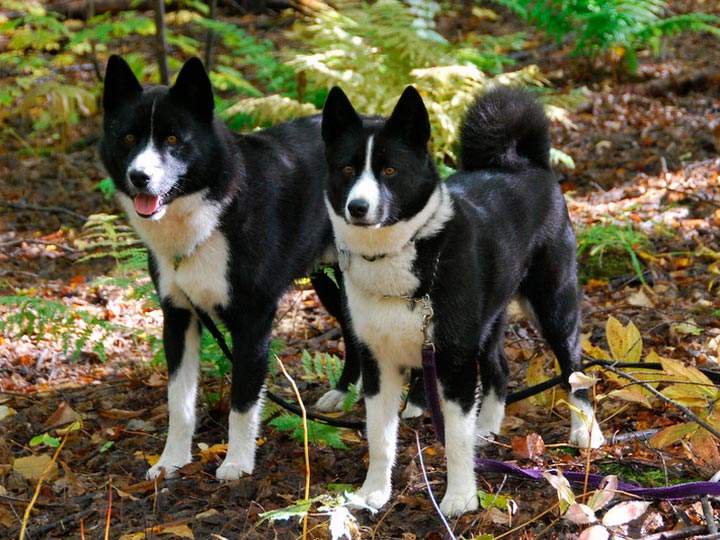
The Karelian Bear Dog is medium-sized, well-built, strong but not heavy, with a slightly elongated build and a thick, black-and-white coat and erect ears. Sexual dimorphism is pronounced. Height at the withers ranges from 52 to 57 cm, and weight ranges from 17 to 28 kg. Males are stronger and larger.
The head is triangular in shape. The skull is broad and slightly convex. The superciliary arches are moderately pronounced, and the stop is fairly tucked in. The muzzle is deep with a straight nasal bridge, tapering slightly toward the tip. The tip is black and large. The lips are thin and tight. The jaws are very strong, the teeth are well developed, and the bite is correct and scissor-shaped. The zygomatic arches are well defined. The eyes are not very large, oval-shaped, and come in varying shades of brown. The ears are set high, erect, and medium in size, with slightly rounded tips.
The neck is muscular, arched, of medium length, and abundantly covered with hair. The length of the body only slightly exceeds the height at the withers. The depth of the chest is approximately half the height. The back is straight. The loin is short. The croup is slightly sloping. The chest is roomy, not too wide, rather long. The ribs are slightly sprung. The underline is moderately tucked up. The tail is set high, of medium length, carried like a curl over the back, with the tip touching the body on either side or the back. A natural bobtail is allowed. The limbs are strong with strong bone, straight and parallel. The paws are tight, the hind legs are slightly longer and less arched than the front legs.
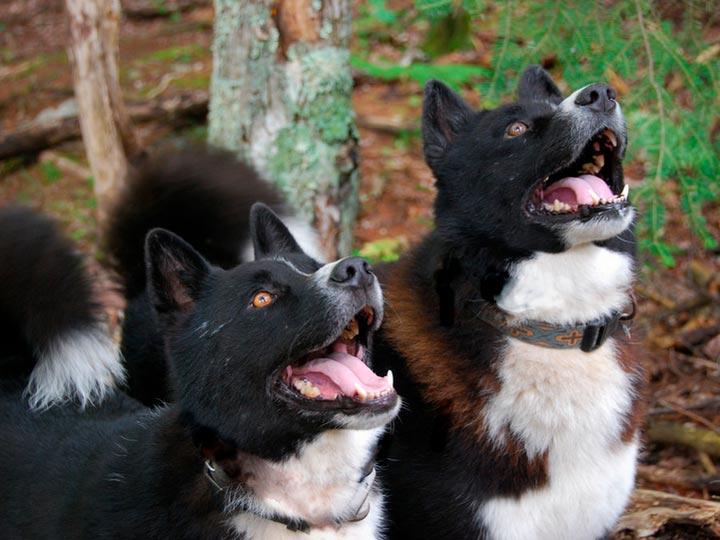
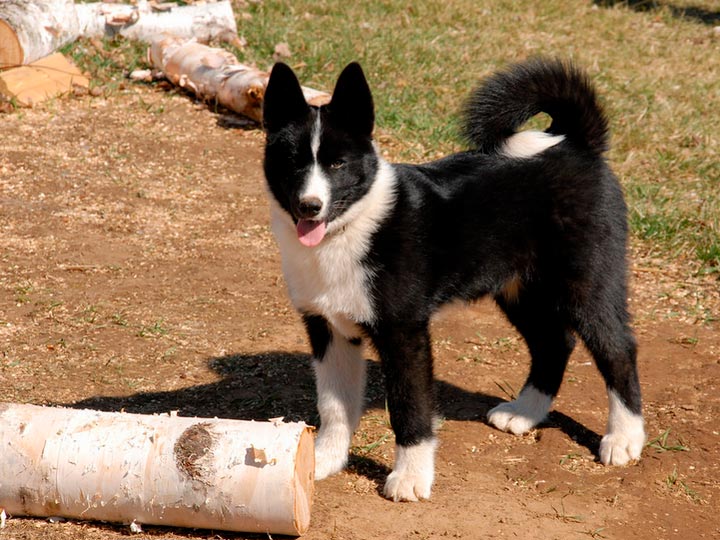
The skin is thick and wrinkle-free. The coat is double, consisting of a coarse, straight topcoat and a soft, dense undercoat. The topcoat is longer on the back, back of the thighs, and neck. The coat is black with clearly defined white markings on the head, chest, neck, belly, and legs. The black color may be dull or tinged with brown.
Differences between the Karelian Bear Dog and the Russian-European Laika:
The Russo-European Laika and the Karelian Bear Dog are very similar in appearance, and this is not surprising. The source material for the CMS was Likes from Karelia and adjacent regions. The Russo-European Laika was bred from dogs from the same area. Therefore, the breeds are not only similar but also genetically close. Some differences in behavior and appearance are undoubtedly noticeable.
Visually, the Candidate Master of Sports is more powerful and broad-chested than the REL. It moves better in deep snow. The REL's body shape is almost square, while the Candidate Master of Sports is slightly elongated and can have a naturally bobtail. Karelian dogs have a less choleric temperament. In terms of hunting skills and instincts, they are roughly equal. Just as not all REL dogs become outstanding, so too, among Karelian dogs, there are more and less talented ones.
Character and behavior
The Karelian Bear Dog is even-tempered, courageous, and tenacious, somewhat reserved but self-assured. It has a strong character and a tendency toward dominance, so it requires an experienced owner with a firm hand. It is often aggressive toward other dogs, but rarely toward people. It is suspicious of strangers and tries to avoid unwanted contact. Its territorial instinct is moderate. Some dogs are capable of protecting, but more often their guarding qualities are limited to barking. It is affectionate and friendly with its owner and other family members, and becomes very attached. It gets along well with cats and dogs it has grown up with. It is not recommended for cohabitation with small animals, rodents, or birds, which it views as prey. Conflicts may arise when dogs of the same sex are kept together.
The KMS is not the best choice for families with small children. While tolerant of adult children who respect the dog's personal space, it can be a playmate, but it should not be considered a child's dog.
The Karelian Bear Dog is a natural hunter with a highly developed sense of smell, a keen sense of prey, and a keen appetite for hunting. When caught up in the pursuit, it can run far, but rarely gets lost, especially if a close bond has been established between dog and owner. A Candidate Master of Sports (CMS) sees prey not only in small animals but also in large ones. It can learn to ignore large farm animals such as cows, sheep, and goats, but rabbits, poultry, and cats are too tempting to resist. City life is full of difficulties and danger for a CMS. To be truly happy, this dog needs long walks in the woods and the opportunity to develop its natural talents.
Master of Sports owners claim that dogs begin to hunt small fur-bearing animals independently as early as three months of age. They will bark at martens and squirrels. At a young age, they can follow a scent for long distances, but then return to check on their owner. They will bark at larger animals, such as moose and bears, but generally keep their distance. However, there are some, incredibly brave and vicious, who will engage in combat.
Education and training
Karelian Bear Dogs are very willful and temperamental, intelligent and independent, so training and raising them often presents challenges. Generally, they are quick learners. Monotonous tasks quickly become tiresome, and the dog becomes bored and distracted. Don't let the puppy get away with it. From the very first moment it arrives at home, it must understand who is the leader. Personal contact with the dog is crucial; without it, no training will be effective. Basic commands are usually learned using standardized methods. It's crucial to train a Karelian Bear Dog to always respond to the "come" command, but even this doesn't guarantee that it will obey in the heat of the hunt.
Karelian Laikas require strict training; the owner has the final say, but the strictness must be reasonable. Shouting or punishment are prohibited unless the dog has committed a serious offense.
The Karelian Bear Dog Master is not recommended for inexperienced dog owners or families with small children. The dog requires an owner who can become a leader and is willing to devote significant attention to socialization and continue training throughout the dog's life. Karelian Bear Dogs begin working very early. From the first months of life, the dog is introduced to animal skins. Training on large game begins around the age of one year.
Content Features
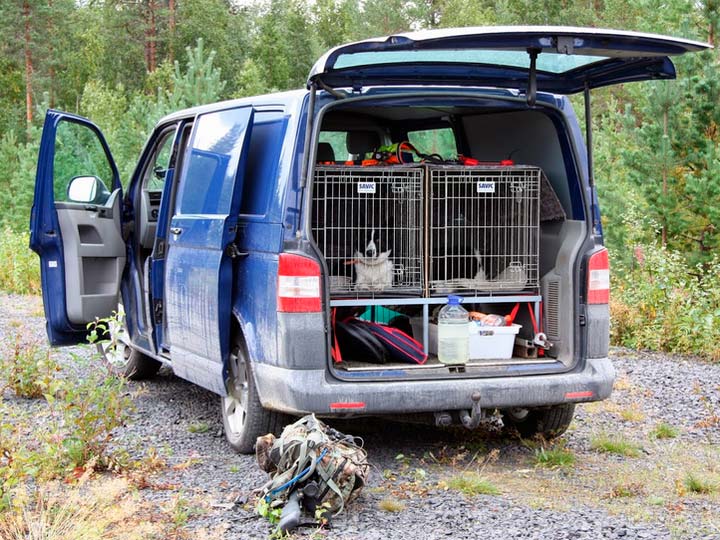
The Karelian Bear Dog is not well suited to apartment life or city living in general. Otherwise, it is completely undemanding in terms of living conditions. It can live in a kennel, a doghouse, or in a yard. It is not advisable to get a Karelian Bear Dog if the yard is surrounded by a flimsy fence, as there is a risk that the dog will not be able to control its instincts and will regularly escape.
The Karelian Bear Dog requires ample hunting time. Otherwise, its maintenance often becomes problematic. The dog develops bad habits, becomes argumentative, disobedient, and runs away. The Karelian Bear Dog is very energetic, active, and resilient; it requires long walks and can be a companion for jogging or cycling. During walks and nature trips, the dog should not be allowed to work alone, much less paired with another Laika. There is a risk that it will later go hunting on its own.
Care
The Karelian Bear Dog has a short but very dense coat. Seasonal shedding is significant. During the rest of the year, weekly brushing or combing is sufficient to maintain a neat appearance and remove any overgrown hairs.
Since this dog is a northern breed, it doesn't typically have a distinctive odor or excessive salivation. A full bath is rarely recommended, once every 3-4 months. Nails are trimmed as needed, usually every two to three weeks. Ears are inspected weekly and cleaned if excess wax accumulates. Given its tendency to tartar buildup, it's best to accustom your dog to having its teeth brushed at least once a week from an early age, and provide toys that help remove plaque. If necessary, other preventative measures can be used.
Nutrition
Karelian Bear Dogs are generally undemanding in terms of diet. They adapt easily to any type of food and regimen. Owners favor natural feeding, dry food, and mixed diets. Any of these options can be considered suitable, as long as all feeding guidelines are followed. The dog receives a balanced diet that is appropriate for its age, size, and activity level.
Health and life expectancy
Karelian Bear Dogs are strong and resilient, and most boast robust health, but some suffer from hereditary diseases that occur with varying frequency in different lines:
- Cataract;
- Progressive retinal atrophy;
- Hip dysplasia;
- Periodontosis;
- Pituitary dwarfism;
- Umbilical hernia;
- Cryptorchidism.
To maintain your dog's health, it's important to adhere to a veterinary and preventative care plan (vaccinations, treatment for external and internal parasites, and routine medical examinations). Their lifespan is typically 10-12 years.
Choosing a puppy
The Karelian Bear Dog is a unique breed due to its strong hunting instinct, ferocity toward animals, and willful nature. It is ill-suited to being a companion or family dog. Most prospective Candidate Master of Sports owners expect outstanding hunting talent, and purchasing a puppy from working parents increases the chances of obtaining this talent.
If you don't have the necessary knowledge and experience in choosing a puppy, it's better to trust a dog trainer or breeder.
The necessary skills are instilled in a puppy through good breeding, so the main task is to find an experienced breeder who knows their business. When choosing a puppy from a litter, it's recommended to look at all the puppies at once, ensuring they're all healthy, well-built, and have the right personality. Then, choose one based on your intuition. Usually, just a few minutes of watching the puppies running around your feet is enough to identify the one you're looking for.
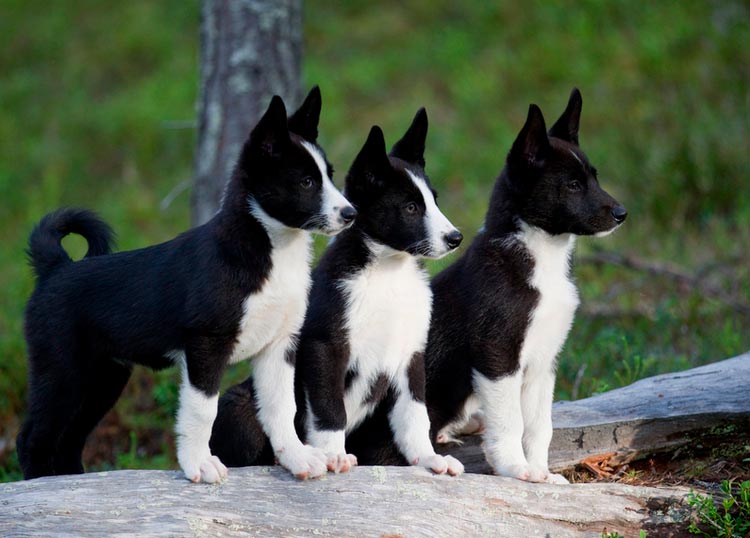
It's best to adopt a puppy no earlier than two months of age and no older than four to five months. The puppy should be dewormed and vaccinated according to age. It's important to ensure it's free of any defects or deficiencies (such as cryptorchidism, umbilical hernia, overbite, etc.).
Price
A promising puppy from good working parents usually sells by appointment for 60,000 rubles. The price for a puppy with average characteristics and pedigree ranges from 30,000 to 40,000 rubles. Karelian Bear Dog puppies without papers usually cost no more than 10,000 rubles. If these are working dogs that have proven themselves in hunting, the price may be higher. International kennels offer puppies for an average of $1,000 to $1,200.
Photos
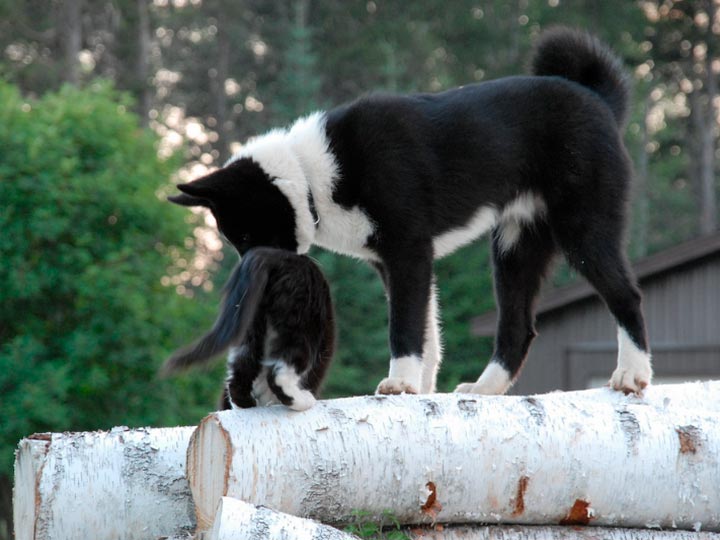
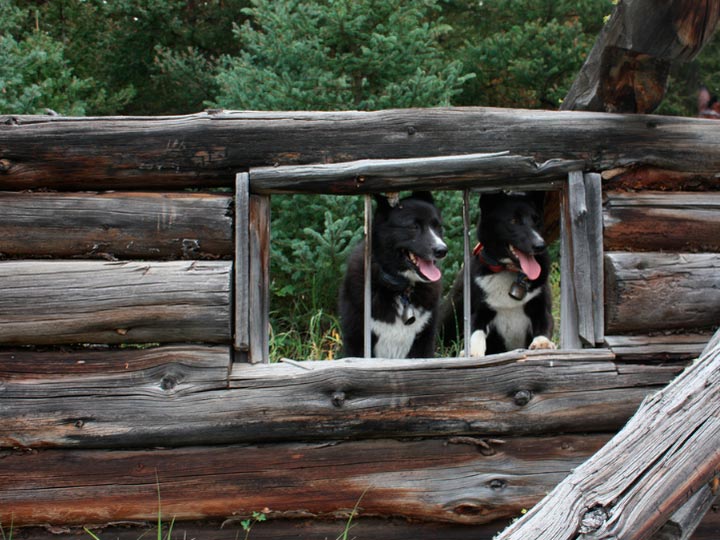
The gallery contains beautiful photographs of adult Karelian Bear Dogs and puppies.
Read also:
- Karelian Bobtail (Karelian-Finnish cat)
- Nenets Laika (reindeer herding Laika, Nenets Spitz)
- Russian hound


Add a comment