
Quarantine after rabies vaccination for dogs
Among the various vaccines available for dogs, the rabies vaccine deserves special mention. It's the only disease whose prevention is regulated at the state level. Therefore, it's important for pet owners to know not only about the vaccination itself but also the steps to take afterward, including the need for quarantine and other measures.
Content
Indications for vaccination
Rabies – a viral disease that is deadly for pets and causes damage to the nervous system. It is also transmissible to humans, so it is important to take precautions to prevent its spread. In this case, vaccination is an effective option.
Important! There is currently no cure for rabies, as any contact with a suspected rabid animal is dangerous for medical personnel. The only solution is to euthanize the dog.Owners and breeders should pay special attention to preventative vaccinations and ensure their dogs are vaccinated against rabies at a specialized clinic. A mandatory requirement is that the pet be healthy.
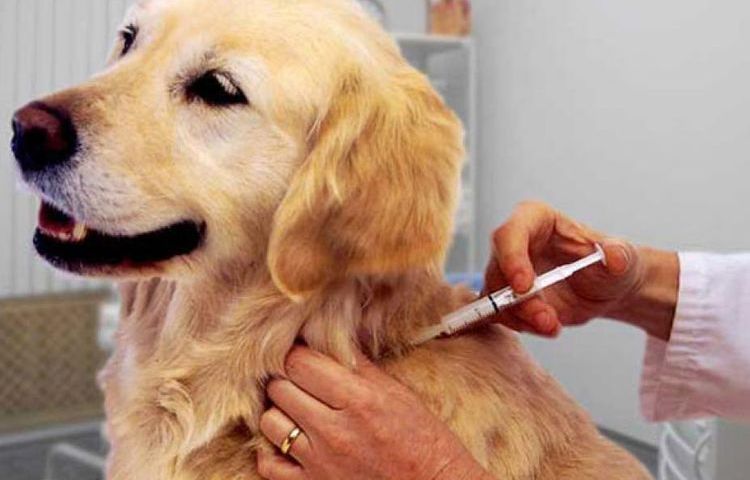
According to current Russian legislation, vaccination is mandatory if the following is planned:
- participation in exhibitions or competitions;
- participation in breeding;
- visiting places with large crowds of people;
- travel by public transport;
- crossing the territorial borders of the country by any means of transport;
- participation in hunting or fishing;
- temporary accommodation in an animal shelter/hotel.
Vaccination is an effective way to protect not only your pet but also all family members from unpleasant situations and the risk of virus infection. Even if a dog is kept indoors and never goes outside (this applies to small toy breeds that don't require walking), this doesn't guarantee 100% protection against the disease. The infectious agent can enter the home on outdoor shoes or other items.
Actions after vaccination
After vaccination (especially if it's the first), don't leave the veterinary clinic immediately. It's advisable to stay for 15-20 minutes, as severe reactions to the vaccine (intolerance to any component, allergy) are very rare. If your pet suddenly becomes ill, the veterinarian knows how to provide assistance, so there's no real risk to the dog's health or life. Additionally, to prevent severe reactions, an injection of diphenhydramine or a similar substance is given before the vaccination.
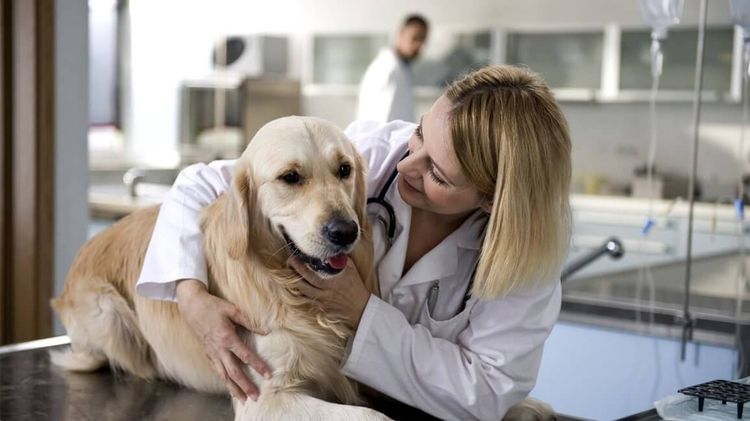
Rabies vaccination provides lasting immunity. If a pet is subsequently bitten by an infected animal, quarantine will still be necessary, but the risk of infection in a vaccinated pet is virtually zero, while in an unvaccinated one it is almost 100%.
The need to comply with quarantine
At first glance, vaccination seems like a simple procedure that's relatively painless and quick. This is somewhat true, as the actual administration itself takes no more than half an hour. However, after the vaccine is administered, the dog's body remains weakened for some time. During this period, it's important to provide proper care and follow the necessary rules to prevent potential complications.
It's for this reason that quarantine—the maximum possible isolation—is recommended to allow time for recovery and the development of immunity. This is because any vaccine involves the introduction of a weakened virus of the relevant disease, after which the body begins to fight the introduced virus by producing antibodies. During this period, the body is greatly weakened, making it susceptible to any external infections: a dog can easily contract a disease that might not cause any complications under normal conditions, but with a weakened immune system, can cause significant harm.
While quarantine isn't essential for an adult pet, it's absolutely essential for puppies being vaccinated for the first time. Their bodies are already losing their innate immunity (inherited from their mother dog) but don't yet have any other protection. And the age range of 2 to 8 months is considered the most susceptible to various infectious diseases.
Duration of quarantine
Immunity to the virus develops 21 days after the vaccine is administered, so this is the quarantine period required for dogs after rabies vaccination in areas with a high risk of infection. After this period, the dog develops strong immunity to the rabies virus. When the vaccine is administered to an adult, quarantine restrictions can be considered rather arbitrary, but a vaccination certificate is issued no earlier than 14 days after the vaccine is administered.
The following quarantine periods have been established for the processing of accompanying documents required for travel within Russia:
- 30 days – if the animal has not been vaccinated for a year before;
- 14 days – if the animal has previously undergone annual vaccination.

Quarantine measures
The main factors to avoid during quarantine are various types of stressful situations and strain on the body, so during this period it is recommended:
- Keep your pet away from other animals, including those living in the same house (especially if they are free to roam and may carry any viruses).
- Limit contact with objects that are potential carriers of viruses (e.g. street shoes).
- Avoid taking your puppy outside or walking him only in your arms to avoid possible contact with other animals, which can be dangerous for a weakened immune system.
Note: Adult dogs in low-risk areas may be allowed to go for walks without restrictions, provided they are kept on a leash.
- Limit water treatments to prevent hypothermia and the development of possible complications.
- Reduce physical activity.
- Do not change your diet.
These measures should be followed throughout the quarantine period, after which you can return to your normal lifestyle, resume walks, exercise, etc.
Possible consequences of vaccination
Every dog's body is unique: while some animals tolerate vaccines well, others may experience minor complications and reactions. A sudden deterioration in health usually occurs when a vaccine is administered to a sick or weakened pet.
Following prophylactic rabies vaccination, it is important to closely monitor your dog's behavior and general condition, especially during the first two days. The following symptoms are normal:
- reduction in physical activity;
- loss of appetite;
- refusal favorite treats;
- drinking plenty of water;
- slight increase in temperature;
- allergic reactions to individual components of the injectable drug;
- the appearance of a lump at the injection site;
- reluctance to go for a walk.
The conditions listed above usually pass within 2-3 days without any outside intervention.
If there is a noticeable deterioration in the dog's general condition, accompanied by the appearance of a rash, shortness of breath, or foamy vomit, consult a veterinarian immediately. If an allergic reaction develops, the dog will require detoxification therapy. Antihistamines (Diazolin, Suprastin, Tavegil, Diphenhydramine).
The occurrence of acute reactions to vaccination must be taken into account during subsequent preventive vaccination sessions and other injectable drugs must be used for these purposes.
It is important to know that after the first vaccination, regardless of whether it is a puppy or an adult dog, in addition to maintaining quarantine, you should also ensure revaccination.
A single vaccination is not enough to build immunity, so it won't have the desired effect. Puppies are first vaccinated against rabies at three months of age, and annual boosters are recommended thereafter. These timings may vary slightly depending on the vaccine and the rabies prevalence in the area.
You can also ask our website's staff veterinarian a question, who will answer them as quickly as possible in the comments box below.
Read also:


69 comments
Anna
Hello, my Yorkie puppy is 3 months old and has two mandatory vaccinations. Yesterday he received his first rabies shot. Can I take him to the groomer in 10-14 days, or only after the second rabies shot and quarantine?
Daria is a veterinarian
Hello!
In terms of protection against infection, it is permissible to visit a groomer after the second mandatory vaccination and quarantine, since rabies is not transmitted through grooming items.
However, we also recommend checking with your groomer, as they may have their own vaccination policies.
I wish your pet health and only fashionable haircuts.
Atali
Hello! Yesterday we gave our Pomeranian his third Multican 8 rabies shot! I knew about the two-week quarantine! BUT the doctor said we could go for walks without a quarantine, that it wasn't necessary! So we went for a walk right away! Now I don't even know what to do! Or is it because we got Multican 4 and 6, and the 8th was given yesterday, so can we go outside right away?
Daria is a veterinarian
Hello! How did you manage to administer three different vaccines? Was it within one month or over the course of a lifetime? If your pet was initially vaccinated with Multican 4, then boosted 3-4 weeks later with Multican 6, and then boosted with 8, I have bad news. The primary and booster vaccinations are administered with the same vaccines! However, if these were administered at different times in the pet's life, there's nothing to worry about.
If an animal is being vaccinated against rabies for the first time (or more than a year has passed since the previous vaccination), quarantine is mandatory. If this is an annual booster (vaccination is done every year and no more than 11-12 months between vaccinations), quarantine is not necessary, since the animal already has antibodies. In any case, it's best not to allow puppies to come into contact with other animals until immunity develops. But if you've already been outside and haven't had contact with animals, don't worry. Follow safety rules. And stay healthy.
Alexandra
Hello. My puppy received a booster shot of Eurikan at three months. He is in quarantine for 10 days after the shot. Do we need to deworm him again before the rabies vaccination? We want to do it immediately after the quarantine period ends.
Daria is a veterinarian
Hello! No, it's not necessary. Firstly, you've been observing quarantine. Secondly, it's been widely known for a long time now that deworming is not mandatory preparation for vaccination. It's enough to follow the treatment schedule. Well, if it's been a while since deworming or there was a chance of contracting a parasite, then yes, you can deworm. But don't give puppies too much deworming.
Anna
Hello, my puppy received his second vaccination at 3 months. Can I take him for a walk 10 days after the rabies vaccine, for example to a friend's house (they have dogs at home), 4 days before the quarantine time? Thank you!
Daria is a veterinarian
Hello! It's not recommended to violate quarantine rules; you'll be taking all the risks, especially if your friends' dogs are unvaccinated, have missed their vaccinations, or have recently recovered from infectious diseases. Furthermore, by the time you get to your friends' place, the puppy will be exposed to the environment, which carries the risk of infection. Most likely, everything will be fine, but you shouldn't take such risks with puppies whose immune systems aren't yet ready to handle viruses.
Natalia
Good evening, I have a question. My puppy received his first vaccination yesterday. We are currently in quarantine, but since I work for a family with a vaccinated dog and small children, what danger does my puppy pose to their family? Is it even possible that my puppy is currently contagious and could infect someone else?
Daria is a veterinarian
Hello! Quarantine is necessary for a puppy to prevent it from catching an infection from other animals outside. It's not because it's vaccinated. It's not contagious! The vaccine is inactivated and doesn't cause disease. Moreover, these diseases pose no danger to humans. The vaccines are specific to dogs (excluding rabies and leptospirosis. These are zoonotic diseases, of course). There's no danger to a vaccinated dog either. Simply avoid letting the puppy out and allowing it to come into contact with other animals (even vaccinated ones) if people come in from outside. Shoes should be put away in a closet. Wash your hands to prevent the possibility of infecting the puppy.
Love
Hello. My Chihuahua has had her annual vaccinations. She's nine years old and spends every summer at the dacha. Last year, we missed the shot because we didn't go to the dacha and the dog doesn't go for walks. This year, she got the vaccine. Do we need a booster shot or is one shot enough?
Daria is a veterinarian
Hello! If you missed a vaccination, it's the same as the first time. A booster vaccination is necessary, and then a single dose is needed every year, regardless of the animal's age. Miniature breeds are long-lived, so 9 years is not too old for a Chihuahua =) And don't forget about regular deworming (at least once every 3 months).
Love
Hello!
Today, our six-month-old Pomeranian puppy received his first rabies vaccination. When the puppy arrived home, my two-and-a-half-year-old child touched the dog's mouth and licked his finger… (very unexpected).
1. Question: How is this dangerous for a child?
2. Question: If there are two other dogs living in the house that are not vaccinated at all, even against rabies, what can happen to the unvaccinated dogs?
Daria is a veterinarian
Hello! The child could only have "eaten" bacteria, fungi, and viruses that were already present in your pet's mouth before vaccination. If you're worried about rabies, rest assured, it won't be present (unless, of course, the dog has been in contact with a real rabies carrier and isn't sick itself). Regarding other animals: they won't become infected from a vaccinated animal. They can only become infected through direct contact (bite, licking) with a SICK ANIMAL. Your dog isn't. But for your own peace of mind, I recommend vaccinating your other dogs as well.
Christina
Is it possible to go out for a walk with the puppy early? We've been in quarantine for 10 days already.
Daria is a veterinarian
Hello! It's important not to violate quarantine regulations, as immunity to the disease has not yet developed. And if you come into contact with a sick or infected animal (without obvious clinical signs, but capable of infecting other animals), your pet will not be prepared. More precisely, their immune system will not be able to properly respond to the pathogen. Therefore, it is recommended to strictly adhere to all quarantine regulations (including maintaining personal hygiene before contact with your pet, and keeping shoes and outerwear away).
Irina
Hello, how long should a dog quarantine after the DHPPI+RL vaccinations? The dog is one year old.
Daria is a veterinarian
Hello! If your dog is receiving a booster shot (meaning they were already vaccinated against these diseases with the same vaccine at 2 months of age), then strict quarantine is not required (restrict contact with other dogs for 2 weeks after the bio-preparation). The main thing is that the vaccination is up to date. If this is the first time this vaccine has been administered, or the booster shot was missed (administered later), then going outside and interacting with other whiskered companions is not permitted until at least 14 days after the RE-vaccination.
Yana
Hello. Could you please tell me if I'll be allowed through airport security for a domestic flight with a dog if I got my rabies vaccination on the 13th and my flight is on the 23rd?
Daria is a veterinarian
Hello! You'll likely encounter problems because you need to wait 28 days after vaccination. It takes 14 days after booster vaccination for immunity to develop. This is even considering the observation period for an animal suspected of rabies (in case of contact with a sick animal or showing clinical signs of the disease) is 10-14 days! This means you don't fall within any of the established "frameworks," which could cause problems at the airport. However, you can call the airport directly and confirm. You never know (they might even require a doctor's certificate of examination in addition to the veterinary certificate).
Inna
Hello. We adopted a 2.5-month-old puppy. He was vaccinated against rabies on November 12, but a day later he refused to eat. Then he got worms, in clumps. The poor thing is having diarrhea and vomiting. We gave him Drontal, which seemed to help. Will this vaccination be effective if he's so infected? Thank you.
Daria is a veterinarian
Hello! Why did you take your puppy for vaccination without first deworming? The immune response to the vaccination will be minimal. Now you need to help the puppy recover before taking it for a second dose. Although Drontal is intended for a single dose, if the puppy had a severe infestation, it's best to repeat the deworming in 10-14 days. And 14 days after the second deworming, you can vaccinate. Vaccinate not only for rabies but also for other viral infections (parvovirus, distemper, rotavirus, and others). If you live in a private home or have rodents (mice or rats) in your yard, you should also vaccinate for leptospirosis.
Julia
Hello! My puppy received his first rabies vaccination on May 20th (at 3 months and 1 week old). The vet said he could go for walks, but not have contact with other animals. But then, a neighbor's dog ran up to us and they started playing, lightly nipping us, but not enough to draw blood. This was on the 4th day of quarantine. The neighbor's dog is vaccinated, but I'm not sure if the vaccine is expired or not. He's a one-year-old Frenchie. Is there a chance my little one could get rabies if it was only the 4th day of quarantine and the nipping wasn't enough to draw blood?
Daria is a veterinarian
Hello! Well, first of all, if it's your neighbor's dog, ask its owner about vaccinations. What's the problem? Secondly, you don't have to bite until it draws blood to become infected with rabies. The virus is contained in the saliva and spreads throughout the body of the bitten person, not through the blood, but through nerve fibers! And for the virus to enter the body, a minimal abrasion, a scratch, and a little saliva are enough. Thirdly, you were told to quarantine, but you allowed it to play. The neighbor's dog didn't bite you in a second; it was clearly a long process, and you stood by and watched. But I think I can reassure you. If the neighbor's dog is indeed a year old and vaccinated, it's unlikely that the vaccination is expired. Keep an eye on the neighbor's dog. But I don't think there's any problem. Just keep a closer eye on your puppy and don't let this happen again. Yesterday the neighbor's dog was vaccinated, tomorrow he's a homeless dog sick. That's what quarantine is for.
Alena
Hello! My child was bitten by a toy terrier after receiving a rabies vaccine. Could he pass something on to the child? He has never bitten before. The dog is 6 years old. What should I do?
Daria is a veterinarian
Hello! If you're concerned that a dog contracted rabies due to a vaccination and bit your child, rest assured. However, if the previous vaccination was more than a year ago, or if there was contact with suspicious animals (perhaps bites or playing with strays), this could be a different matter. In these cases, observation is necessary. It's also important to find out the circumstances of the incident. Perhaps the child was playing and accidentally hurt the dog, took away a toy or food, accidentally stepped on the dog, tried to clean it, or something else entirely.
Tanya
Good evening, today our puppy (dachshund) was vaccinated with Nobivac DHPPI + Lepto at a dose of 1 ml. The puppy weighs 2 kg 300 g.
The vaccination was done at home.
Question: Is 1 ml of the drug enough for a dog of this weight?
Daria is a veterinarian
Hello! Don't worry, that's enough =) The vaccine dosage is the same, regardless of the puppy's breed or weight. 1 ml is administered to both a Chihuahua and an Alabai puppy (they're clearly in different weight categories, you see). So, 2 kg 300 g is a normal weight, and the vaccine is sufficient. Just remember to repeat the dose so the immune system can develop.
Catherine
Good afternoon! Our Pomeranian is five months old. On January 6, 2019, he needed his final rabies shot. We arrived at the clinic on the scheduled date, but something popped out on his eye. They subsequently refused to vaccinate him and told us to come back in a week. They prescribed a Cliny eye wash, but the problem hasn't cleared up yet. Could you please tell me if we need to deworm him again before the shot?
Daria is a veterinarian
Hello! If you dewormed your pet before the expected date, there's no need to deworm it again. Deworming isn't an absolute requirement for vaccination. That is, you can vaccinate without deworming. Parasites simply distract the immune system, preventing it from responding properly to the vaccine. And if you've already dewormed them, it's unlikely they've appeared and grown to adulthood within the past month. If you delay another month, you should reconsider. It's still too early to deworm again. Get vaccinated for your health.
Alla
Good afternoon! We adopted a 4.5-month-old puppy, and he's been outside for a month now. We discovered he hasn't been vaccinated. We're planning to get him vaccinated, but could you please tell me what to do about the quarantine? Should we stop taking him outside?
Daria is a veterinarian
Hello! Yes, of course. First, we deworm the animal, quarantine it. We give the first vaccination and quarantine it. Repeat it in 3-4 weeks, quarantine it for 14 days. The puppy is already at a good age for rabies. If you use Nobivac, it can treat both common infectious diseases and rabies in one day. Or you can get a combination vaccine with rabies. And when you come in from outside, put your shoes away (so the puppy doesn't sniff or lick them), wash your hands, and only then touch the puppy. To save time, deworm with medications that can be given once (they kill both adult parasites and larvae). You'll save 10-14 days.
Vlad
Good evening, please tell me if after the rabies vaccination I can play active games such as football, volleyball, etc.
Daria is a veterinarian
Hello! Of course you can. Why not? The only thing is, you need to quarantine after vaccination (until immunity has developed). That is, for two weeks after the REPEAT administration of the biological product, you should keep your pet away from other warm-blooded animals and minimize their time outdoors. After the quarantine period is over, feel free to play any active games you enjoyed before. There are no restrictions (unless the games pose a health risk to your pet).
Marina
Hello! My Yorkie puppy will be three months old on December 30th. He received his second Nobivac vaccination on December 16th. We'll be traveling with him on the train from January 10th to January 12th (vet papers are not required for the puppy). When should we get his rabies vaccination? Will it be okay if we do it between January 14th and January 15th? Thank you for your help!
Daria is a veterinarian
Hello! Are you sure you won't need documents? I'm afraid they might deny my ticket at the last minute. However, due to its young age, there might be a leniency clause for rabies. You can vaccinate against rabies within the specified timeframe, but you can wait until six months. Why didn't you combine Nobivac with rabies right away? It's possible. January is also an option, but don't forget that a booster shot is required 21-28 days later to allow immunity to develop (but you should quarantine the puppy for the entire time between vaccinations, plus 14 days after the second vaccination, preventing contact with other animals).
Marina
Good afternoon. We have a 2.5-year-old dog. He was vaccinated in July 2017. In December 2018, he was vaccinated with Nobivac. How soon can I cross the border with my dog? The vet said that an adult dog with a booster vaccination can cross the border after 14 days. Is this correct? Can you provide the law number that specifies these vaccinations? Thank you for your reply.
Daria is a veterinarian
Hello! 14 days, because the vaccine instructions state that immunity develops after this time. However, I know that many require 28 days after vaccination (for rabies, in particular). The veterinarians at the disease control station, who will issue you the accompanying veterinary document—certificate form 1—will tell you the exact timeframe. I can't give you the legal number, as each country has its own.
Marina
I'm interested in Russian legislation. How does it regulate this issue?
Daria is a veterinarian
I'm not from the Russian Federation. Contact your regional animal control station with this request. They should provide a legal document that they use to establish quarantine periods for animals after vaccination. I believe veterinarians will cite the regulations for transporting animals approved by Order No. 422 of the Russian Ministry of Agriculture dated November 16, 2006 (there may be updates, more recent versions with additions), which stipulate that vaccinations must be administered no later than 12 months before departure and no earlier than 30 days (for primary vaccinations) or 14 days (for annual vaccinations) before departure. If you want to export your animal outside the Russian Federation, the requirements are even stricter. Search for "rules for transporting animals in the Russian Federation."
Marina
Thank you!!!
Oksana
Hello, please help. Today I gave my dog his scheduled vaccination. He's 2 years and 3 months old. He was dewormed beforehand. He was injected with 5 liters of Vanguard and rabies. He whines at night, even though his nose is cold. What could it be?
Daria is a veterinarian
Hello! It's possible it's simply a reaction to the vaccination. Just like with small children, when they receive a vaccine, their temperature can rise to 37.5°C (99.5°F) for the first 24 hours, and they may be fussy (the worst fever is when your body aches). It's likely the same with your pet. The immune system has begun to "fight" the antigens. The situation should improve within 24 hours (or two at most). If your pet is restless again, you'll need to go for a checkup and find the cause.
Anna
Hello. We vaccinated our 5-month-old kittens with Nobivac rabies vaccine. It later turned out they had already been vaccinated with the same vaccine just over three weeks earlier. They are doing well, active, and have a good appetite. What could this mean? Thank you.
Daria is a veterinarian
Hello! If they've only been vaccinated once before, then the fact that you repeated the injection after 21-28 days is excellent. There won't be any complications (don't worry, the vaccine is inactivated, so the animals won't get sick, and they shouldn't feel ill either).
How did you find out they were vaccinated? Were you told, or is there a record in the passport? Here's some advice for the future (maybe you can pass it on to someone else): if you buy or adopt a kitten/puppy/adult pet, and the owner says they're vaccinated/dewormed, ask for a passport with the details! If there's no supporting documentation, then words are just words, and consider nothing done. Better to be on the safe side and do it yourself, and be sure to get a note in the passport.
Vetch
Good afternoon, could you tell me how long it takes to vaccinate an adult vaccinated dog against rabies if it was bitten by a fox?
Daria is a veterinarian
Within the first 24 hours! The sooner, the better. If the fox is successfully killed (as crazy as it sounds) and delivered to the lab, this will help confirm or rule out the diagnosis. We were quarantined for rabies on November 1st because the owner somehow managed to "defeat" the fox. But he was late in seeking medical attention (he'd been out for two days). When the diagnosis was confirmed through an ELISA test of the fox's brain swabs in the lab, the dog that had been in contact with the fox had to be euthanized. These are precautionary measures, but the man and all his family members were sent to the clinic for emergency rabies vaccination.
Tatiana
Well, you were a bit hasty with euthanasia. We had a similar case. A dog was bitten by a raccoon, which later turned out to be rabid, and tests confirmed it. The dog hadn't been previously vaccinated against rabies. The chances of it not being infected were zero. It was given a rabies shot at the veterinary clinic, and the owner was sent for vaccination. The dog was kept under observation, kept leashed in the owner's apartment, constantly monitored for signs, and contact with everyone was avoided (in case it was infected). Eventually, after either a month or forty days, we were convinced the dog was healthy and ran the necessary tests. Everyone is happy and healthy. If your vet advises you to euthanasia your dog, always visit another veterinarian first and then make a decision.
Daria is a veterinarian
No one was in a hurry. The man didn't come on the first day, or even the second! According to veterinary law, animals that have been in contact with a rabid animal are subject to euthanasia. If he had come on the very first day, the dog would have been vaccinated with a double dose as required, placed under observation, and everything would have been fine. But he delayed, and no one knows where he went after coming into contact with the rabid animal (especially since he brought the fox's carcass from home!!! The dead rabid fox was in his house for two days). Are you suggesting we take a risk and wait? Because it's unknown where he went with the fox, a large area had to be quarantined. And I'd like to know: what kind of tests are required on a LIVING animal to confirm the presence of the rabies virus?
Lily
Hello! Could you please tell me? My one-year-old Alabai received his second rabies vaccination on November 14th, which was Wednesday. Today at 5:00 PM, a man was walking his dog outside the fence. The dog started teasing the Alabai through the fence, and the dog broke through the fence and attacked the dog, biting it and slightly leaving teeth on the dog's owner's hand. What should I do? The dog is 4-5 years old and not vaccinated. The Alabai came home, ate, and is resting in the enclosure.
Daria is a veterinarian
Hello! Contact your local disease control station (a government agency) and have them place the dog under observation for 10-14 days. Your dog should also be kept under observation. Your pet's immunity hasn't yet developed (unless it was vaccinated against rabies at six months), so if the attacking dog is sick, there's a risk. Don't ignore this problem.
Anastasia
Hello! Today we gave our puppy his first vaccination (he's 4-5 months old), and he's been living outside all his life! The vet told us to completely isolate him from everything, including the cat that also lives with us. Does isolating him mean putting him in a cage? He's used to living in the yard and the house (he sleeps occasionally). How dangerous is it if he starts running around in the yard too?
Dasha is a veterinarian
Hello! Why a cage? Do you have a run? Then at least put it there. Please understand that until the puppy has developed immunity (which develops 14 days after the RE-VACCINATION), the baby will be very susceptible to viral infections. Your cat could be a carrier of the disease (if it comes into contact with a sick animal or an object that transmits the pathogen). The cat itself won't get sick, but it's easy to infect the puppy. If you don't have a run, keep it in a room and take it outside to a place where other animals, including your cat, don't go, to minimize the risk of infection.
Anastasia
Hello, please tell me what the quarantine period is after the rabies vaccination. My puppy is 2 months old. When can I get a certificate to cross the border into Abkhazia?
Dasha is a veterinarian
Hello! Have you already had your puppy vaccinated against rabies twice at 2 months? The quarantine period after booster vaccination is at least 2 weeks. You should wait approximately one month after the second vaccination before crossing the border. Additionally, the animal must have an international passport. Crossing the border requires a Form 1 veterinary certificate, which is valid for 5 days from the date of issue. Therefore, it's best to get it the day before your intended border crossing. However, you should bring the puppy and its passport to the clinic so the veterinarians can verify the puppy's health. It's also best to check with your local clinic to see what their specific requirements are (they may also require additional information to avoid any surprises).
Lucia
Hello! We are looking to adopt an adult dog from a shelter. The dog was previously a pet, but then the owner abandoned it, and it is unclear whether it has been vaccinated before. The dog has been at the shelter for about a month, but two weeks ago the shelter was quarantined due to several rabies cases. Now they called and said they could take the dog. Please tell me if it is worth taking it now or if it is better to wait a little longer. We have a small child at home, and I am afraid that the dog might be infected, because even if it was vaccinated against rabies at the shelter, there is no guarantee that it would have developed immunity before the quarantine.
Dasha is a veterinarian
Hello! Ideally, you should wait 10-14 days after the quarantine is lifted! How can you even give animals to pets if there's a quarantine? It's against the law: importing/exporting susceptible animals from/to quarantined areas is prohibited (I doubt there are any countries where this is different). Rabies is a zoonotic disease, extremely dangerous and fatal. A couple of years ago, a wonderful owner who took dogs from a village quarantined for rabies was reported to the prosecutor's office for violating the law. While the quarantine is in effect, any movement of animals is prohibited!
Xenia
Hello, please tell me, my puppy is now 3 months old. He was vaccinated against rabies on July 20th. The breeder said he needed a 10-day quarantine and could go for a walk. But after reading this, I doubt he was taken for a walk so early. Please tell me if this is anything serious. He was recently bitten by a dog. She's a domestic dog, and we're taking good care of her, but she hasn't been vaccinated, so I'm worried. When should he get a booster shot?
Dasha is a veterinarian
Hello! Did the vet tell you not to go outside for 10 days after the first vaccination? The quarantine continues for up to 14 days after the BOOSTER vaccination. First, administer the first shot, wait 28 days (unless the package insert specifies a different time period), vaccinate the second time, and only then count down the 14 days and take the animal outside! A double dose of rabies vaccine should have been administered within the first 24 hours after the bite (even from a well-groomed dog). Now, do it at your own risk.
Evgeniya
Hello, my dog is 10 years old, and I'm planning a car vacation with him. We were denied a rabies shot after learning that he has seizures once or twice a year. We called them last year and asked about this, but they didn't say anything serious. Now they've said it could be a heart condition and there might be a risk. They've referred him to a cardiologist, and we'll be seeing him in a few days. But how healthy does a dog need to be for the vaccination to be safe? It's impossible to know everything about his health for sure. Previously, we'd vaccinate him without even asking about his condition. The incubation period is fast approaching, so we might be late leaving or not leaving at all. And we have no one to leave the dog with. Is a two-week incubation period enough to leave without worrying about the consequences? Please answer, with respect.
Dasha is a veterinarian
Hello! Even a perfectly healthy animal can experience a side effect from ANY medication, not just a vaccine. And we shouldn't be talking about the incubation period (the incubation period is the time from the moment the pathogen enters the body until clinical signs of illness appear). You're not infecting the animal, but introducing dead or weakened antigens (viruses or bacteria), which trigger the immune system to produce specific antibodies. Ideally, you should wait 28 days after the booster vaccination before going for a veterinary treatment, so that the immune system can fully develop.
Tatiana
Hello! Please tell me when I can vaccinate my puppy against rabies. I was vaccinated with Vanguard Plus 5 L4 CV at one month of age on June 3, 2018, then on June 24, 2018, and will be vaccinated on July 15, 2018. The breeder dewormed the puppy on April 25 and May 5 with Dirofen.
Dasha is a veterinarian
Hello! The rabies vaccine is recommended for children starting at six months, but some people try to give their babies this "heavy" vaccine as early as three months. I would recommend starting at six months, then at one year, and then repeating it annually.
Tatiana
Good afternoon
The dog lived in a cage in the yard and never went anywhere. It hadn't been vaccinated this year. It got sick, and the vet said it was rabies. Three months later, the dog was euthanized. When can I get a puppy?
Dasha is a veterinarian
Hello! Has the rabies diagnosis been confirmed? If rabies is suspected, we send the brain to the regional lab. They can either confirm or refute the suspicion. A diagnosis of rabies cannot be made without lab data! Was there a quarantine in your area after your dog was euthanized? Did they give you any official documentation? Were you vaccinated against rabies? What signs did the animal show? If no official documentation was provided, thoroughly disinfect your home and throw away all previous grooming items from the deceased dog (just to be on the safe side, in case another infectious, resistant disease was present). Then, in a month or two (and only after disinfection), get a puppy.
Hope
Hello! My puppy was vaccinated against rabies on April 4, 2018, and immediately given nasal drops. He felt fine until April 11, 2018. Now he's refusing to eat, vomiting, loose stools, and red eyes. I've been to the doctor and was prescribed eye drops and Quamatel. I have some doubts about the medication. Is this the right one?
Dasha is a veterinarian
Hello! What kind of nasal drops were used after the vaccination? Why? Was the animal unwell from the start? Was it vaccinated against other infectious diseases? And when exactly, and with what vaccine? When and how was the deworming done? What specific eye drops were prescribed? What was the presumptive diagnosis based on the in-person examination? It would be advisable to add immunostimulants, but in general, we need to look for the cause of these symptoms.
Alexander
Hello. Our rabies booster shot is 19 days overdue. We want to attend a dog show; it's 25 days from the day of the vaccination to the day of the show. Will we be able to pass the veterinary inspection? We live in Nizhny Novgorod, and the show will be burned down. Please answer this; this is our first show. Thank you.
Dasha is a veterinarian
Hello! If your vaccinations are expired, you won't be allowed to participate in a show (unless it's a serious event). Since your vaccinations are overdue, you'll need two injections, 3-4 weeks apart (depending on the timing specified in the package insert for your chosen vaccine). You'll need to count the days from the second injection. If you were planning to show your pet, why aren't you taking care of its health? After all, vaccinations aren't just for show and a stamp in your passport; they're meant to protect your pet from infectious diseases.
Add a comment