
Skin Parasites in Dogs: Prevention
Skin parasites in dogs not only cause discomfort but also carry serious diseases. Therefore, it is essential to protect your pet. Fortunately, veterinary pharmacies and pet stores are now stocked with a wide variety of protective products. ectoparasites.
These vermin include not only fleas but also ticks and lice. It's also important to remember that ticks can be either skin ticks (such as ixodid ticks) or "intradermal ticks" (such as scabies ticks and those that cause demodicosis). Therefore, protective measures will vary. It's also worth considering that not only dogs suffer from these insects, but people as well. Fleas jump around the apartment, biting people's legs, causing severe itching. Ticks can also attach to people and infect them with a dangerous disease. Therefore, by protecting your pet, you protect them, yourself, and your family.
Content
Fleas on a dog
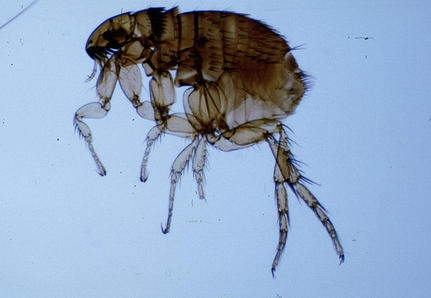
Dog fleas are small. Their body length varies from one to four millimeters, and their width is only 1-2 mm. Their body color is dark brown.
This insect can jump quite a distance (especially considering its small size) – up to 30 cm in both length and height. To "catch" these bloodsuckers (and fleas are what they are), a dog doesn't necessarily need to come into close contact with another animal already infested with these ectoparasites. Your four-legged friend might be running near the basement (where these vermin are plentiful, breeding grounds and able to survive for long periods). If the entryway is damp, cold, and dark, with a connection to the basement, there could be plenty of fleas there. And if you live on the ground floor, your pet is at risk even at home without protection.

Fleas are dangerous not only because they cause intense itching, crusting (as a result of scratching and biting the itchy skin), and hair loss in dogs, but also because fleas themselves often carry parasites (the cucumber tapeworm causes dipylidiosis in dogs). A dog becomes infected when it ingests a crushed flea. Furthermore, there's a risk that scratching can infect the wound, which can lead to dermatitis. Less commonly, fleas can cause blood poisoning (in very severe cases, or when pets are kept in unsanitary conditions, where dangerous microorganisms can enter the body through scratching wounds).
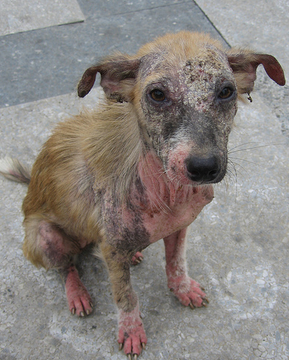
To prevent this from happening, your pet needs protection! There are plenty of collars, drops, and sprays available from various manufacturers. But before you buy the first one you see, read product reviews and be sure to read the ingredients and instructions. Weakened pets, pregnant/nursing females, or puppies require gentler protection.
Ticks on a dog
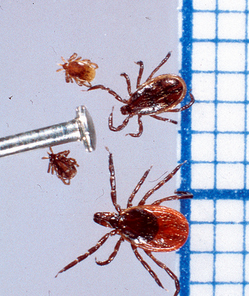
What can really scare an owner is finding ticks on their dog. Almost everyone has heard of the dangerous diseases these parasites carry (piroplasmosis, tick-borne encephalitis). But some hope they'll get away with it, while others try every possible way to protect their pet, buying sprays, collars, or drops against fleas and ticks for dogs.
We won't talk about ticks. Although they are described using a cat as an example, these insects are, so to speak, "universal" (they parasitize both cats and dogs). You can also read about piroplasmosis, which develops after a tick bite, on our website. Even if your region is free of this disease, that doesn't mean you shouldn't protect your four-legged friend.
How to properly apply drops to an animal
Advantix drops are used for dogs and puppies seven weeks and older. The product should be applied to dry, unbroken skin. When applying, part the animal's fur between the shoulder blades and apply the medication.
However, it's important to remember that much depends on the toxicity of the product. You don't want your pet licking the product off, so you need to apply it so your pet can't reach the treated area with their tongue.
If you want to enhance the protective effect, you can combine the drops and collar. However, there's a key caveat. It's important that they don't contain the same active ingredients, otherwise you could overdose or develop a severe allergic reaction.
The nuances of using anti-tick and anti-flea products for dogs
Remember that these remedies don't repel all parasites. Rather, they work after the insect has fed on blood. Then, the tick (or flea) is injected with the active ingredient in the flea and tick repellent for dogs, paralyzing the parasite and causing it to "fall off." However, if a bite has occurred, there's a risk that the tick has injected its saliva containing Babesia (if present).
However, without a collar and drops, your pet is much more likely to be attacked by ticks and fleas. To ensure your pet's safety and health, avoid walking in areas where insects might be present and attack you. Also, inspect your pet's coat and skin before entering the house.
Carry a comb on your walk to remove any insects that have attacked but haven't yet attached. If you do manage to comb one out, don't leave it in front of your front door. Otherwise, other animals could get hurt (or someone could bring an "unexpected guest" into the house on their shoe).
And don't forget about the expiration date of flea and tick treatments for dogs. Some last only a month, while others last longer. The closer it is to changing the collar or applying new drops, the weaker the protection.
Read also:



Add a comment