
Cane Corso is a dog breed
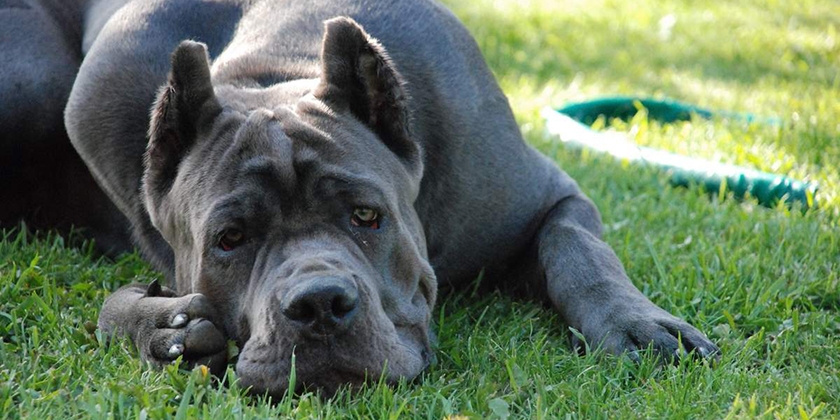
The Cane Corso is a typical Molosser breed (a group that includes herding, herding, and mastiff dogs). This breed isn't as easy to get along with as it might seem, but those who do will find a loyal friend and a reliable protector. Another name is the Italian Mastiff.
Content
Origin
The ancestors of these dogs are Tibetan mastiffs, which inhabited ancient palaces. Their ancestor is believed to be a specimen presented as a gift to the emperor. The monarch appreciated their ability to stop people who threatened his safety. After the dogs spread across the mainland, they were used for various tasks, such as fighting, war dogs, and guard dogs.
The first written references to Cane Corsos date back to the 14th and 15th centuries. These records describe their use in hunting and baiting. The breed was also used as a herder. When Ancient Rome fell, the breed was crossed with Celtic sighthounds, which gave the breed new potential. At the same time, Italian mastiffs ceased to be used for hunting, relegating them to guard duties.
These animals performed a wide variety of tasks, making them versatile. The purity of the Cane Corso's gene pool was always monitored, but during the 1939-1945 war, they were deployed on the front lines, suffered from hunger, and were unable to reproduce normally, which nearly wiped out the breed. In 1945, the Corso was on the verge of extinction, a situation that persisted for several decades. It was only in 1983 that an enthusiast from Italy, Giovanni Nizzoli, collected all the surviving specimens in the country and, within a few years, achieved breed standardization. In 1987, the Cane Corso was officially recognized and a document describing it was issued. Breeding registration occurred even later, in 1994. Thanks to this, within just two years, the population exceeded 3,000.
Character
It's important to remember that this dog's protective qualities are genetically ingrained, meaning that minimal training with a canine handler can develop these qualities to their full potential. They protect not only the yard or area they consider their own, but also all the people living there. Furthermore, the breed is known for its sociability with other animals, even small animals like hamsters and parrots.
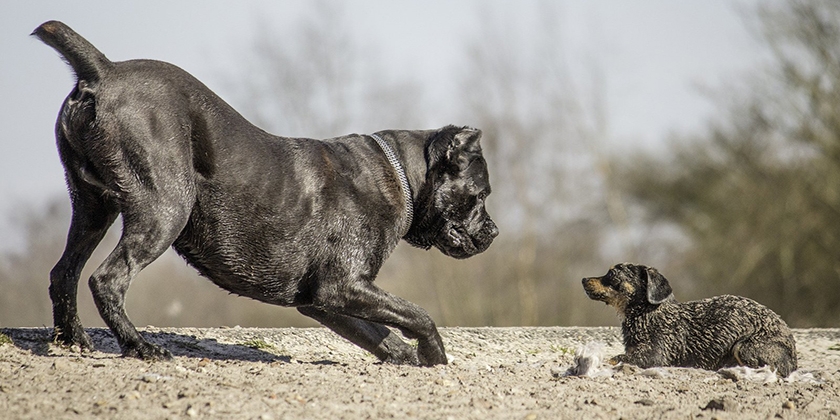
If the owner is friendly with strangers, the Cane Corso will also be well-disposed, but at any sign of threat, it will demonstrate that human safety is its top priority. Aggressive behavior can be observed in two situations: when it is attacked or when receiving the command "Attack!" from the owner.
Particularly noteworthy is their incredible care and patience with small children. This trait has been ingrained in their genes since the days when the youngest members of the flocks required especially close attention.
Characteristics
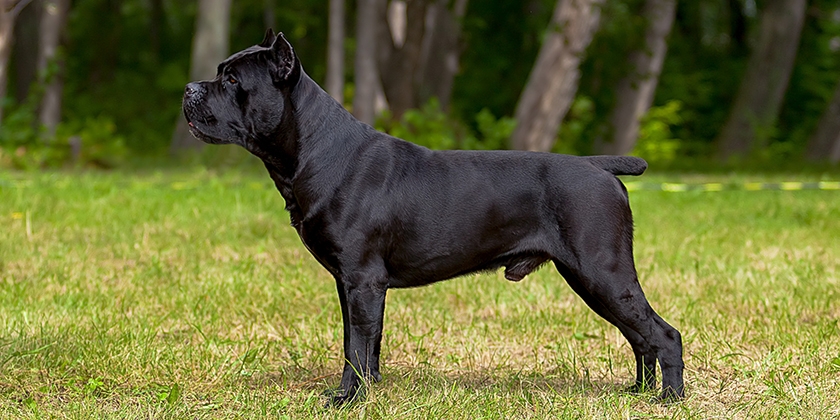
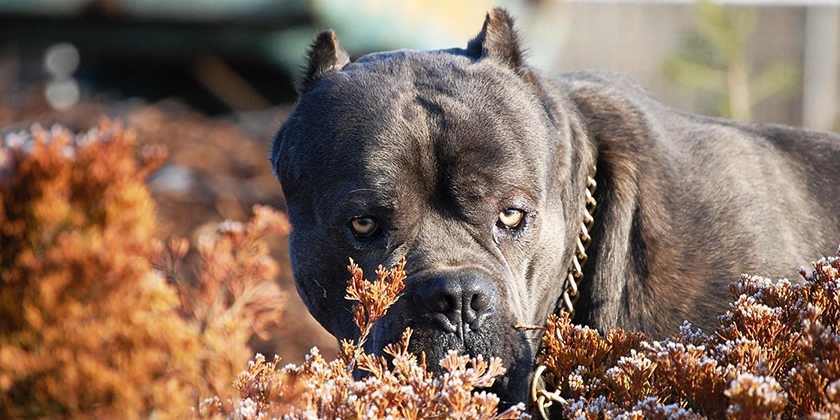
This is a well-muscled dog. Experts classify it as a "stretched" breed. This means its body length exceeds its height at the withers. For an adult male, this measurement is 65-68 cm, and for females, 62-64 cm. Their weight, respectively, is 45-50 kg and 40-45 kg.
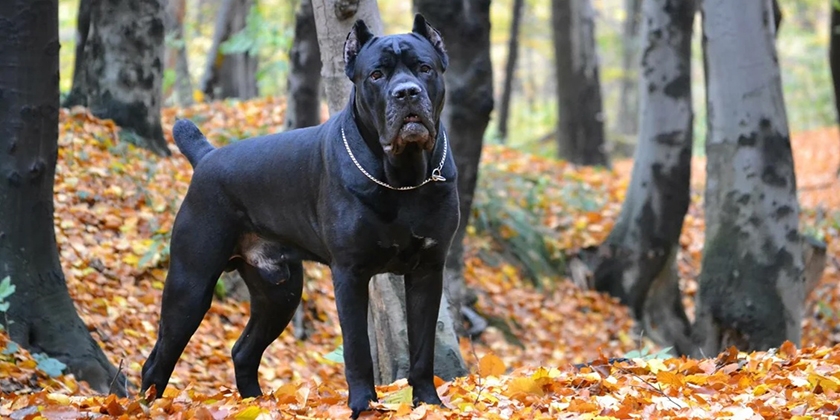
Cane Corso breed standards:
- large pentagonal head;
- broad chest and developed shoulder girdle;
- strong jaws providing a death grip;
- the lower lip covers the jaw;
- the eyes are small, the look is alert;
- smooth slope from forehead to muzzle, black nose;
- the withers stand out above the general level of the croup;
- lean belly;
- It is not necessary to crop the ears;
- the front legs are slightly higher than the hind legs;
- shiny coat, very sparse undercoat;
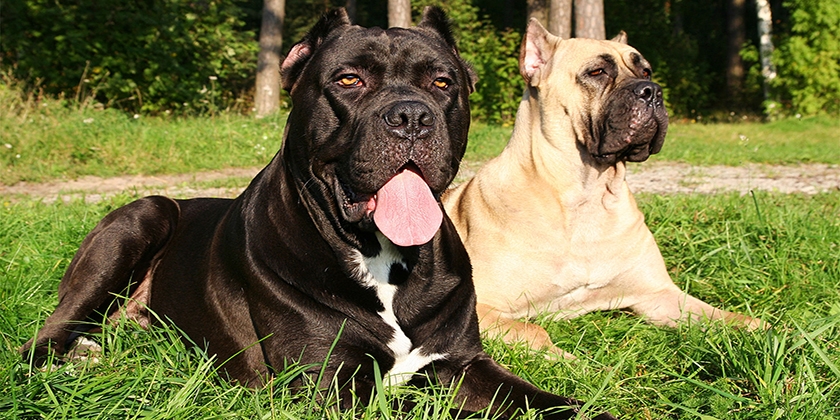
- dark, red or brindle color, a white spot on the chest is allowed.
The following are considered vices:
- wedge-shaped muzzle, turned up higher than normal;
- lack of pigment on the nose or part of it;
- hooked tail or tail protruding vertically from the point of attachment;
- discrepancy between height and weight parameters.
Shyness or aggressiveness in a Cane Corso is grounds for disqualification.
Upbringing
Experts note that training this breed is not very difficult. This is because they lack a sense of dominance, so they readily obey orders. It's important for owners to establish their authority. Training should be done quickly; rules should be clearly established from the first days of a Cane Corso puppy's stay in the home.
Important points:
- Undesirable behavior needs to be corrected at the earliest stages.
- Aggression should not be used in training. This will only frighten the pet and slow down its understanding of what is expected of it. The best methods are based on mutual understanding.
- No strangers are involved in training. The puppy must have an authority figure who will clearly and distinctly convey what is expected of the dog.
- Getting used to being alone should be done gradually. First, leave the puppy alone in the house or yard for a few minutes at a time, then gradually increase the time.
It's important to ensure that your Cane Corso is obedient and follows the "Heel" command on walks. Passersby will be displeased if such a large dog is off-leash.
Once inside the house, your pet should be given its own place right away. At first, the puppy will ask to sleep in your owner's bed, but this shouldn't be allowed. It's best to buy it a bed right away, which can be placed near the sofa or bed.
Care
In most cases, large breeds are recommended for outdoor living, but Cane Corsos are different: firstly, they are very independent and do not tolerate being kept apart from their owner, and secondly, the lack of an undercoat makes them vulnerable to cold weather. Furthermore, they don't require the same amount of physical activity as other breeds of their size; regular training is sufficient.
Bathing
The Cane Corso's coat is covered with a special oily coating, and frequent washing can lead to skin and immune system problems. It is recommended to bathe the dog once a month in warm water, using a veterinary shampoo and a special rubber glove. If the dog gets dirty more often, dry shampoos can be used.
Combing
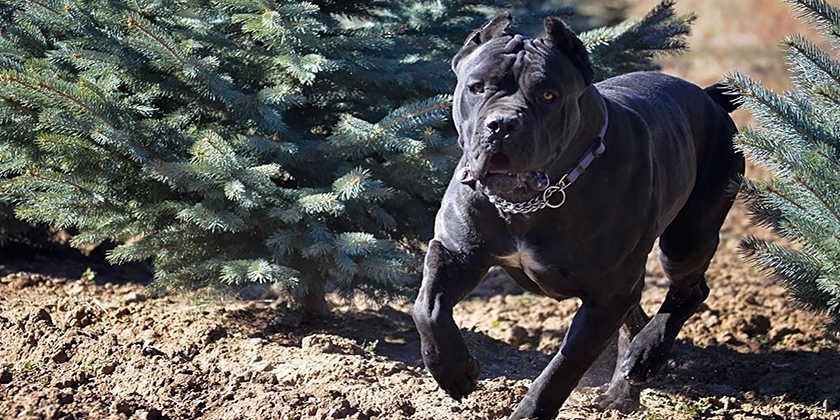
The breed's advantage is that its thin undercoat means it sheds virtually nothing. This makes grooming the Cane Corso easy. Brushing them with a special rubber comb a couple of times a week is sufficient.
Hygiene
Grooming procedures are an essential part of caring for this breed and will ensure normal health. A weekly oral, ear, and eye examination and cleaning are performed. A special toothpaste and toothbrush are used to remove plaque. Cane Corsos should be accustomed to this procedure from puppyhood.
You can't use your owner's toothpaste - the substances it contains are harmful to the dog.
The eyes are washed with cotton pads soaked in strong tea leaves, and the ears are wiped with a cotton cloth soaked in hydrogen peroxide. It is not recommended to use cotton swabs for this procedure, as the animal may suddenly shake its head, which can damage the middle ear.
Feeding
You need to choose one type of diet: one based on natural products or one using balanced foods. Switching from one to the other without a compelling reason is not recommended. What can you feed a Cane Corso?
- lean meat;
- lean sea fish;
- cereals — rice, oats, buckwheat;
- eggs;
- low-fat cottage cheese;
- vegetables.
Not recommended:
- smoked meats;
- fatty meat;
- salty, spicy;
- millet and pearl barley;
- onions and garlic;
- sweets.
A human diet will not satisfy all the needs of this breed, so table food should not be given.
Selection and purchase
A Cane Corso puppy can be purchased for 40,000-70,000 rubles. The price depends on the status of the parents, their pedigree, etc.

When choosing, it is important to pay attention to the following points:
- parents' appearance;
- availability of certificates and prizes;
- indicators of breed purity and health in previous litters;
- probability of genetic diseases.
Based on these characteristics, the breeder sets the price of a Cane Corso. You can also purchase a puppy from specialized breeders.
Read also:
- A dog breed that resembles a wolf
- Fighting dog breeds: list
- How to choose a dog without making a mistake


Add a comment