
Campylobacteriosis in cats: symptoms and treatment
Campylobacteriosis is caused by intestinal bacteria and develops in cats with characteristic symptoms. If left untreated, animals with weakened immune systems can develop serious complications. Therefore, at the first sign of illness, it's important to visit a veterinarian immediately and follow all recommendations. If left untreated, the owner and their family members can become infected.
Content
Causes of campylobacteriosis
The disease is caused by a bacterial infection. The culprit is the Campylobacter bacterium, which is dangerous to humans and animals. Pets become infected through food—campylobacteria are transmitted through drinking water, raw meat, and dairy products. The microorganism can also enter the gastrointestinal tract through the fecal-oral route, which is carried by water. This infectious disease is severely affected by kittens under 6 years of age, older cats with weakened immune systems, and pets that have undergone surgery or are recovering from an illness.
There is a risk of infection for small children who have eaten cat food. Therefore, after feeding the cat, it is advisable to remove the bowl and place the water out of reach of children.
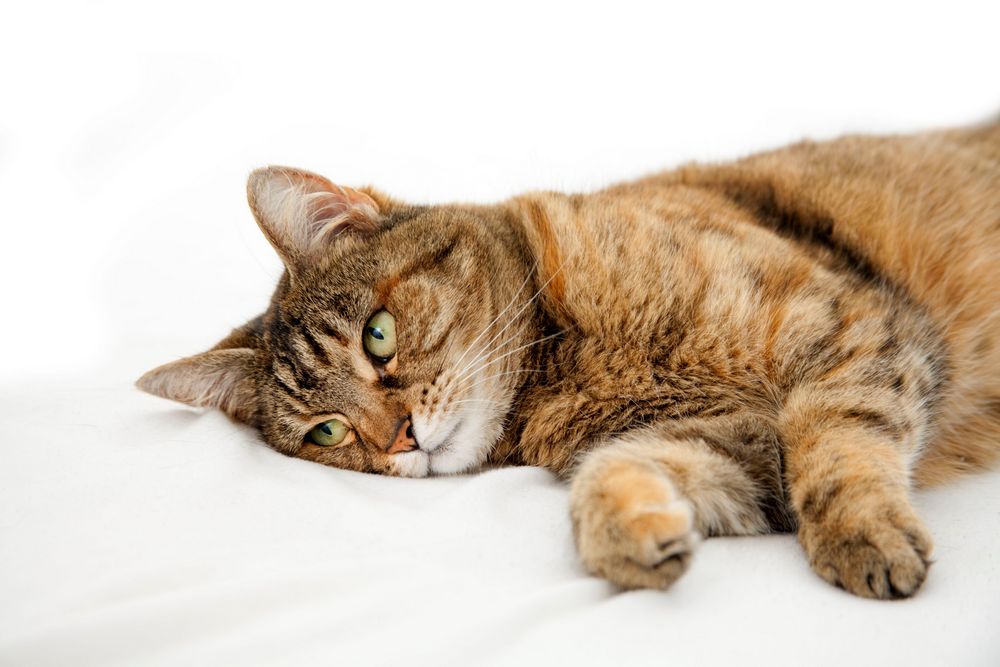
Symptoms of campylobacteriosis
The disease is accompanied by a number of specific signs that can help identify the infection in its early stages. Symptoms in kittens and weakened pets appear several days after infection. Animal:
- loses appetite;
- experiences vomiting;
- suffers from diarrhea and increased flatulence;
- refuses to drink;
- temperature.
Gradually, the pet weakens and hides in secluded places. As the intestinal pathology progresses, gastrointestinal pain appears, and mucus and traces of blood become clearly visible in the stool. In kittens, the disease is particularly severe, with profuse watery diarrhea and a high risk of death without veterinary care.
The pathology can develop gradually, with symptoms appearing and then abruptly subsiding. The clinical picture typically lasts from two weeks to one month. Periods of calm last from a couple of days to several weeks.
Sometimes, in cats with strong immune systems, the infection may manifest as no significant symptoms or only cause mild gastrointestinal upset, characterized by short-term diarrhea. In this case, the animal will recover on its own. If any symptoms are present, take your pet to a veterinary clinic for examination and treatment planning.
Diagnosis of the disease
A veterinarian will order tests to detect the presence of Campylobacter in the body. A stool sample is usually ordered. The sample is brought to the clinic in a plastic container. A small amount of feces—about the size of a hazelnut—is sufficient for testing. It's best to select a sample in which blood or mucus is clearly visible.
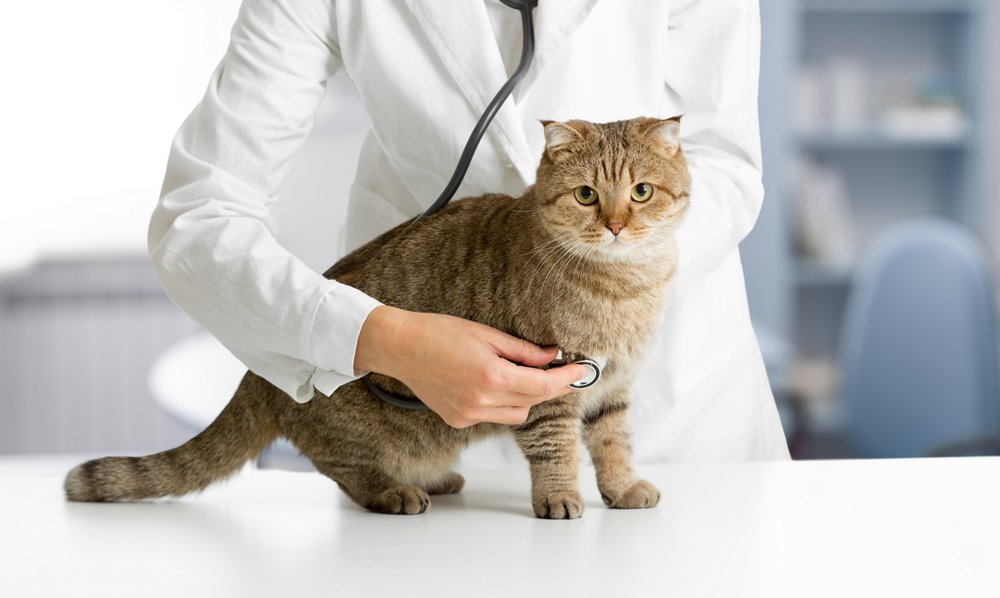
Since several hours may pass between the cat's defecation and the time the sample is sent for bacterial culture, it's best to refrigerate the container containing the stool at 2-8ºC. The sample may take up to 3-7 days to process. Therefore, to determine the exact cause, the veterinarian will prescribe a treatment that alleviates the pet's general symptoms.
Clinical blood tests are also performed. Symptoms of the disease resemble gastroenteritis, as well as acute dysentery and helminthiasis. To establish a diagnosis, the veterinarian may recommend additional tests, such as an abdominal ultrasound.
What medications are used to treat campylobacteriosis?
In complicated cases and when the patient's condition is severe, treatment is carried out in a veterinary clinic. The pet receives intravenous medications and nutritional solutions to maintain their condition and prevent dehydration.
At home, cats are prescribed antibiotics specifically designed for animals, such as tylosin. Human medications, such as doxycycline and erythromycin, can also be used. Avoid self-administering antibiotics. The treatment regimen is tailored to your cat's needs, taking into account any underlying medical conditions and the cat's weight.
Caring for a sick animal
When treating at home, it's important to provide a calm environment so the animal feels comfortable. It's important to:
- observe the time for taking medications and feeding;
- provide easy access to water and food;
- Monitor your diet according to your veterinarian's recommendations.
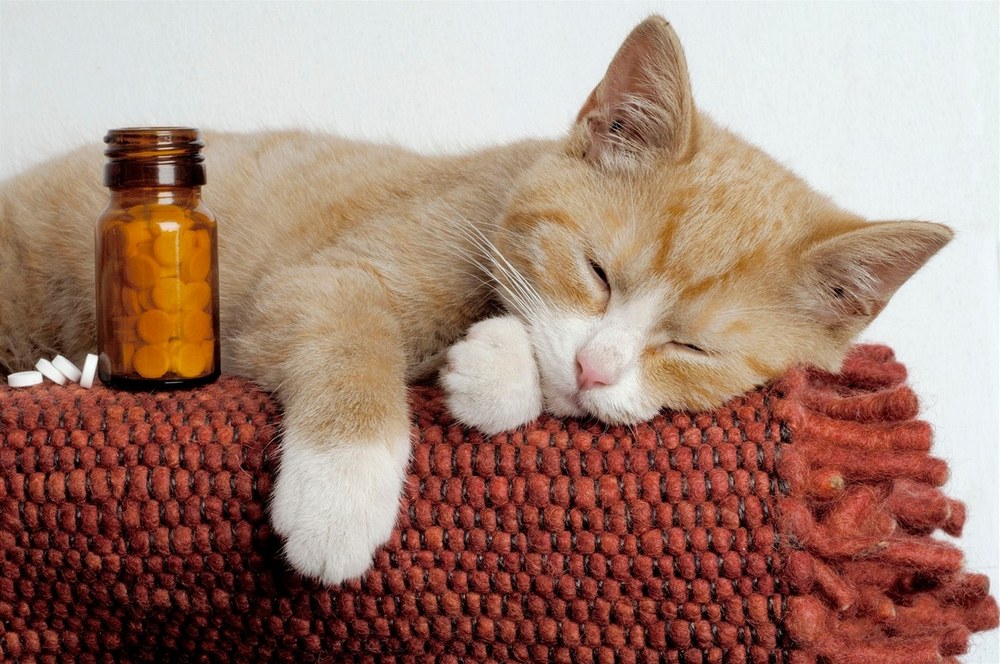
Regular visits to the vet are necessary to monitor the cat's condition and adjust the treatment plan. At home, the pet should be kept isolated from other animals and people to prevent infection.
Lack of treatment or its ineffectiveness leads to dangerous consequences for the cat's health, developing against the background of weakened immunity. Weight loss, changes in habitual behavior, exhaustion, and apathy are possible. Septicemia—a lack of beneficial microorganisms in the blood—is possible. If treatment is started promptly, the pet's condition quickly stabilizes, and the prognosis is favorable.
Prevention of campylobacteriosis
Since the infection is most often transmitted through food, it is necessary to take measures to ensure its safety and observe sanitation rules:
- Meat, offal, and poultry should be boiled or stewed for a long time. Bacteria are killed by proper cooking.
- Campylobacter microorganisms tolerate low temperatures well, so it is not recommended to eat raw meat even after prolonged freezing.
- It is better to change the water daily and wash the bowl after each meal.
- Periodically treat the floors in the rooms with disinfectants.
- Wash the tray more often and change the litter.
- Don't neglect veterinary examinations of your pet; take it to the doctor at least once every six months, and not only when symptoms of illness appear.
Because humans can easily become infected with campylobacter, rubber gloves should be used when washing food and water bowls and when changing litter in the litter box. It's also advisable to wash your hands frequently with soap if your cat has been diagnosed or is suspected of having the disease.
 Campylobacteriosis is an intestinal infection whose symptoms depend on the animal's immune system. In a weakened immune system, the disease can be severe. To prevent complications, consult a veterinarian at the first sign of illness.
Read also:
- Coccidiosis in cats: symptoms and treatment
- Mycoplasmosis in cats: symptoms and treatment
- Feline immunodeficiency virus


Add a comment