
Kamchatka sled dog
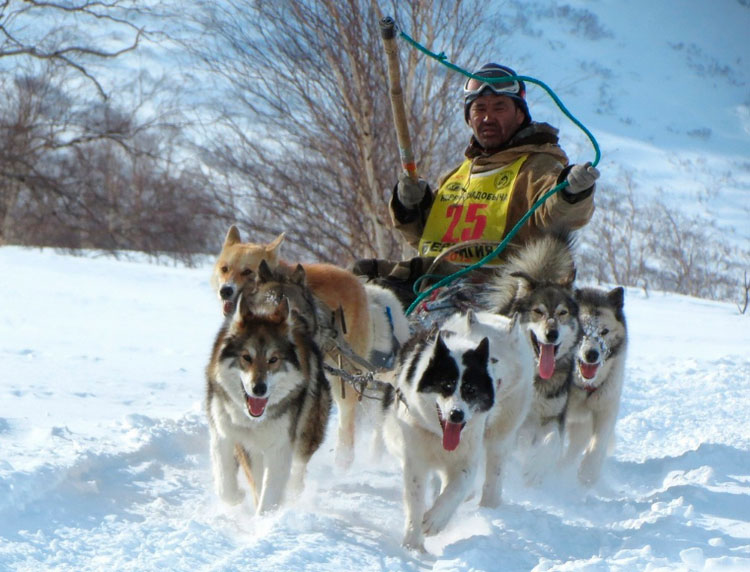
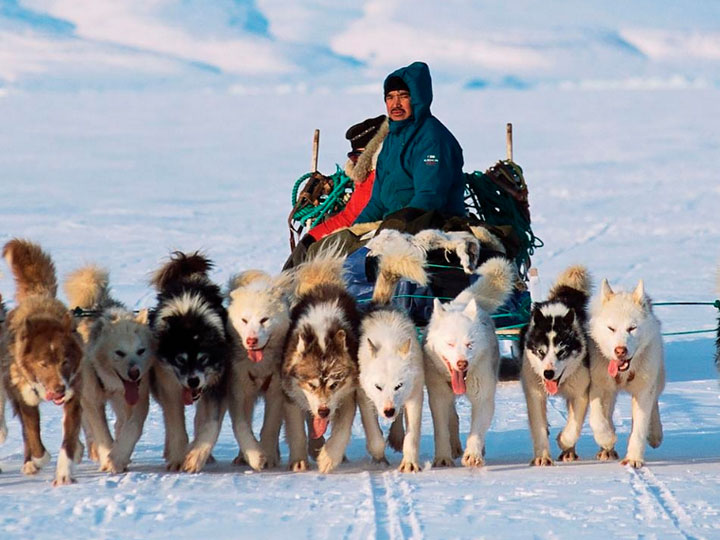
The Kamchatka sled dog is an indigenous breed that has been used on the peninsula for centuries to transport goods and people. Kamchatka sled dogs played a significant role in Vitus Bering's first and second expeditions. By the end of the 20th century, they had almost completely disappeared. Currently, the breed is being revived by enthusiasts and used in sled dog racing.
Content
History of origin
For centuries, dogs played a vital role in the lives of people in Kamchatka. They were the only hunting and transport animal, and they largely determined the people's ability to survive and settle.
According to the 1926 census, there were 50,000 sled dogs in the Kamchatka and Anadyr districts. In the post-war years, they were systematically exterminated to conserve fish, but their numbers remained relatively high until the 1950s and 1960s. By the late 1980s, there were almost no purebred Kamchatka dogs left. Many were displaced by technological progress, and the rest were crossbred with other breeds.
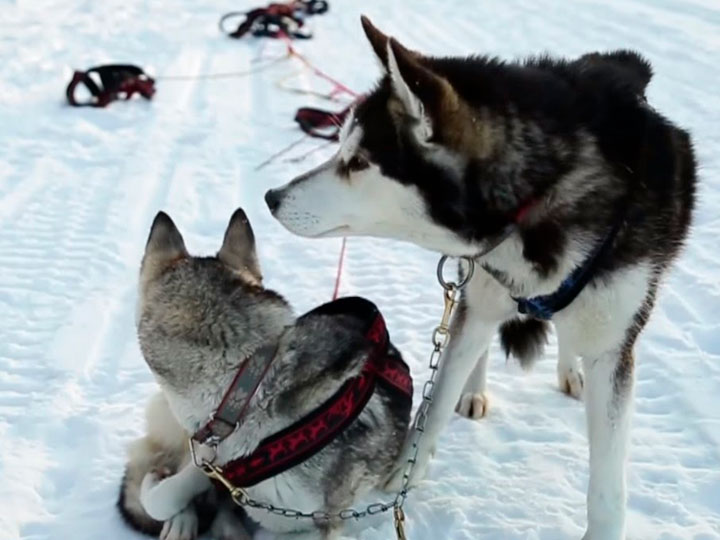
Currently, the breed is being intensively revived thanks to the work of Kamchatka mushers who annually participate in the Beringia dog sled races.
In 1990, the first Beringia race was held. Alarm bells were raised at the time: there were very few purebred Kamchatka dogs in the sled teams. They were mostly various crossbreeds. At the Beringia-91 and Beringia-92 races, an even greater decline in the breed was noted. It was then that the first serious measures were taken. In 1992, a standard was developed and recognized in service dog breeding in the Russian Federation. Kennels began to open, but the problem of reviving the Kamchatka sled dog remains pressing. Fresh blood sometimes has to be sought even among Alaskan Huskies, which, according to some sources, are direct descendants of the Kamchatka dogs. The breed was significantly improved, but many characteristics were lost.
Appearance
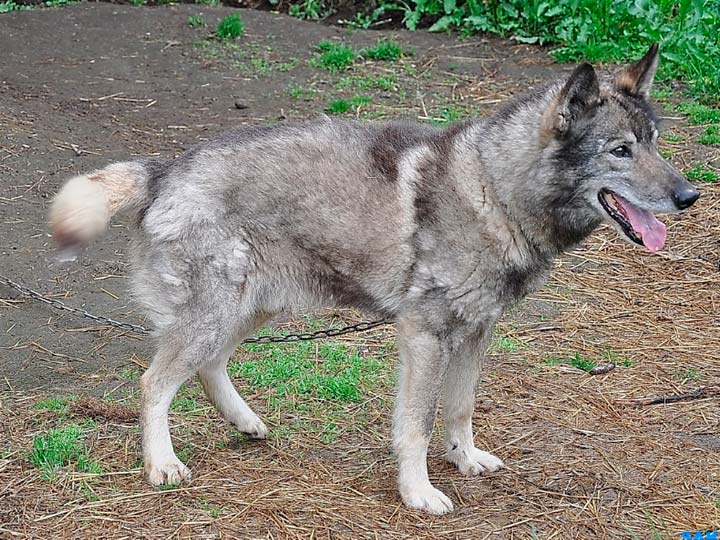
Kamchatka sled dogs have a modest appearance. While there's no clear uniformity among the breed, there are some noticeable common features. Sexual dimorphism is moderate.
- Height at withers for males: 56-68 cm;
- Height at the withers of bitches is 54-64 cm;
- Weight: about 30 kg.
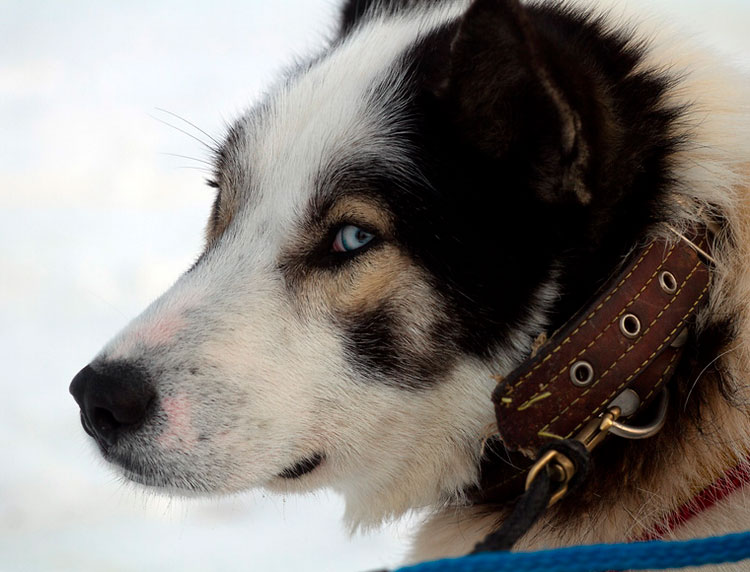
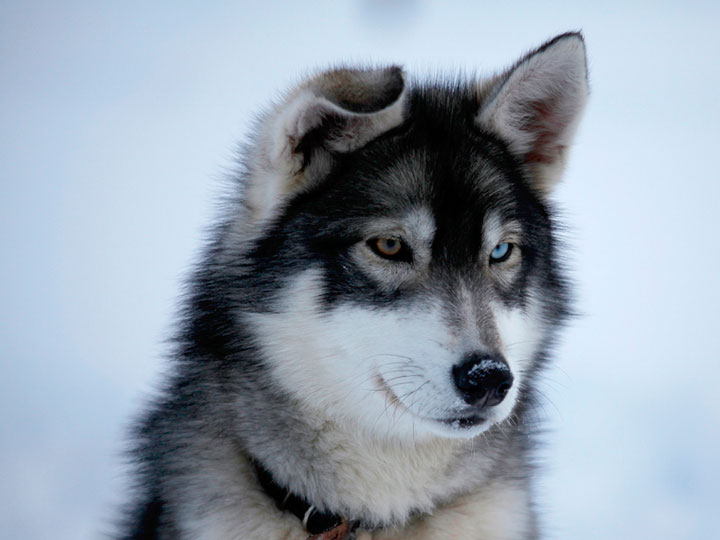
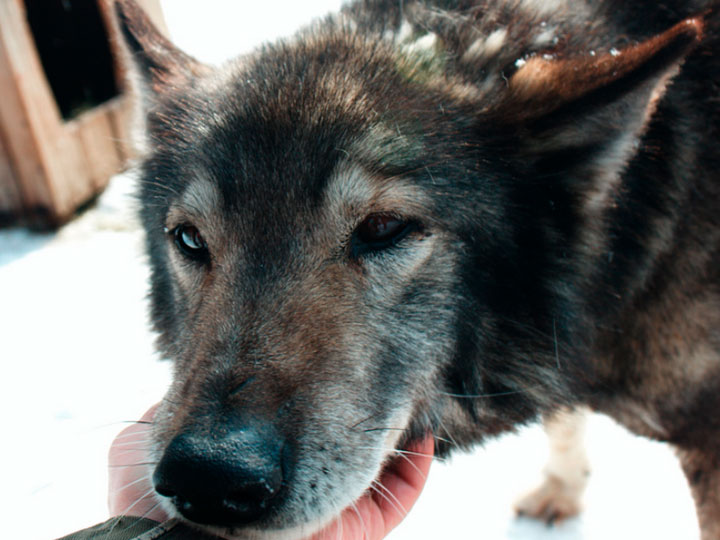
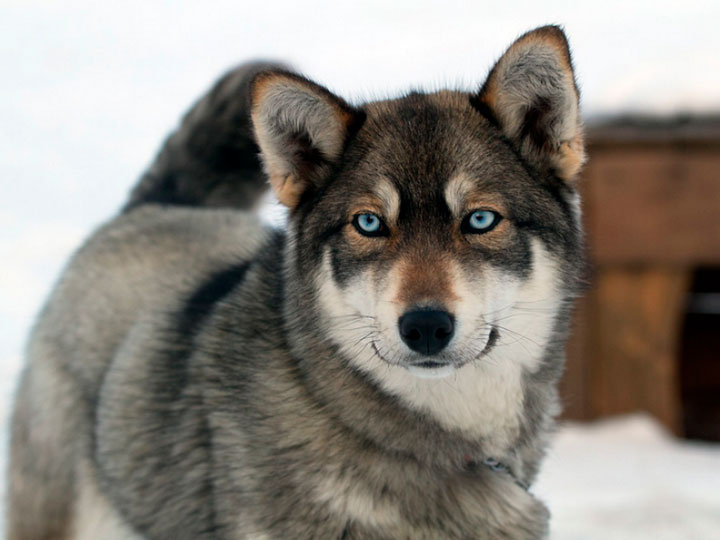
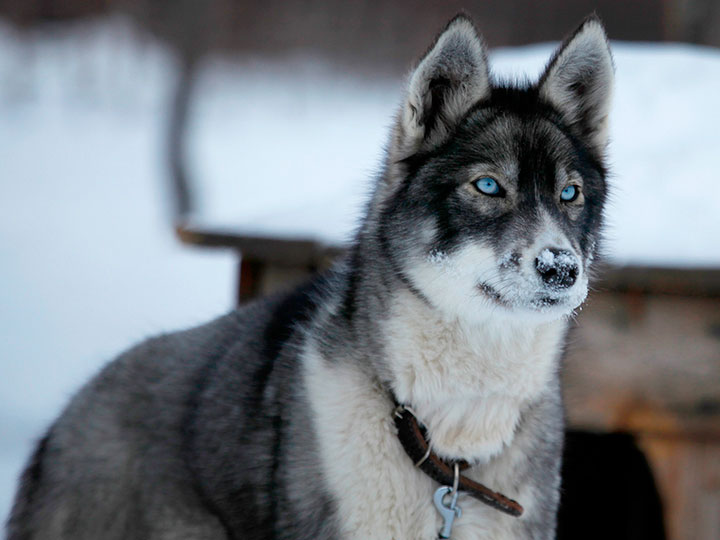
The head is wolf-like. The stop is pronounced. The muzzle is massive, the eyes are set obliquely, small, and usually dark brown, but lighter colors are also possible. The ears are erect and pointed. The lips fit tightly to the jaws. The teeth are strong.
True Kamchatka sled dogs are considered to be moderately elongated. "Square" sled dogs are faster but less durable. A solid chest, strong forelegs, well-developed muscles, and pronounced tendons are desirable. The tail is long and well-set. The toes are hard.
The Kamchatka Peninsula has several climate zones, so sled dogs in the south and north are very different. The current Standard applies to dogs from Central and Southern Kamchatka. The so-called polar type is common in northern villages; although not officially recognized, it can be found in almost all historical accounts of Kamchatka.
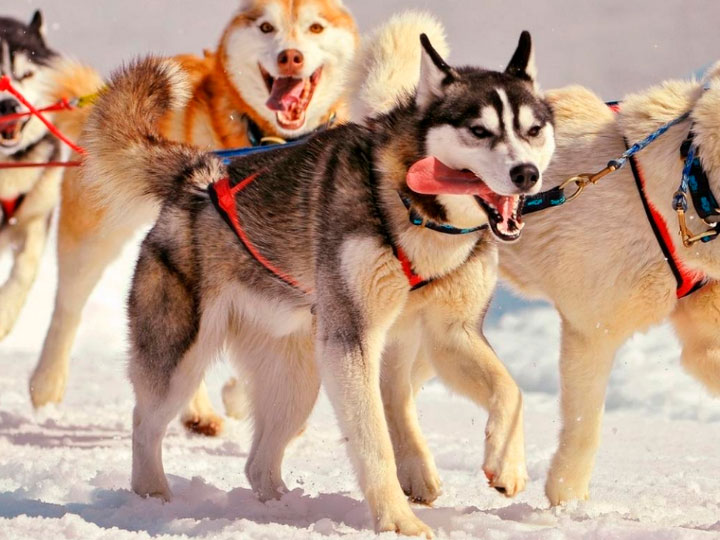
The coat is very well developed, dense, with a relatively long undercoat that evenly covers the dog's body. The hair on the paws is moderately short, dense, and harsh, forming brushes between the pads and toes. A wide variety of colors are acceptable. Mushers prefer dogs of various colors, as solid-colored dogs are more difficult for the eyes to control on the road.
Character and behavior
Kamchatka sled dogs are balanced, calm, and agile. They develop conditioned reflexes quickly and retain them reliably. Violence toward humans is not typical.
The temperament of a sled dog plays a decisive role in work and is strictly taken into account during selection.
Interestingly, they have a keen sense of thievery. Despite the harshest punishment, many dogs can't resist stealing something. This, along with their independence and some timidity, makes them similar to wolves and foxes. Out of hunger, they can form packs and attack livestock. Internecine conflicts can sometimes be very violent. Some dogs bark, but very rarely; most howl and whine.
Kamchatka sled dogs are friendly with people. They are quite reserved and won't insist on hugs, but they always appreciate praise and affection. They are not suitable for guard duty and are not particularly territorial. With rare exceptions, they will not protect property or their owner. They are friendly, reserved, and can be wary of strangers.
The meaning of life for the Kamchatka sled dog is constant movement and hard work.
Kamchatka dogs are naturally curious, intelligent, and stubborn. They are easygoing, playful, and cheerful. Properly raised and trained, they behave obediently in a sled, but their leader remains their most important asset. As with other sled breeds, the leader acts as the link between the musher and the dogs in the sled.
Content Features
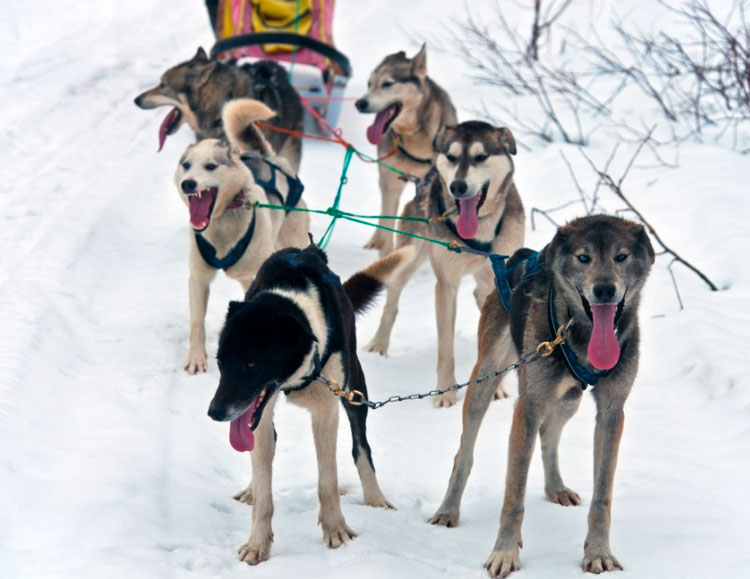
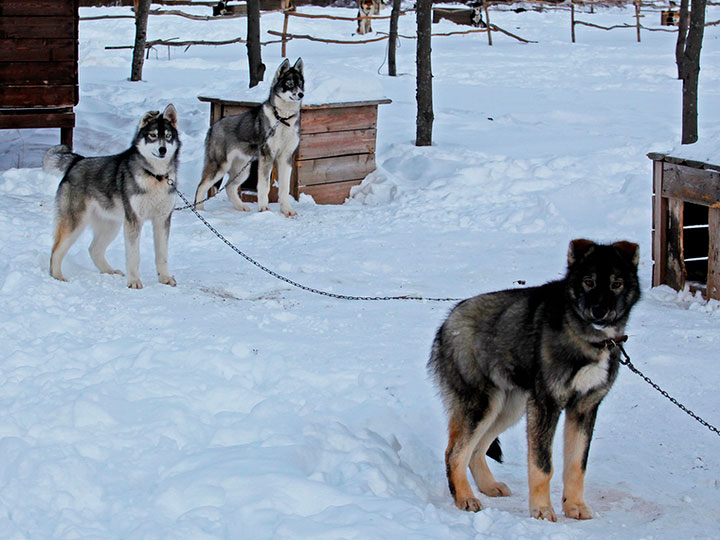
Sled dogs used to be kept outside the village on chains. Posts were driven into the ground about 50 meters apart, with chains attached to them long enough to prevent the dogs from fighting. Kennels were never built. Winter was much easier for the dogs than summer. They curled up, covered themselves with snow, and slept. In summer, they had to dig holes in the ground to escape the rain and mosquitoes. They'd crawl into them so tightly that only their tails stuck out. Today, keeping Kamchatka sled dogs is little different, except for the occasional small kennel.
The Kamchatka sled dog is remarkably resilient, easily enduring food restrictions, adverse weather, and long days of labor. It has always been prized for its quick and easy adaptation to various conditions.
Physical exercise must be very intense. A working Kamchatka sled dog, after just two or three days without training, begins to suffer if the trip doesn't pan out, and begins to howl and bark terribly.
Nutrition
The basis of the diet sled dogs In Kamchatka, the diet has always been dominated by fish and sea creatures. They were usually fed with food unfit for human consumption. They were given raw, dried, or frozen fish, and prepared apana (a soup made from fish, scraps of meat, and offal, seasoned with flour and sometimes seal fat). A characteristic feature of the Kamchatka sled dog breed is its high digestibility. While a regular dog digests about 30% of its food, a true sled dog can digest up to 70%.
Health and life expectancy
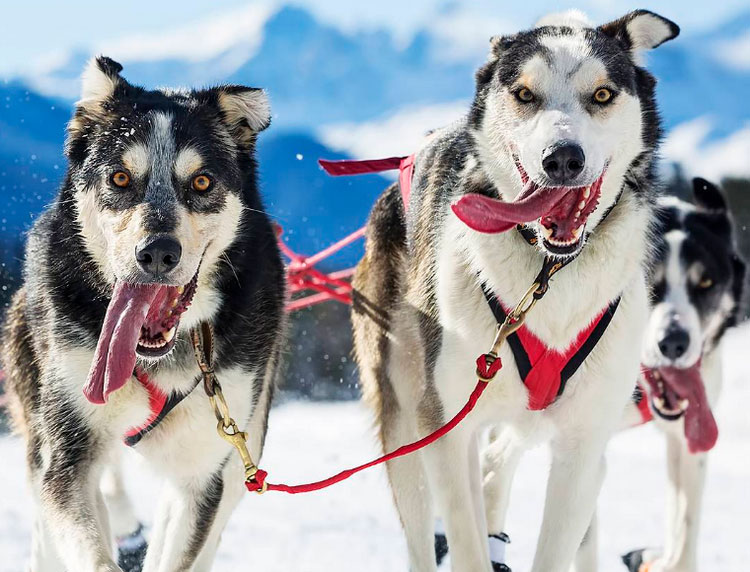
The true Kamchatka sled dog is very healthy and hardy. Nature and strict human selection once preserved only the strongest. Today, the breed is being revived, and inbreeding is essential. How this will impact the breed's health and heredity will be known in the future. Life expectancy is 12-15 years. Many dogs run in harness until they are 11-12 years old.
Where to buy a Kamchatka Sled Dog puppy
Many Kamchatka sled dogs participate annually in the Beringia, one of the most famous dog sled races. They are primarily selected for their working abilities. Purebred breeding is still a distant prospect. Several kennels are working to revive the breed, almost all of them located in Kamchatka: Snow Dogs, Inglyau, Eivet, Kainyran, and others. Private breeders also sell puppies, but finding their ads online can be difficult. Some information about Kamchatka sled dogs can be found on the official Beringia website.
Photos and videos
More photos of Kamchatka sled dogs can be seen in the gallery.
Video about the Kamchatka Sled Dog breed
Read also:


Add a comment