
What kind of fish can you give to a dog?
When creating a balanced diet, beginning pet owners often wonder what kind of fish is appropriate for their dogs and what form is best. We'll explore the benefits of different types of fish, what fish should not be fed to dogs and why, and also explore the benefits of fish-based dry foods.
Content
Fish in a dog's diet
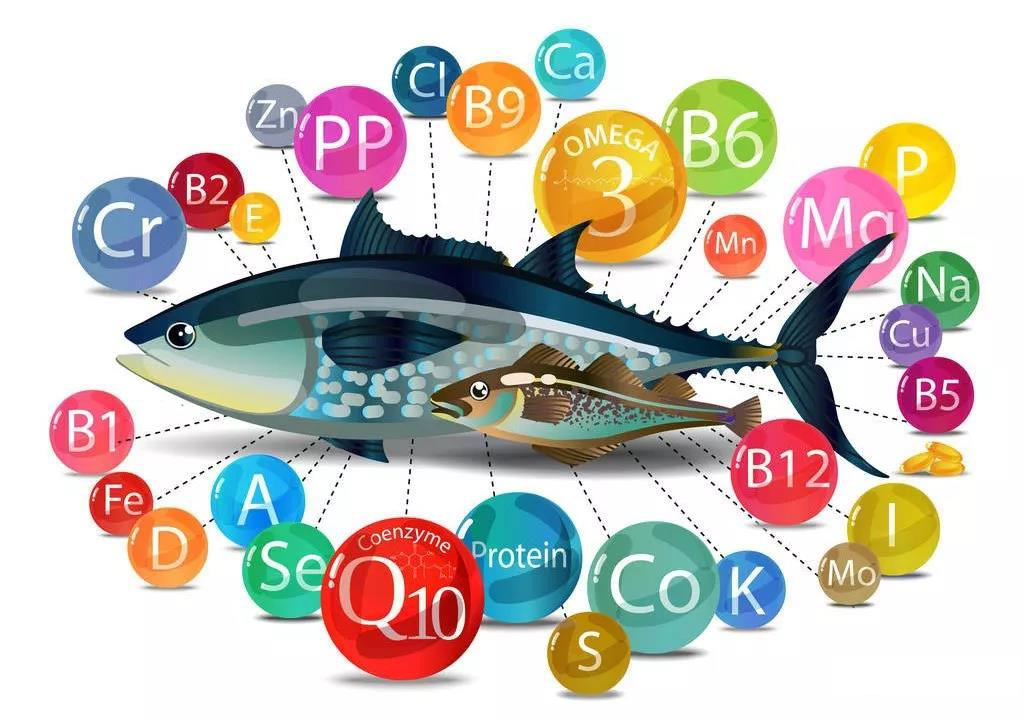
About the benefits of fish and fish oil Everyone has heard of fish in the human diet, so most homeowners consider this product an ideal alternative to meat. Naturally, this is true to some extent, as fish is a source of important components for the body:
- squirrel;
- vitamins;
- amino acids;
- Omega-3 and Omega-6;
- microelements.
Among the undeniable advantages of fish over meat (the same beef), it is worth noting:
- hypoallergenic (cases of allergic reaction to fish among dogs are extremely rare);
- easy to digest (important for gastrointestinal problems);
- minimum fat (will help avoid unwanted weight gain);
- high energy value (as a rule, it is higher than that of beef, but depends on the type of fish);
- the presence of elements that promote healthy joints and coat.

But in contrast to any "plus," there are always a number of "minuses" that also cannot be ignored when choosing between a meat and fish diet:
- high levels of hormones and preservatives in industrially produced fish, which can negatively affect the health of your pet;
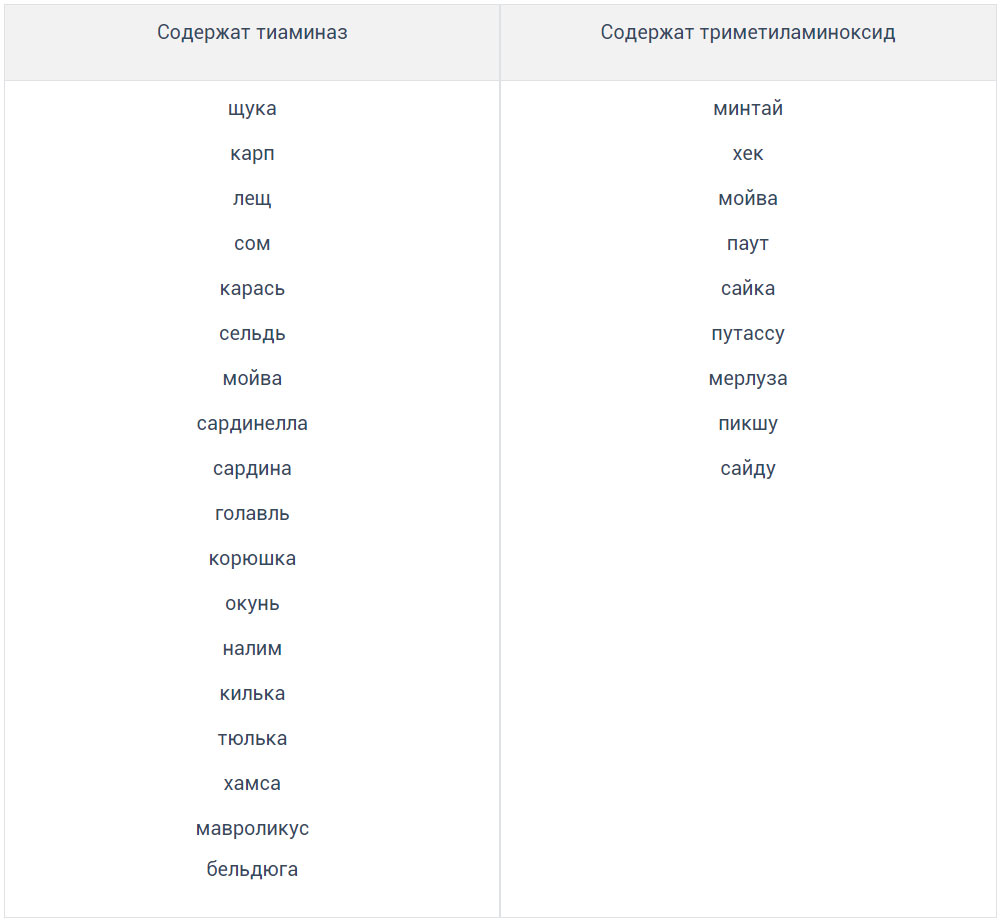
- the enzyme "thiaminase" (breaks down vitamin B), and if consumed in excess, it can lead to a number of conditions caused by a lack of vitamin B;
- trimethylamine oxide (prevents proper absorption of iron), which can also lead to anemia and a whole host of problems;
- Tapeworms are a serious problem that can occur when feeding raw river fish to dogs.
To summarize, fish can and even should be periodically introduced into the menu, but you need to know what kind of fish can be given to your dog and in what form.
Prohibited species
Important! Dogs should never be given exotic or poisonous fish, such as barbel, khramulya, Balkhash marinka, osman, or so-called "four-tooth fish," which include pufferfish and pufferfish.
It's best to immediately exclude mackerel from the list, as it is the most sought-after industrially produced fish, and is most often found to contain high levels of harmful substances.
Veterinarians do not recommend including fish milt in the diet, as it often provokes vomiting, as do very fatty types of fish.

It is also forbidden to give dogs canned food (regardless of the type of fish they contain), since they contain a lot of spices, salt and preservatives. Salted fish can also be harmful to your pet's health, especially if fed in large quantities.
Fish (crab) sticks are also not good for animals, as they contain a lot of starch and flavor additives, but practically no real fish.
Permitted species
The ideal choice, especially for homeowners living in Russia, are lean seafood such as hake, sprat, capelin, cod, sea bass, flounder, tilapia, lenok, and salmon (salmon, pink salmon, chum salmon, whitefish, etc.). Among fatty varieties, tuna and pink salmon are good, but not too often.
Important! Heat treatment for these types of fish is mandatory and should last at least 20 minutes.
Cooking methods
Everyone knows that certain types of meat can and should be fed to dogs raw, but what fish can dogs eat without cooking? The answer is simple: only sea fish (ideally, any salmon) is safe to feed raw (frozen), as freshwater fish almost always contains helminth eggs. Also, keep in mind that the fish must be frozen for at least two days before feeding.
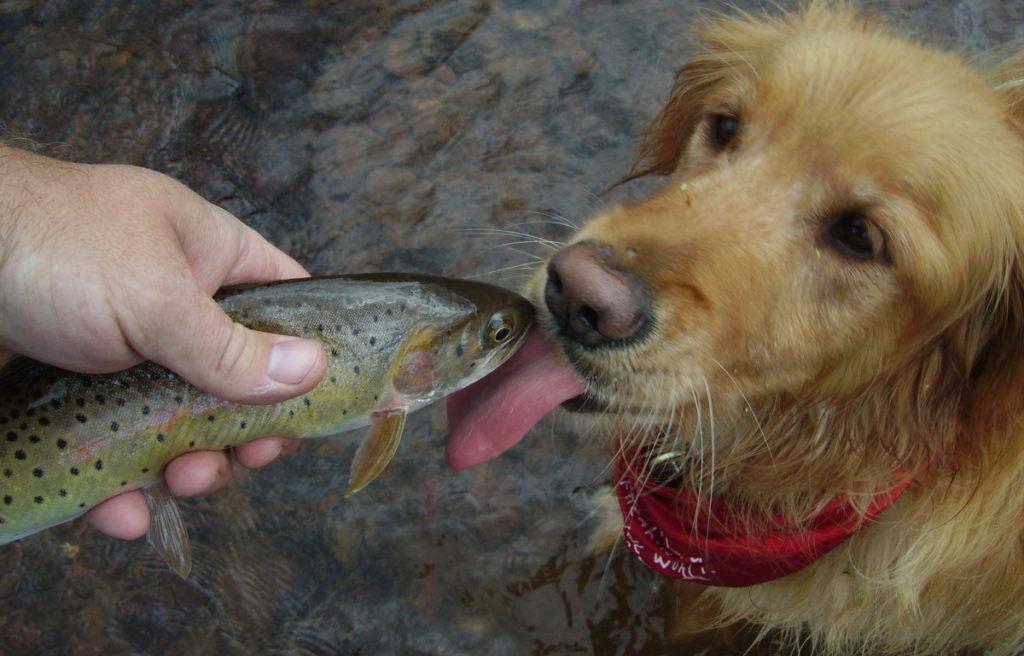
Large breeds (eg German Shepherd, Akita InuFor dogs like St. Bernards and Huskies, you can offer a large piece of slightly thawed fish. Dogs will happily nibble on the frozen treat. Heads and chords are also very beneficial for large breeds.
Small dogs (eg Chihuahua(for a Spitz or Yorkie) it is better to offer ground fish meat, cleared of bones.
Important! Dogs of any breed should not be fed fins, scales, or small bones, which can damage the intestinal lining.

If you are categorically against a raw diet, or the fish is a type that must be cooked, then it is best to boil it for 20 minutes.
Pan-fried or grilled fish is not recommended for dogs due to its high fat and calorie content, especially if the dish is prepared for humans with high amounts of salt and spices.
How often can you give fish?
When developing a balanced diet for your pet, you can plan for one or two fish days per week. This will be sufficient to meet the body's needs.
Important! Fish and meat should not be mixed in the same bowl! They must be given at separate feedings, as they are two different proteins, and mixing them will negatively impact gastrointestinal function.
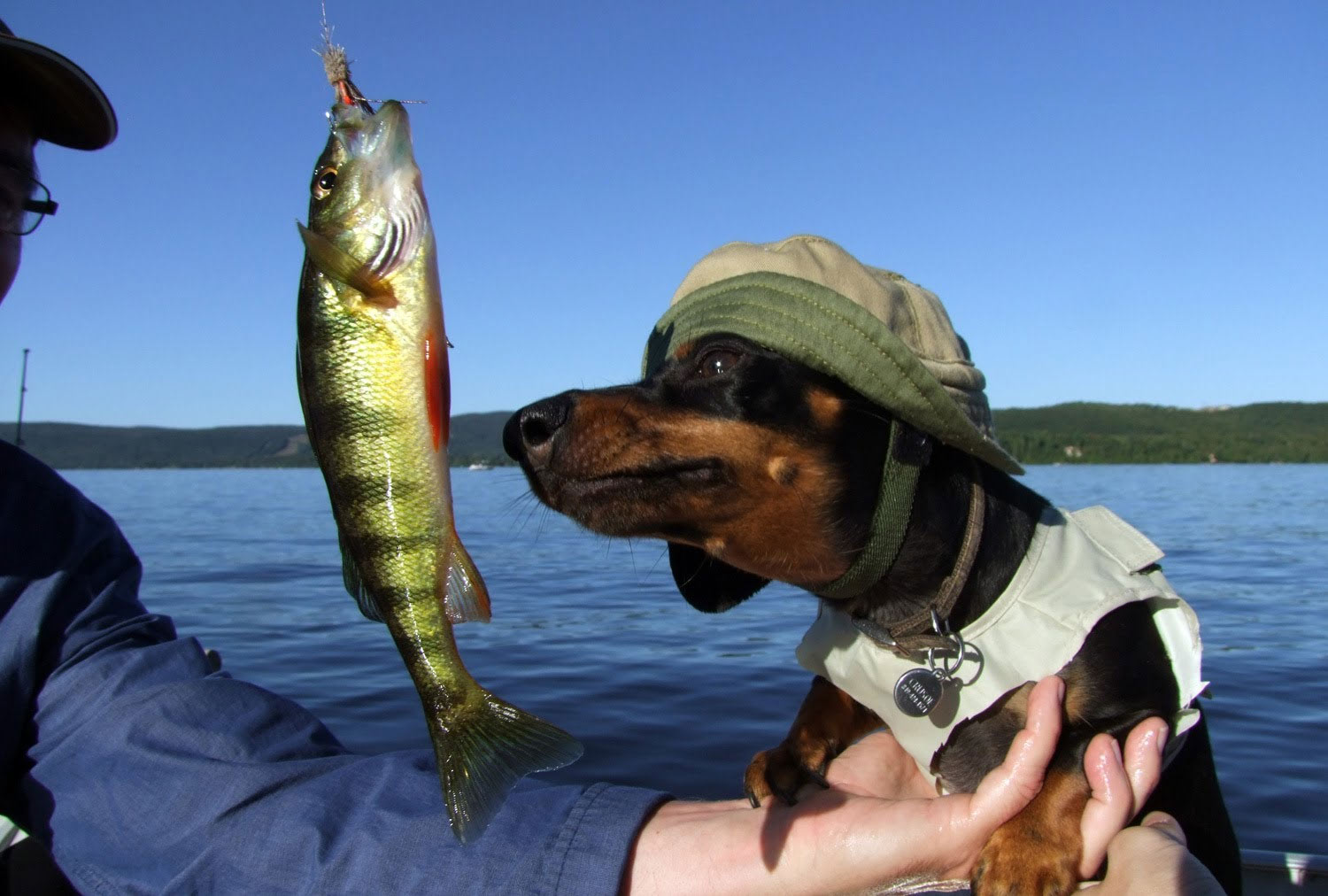
A fish-only diet is also possible. This decision is made if the dog suffers from an allergic reaction to meat protein. It's important to note that animals on a fish-only diet should have their vitamin B and iron levels regularly monitored. If necessary, additional medications are prescribed to correct blood counts.
Ready-made fish feed
Fish foods are considered hypoallergenic and can be used:
- occasionally for variety (when the dog starts to eat its usual food poorly);
- for daily feeding (as recommended by a doctor).
It is worth noting that feeding only fish food does not cause the same problems as a raw fish mono-diet, since the composition of the granules is already properly balanced.
If you're choosing fish food due to allergies, carefully read the ingredients. Many manufacturers are guilty of mixing chicken meat with fish, and such foods, despite containing fish, can cause an allergic reaction.
Read also:





Add a comment