
What kind of cereal can be given to cats?
A domestic cat's physical activity and resistance to disease depend largely on proper nutrition. Whether to feed their pet canned food and kibble or homemade meals, or what grain to feed their cat—these are decisions made by the owner, based on their preferences and budget. In any case, a cat's diet should be balanced and include all the necessary ingredients.
Content
Why are grains good for cats?
When organizing a cat’s diet at home, the sources of fats and proteins are meat and fish, and the main suppliers of carbohydrates, minerals, fiber and vitamins are cereals.
Cereals contain vitamins, micro- and macroelements, including rare minerals such as molybdenum, selenium, and strontium. This rich array of nutrients helps strengthen the immune, cardiovascular, and skeletal systems. Furthermore, cereals take a long time to digest, providing a long-lasting feeling of satiety.
Cats are carnivores, so grains should be present in their diet in relatively small quantities, no more than 20% of their daily food intake. Feline experts believe that Can you give porridge to a cat? no more than 2-3 times a week.
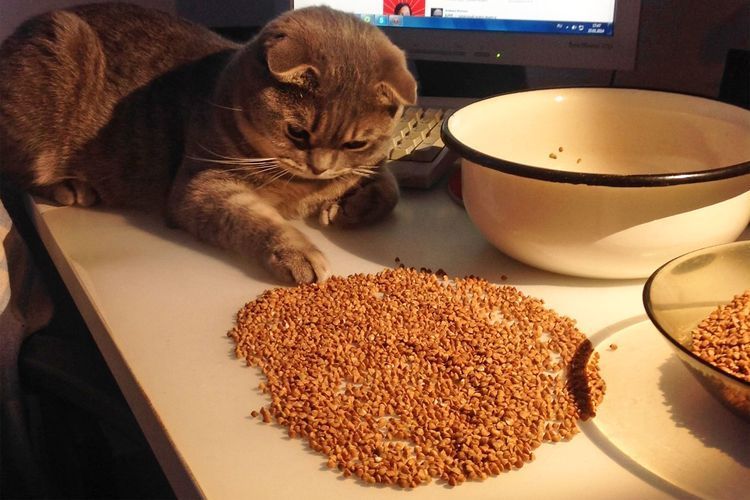
At what age and in what form can cats be given cereals?
Cereals should be introduced into a cat's diet no earlier than 1.5 to 2 months of age. To help the kitten's stomach adapt to the new food, cereals should be cooked in milk diluted with water.
Adult cats should have cereals cooked in vegetable, meat, or fish broth. Milk porridge is not recommended, as it can cause increased gas or diarrhea. Dairy products are especially common in Sphynx cats. But if your pet has been accustomed to dairy products since infancy, milk, and does not suffer from lactose intolerance, it is not necessary to exclude it from the diet.
The cereal should be cooked immediately before feeding, preferably while still warm. If a portion is not eaten, the leftovers should be discarded: dairy products spoil very quickly and become a breeding ground for pathogenic microflora.
Instant cereals are not recommended for cats. These products contain minimal amounts of nutrients, but they also contain harmful salt and sugar, flavorings, preservatives, and palm oil.
Permitted types of cereals
Not all types of grains can be fed to a domestic cat; only four of them are permitted.
Oatmeal
Oat grains contain:
- up to 15% carbohydrates;
- macro- and microelements potassium, calcium, magnesium, phosphorus, iron, zinc;
- vitamins A, E, H, PP, almost all B vitamins;
- antioxidants that increase the body's resistance.
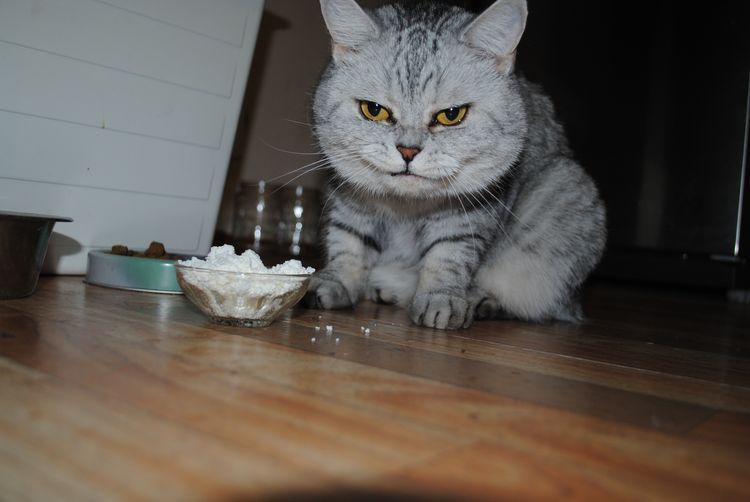
Oatmeal is easily digestible, has a soothing and anti-inflammatory effect, and has a positive effect on the gastrointestinal tract, making it a recommended dietary supplement for cats with sensitive digestion, kittens, and older animals.
Rice
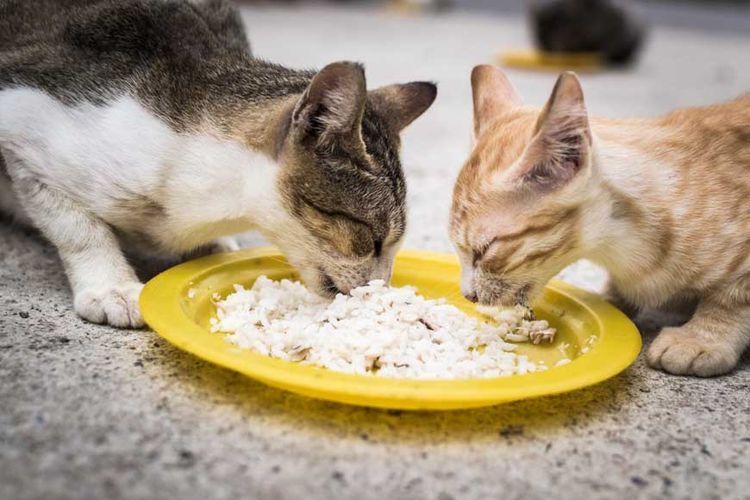
Rice is a natural absorbent, excellent for cleansing the intestines and stabilizing digestion. More than half of this grain's composition is carbohydrates, and it also contains 10 types of macro- and micronutrients, vitamin C, and five B vitamins.
When preparing cat food, it's best to use unpolished rice (it retains more nutrients). Fish, meat, and cooked vegetables can be added to the rice porridge prepared for your cat.
Buckwheat
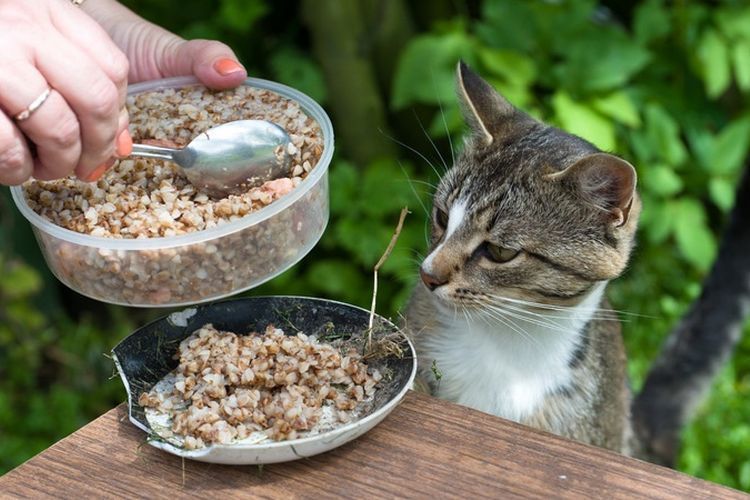
Like other grains, buckwheat is high in carbohydrates. It also contains six types of B vitamins, as well as vitamins A, C, D, E, H, K, and PP. Buckwheat contains 19 minerals. Buckwheat porridge for cats can be cooked in water or broth, seasoned with vegetable oil or animal fat, and finely chopped meat can be added.
Pearl barley
Barley grain contains the typical range of vitamins and minerals found in grains. Barley porridges are low in calories, digest slowly, and cleanse the gastrointestinal tract well, making them beneficial for overweight cats. Pearl barley or barley porridge is best cooked with pieces of meat or fish. To speed up the cooking time, it's recommended to soak the barley for several hours before cooking.
Cereals prohibited for cats
Cats should not be fed cereals made from grains such as semolina, millet, or corn. The reasons for these restrictions vary for each grain:
- Semolina It's high in calories, but low in nutrients. Frequent consumption of this millet grain can cause obesity, vitamin and mineral deficiencies, and even diabetes in cats.
- In grains millet Millet porridge contains too much coarse fiber, and it takes a long time to digest, which can lead to gastrointestinal problems. Another disadvantage of this type of cereal is its high gluten content, which often causes persistent digestive problems in cats: bloating, flatulence, and indigestion.
- Corn porridge It's very poorly digestible. While it creates a long-lasting feeling of fullness, it provides virtually no nutrients to the cat's body. This product should only be given to cats under the recommendation of a veterinarian if the animal's intestines require thorough cleansing.
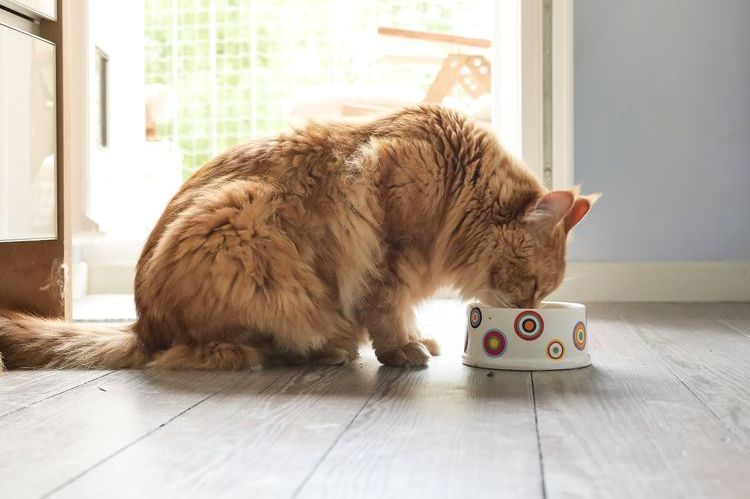
Veterinarians advise against feeding cats grain cereals at the same time as dry or wet prepared foods. This overloads the animal's digestive system and leads to an imbalance of vitamins and minerals. It is recommended to allow at least a six-hour break between meals of prepared and homemade foods.
Read also:


Add a comment