
What smell repels cats?
Cats, although pets, are predators by nature. Scents are a crucial source of information for them. They use scents to navigate, communicate with other cats, and demarcate their territory. Therefore, the best way to teach your pet to respect boundaries is to introduce scents that are unpleasant to their hypersensitive noses. What scents do cats dislike, and which ones are the best deterrents?
Content
An arsenal of unloved smells: which ones do cats hate?
Cats can roughly divide scents into two types: attractive and repellent. The attractive type is straightforward. For example, the scent of sweat on clothing contains the owner's scent, calming and relaxing the pet, while catnip and valerian, which contain substances that mimic feline sex hormones, excite.
As for repellent odors, although they have a frightening name, they are not associated with anything dangerous. Any strong and pungent aroma is an unpleasant challenge for a cat's sensitive nose. Therefore, animals simply try to avoid them.
An important point: first of all, cats react to the intensity of the smell, and only then to whether it is pleasant or repulsive.
There are two types of cat repellents and behavior training products: artificial and herbal.
Plant based
Some effective herbal remedies that repel cats include:
- Onions and garlic. The phytoncides released by herbs irritate mucous membranes, causing sensitive animals to retreat. To achieve the desired effect, an onion and a clove of garlic should be cut into pieces or minced in a meat grinder or blender. Place the prepared portions around the perimeter of the "protected" area. However, be prepared for the odor they emit to be irritating not only to pets but also to their owners.
- Cinnamon, fennel, coriander, and cayenne pepper are the main spices whose smells are aversive to cats. They can be applied in a variety of ways: mixed with water and sprinkled on, distributed in small amounts in a crushed form, or rubbed onto the surface of the treated area.
- Citrus fruits – lemons, oranges, grapefruit, tangerines. Cats are particularly intolerant of the sharp and pungent aroma of lemon. To combat your pet's bad habits, you can use freshly squeezed juice, sliced fruit, or peeled rind.

Essential oils that have proven effective at repelling cats include rosemary, citrus, and lavender. They are simply diluted in water and sprayed on the affected area. Linoleum, wood parquet, or laminate floors can be rubbed with a cotton cloth soaked in the oil.
Tip: When planning to use essential oils on carpets and upholstered furniture, it is important to first ensure that the chosen consistency does not leave marks.
Mixing ingredients, such as lemon juice with essential oils or crushed citrus peels with coffee grounds, also produces good results. This combination helps accomplish two goals simultaneously: it masks the unpleasant odor of the bandit's "disgrace" and discourages the four-legged pet from wandering off.
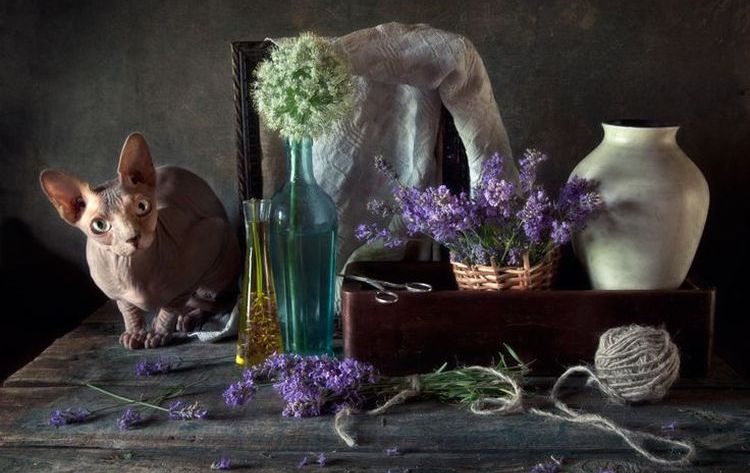
Fresh potted lavender or rosemary plants are a great alternative to essential oils. Simply place the containers in a favorite spot. However, this option is only suitable if the area receives sunlight, which is essential for photosynthesis.
Perfumes and special products
People have long noticed that pets have a strong aversion to any scents of perfumed products. Using perfume scents to repel cats is not recommended. they shit – a win-win option.
You don't need expensive perfume to repel pets. A simple deodorant will do. Ideally, it should contain notes of menthol, citrus, or lavender.
Pets also dislike the smell of vinegar, so it's a good idea to add it to the water used to wipe down surfaces.
Pet product manufacturers also offer a good selection of effective scented repellents. Repellents and sprays available on the market contain special fragrances and enzymes that keep cats away from their favorite spots for a long time.
How to use aromatherapy?
To make your cat's nose a faithful ally in the fight against her bad habits, use a repellent scent according to the following scheme:
- Remove traces of pet odor. For this purpose, it's best to use specialized cleaning products based on alcohol, concentrated citric acid, or a potassium permanganate solution.
- Apply a scented repellent to the affected area. Apply the repellent to the affected area and place a cloth soaked in the repellent next to it.
- Over the course of several days, while the aromatherapy is taking effect, determine the reason for your cat's marking. It could be due to health issues, age, or a strong disinfectant smell. tray.
Read on our website also about what to do if The cat stopped using the litter box.
When removing odor, don't limit yourself to just the tools at hand; the pet supply market offers a huge selection of ready-made products that do an excellent job.
Some owners underestimate the effectiveness of placing a cloth soaked in an odor-repellent product to deter cats from defecating. People think the smell will quickly dissipate. In reality, the subtle "odor" lingers for several days, during which time furry owners try to avoid it.
It's important to remember, however, that aromatherapy is only a supportive treatment. The main thing a caring owner should focus on is cultivating good manners and caring for their furry pet's health.
Read also:
- How to litter train a male or female cat
- How to litter train a kitten
- Possible reasons why a cat has stopped using the litter box




Add a comment