
What is a cat's heart rate: normal heartbeats per minute
Owners concerned about their pet's health often wonder what the normal heart rate is for cats, how the heart rate changes as the animal ages, and when changes in this indicator may indicate problems with the animal's cardiovascular system.
Content
How to measure a cat's pulse
Before we talk about what the normal heart rate is for cats, let's figure out how to measure this important indicator.
In a veterinary clinic, heartbeats in cats are measured using hardware, which allows for not only the most accurate heart rate measurement but also an understanding of how well the animal's heart is functioning during different phases of the cycle.
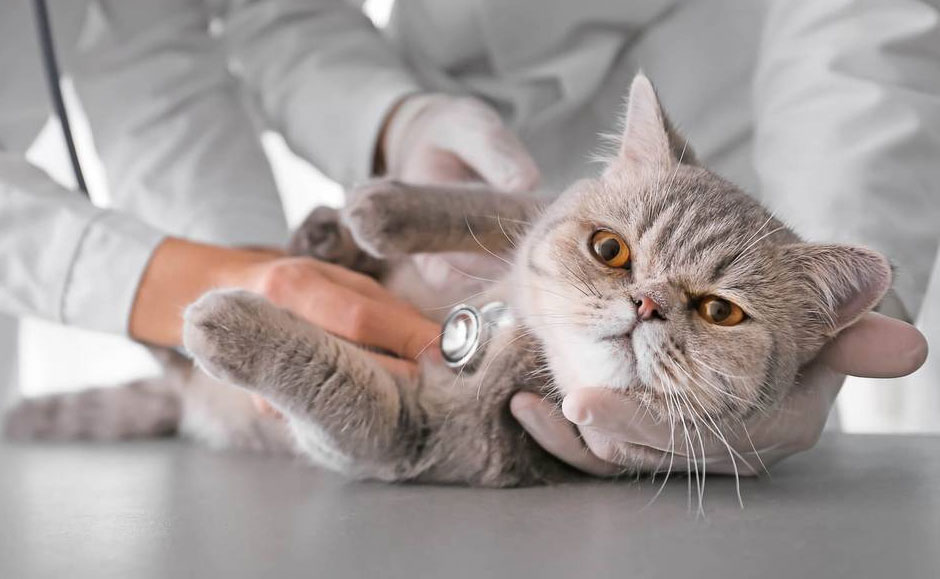
At home, you can assess a cat's heart rate by counting the number of heartbeats. The classic method is to count the number of heartbeats in a 15-second interval and multiply this result by 4 (or count for 30 seconds and multiply by 2), determining the heart rate per minute.
There are several ways to feel the heartbeat of cats and dogs:
- placing your hand on the left side of your chest under your paw, in the so-called zone of maximum cardiac impulse;
- placing three fingers on the inner side of the cat's thigh, in the area where the large femoral artery passes.
Please note! In some cases, an inexperienced person may not be able to feel an animal's heartbeat. The pulse may be difficult to detect in obese animals, animals with heavy fur, or animals with weak heartbeats (for example, after anesthesia or strong sedatives).
That's why, if you have any doubts, it's best to contact a clinic where specialists will accurately measure your cat's heart rate and, if necessary, conduct additional diagnostic tests (for example, a cardiac ultrasound).
Heart rate norms for cats
It's important to understand that the age-appropriate heart rate for cats is based on resting heart rate. If your pet doesn't like you trying to manipulate them, is resisting, or is experiencing stress, their heart rate will increase rapidly, which is also normal.
On average, the heart of an adult cat beats much faster than that of a dog or a human.
|
Object |
at rest |
with load |
|
Human |
60-80 beats/min. |
up to 180 beats/min. |
|
Cat |
110-130 beats/min. |
up to 240 beats/min. |
|
Dog |
80-120 beats/min. |
up to 220 beats/min. |

It's important to understand that the normal heart rate for cats decreases as they age. The table below demonstrates the significant difference in heart rate for kittens and older cats:
|
Object |
Normal heart rate at rest |
|
Kitten (up to 12 months) |
200-220 beats/min. |
|
Adult cat (1-8 years) |
110-130 beats/min. |
|
Senior cat (over 8 years old) |
80-100 beats/min. |
Naturally, the age limit is very arbitrary, and the maximum heart rate indicated in the table is observed in kittens aged 1-3 months. As the animal matures, the heart rate begins to decrease, reaching the norm established for adult cats by 1-1.5 years.
The same thing happens with old age. There's no specific threshold, but as an animal's physical activity decreases and the aging process progresses, the heart rate gradually decreases.
This is why it's impossible to say exactly what the normal heart rate is for your pet during adolescence. To understand your pet's condition, a veterinarian must evaluate not only the resting heart rate but also many other parameters:
- correct functioning of the heart (rhythm of the cardiogram);
- the presence or absence of extraneous noises (listened to with a stethoscope);
- heart size (determined by ultrasound);
- condition of blood vessels (diagnosed using the Doppler method).
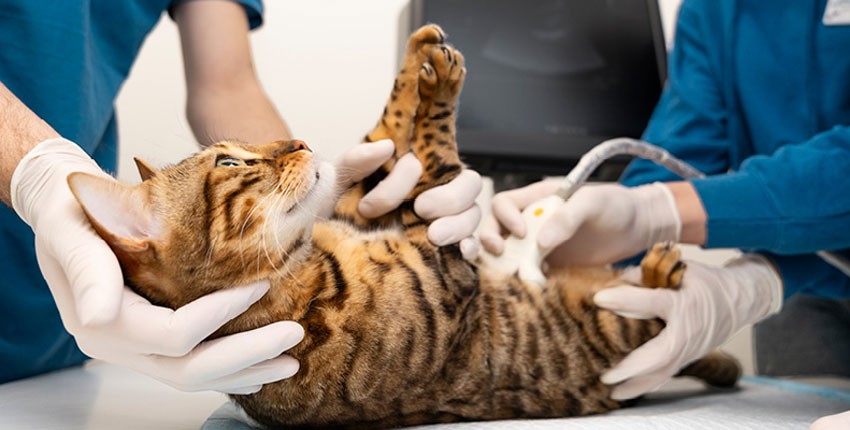
It's important to remember that most cardiovascular diseases are asymptomatic in the early stages, and can only be detected early through a comprehensive examination of your pet.
Cardiac disorders
Knowing a cat's normal heart rate and being able to count how many beats per minute their cat's heart produces allows owners to independently diagnose dangerous conditions associated with cardiac dysfunction.
Heart problems can be caused by congenital malformations (usually appearing in the first months of a kitten's life) or acquired ones (developing at any age) due to:
- infectious disease;
- obesity;
- intoxication;
- injuries;
- parasitic infection;
- severe, prolonged stress.
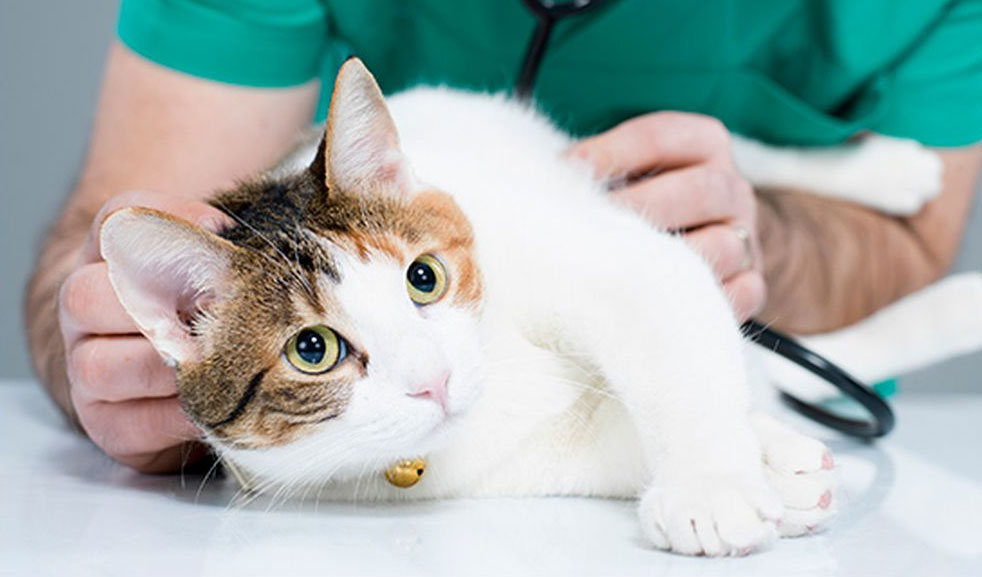
You should definitely be wary if you experience the following symptoms:
- increased heart rate at rest (for example, even during sleep);
- arrhythmia (irregular heartbeat);
- general weakness of the animal, refusal to eat;
- shortness of breath;
- difficulty breathing, hoarseness, cough;
- impaired coordination of movements;
- hemorrhages in the eyes (may occur due to high blood pressure);
- convulsions, fainting;
- pallor of the mucous membranes.
A combination of several of the symptoms listed requires immediate medical attention, as some heart diseases, at the stage when the owner can assess the symptoms described, can result in the rapid death of the animal.
Prevention of heart disease
The only preventative measure for congenital heart defects is the competent work of club felinologists, as well as the identification and exclusion from breeding of animals with any defects.
Unfortunately, many kittens are born outside of breeding clubs these days, making it impossible to guarantee the absence of any congenital defects or track their incidence. Therefore, it's best to acquire a kitten from a planned breeding club. If you do decide to adopt a kitten without papers, first have it examined for any congenital defects, such as:
- arterial stenosis;
- cardiac septal defects;
- shunt (patent ductus arteriosus), etc.
Yes, such babies deserve loving owners, but the price of a kitten with problems should be completely different, and a person adopting a sick kitten should clearly understand what awaits them (how much the operation will cost and what the animal's chances are for a full life).
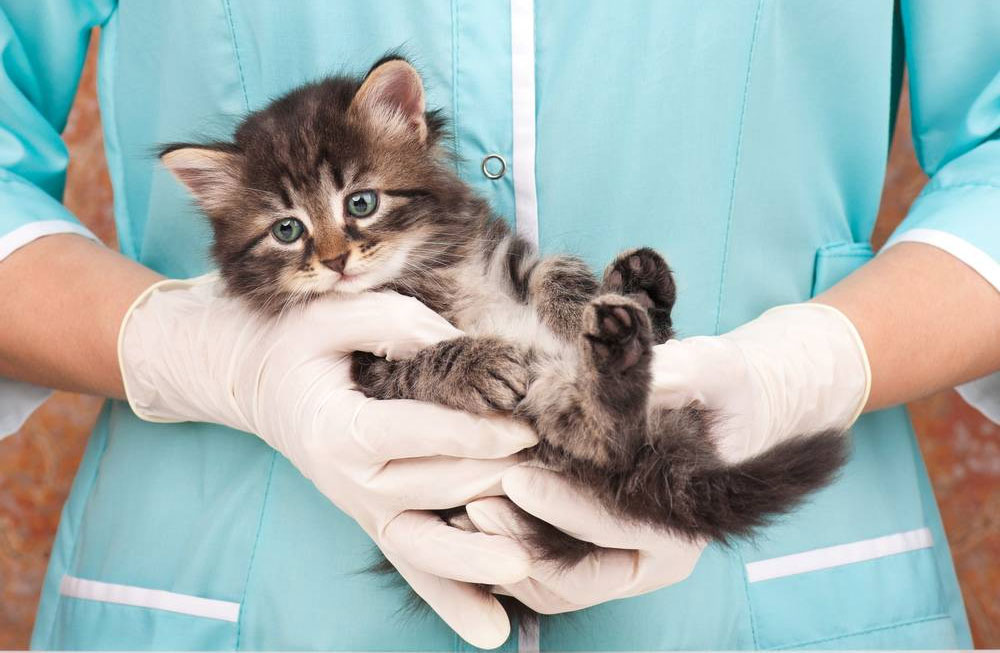
Preventing acquired diseases is indeed possible and even necessary. Preventative measures include:
- proper feeding;
- weight control (especially in neutered cats and those prone to overeating);
- timely detection and treatment of any diseases;
- minimizing stressful situations;
- timely administration of antihelminthic drugs to the cat, as well as treatment for other parasites;
- regular preventive examinations of your pet.
Please note! If your cat is scheduled for any procedure under general anesthesia, a cardiac examination is mandatory beforehand, even if the animal has never had any alarming symptoms.
Veterinarian's advice
Veterinarians will explain in more detail how to identify heart problems in cats in the following videos:
Read also:


Add a comment