
What kind of nose should a healthy dog have?
Pets are unable to communicate their illness. But a caring owner can always detect it through various signs. One of the main indicators of a dog's well-being is the condition of the nasal mucosa.
The mucous membrane can be dry or moist, hot, warm, or cool, clean, or contain ulcers or wounds. Any abnormalities indicate that the organ's functions are not being fully realized, and the cause may lie in either pathology or external conditions.

Content
The nose is in normal condition
Unlike humans, dogs have mucous membranes located not only inside the nostrils but also on the surface of the olfactory organ. These contain numerous small glands that constantly secrete a mucous secretion. This lubricant serves an important function: it facilitates the perception and amplification of all the odors surrounding the animal. As is well known, a dog's sense of smell is its most important sense, helping it navigate the world around it, so the loss of this ability affects its overall behavior.
To maintain proper humidity, the nose must be kept moderately cool. When its temperature rises, the mucous membrane dries out faster than new mucus can be produced.
Exceptions to the rules
Although a moist and cool nose is considered normal, there are cases when temporary dryness does not indicate a possible serious illness.
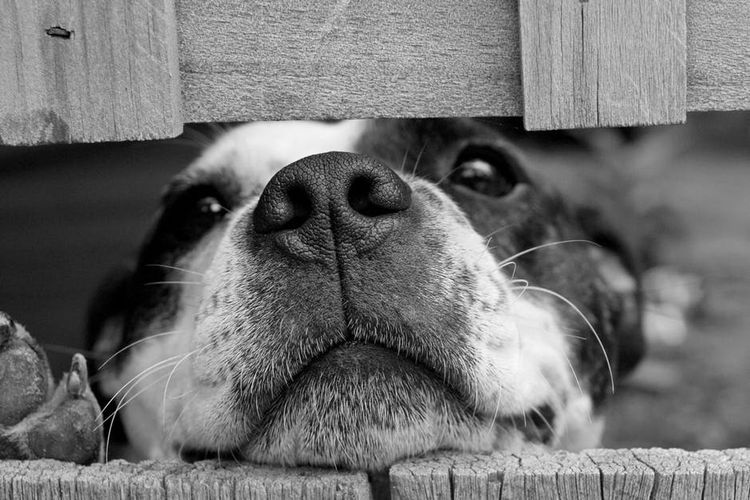
If dryness has appeared for the first time, it is important to pay attention to the following factors:
- After a long sleep, the earlobe often feels warmer and drier than usual. This goes away within a few minutes of waking up.
- AllergyThe most common cause of allergic reactions in domestic dogs is food bowls made of plastic or other materials. The best option is a stainless steel bowl, which almost never causes allergies.
- On the hottest days, the air becomes excessively dry, which affects the mucous membranes of both dogs and humans. This discomfort will quickly subside after treating the earlobe with water or a weak calendula solution.
- Insufficient hydration can sometimes occur as a result of injury. It doesn't necessarily manifest itself externally, but if a dog hits its nose, the glands may temporarily become dysfunctional, but will then recover on their own.
- After severe physical exhaustion, the condition of the mucous membrane may worsen, but as soon as the animal rests, all indicators will return to normal.
- Emotional stress and anxiety affect dogs just as much as their owners. Dry noses are often caused by fright, separation from a family member, or other canine mishaps. This is considered typical when a puppy is moving to a new home. Everything will return to normal once the adaptation period is over and the pet gets used to its new home.
In all of the above cases, the nose of a healthy dog will return to normal within a short time after the irritating factor is removed.
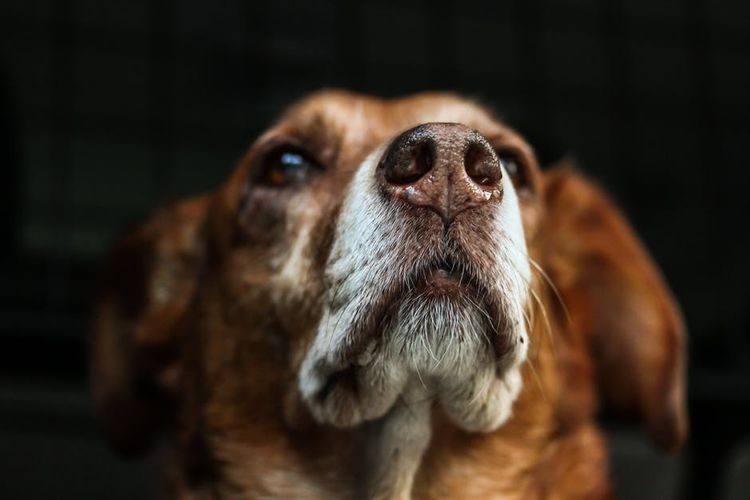
Cold nose
A cold earlobe can be a sign of a significant drop in body temperature. The rest of the body is covered with fur, so the nose provides an indication of the coolness of the skin.
There are several reasons for this phenomenon:
- hypothermia;
- colds or viruses;
- serious disruptions in the functioning of internal organs.
In this case, the main signs that indicate that the dog urgently needs to be shown to a specialist are:
- dull or watery eyes;
- bloodlessness of gums;
- cold surface of the ears;
- wheezing.

Hot and dry
Excessively high nasal mucosal temperature is almost always accompanied by dryness. This symptom always indicates an underlying illness causing the fever. Causes include infection, significant trauma, and inflammation. First and foremost, it's important to ensure your dog isn't experiencing heatstroke.
An immediate visit to the veterinarian is necessary in cases where a hot and dry nose is combined with the following symptoms:
- weakness, lethargy and sleeping longer than usual;
- constant desire to drink;
- loss of appetite;
- increased irritability and aggression;
- the dog tries to hide in a secluded place where no one will disturb him;
- obvious intestinal disorders (diarrhea, vomit);
- nasal swelling;
- blisters and peeling of the mucous membrane;
- frequent sneezing and paroxysmal coughing, runny nose;
- hoarse voice.
It would be good if the dog could measure temperatureThe values for this parameter vary for dogs of different ages and sizes, and also change in pregnant or lactating females. Read about what temperature a dog should have. is considered normal.
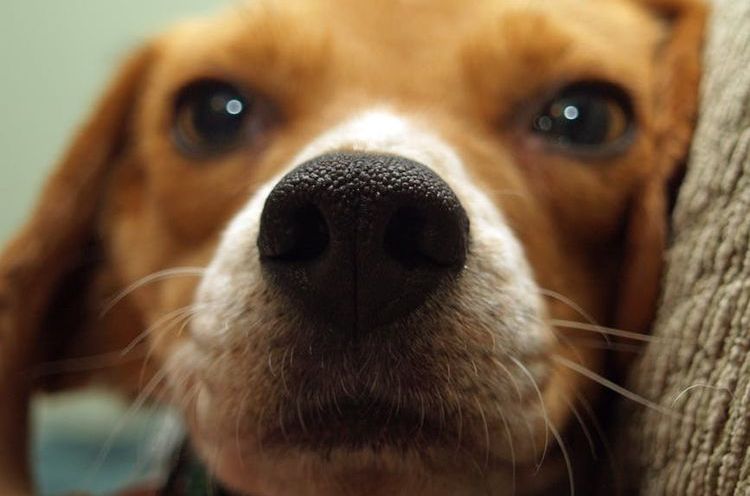
First aid
If your pet's nose is hot and dry, it's important to determine the underlying cause. A qualified veterinarian can do this. In addition to a visual examination, tests may also be necessary.
But until your dog is taken to the clinic, its condition can be alleviated using basic techniques. To do this, follow these tips:
- provide your pet with constant access to water;
- in case of allergies, remove all flowering plants from the apartment;
- in winter, lubricate the nasal mucosa with cotton wool soaked in water or a weak saline solution;
- Treat the earlobe with an ointment based on calendula extract or fresh aloe juice.
The owner should remember that giving the animal any medications before a specialist examination is prohibited: this may disrupt the overall picture of the disease or affect the tests that will be ordered to find the cause.
The nasal condition is a key parameter for easily monitoring changes in a dog, so it should be monitored periodically, comparing it to the norm for a healthy dog. By monitoring the nasal condition, one can quickly detect the onset of pathological processes and provide prompt first aid.
Read also:


Add a comment