
What kind of nose should a healthy cat have?
A cat's nose is one of its most important senses. It's how they explore the world. It's also a valuable indicator of their pet's health—an attentive owner can tell how their cat is feeling by its condition. Therefore, it's important to know what a healthy cat's nose looks like, and what's normal or a cause for concern.
Content
Why is my nose wet?
To understand the reason for this phenomenon, it's enough to remember that cats belong to the carnivorous family. By nature, they are designed to track prey, and a moderately moist surface of the olfactory organ increases its sensitivity, allowing them to better detect odors in the air and accurately locate prey. This moistening occurs due to:
- fluid secreted from the mucous membranes;
- saliva that gets on it during licking.
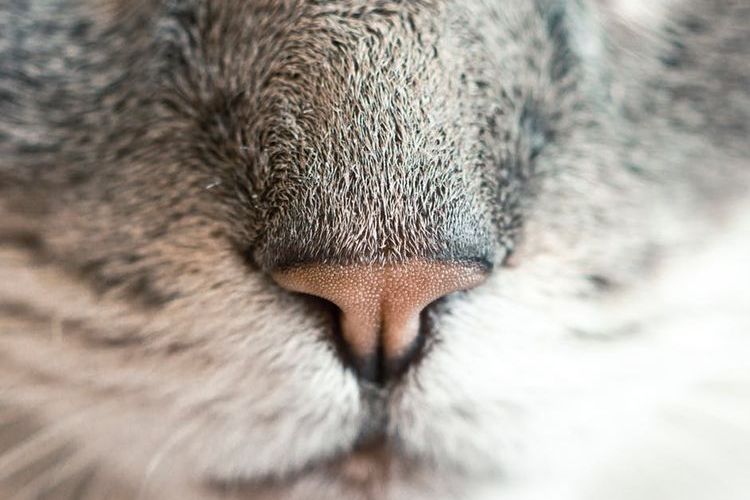
Therefore, a slightly moist nose is normal and a sign of good health. Humidity can fluctuate several times throughout the day, and this is nothing to worry about.
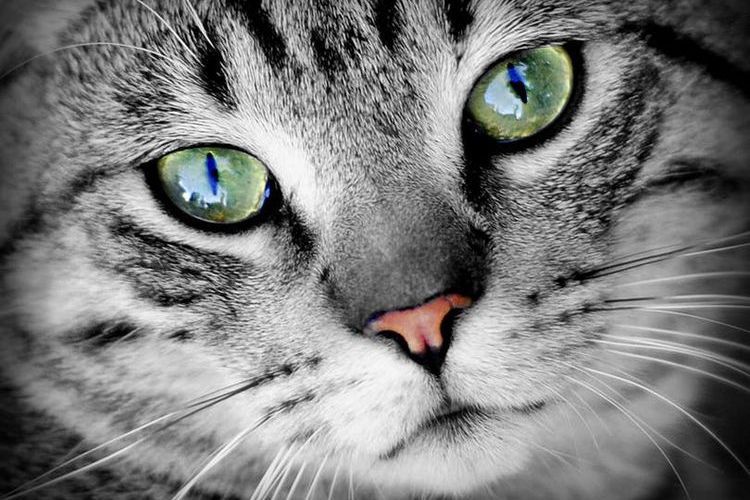
Breeds with flattened muzzles tend to have wetter noses because they lick them more often. These pets are also more likely to experience respiratory problems, as flattened nasal cartilages make breathing difficult.
When there is no reason to worry
Concerned owners, upon discovering a hot, dry nose in their cat, often dismiss it as a sign of illness, which is not entirely accurate. It's important to understand that dryness can be normal in the following cases:
- during sleep and within 20-30 minutes after waking up;
- when exposed to the sun for a long time, in a hot room with poor ventilation or near heating devices;
- after physical activity and active games;
- in case of severe fright or stressful situation.
Note: In older cats, a dry nasal surface is considered normal.
In a healthy state, dryness can appear even due to minor deviations in the body's functioning (malnutrition or overeating, a mild cold), which go away on their own within a few hours or days.
But if the dry nose persists for a long time, you should measure the cat's body temperature by carefully inserting a thermometer lubricated with Vaseline into the anus. In a healthy cat body temperature fluctuates Between 38-39°C. If the thermometer shows a lower or higher reading, this is a reason to take a closer look at your pet and pay attention to the appearance of other symptoms. An elevated temperature can be a symptom of poisoning, inflammation, a viral infection, or the presence of a foreign body in the nasal passage.
What to look out for
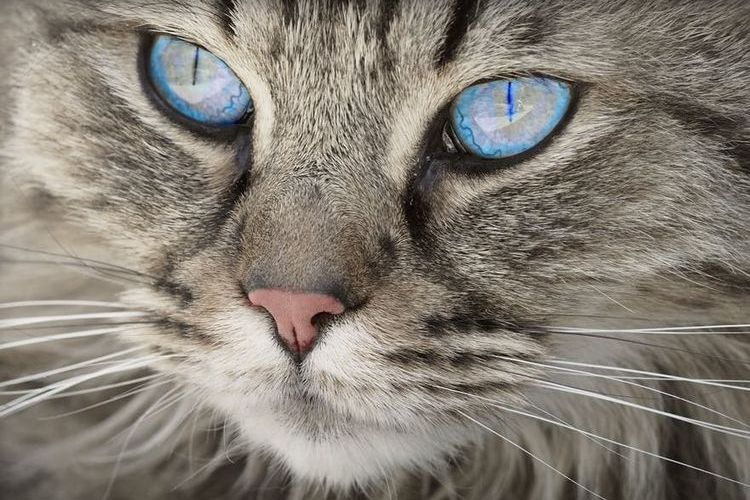
A dry nose for a long time is usually a sign of illness, while a hot nose is a sign of a fever. Temperature and moisture in the olfactory organ aren't the only indicators of health problems. A change in color can also indicate illness in a cat:
- lightening - typical in case of disturbances in the functioning of the circulatory system, hypothermia, poisoning;
- blueness – indicates a lack of oxygen or cardiovascular diseases;
- yellowing – appears with kidney or liver diseases;
- redness – develops with damage, increased temperature or pressure, various types of infections (runny nose, sinusitis) and allergic reactions.
This issue isn't so straightforward, as color change is influenced by ambient temperature, as well as the pet's color and breed: some cats' noses darken in cold weather, while others, on the contrary, lighten slightly. Other symptoms should also be considered when determining a cat's health. For example, if a cat refuses food and water, becomes lethargic and inactive, or experiences vomiting or bowel problems, these are clear indications for a consultation with a veterinarian, who can determine the cause and provide the necessary assistance.
Is it necessary to monitor the condition of the nose?
A cat takes care of its own nose: it licks it if it becomes dry on a hot day, and cleans it with its tongue and paws if it becomes dirty after a walk or sniffing objects. However, it's important for owners to periodically inspect and feel their pet's nose to spot any suspicious symptoms early. This can be done by lightly touching it with the back of the hand. A healthy olfactory organ should be slightly moist, cool, and shiny, smooth, and free of scales. However, even this doesn't guarantee the animal's health. Loss of smell for a cat, especially at an early age, can be life-threatening, as it becomes disoriented and may refuse to eat. Therefore, it's important to be especially vigilant and monitor the pet's overall well-being.
You can also ask our website's staff veterinarian a question, who will answer them as quickly as possible in the comments box below.
Read also:


Add a comment