
What tastes do cats not sense?
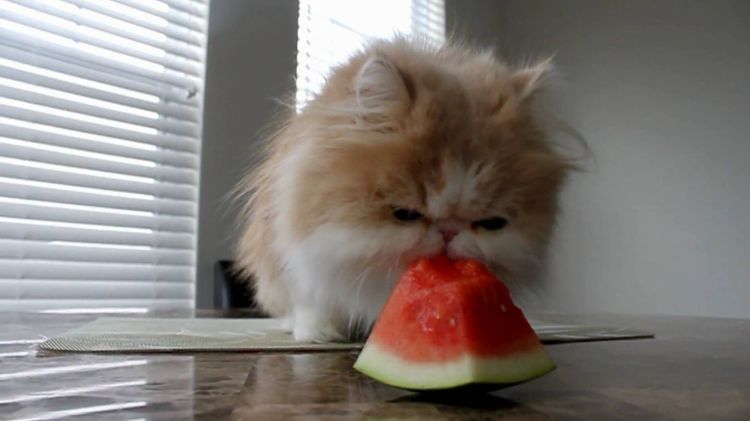
Every cat owner knows about the refined and exquisite tastes of cats. The exotic taste preferences of these charismatic creatures can rival those of pregnant women, refusing premium prepared food or natural meat to devour potato peelings or watermelon with gusto. What motivates a cat when it chooses food? How well developed is its sense of taste, and can it distinguish all nuances of taste?
What tastes are distinguished?
The sensory centers are located in the brain, which in cats is heavier relative to body weight than in other carnivorous mammals. Information about the taste of food is transmitted to the brain centers via papillae located on the underside, sides, and tip of the tongue. Cats have far fewer of these papillae than humans: according to various estimates, about 500 compared to our 9,000. However, each of these mushroom-shaped "taste sensors" has a huge number of receptors capable of detecting the most subtle flavor nuances.
Mammals distinguish four tastes: sweet, salty, sour, and bitter, with separate receptors for each. In the 1970s, scientists discovered that there is a taste that many predators, including cats, practically cannot detect. don't feel ― sweetIt turns out they have very few of the receptors needed to identify it. This is apparently explained by their dietary specifics. Herbivores require carbohydrates, which are abundant in sweet foods. Carnivores, however, don't necessarily need to be able to select sweet foods; they require protein, meat. Cats, however, are truly masters at recognizing protein.
Apart from sweet, which cats barely detect, all other tastes are accessible to them. Moreover, these animals have receptors capable of identifying several special, additional tastes. As for the appeal of each taste, it varies greatly.
Good to know: Cats tend to remember the taste of a particular food for a long time. They establish a clear connection between the food they ate and the consequences it caused. In the future, when choosing food, these animals are guided by past experiences. Therefore, a cat will not eat a dish that caused an eating disorder in the future.
Bitter
Cats have a very negative reaction to bitterness. Moreover, felines have a very high sensitivity threshold to bitter taste, higher than dogs, raccoons, or bears. Experts recommend using this sensitivity to discourage pets from chewing wires or other objects. To do this, simply spray them lightly with a bitter solution.
Sour
Cats, on the other hand, are very fond of sour foods, so they eagerly consume sour cream and fermented milk products, as well as prepared foods made with acids as preservatives. Acid-recognizing receptors are located all over the tongue. However, constant exposure to foods with a high pH can lead to the development of urolithiasis (kidney stones).
Salty
Cats can detect this taste, but their sensitivity to it is not very high. The fact is that the amount of sodium chloride in animal food is optimal for a carnivore's body, so additional intake usually doesn't pose a problem. So, your pet will eat salty foods, but without much enthusiasm, and will likely ignore overly salted foods. Adding salt to your cat's food can encourage them to drink more water—salty foods always make them thirsty.
Additional flavors
In addition to the “basic” salty, sour and bitter, cats distinguish several other tastes:
- "Umami." It's a taste close to salty, also known as broth-like or meat-like. Like any predator, cats respond favorably to it.
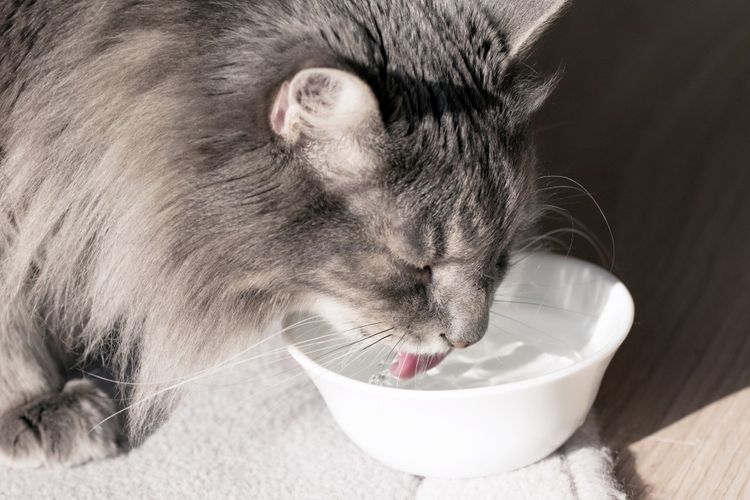
- The taste of water. It's surprising, but cats have special taste receptors on their tongues for detecting the taste of water. This explains why cats love drinking tap water—it's always fresh. Therefore, try to change your pet's water bowl at least a couple of times a day.
- Amino acid. Nature has gifted cats with the ability to detect the presence of carboxyl-amine organic compounds—amino acids—in food. Meat contains large amounts of these substances, so your pet can easily determine the freshness, fat content, and other qualities of meat products.
This is interesting. Cats can not only assess the freshness of their prey by taste, but also determine whether it's alive and how long it's been since it died. This is why your pet will always prefer food that's 35-40°C (95-104°F)—the temperature of freshly hunted game. Cats don't like refrigerated food because they're afraid of catching a cold; they simply believe the "prey" has been dead for too long, and their intuition tells them it might be toxic.
The development of taste buds in animals begins in the womb. By six months of age, kittens can already fully distinguish all tastes. According to research, taste receptor cells in carnivores are renewed every four days. Experts claim that kittens, in most cases, inherit their mother's food preferences.
Read also:
- What is the memory of cats: how long does it last?
- How many hours a day do cats sleep?
- Signs about cats


Add a comment