
What is the significance of a dog's tail?
A dog's tail is an important part of its body and a unique communication tool, used to show its attitude toward a person or a situation. The absence of this "emotional indicator," for example after docking or for other reasons, significantly complicates understanding a pet's condition and mood. However, few people consider the true significance of a tail for a dog and whether it truly serves merely as a means of emotional expression, rather than performing other important functions.
Content
The physiological role of the tail
The tail is essentially an appendage, an extension of the spine and composed of similar vertebrae surrounded by muscles. Its natural functions are quite varied. For this reason, these body parts vary in shape and size in different breeds:
- those who run a lot and very quickly have thin and long ones to create a counterbalance when turning sharply;
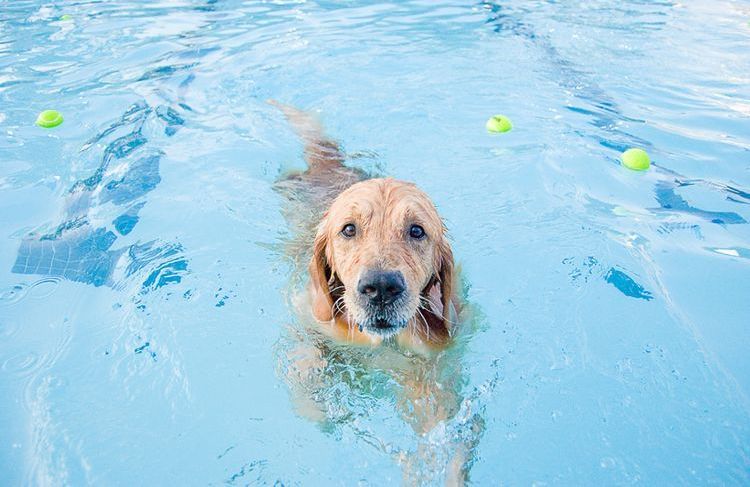
- in natural swimmers - large and powerful, helping to swim and easily change direction;
- Sled dogs have fluffy ones so that they can cover their noses if they sleep for a long time in the cold.
The primary, natural physiological role of a dog's tail is to maintain balance when jumping and making sharp turns, walking on a log, swimming, or performing other complex maneuvers.
In this sense, the canine appendage functions like human arms. People spread them out to maintain balance when negotiating narrow or precarious obstacles, swing them while walking or running to reduce energy expenditure, and also use them while swimming, supporting the body afloat or changing direction. A dog's tail also helps them stay afloat and control their movement, relieving stress on their paws and conserving energy for swimming long distances.
The structure of a dog's tail
Anatomically, the tail of any animal is part of the spine and represents its logical extension. The tail is formed by vertebrae, whose size gradually decreases toward the tip. Depending on the dog breed, their number can vary on average from 15 to 25. The vertebrae are connected by cartilage and tendons, providing the tail with mobility and flexibility.
Over the millennia of coexistence between humans and dogs, the animals' appearance, as well as the shape of their tails, has undergone significant changes. Today, several of the most common variations can be identified:
- Straight tail. The original tail shape, which resembles a log or twig. These tails are uncommon today and are typical, for example, of Labrador Retrievers, St. Bernards, and Newfoundlands.
- Saber-shaped. The tail is slightly curved and carried downwards, close to its natural form. This shape is typical of dachshunds, German shepherds, Great Danes, and greyhounds.
- The tail is "hook-shaped." It also points downward, but its tip is noticeably more curved, resembling a hook. This shape is found in Caucasian Shepherd Dogs and Bedlington Terriers.
- Sickle-shaped tail. It rises above the dog's back, but the tip does not rest on it. This tail is typical, for example, of the Chow Chow.
- The ring tail is one of the most common variations. It can be curled into one or more curls, or formed into a spiral. This shape is found in malamutes, spitz, pumi, pugs, lap dogs, and huskies.
Use for marking territory
Another important reason why a dog needs a tail is due to the specific location paraanal glands, which produce a special scent secretion used by animals to mark their territory. These glands resemble small sacs and are located at the exit of the anus. They produce and accumulate a special substance responsible for each dog's unique scent. This scent is also a means of communication, but exclusively between animals.
Dogs most often leave their "marks" through feces, as the excrement coming out of the anus stimulates the secretion and emptying of glands. However, in some cases, wagging of the tail is also used for the same purpose.
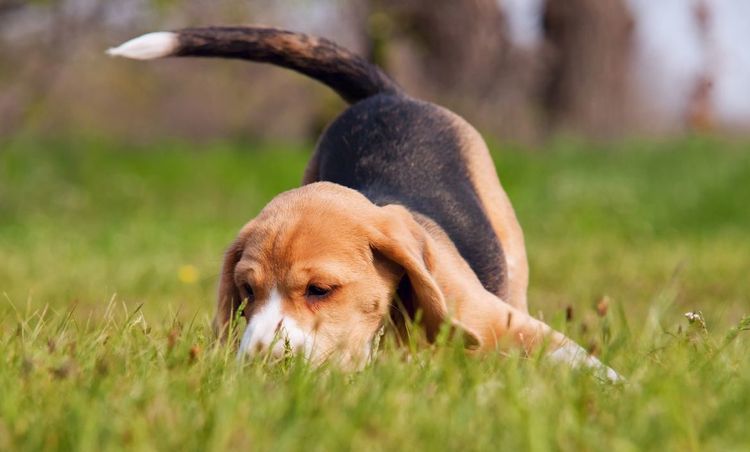
These movements release a scent and spread their individual odor. Dominant dogs raise their tails as high as possible to disperse their scent. Conversely, timid or frightened dogs tuck their tails to avoid attracting the attention of other, more aggressive individuals.
The tail as a means of communication
From a human perspective, the most important reason a dog needs a tail is for communication. For any dog, it's practically the only way to communicate with others and is an indicator of their mood. The position of this body part provides information about how the animal is currently feeling and how it will behave. There are even special guides designed to help owners better understand their pet.
The basic poses, movements and combinations of tail positions are interpreted as follows:
- active circular flapping like a propeller is an expression of special friendliness and excessive joy, most often due to the owner’s return after a long absence;
- gentle waving – characteristic of a good, but calmer mood;
- waving the tip high is a sign of aggression and readiness to attack, and not at all a favorable disposition, as is often believed;
- relaxed position - confirmation of calm and satisfaction or a manifestation of submission;
- rising upwards in tension is a sign of alertness, most often in response to unfamiliar sounds or the approach of a stranger;
- pressing to the stomach is an indicator of fear and submission;
- horizontal position – demonstration of alertness and increased attention;
- upward striving is an indication of threat and dominance.
It's interesting to know that dogs don't wag their tails when no one is around, as they have no need to express their feelings. Newborn puppies don't have the ability to wag their tails at all, and it doesn't develop until they're 1.5 months old.
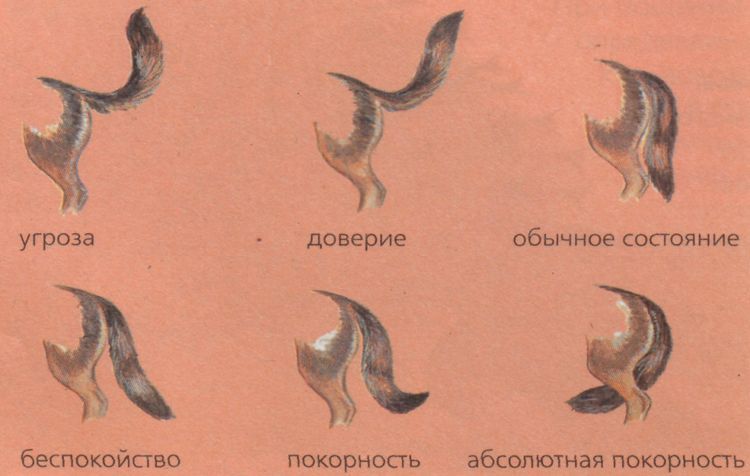
In general, the height of the tail is a unique indicator of emotions and intentions. The higher it is, the better or more aggressive the dog feels. The lowering of the tail can indicate a worsening mood, the onset of fear, anxiety, or submissiveness. It's important to consider the pet's habits and typical tail postures, and determine emotions based on changes in its natural position.
Read also:


Add a comment