
What is the significance of a cat's tail?
Why do cats need a tail? Nothing in nature happens for nothing, and for cats, too, a tail is incredibly important. It not only helps them communicate their mood but also helps them navigate. Some breeds lack this organ entirely, so how do they cope?
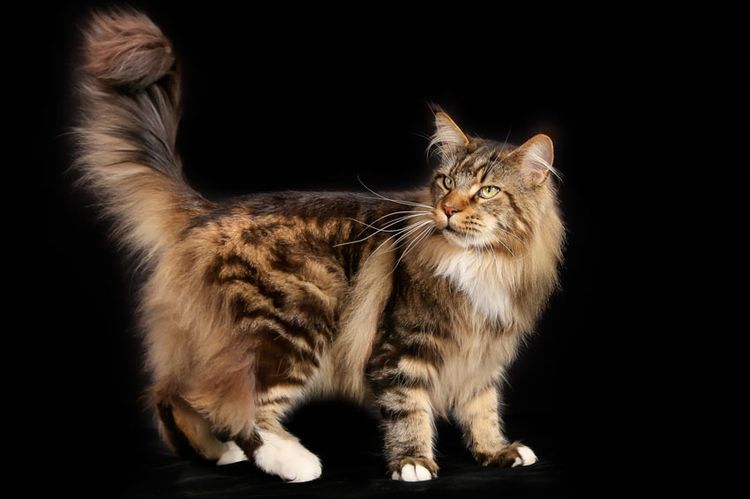
Content
Structure
The tail is an extension of the cat's spine. It consists of three parts: the root, the peduncle, and the tip. The root consists of 4-6 fully developed vertebrae, the peduncle consists of underdeveloped cylindrical elements of the spine, and the tip consists of thin, pointed vertebrae. Cartilage and joints between the vertebrae provide flexibility and improved mobility.
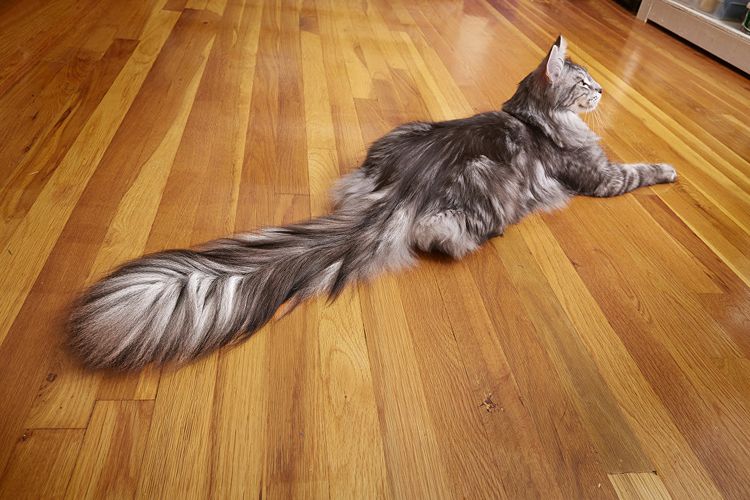
Typically, the average tail reaches 27 centimeters or a little less, but in Maine Coons it grows to an impressive 40 centimeters, while in some breeds, for example, bobtails It's very small, just a few centimeters long. The male's tail is usually 2-3 centimeters longer than that of a female of the same breed. Read also about cat breeds with short tails.
Interesting! Rumpy cats have such a lack of tail that a dimple has formed in its place. These cats are extremely rare because they are practically sterile. The longest tail, a whopping 44.66 centimeters, belongs to a cat named Cygnus from Michigan. Thanks to him, the animal even made it into the Guinness Book of World Records.
How a cat uses its tail
Cats use their tails extensively in their daily lives. Not only does it serve as a means of communication, but it also acts as a balance beam, allowing them to climb to heights and survive in extreme situations. It also helps them cool down and warm up in different weather conditions and even navigate better in the dark. Another function is to signal their health.
Mood
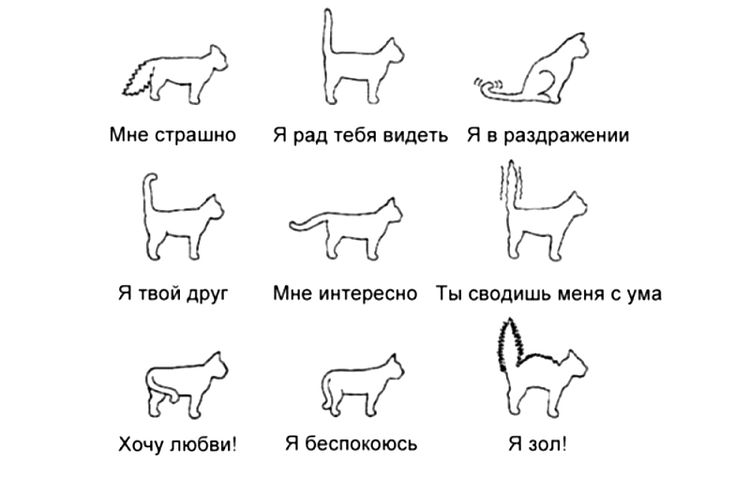
The importance of a cat's tail is difficult to overestimate. A cat's mood and well-being, whether it wants to be social or alone, can be easily determined by observing how its tail moves.
- Comfort. When at rest, it remains motionless; sometimes the cat lazily waves its tip.
- Joy. The tail of a friendly animal rises vertically or is slightly curved.
- Curiosity. The cat seems to be listening to something, and its tail twitches slightly.
- Playful mood. If a person tries to pet a cat and the tail tenses and trembles slightly, it means the animal is ready to play and even scratch. Sometimes a playful mood is expressed by the tail swinging wildly.
- Irritation. It's hard to mistake this; he's twitching nervously from side to side.
- Rage. The fur stands on end all over the body. The tail is no exception, hanging to the side and fluffing up. The back arches, and a furious meow erupts. Be careful, this furry friend is in a very combative mood.
Equilibrium
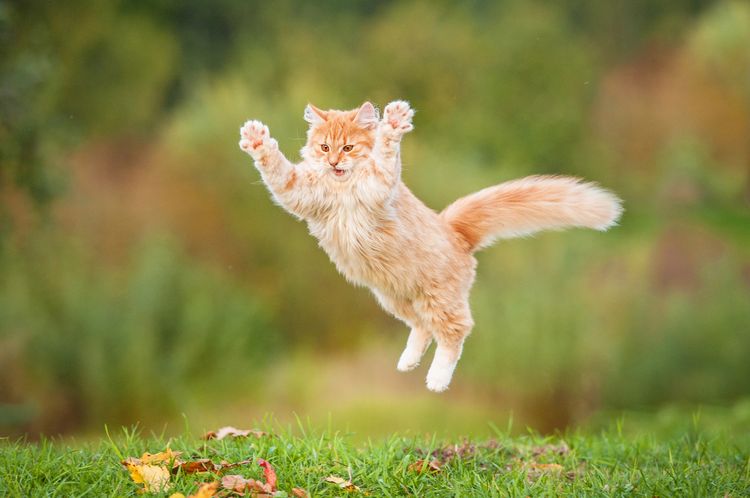
It's not uncommon for cats to fall from great heights and escape unharmed. One reason is the tail's ability to balance. When jumping or falling, the cat's body remains balanced, helping it land on its feet. This balance allows the cat to climb tall trees, then clamber along thin branches, jump over them, or descend.
During hunting, the tail acts as a rudder and helps to make numerous turns, rotating intensively during movement.
Touch
Sometimes a cat's tail plays the same role as its whiskers. The nerve endings that line it are connected to the central nervous system and help the animal sense things better. It "senses" the environment, which improves movement in the dark.
Thermal protection
During hot weather, a cat uses it as a fan. This way, it lowers its body temperature and avoids overheating. However, if the heat is insufficient, the pet curls up into a ball, with its tail covering its nose and eyes to reduce heat loss.
Toy
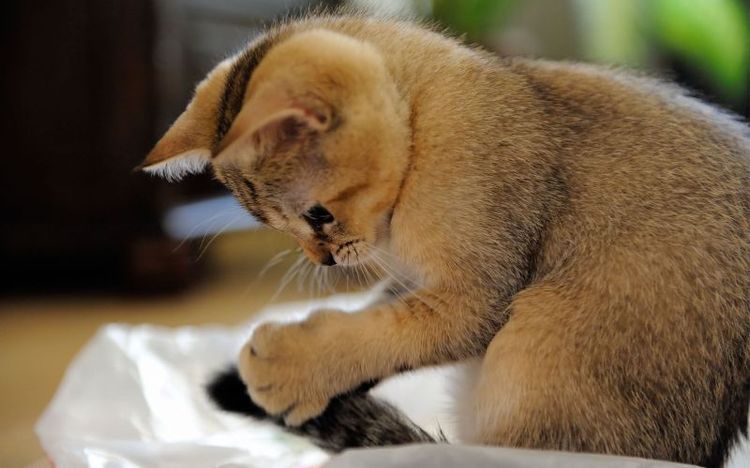
Furry pets often play with their tails, catching them with their paws or biting them with their teeth. But this doesn't mean such behavior is permissible for others. Animals are very protective of their tails and don't allow them to be handled roughly or pulled, otherwise you could become their pet's enemy for a long time.
Why you should protect your tail
This is an important organ containing nerve endings. It should not be pulled too hard, as careless handling can lead to dysfunction of this part of the body. This dysfunction affects the kidneys, reproductive system, hind legs, and intestines.
If your cat has had a bad fall, its tail's unnatural position indicates a dislocated tail. In this case, you'll need to see a vet. Self-treating a cat in this situation is not recommended. In addition to an X-ray, the animal will be given a splint or tight bandage.
The overall health of your furry friend is reflected by the density of the fur on its tail. Baldness is not uncommon, indicating possible dermatitis. eczema, digestive problems, and other illnesses. Stress is often the cause. In any case, it's important to find the underlying cause before treating your pet, which means visiting a veterinarian. The vet will examine your pet and order blood tests.
What happens if a cat loses its tail?
Sometimes cats have their tails amputated after injuries. Tail loss can affect behavior and habits:
-
stability decreases during sharp jumps;
-
the way we communicate with other animals changes;
-
The animal experiences stress for some time.
However, most cats adapt over time, and their bodies partially compensate for lost functions through muscle and coordination.
Is it possible to do without a tail?
Initially, there were two breeds that did not have a tail at all from birth. These are Manx And BobtailsTheir crossbreeding with each other and with other breeds led to today's variations in breeds and tail lengths.
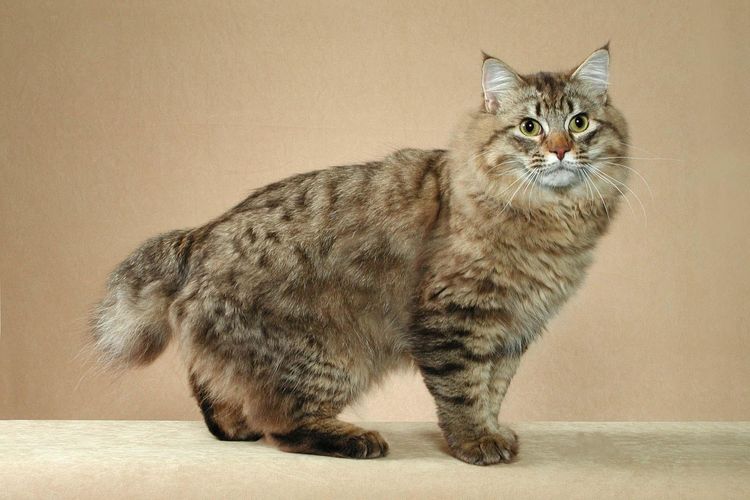
The unusual appearance of these animals has given rise to myths and legends among various cultures. For example, the Japanese and Chinese have made them symbols of good luck and wealth. Talismans depicting tailless cats are found in many Asian homes.
Cats with short tails are common in Thailand. There are several theories about this. According to one, Thais believed that evil spirits resided in cats' tails, so to keep evil spirits out of their homes, they chopped off their pets' tails. To this day, there are still many cats in Thailand with short tails or without them at all. Another theory attributes this to the breed's characteristics and frequent inbreeding between related animals.
Tailless cats have no problems with balance or movement, but reproduction is difficult. Crossing two such cats and producing offspring is impossible. One of the parents must have a tail, otherwise the kittens will die before they are born.
Sometimes an animal loses its tail due to injury, and some breeds are born without one or have a very small one. Is it possible to survive without this organ?
If the absence of a tail is a breed characteristic, it's not as significant as it is for cats who lose their tail due to injury or illness. The longer hind legs and developed muscles take on some of the functions.
Of course, a cat can live just as happily without a tail as with one. It might be less comfortable, but the animal can communicate all its feelings through its eyes, voice, and paws.
Interesting facts about a cat's tail
-
A cat's tail has more than 20 vertebrae, making it very flexible.
-
Domestic cats can transmit up to 15 different "signals" by flicking their tails.
-
In the wild, the tail helps cats avoid predators while maintaining maneuverability.
-
A cat's tail acts as a shock absorber during falls. It helps them stabilize their body in the air and land on their feet.
-
Cats have a sensitive tail tip. It contains many nerve endings, so a strong squeeze or a sharp tug can cause discomfort.
-
Cats can control their tails with the same precision we use with our arms. It helps them maneuver and jump with centimeter-level accuracy.
-
The tail length of cats typically ranges from one-third to one-half of their body length. The exception is breeds with short or absent tails.
-
Cats' tails help them connect emotionally with people. When a pet raises its tail like a pole and slightly curves the tip, it's a sign of trust.
-
Cats may deliberately fluff up their tails. This is an instinctive way to visually increase their size when confronted with a threat.
-
A cat's tail exercises the muscles of its back and hind limbs. This is especially noticeable in active breeds and outdoor animals.
-
The tail is used for grooming. Cats often curl it around their face and paws while sleeping, providing additional comfort.
-
Cats may experience phantom sensations after losing their tail. This is related to the nervous system, similar to what happens to humans after limb amputations.
-
In some cultures, a cat's tail was considered a symbol of good luck. For example, in Japan, a maneki-neko figurine with its tail raised signifies a greeting and the attraction of wealth.
Why you shouldn't pull a cat's tail: video
Read also:


Add a comment