
What is the largest animal in the world?
The planet's animal kingdom is full of a wide variety of species that amaze the human imagination with their size. There are creatures ranging from the tiniest to astonishingly enormous, seemingly at ease in their natural habitats. It's the latter that particularly captures human attention, leaving us to wonder what accounts for their impressive size and weight. So, what is the largest animal on Earth?
Content
The main record holder
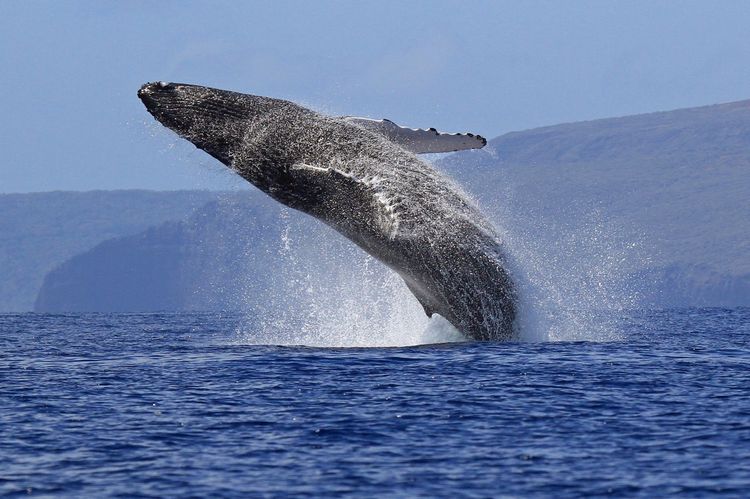
The blue whale is the largest animal on the planet that humans have had the opportunity to measure and weigh. A newborn calf weighs 2-3 tons, and adults average 100-120 tons, with a body length of up to 30 meters (making it the longest animal in the world). However, history also knows of larger animals:
- In 1926, whalers encountered a female weighing 150 tons;
- In 1947, a whale weighing 190 tons was killed.
Due to the incredible size of the animal, it is impossible to weigh it whole on a whaling ship, so a special method for weighing it in parts has been developed.
Note! The blue whale's tongue alone weighs approximately 2.7 tons—the same body weight as the average Asian elephant. The mammal's heart weighs at least 600 kg, comparable in weight and size to a Mini Cooper.
This record-breaking whale can be found in the waters of many countries: Russia, Japan, China, Malaysia, India, the USA, Norway, Iceland, Chile, Colombia, and elsewhere. They are usually solitary, rarely in groups of two or three. A whale burns up to one million calories a day, which it replenishes by eating one ton of krill or other small mollusks.
It's worth clarifying the specific parameters that allow him to hold this record:
| Parameter | Meaning |
|---|---|
| Body length | Up to 33 meters |
| Average weight | 100–150 tons |
| Weight of the heart | About 180 kg |
| Lung capacity | Up to 5 thousand liters |
| Language | It weighs as much as an adult elephant – 3 tons. |
| Size of a newborn | 7–8 meters, weight up to 3 tons |
These characteristics make the blue whale not only the largest mammal, but also the heaviest animal that has ever lived on the planet.
Why the blue whale became the largest animal in the world
There are several reasons why this particular sea creature was able to reach such a gigantic size:
-
The aquatic environment provides support to the body, reducing the gravitational load.
-
Feeding on plankton is a diet that is available in huge quantities.
-
Absence of natural enemies other than humans.
-
Evolutionary advantage: greater mass allows them to retain heat in cold water and travel longer distances.
Thus, the blue whale's gigantism is the result of millions of years of adaptation to the marine environment, in which size becomes an advantage, not a liability.
Other giants of the planet
Besides the blue whale, our planet is home to other large animals belonging to various categories. Among birds, rodents, reptiles, and other representatives of the animal kingdom, there are record-breakers that attract attention with their abnormally large size.
African elephant
The largest land animal among all living on land. Males average 7-8 tons in weight, with a body length of 6-7.5 meters and a height of 3-3.5 meters, and their tusks can weigh up to 100 kg. They have virtually no predators in the wild; only calves are occasionally harmed by lions or crocodiles. However, these elephants are often hunted by humans (their tusks are a valuable hunting commodity), and are therefore listed as endangered. Red Book.
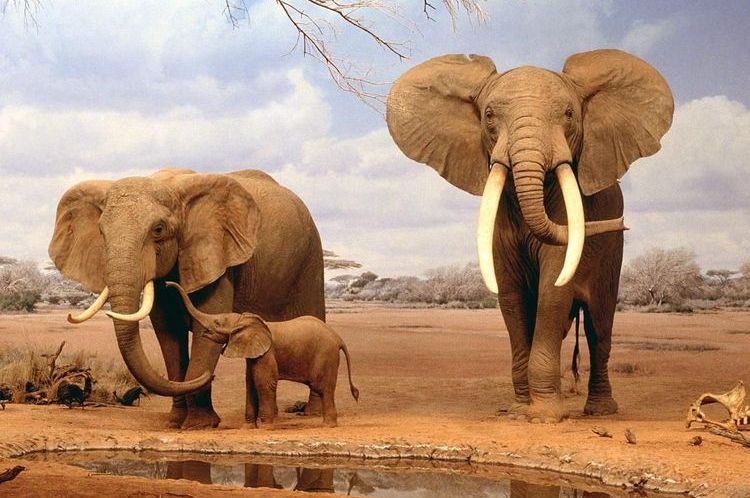
Interesting! African elephants sleep standing up and are even capable of mourning the dead, which is comparable to humans.
Southern elephant seal
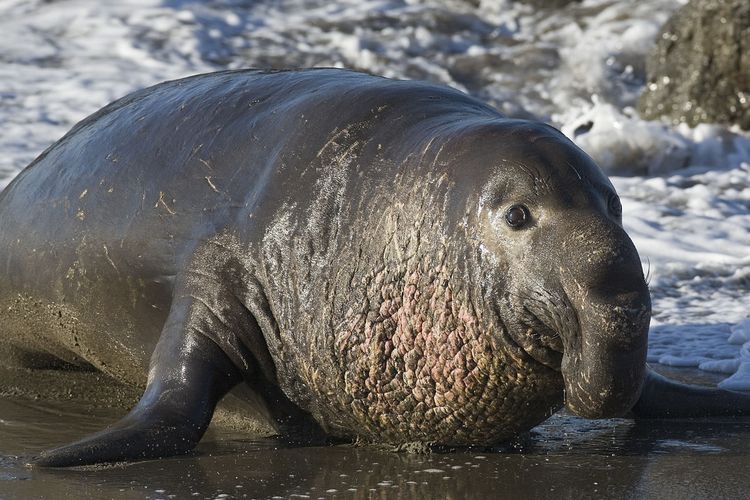
The largest living predator, adult males weigh up to 4 tons and reach a length of 2.6-3 meters. They spend most of their lives in water, rarely venturing onto land (primarily during the breeding season). A unique feature of these massive animals is that males are typically 5-6 times heavier than females.
Ostrich
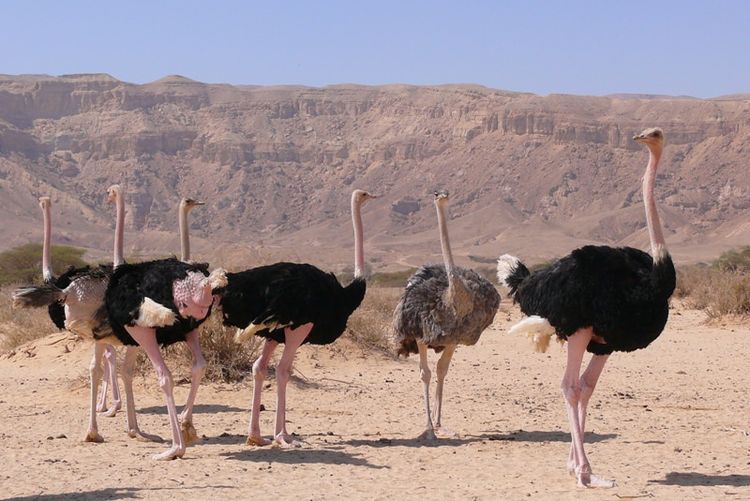
Considered the largest bird, an adult can weigh up to 150 kg and grow up to 3 m in height. These enormous birds inhabit the lowlands of Africa and the Arabian Peninsula and are also considered the fastest biped. They also lay eggs weighing up to 2 kg, which are considered a global delicacy.
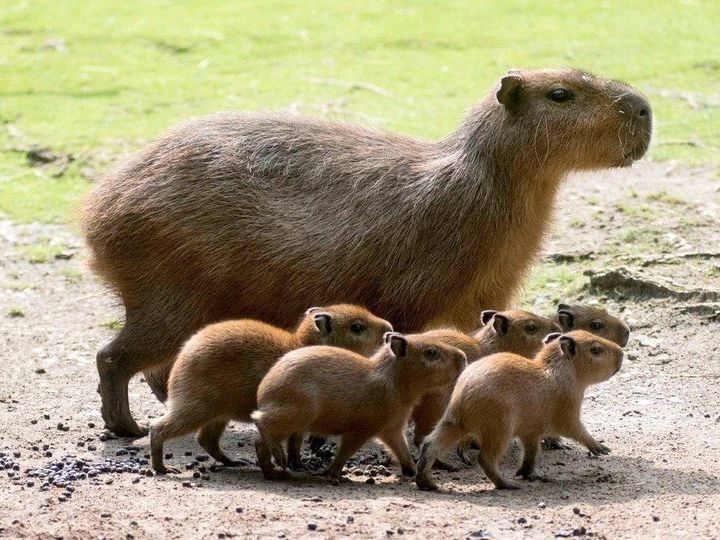
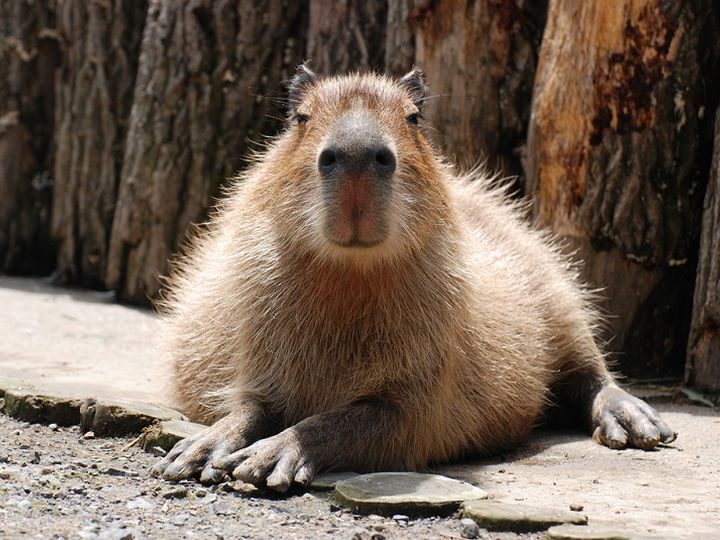
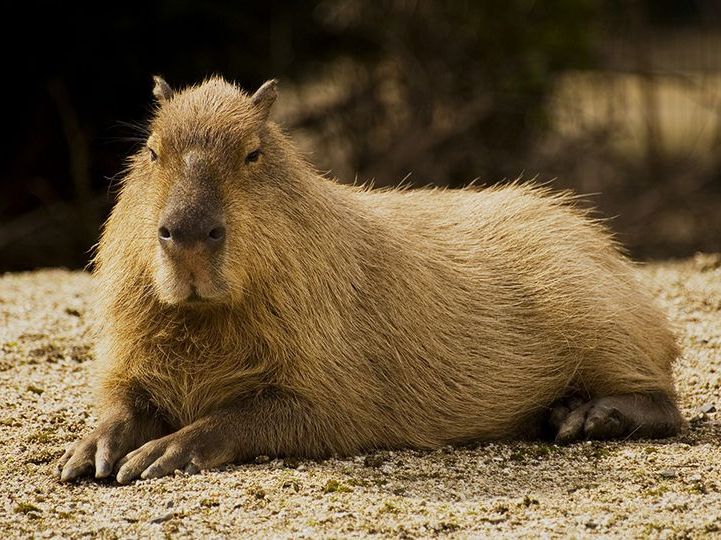
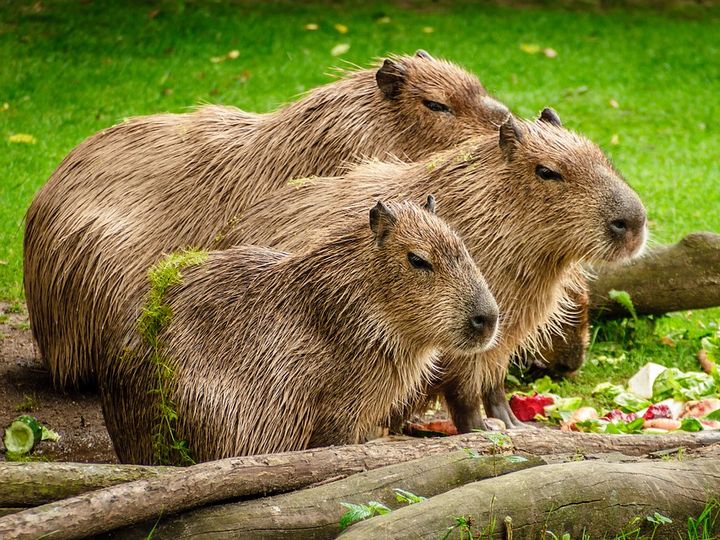
Capybara
The largest rodent on the planet. Adults can grow up to 150 cm tall and weigh up to 100 kg. They live near water in temperate and tropical latitudes of South America. Capybaras adapt well to life with humans, so they are sometimes kept as pets by local residents.
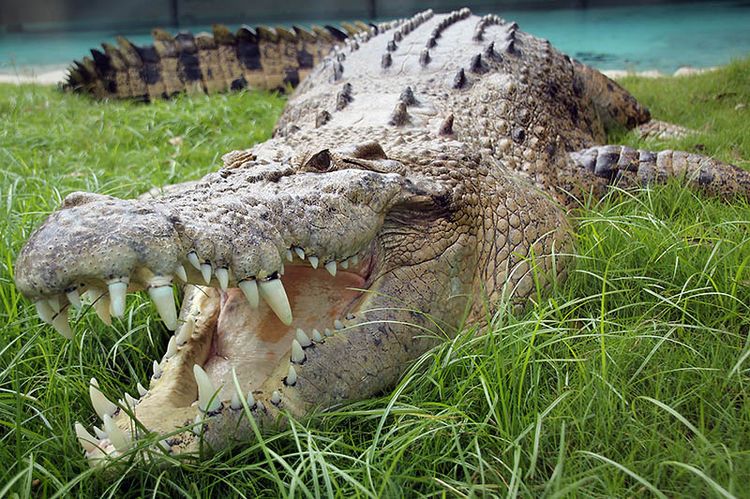
Saltwater crocodile
The crocodiles are the largest reptiles. They live in Southeast Asia, off the eastern coast of India, and in northern Australia. Adult crocodiles can reach over 6 meters in length and weigh up to 1 ton. They are extremely dangerous predators, capable of attacking any living object within sight, whether on land or in water.
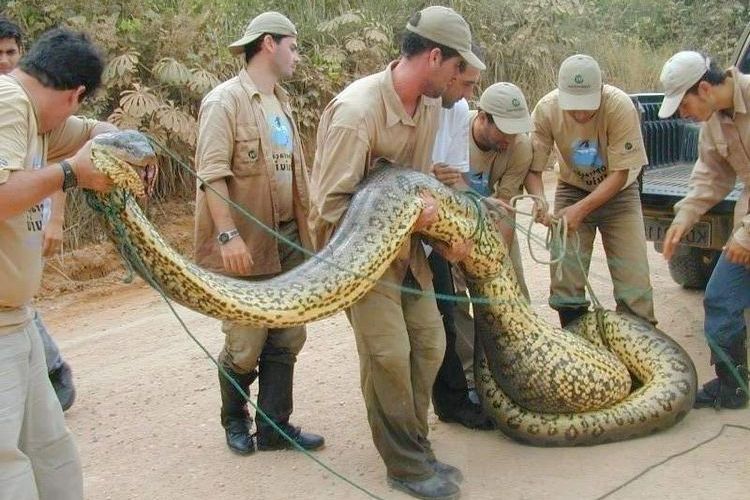
Green anaconda
A giant among snakes, it can weigh up to 200 kg. The maximum recorded length is 11.43 m. However, scientists believe that larger specimens can be found in the wild forests of South America. The anaconda coils around its prey until it is completely suffocated and then swallows it whole, after which it can go without food for up to a month.
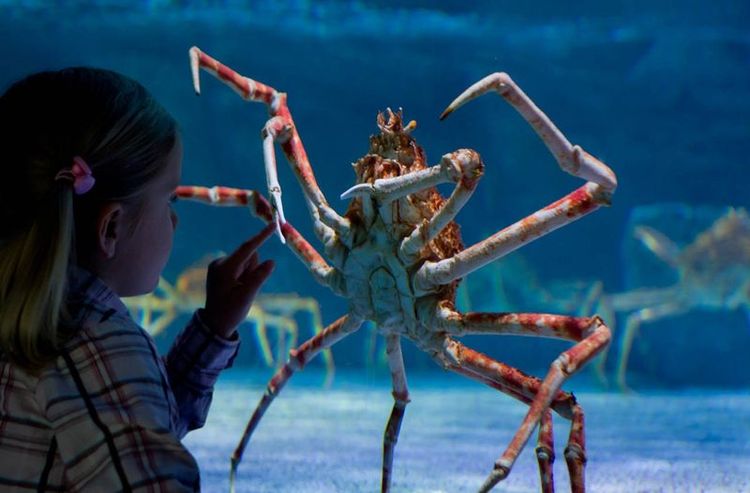
Spider crab
The largest arthropod, weighing up to 19 kg and measuring 3.9 m in length including legs, this giant inhabits the waters of the Japanese islands, feeds on small mollusks, and can live up to 100 years.
Today's large animals are in no way inferior in size to their prehistoric ancestors. But if humans fail to treat them with respect and continue to destroy their habitats, they risk disappearing from the face of our planet, just as the dinosaurs did millions of years ago.
Unexpected record-breakers: big in their class
Sometimes the word "largest" is used in the context of certain animal categories. Here are some examples of the largest representatives in their groups:
| Group of animals | Record holder | Size/weight |
|---|---|---|
| Amphibians | Goliath frog | Up to 3.5 kg |
| Insects | Stick insect Phobaeticus chani | Up to 65 cm in length |
| Birds (by weight) | African ostrich | Up to 150 kg |
| Flying mammals | Kalong flying fox | Wingspan up to 1.7 m |
| Reptiles | Leatherback sea turtle | Weight up to 900 kg |
| Reptiles | Reticulated python | Up to 10 meters in length |
| Amphibians | Chinese giant salamander | Length up to 1.8 m, weight up to 50 kg |
This approach allows us to speak about the giants of the animal world in a more comprehensive manner.
The largest extinct animal
Many people mistakenly believe that dinosaurs were larger than blue whales. However, in most cases, this is not true. The largest land animal in history is considered to be Argentinosaurus, a giant sauropod.
According to scientists:
-
Body length - up to 40 meters
-
Weight - up to 90 tons
However, despite its impressive size, the Argentinosaurus is inferior to the blue whale in mass. This marine giant still holds the record for the largest known creature.
The largest animal living in Russia
When it comes to Russia's fauna, the Kamchatka brown bear holds the crown. It is one of the largest subspecies of brown bear in the world. An adult male can weigh up to 700 kg, and in some cases, over a ton when feeding during salmon spawning season.
Also large animals living in Russia are:
-
Elk (weight up to 700 kg)
-
Bison (up to 900 kg)
-
Walruses and seals are marine inhabitants weighing up to 1.5 tons.
For pet owners, these figures are impressive, because even the largest dog (for example, the English Mastiff) weighs no more than 120 kg.
Interesting facts about the giants of the animal world
To better understand the scale of the world's largest animal, take a look at these amazing facts:
-
The blue whale can dive to depths of up to 500 meters.
-
One sip of water with plankton can weigh up to 1000 kg.
-
Whales have a unique echolocation system that is comparable to dolphins.
-
A blue whale's heart rate can drop to 2 beats per minute while diving.
-
The blue whale's tongue is larger and heavier than that of an adult Indian elephant.
Read also:
- The largest dogs: breeds
- What are the largest domestic cats?
- The most dangerous animals in the world


Add a comment