
Which dogs should not be groomed?
A dog's coat serves as a natural protection not only from cold but also from heat. Therefore, the idea that a dog's coat provides warmth in the summer, like a "fur coat," and therefore needs to be trimmed, is quite misleading. Dogs lack sweat glands, and after trimming, especially with clippers, their skin remains unprotected from the sun's rays and other external factors. However, there are some breeds whose members can tolerate a light trim. with scissors Without using clippers. But it's much more important to know which dogs should not be groomed in any way to avoid harming your pet's health.
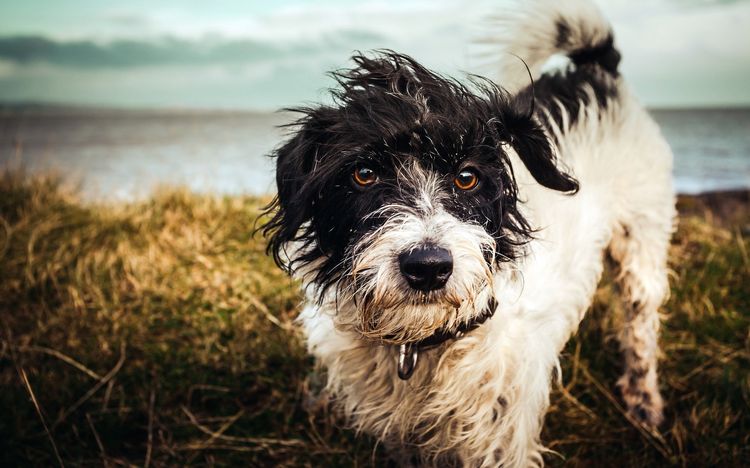
Which dogs don't get their hair clipped?
There are many different types of dog coats, but they all fall into two broad categories:
- without undercoat;
- with undercoat.
It is this division that determines which dogs do not need to be trimmed at all, and which can be given a hygienic trim.
Periodic trimming with scissors is recommended for breeds without an undercoat and those with fast-growing fur. This procedure is part of the grooming routine and helps prevent matting, inflammation, and other skin conditions. Furthermore, a slight trim helps protect your pet from ticks.
Representatives of the following breeds do not have an undercoat:
- Bichon Frise;
- Shih Tzu;
- poodle;
- Irish Spaniel;
- Maltese and others.
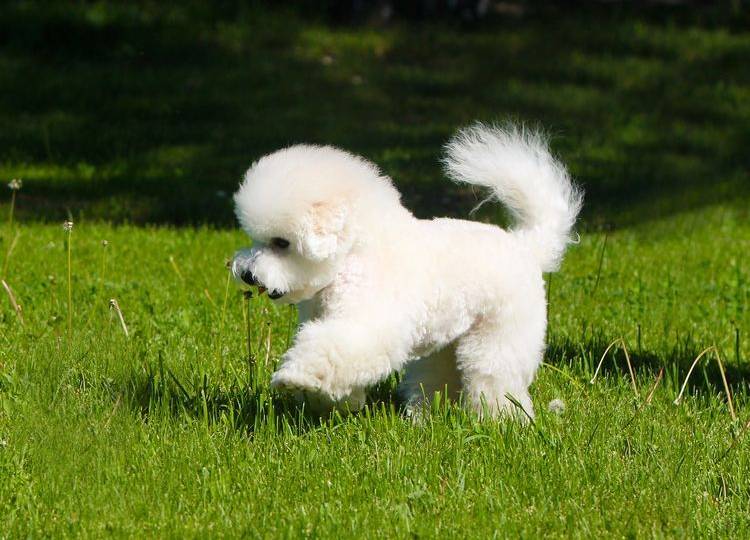 Bichon Frise
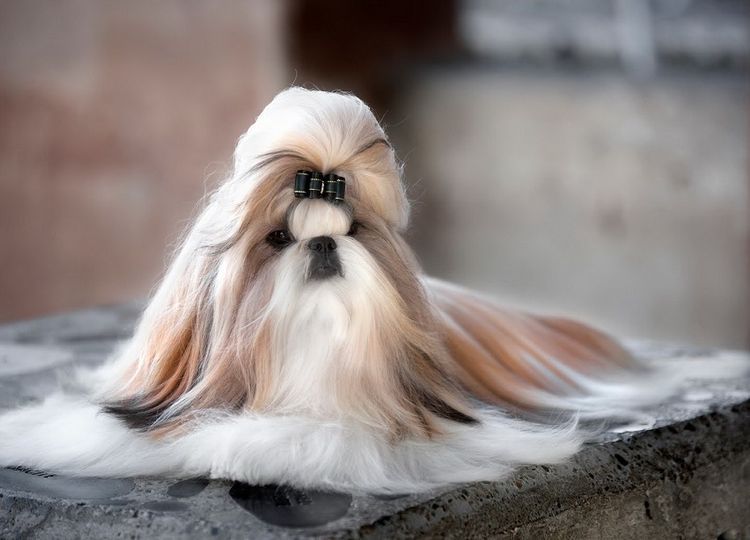
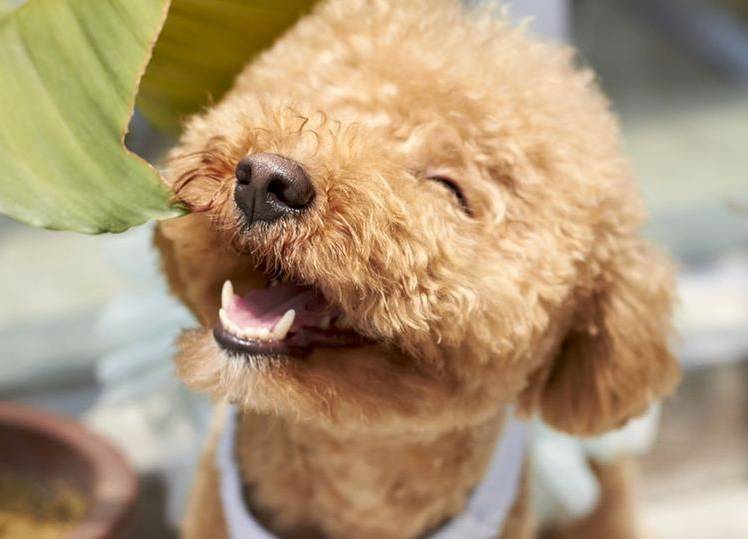
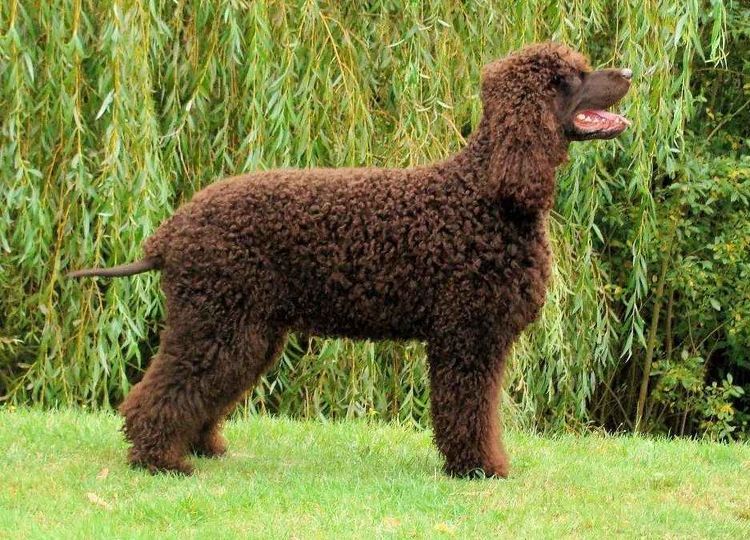
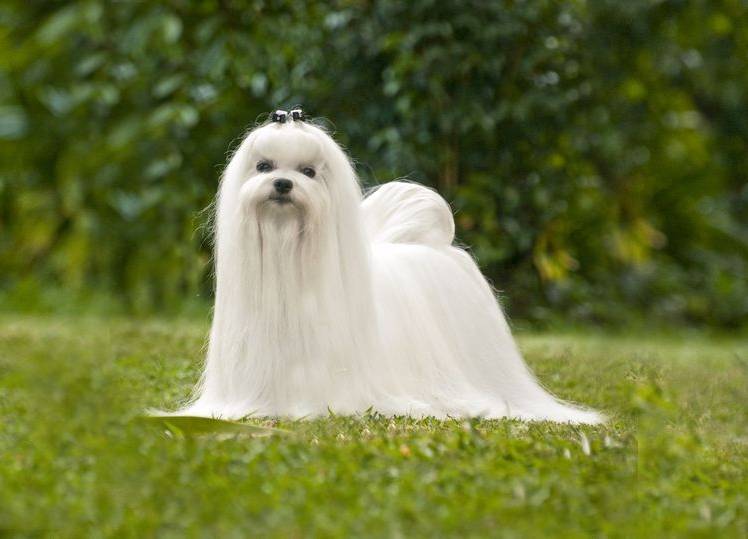
These dogs need regular brushing and neat haircuts. you can't use the machineOtherwise, the completely hairless skin will lose its natural protection. If this happens, it's crucial to keep the shaved animal away from direct sunlight, as this can cause photodermatosis and even lead to severe skin lesions (even cancerous). Another reason why clippers are not recommended for dogs is that they become easily accessible to mosquitoes, horseflies, and other blood-sucking insects.
Which dogs should not be groomed at all?
In breeds with other coat types, the coat consists of an undercoat and guard hairs. The undercoat is a thick layer of short, soft hairs that traps air, creating a reliable insulating layer. Beneath this, the natural body temperature, which helps prevent hypothermia in winter and heatstroke in the summer heat. At the same time, longer guard hairs protect the skin from mechanical damage and ultraviolet radiation. Thus, the entire system provides the pet with the necessary protection from all external factors, and the slightest disruption to this protective function significantly reduces it.
When it comes to which dogs shouldn't be clipped, there are no distinctions based on breed or coat type. No pet should have their entire coat clipped, as intended by nature, except for medical reasons.
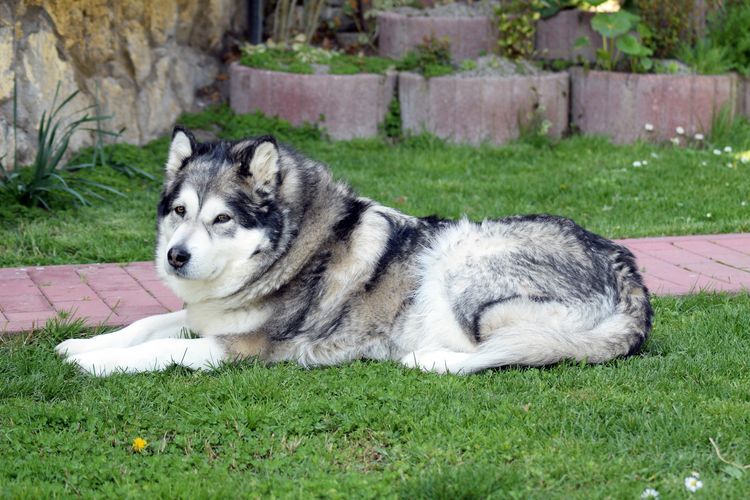
But haircuts, not only with clippers but also with scissors, are especially contraindicated for representatives of the following breeds:
- Yorkshire Terrier;
- Labrador;
- Malamute:
- Maltese lapdog;
- German shepherd;
- retriever;
- Samoyed;
- husky;
- Chow Chow;
- Sheltie;
- Spitz and others.
In addition to the aforementioned unpleasant consequences, these pets may develop follicular arrest, which is characterized by slowed hair growth. This is essentially alopecia, the causes of which remain unclear, but grooming is considered a major trigger. Animals with a thick undercoat are most susceptible to this condition. Alopecia in these animals is most likely due to disruption of the blood supply to the hair follicles due to hypothermia of the hairless skin. Exposure to temperature fluctuations causes the follicles to enter a dormant state, and their growth stops for up to two years.
Also, avoid shaving your pet in an attempt to avoid shedding and the associated discomfort. Most dogs shed locally, gradually affecting different areas of the coat. Hair regrowth occurs in a similar manner, preventing the dog from losing its entire protective layer at once. However, completely shaving leads to all the negative consequences described above for skin stripped of its natural protection.
In any case, it's important to remember that dog grooming is just a fashion statement. There's no good reason to trim breeds with undercoats. And for pets with long coats, only slightly trimming the hairs that get in the way is recommended. Otherwise, your pet will suffer even more from heat, insect bites, and mechanical damage to the skin.
Read also:
- Irritation and itching in a dog after a haircut
- How often should you wash your dog?
- My dog has a lump: what should I do?


Add a comment