
What dogs help rescue climbers: breed
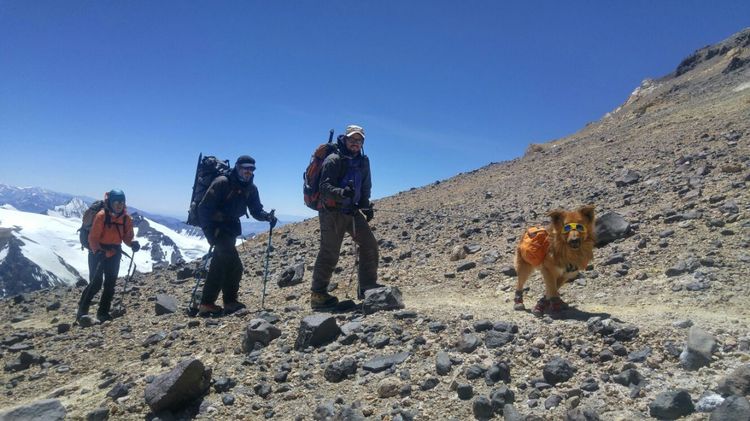
In many search and rescue operations, dogs are indispensable life-saving tools. They perform searches for victims much more effectively than humans. Dogs that help rescue climbers, skiers, and hikers from avalanches and snowdrifts are selected from breeds with specific physical attributes and intelligence. They must not only be strong and resilient, but also trainable, stress-resistant, and able to interact with strangers and respond appropriately.
Content
Characteristics of a rescue dog
The pet's breed must be suited to the objectives and conditions of the search and rescue operation. For example, the most effective rescue dogs for mountain climbers are those that can withstand low temperatures and possess sufficient physical strength to not only locate the person but also dig them out and pull them from the snow.
However, good physical fitness isn't all that's required of a four-legged rescuer. If they're psychologically unfit to work in extreme conditions, their use in rescue operations is impractical.
During training, the dog is taught many important skills that help it conduct effective operations. During training, its psychological and physical capabilities are also assessed. According to experts, a rescue dog should possess the following qualities:
- excellent physical condition, strong build;
- well-developed senses: sight, smell, hearing;
- endurance;
- equilibrium;
- courage;
- stress resistance;
- good learning ability;
- high intellectual abilities: the ability to quickly and accurately respond to human commands, as well as act independently (in emergency situations);
- the ability to interact with strangers and other animals and react calmly to them.
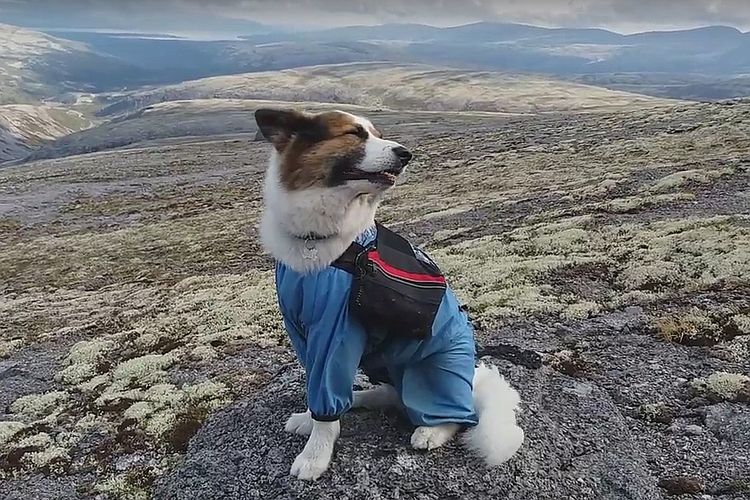
To become a rescuer, an animal undergoes rigorous training. Based on the training, specialists decide whether the animal can participate in search and rescue operations.
Mountain rescuers
Mountains are considered one of the most challenging working environments. Low temperatures, strong winds, and sudden changes in weather conditions demand extraordinary endurance from both animals and humans. Strong, large-bodied animals are used for mountain work to be able to rescue people from rubble or retrieve equipment. Their fur must be thick, with a dense undercoat, which protects them from the cold.
St. Bernard
These dogs have been rescuing mountain climbers for centuries. They were originally used as guard dogs by the monks of the Saint Bernard monastery in the Swiss Alps in the 17th century, hence the breed's name (Saint-Bernard).
Over time, climate conditions in the Alps began to change and snow melting became more frequent. St. Bernards They began to be used not only as guards but also as guides during mountain treks. They have a docile nature and are resilient, so they were often used as pack animals for transporting goods. Their ability to predict avalanches often saved the lives of travelers.
Saint Bernards are very affectionate, calm, and friendly. They are gentle and patient with small children, unafraid of strangers, and react calmly to other animals. They are not aggressive and will not bark without provocation. However, if threatened, their instincts will react quickly.
St. Bernards are intelligent and easily trained. They have an excellent sense of smell, capable of detecting a person buried deep in the snow. They are capable of digging out a victim and signaling their location to other rescue teams.
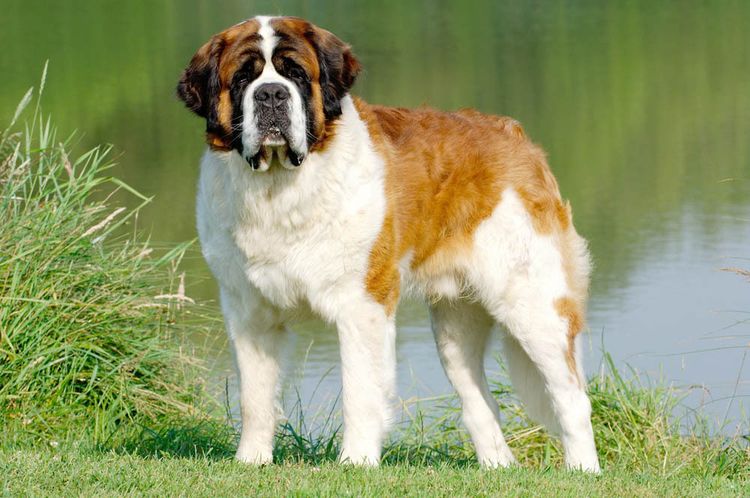
Dogs of this breed are large and powerful. Their average height is 80 cm and their weight exceeds 70 kg. They have thick, long or short (depending on the breed) fur with an undercoat. This fur allows them to tolerate low temperatures and can help warm up injured climbers.
German shepherd
The German Shepherd is one of the most popular service dogs. They are used in various areas of human life (security, police, military, etc.). These dogs also assist climbers and other disaster victims.
German Shepherds are versatile. They excel at search and rescue operations, both in the mountains (during snow avalanches) and in lowlands after earthquakes and other disasters, searching for people buried under rubble.
German Shepherds are suitable for special operations in the mountains in all respects:
- they are smart and easy to train;
- balanced, psychologically stable;
- quickly adapt to unfamiliar environments and navigate the terrain;
- withstand cold weather;
- have good health.
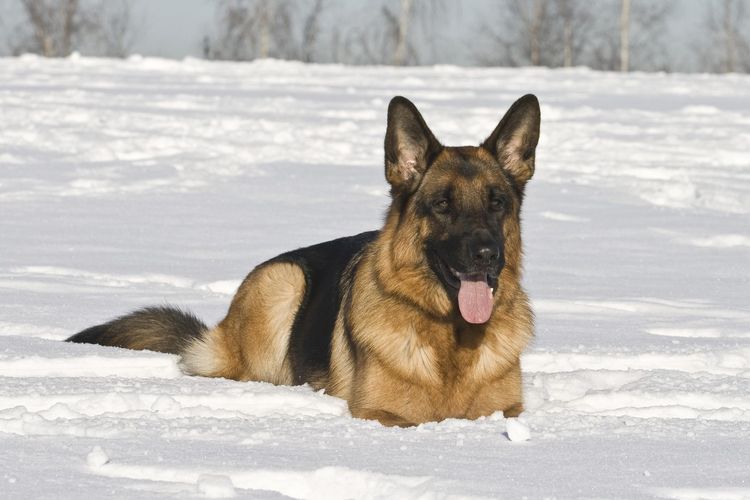
The average height of a German Shepherd is 50-60 cm and weighs 50 kg. They have excellent senses of smell, vision, and hearing, allowing them to locate victims at great depths. Trained German Shepherds are able to remain focused, undisturbed by extraneous odors and noises, focusing on their search.
German Shepherds have a strong core of muscles and powerful paws. This helps them dig people out of rubble. Their well-developed senses also allow them to guide victims to safety (German Shepherds are also often used as guide dogs for the blind).
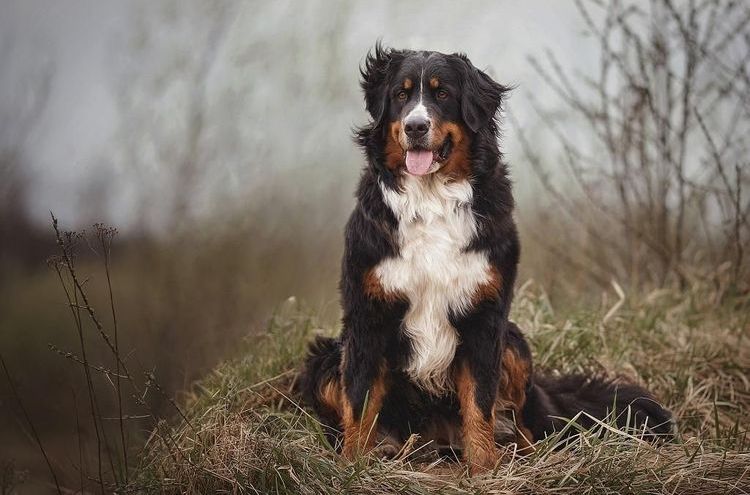
Bernese Mountain Dog
The breed was originally developed in Switzerland. The Sennenhund's job was to herd livestock, serve as a guard dog, and be a loyal companion. This breed continues to excel in these roles to this day.
Bernese Mountain Dog The German Shepherd is a large and sturdy dog. Its average height is 60-70 cm and its weight is about 50 kg. It has a long, thick coat that allows it to withstand cold temperatures.
The breed is distinguished by its high level of socialization, friendly disposition, calm temperament, and obedience. Therefore, these dogs are often used to search for people during disasters. They are able to clearly follow commands and interact with strangers. They can quickly track victims through rubble, attracting the attention of search parties to the desired location with a loud bark.
Alaskan Malamute
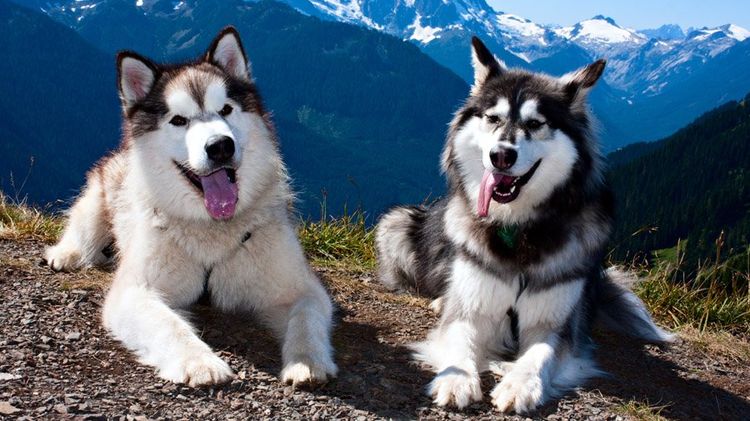
These are energetic and robust dogs, distinguished by their strength and endurance, independence, and intelligence. Their average height is 60 cm and their weight no more than 40 kg. Although they resemble wolves in appearance, they are truly domesticated pets with a sensitive nature that cannot stand loneliness. The breed was originally developed to assist people living in northern latitudes:
- for long-distance transportation of goods;
- for hunting seals, polar bears, etc.;
- to protect against wild animals and intruders.
Now Alaskan Malamute It is often used for search and rescue operations. It has important characteristics necessary for operation in extreme conditions:
- endurance, the ability to work for many hours in a row;
- strength (dogs are able to easily transport heavy loads in a sled, including an injured victim);
- an innate love of digging deep holes;
- intelligence (Alaskan Malamute can make decisions independently, without human command).
Their stubborn nature and excessive independence often make training difficult. Therefore, their training is carried out by experienced professionals. With proper training, the Alaskan Malamute will become an excellent rescue dog and reliable companion.
Leonberger
The breed was developed by crossing long-haired St. Bernards, Newfoundlands and mountain Pyrenees dogs. Leonbergers They have impressive sizes (their average height is 75 cm, and their weight is up to 80 kg), energy and high intelligence.
These dogs are non-aggressive and get along well with strangers (as long as there is no threat to the dog or owner), and can even be used as babysitters. With proper training, these dogs achieve a high level of socialization, which is an important quality for a rescue pet.
Leonbergers are easy to train. They are not typically dominant, so they clearly follow their owner's commands.
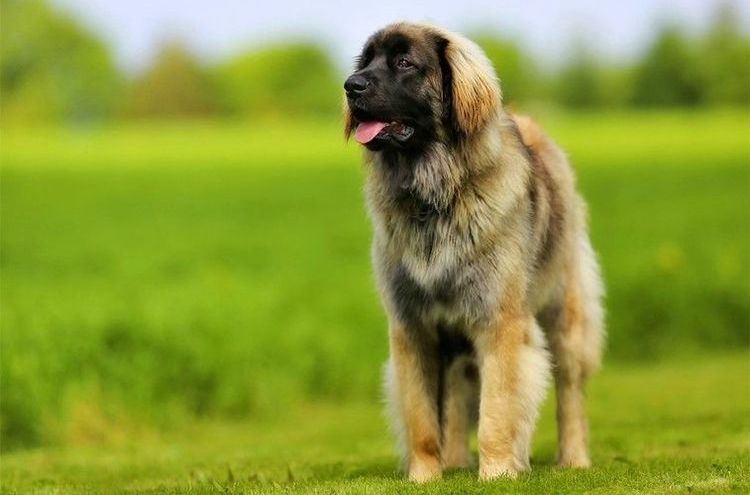
Leonbergers are excellent helpers in extreme situations. They are not shy and have a calm disposition. They are not frightened or distracted by loud noises or other animals.
Representatives of this breed are highly stress-resistant. They are able to quickly assess a situation and avoid unnecessary aggression. With proper training, Leonbergers become loyal companions and invaluable members of search and rescue teams.
Read also:


Add a comment