
Which cat breeds don't shed?
One of the major issues that deters many people from getting a cat is shedding and the resulting fur all over the apartment. This is especially true for allergy sufferers, whose lives become unbearable in such conditions. But this doesn't mean you have to give up on your dream of having a pet, as there are cat breeds that don't shed.
To be fair, it's important to note that cats can't be 100% shed-free, but some breeds shed less frequently. Besides avoiding allergic reactions, this requires less frequent wet cleaning, which is important for people who save time but don't want to pay the price of a poorly maintained home.
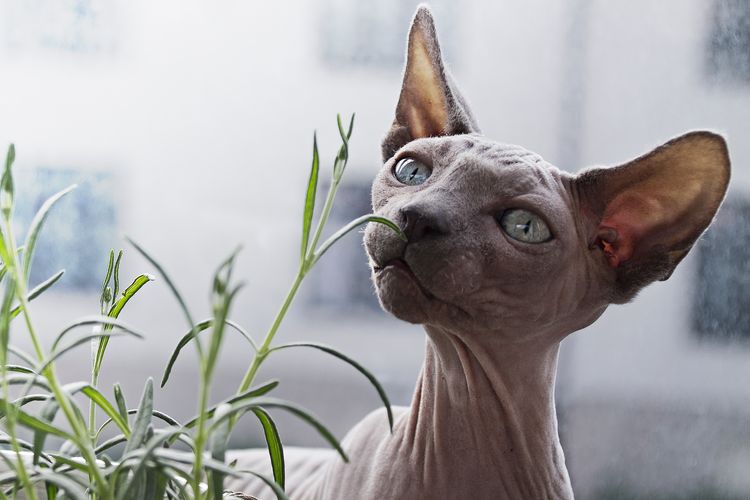
Sphinxes
The Sphynx is a group of breeds with minimal hair, which has made it highly sought after and popular worldwide. It was created in 1966 through the accidental fusion of certain genes, after which it began to be actively bred by specialists in various countries.
There are many varieties of this breed, but all of them have completely or partially reduced hair, and often even whiskers and eyebrows are missing.
Based on the condition of their coat, cats of this breed are grouped into the following categories:
- naked (in the cold season, when the temperature in the house drops, kittens up to a year old may partially grow fur);
- flock (short soft fluff, reminiscent of the hair of children in the first year of life);
- velour (length 1 – 5 mm);
- brush (skeletal, curly, sparse hair).
Cats that have a sparse coat may shed and not grow back as they age.
There's one important detail that anyone considering getting a Sphynx cat should be aware of: their skin produces sweat, which can stain furniture and carpets. This sweat can only be removed with baby oil. Using soap or shampoo is strictly prohibited.
The most endearing trait of Sphynx cats is their extreme friendliness and affection for their owners. They adore tactile contact, so they happily sit in their owners' arms or sleep next to them.
Among the sphinxes, the following representatives of the group should be noted:
- Peterbald (St. Petersburg Sphynx))Its bare skin feels rubbery to the touch. It's very sensitive to the sun, so allowing it outdoors unsupervised in the summer can be dangerous to its health. It won't shed, as it's a hairless cat. Grooming a Peterbald involves regularly wiping its eyelids with cotton pads. This is necessary because they constantly shed tears, especially while eating.
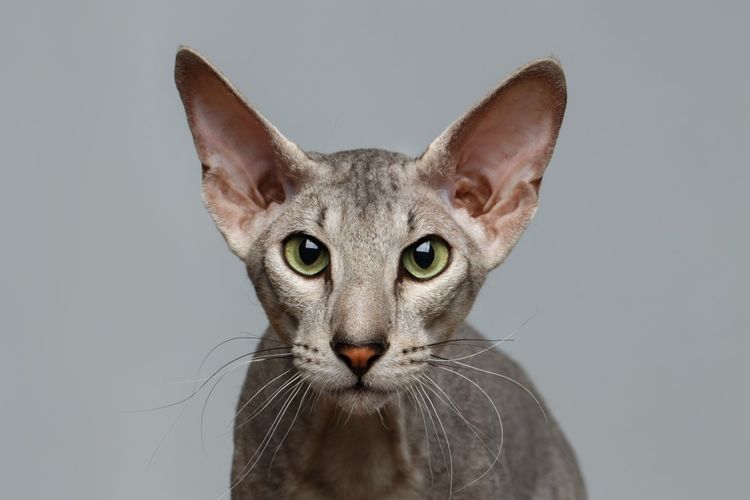
- Donskoy. Sometimes kittens are born with fur, but even then, by the age of two they become completely bald and no longer shed.
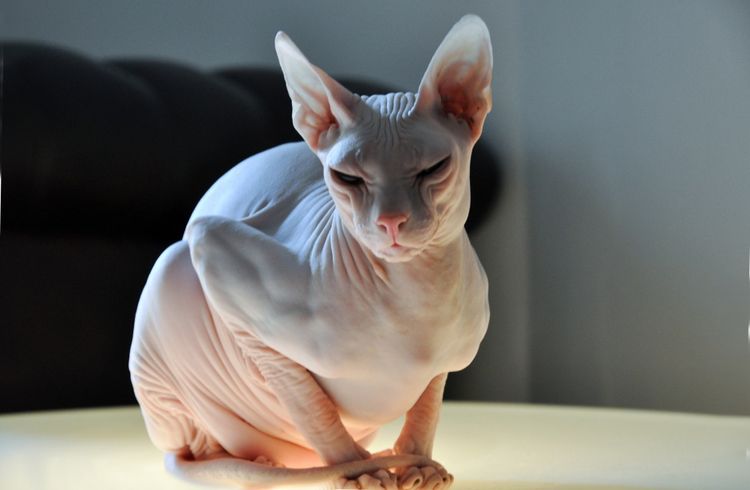
- Canadian. These cats have wrinkled skin, especially on their foreheads, which distinguishes them from other cats. Whiskers and eyebrows are almost always absent. Large ears and wide-open eyes make their faces very cute.
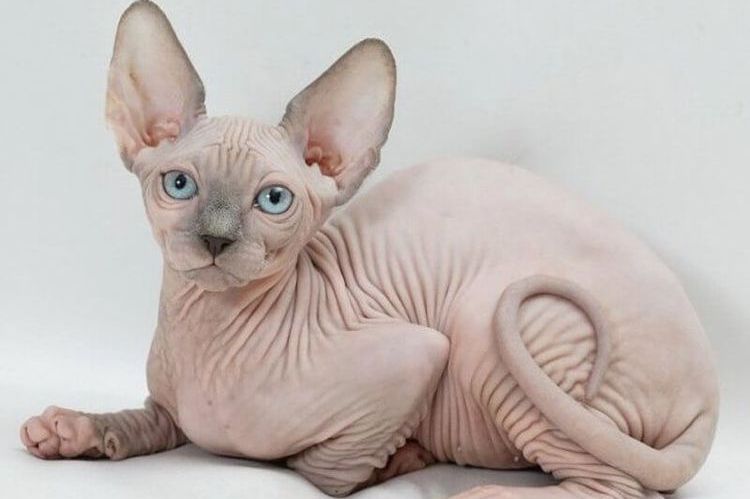
Rexes
If you still want a pet that's soft to the touch, you might choose a Rexe. These cats are known for their curly fur, which gives them a unique appearance. A wonderful feature of Rexes is that their presence in the home leaves virtually no trace of their distinctive feline odor: the substances secreted by their glands are less noticeable than those of other breeds.
Each variety has its own characteristics:
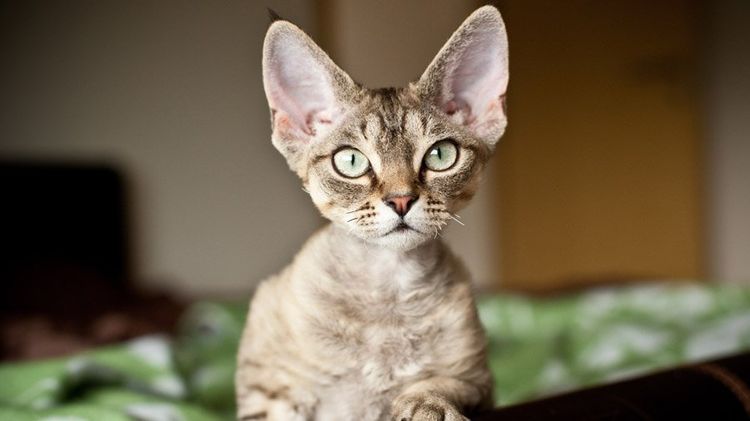
- Devon Rex They are considered one of the most suitable options for allergy sufferers. If you brush their sparse fur regularly, you'll barely notice their shedding. Kittens sometimes become sticky due to their secretions, especially on their sides and abdomen.
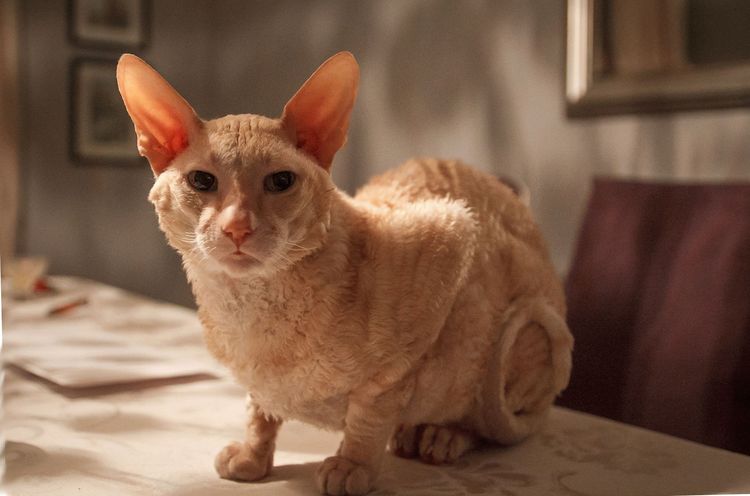
- Cornish Rex has only one part of the coat - a shortened undercoat, the guard hairs are completely absent.
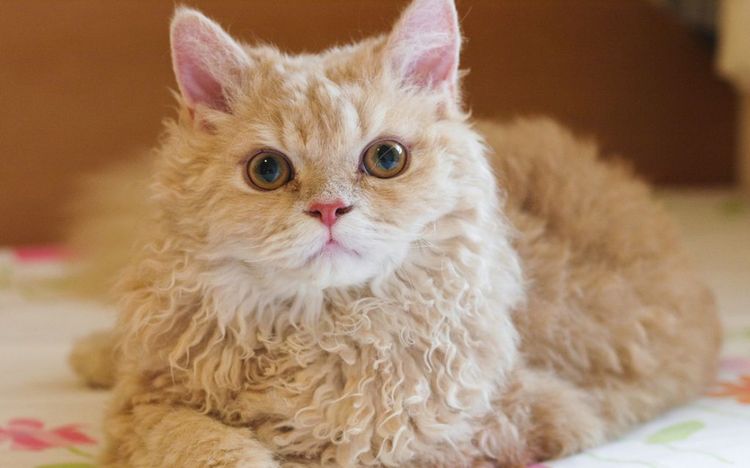
- Selkirk Rex The coat can be short-haired or long-haired, but the dense curls of the coat resemble a sheep's fleece. The most prominent curls are located on the neck, chest, belly, and hind legs of the cats.
Rexes are a great choice for those who love cats but are very sensitive to their scent and have difficulty coping with their animals' shedding periods. This breed has an exotic appearance, and its members are also very playful and cheerful.
Siamese-Oriental group
This group sheds very gradually and smoothly. The process is virtually unnoticeable because their skin lacks any undercoat, and their fur is very short, yet smooth and shiny. They also don't exhibit the seasonal shedding that typically occurs in cats in spring and fall.
The most advantageous options from the Siamese-Oriental group for a person who does not want to deal with the fact that their pet has begun to shed intensively are considered the following breeds:
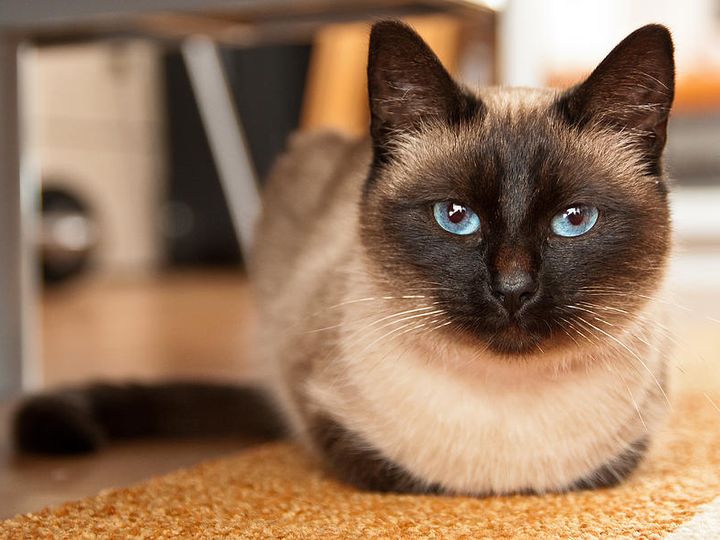
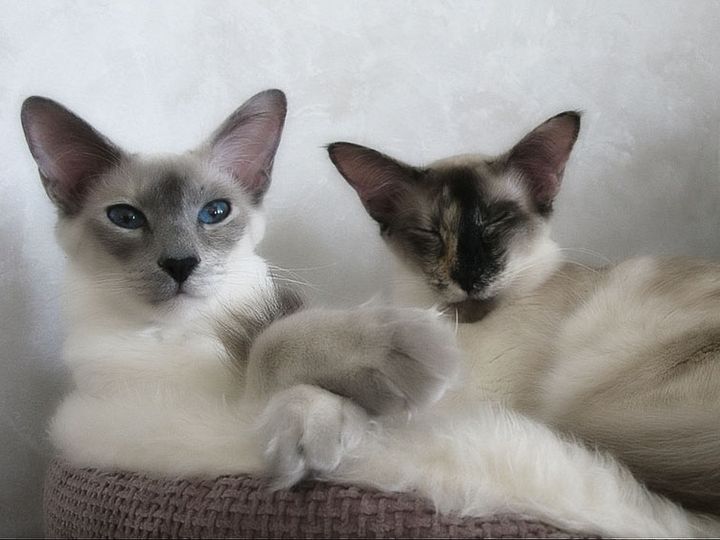
- SiameseThey have a small undercoat, but with regular, quick and easy brushing, shedding is not a problem. It's important to remember that these cats are very vindictive and hold grudges, so Siamese aren't suitable for everyone.
- BalineseThe medium coat and complete absence of undercoat guarantees the absence of tangles.
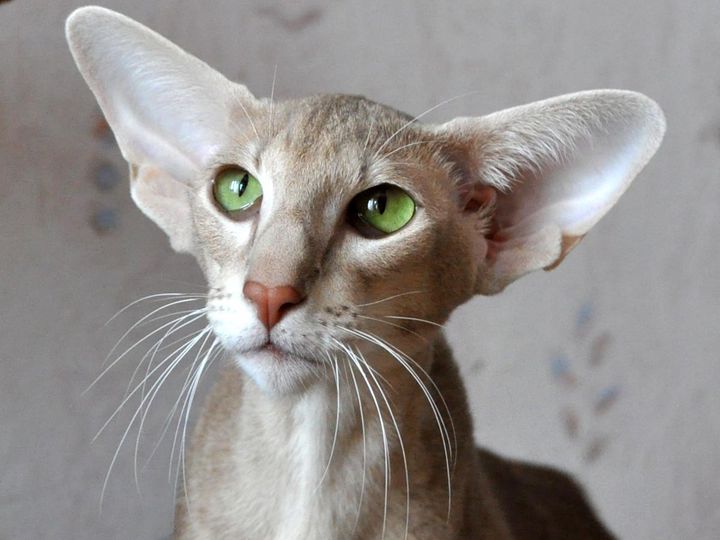
- OrientalsTheir body surface is satiny, with hairs lying tightly to the skin. Orientals come in a wide variety of colors, from black to lavender. Grooming is extremely simple, as they don't require frequent bathing, and they don't require trimming or brushing at all. Only show specimens are recommended to be brushed with a special rubber brush before showing to remove loose hairs.
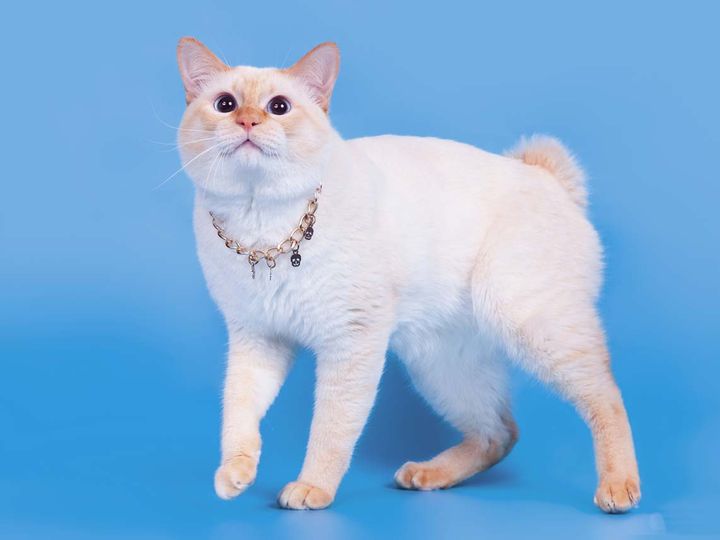
- Mekong BobtailThese are very graceful cats, similar in color to the Siamese, but much softer and fluffier. With regular brushing, they shed very little, as they have virtually no undercoat. Its presence is a sign of a faulty breed. Currently, the most prized and sought-after cats are those with lilac, gold, and cream colors.
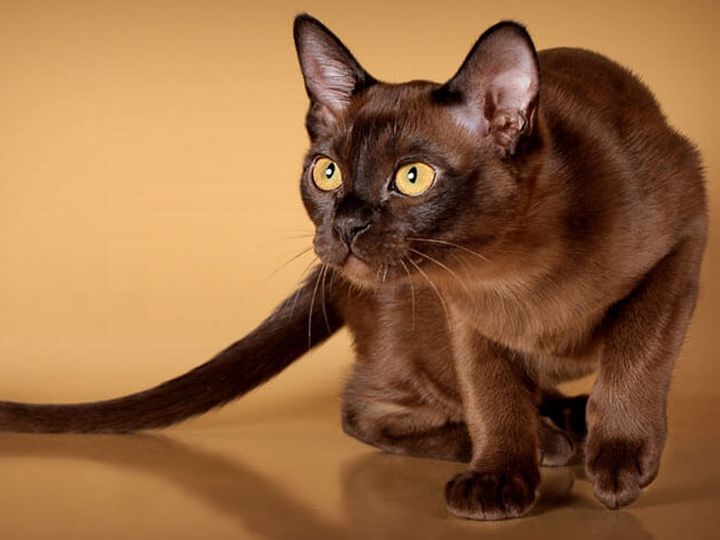
- BurmeseTheir main advantage is their beautiful short coat, which glistens in the sun. Dark colors look very expensive and luxurious, and are easy to care for. They don't shed, but they do have one significant drawback: a feisty and capricious nature, so they are only suitable for true aesthetes.
If cats belonging to these groups begin to shed excessively, the cause must be urgently investigated, as this is not normal. The most common factors are:
- reaction to feed change;
- allergy;
- lack of vitamins and nutrients;
- chronic digestive disorder;
- fungal skin diseases;
- external or internal parasites;
- hormonal imbalances;
- oncological diseases, etc.
In this case, it's best to take your pet to a vet, who can dispel any concerns and, if necessary, recommend a proper treatment plan and interventions. After implementing these measures, the animal should stop shedding abnormally.
Read also:


3 comments
Leah
My Bengal doesn't shed at all. He's 2.5 years old.
Irina's
The Burmese personality is complete nonsense!!! The author clearly confused them with some other breed. Burmese cats have the most docile nature! They're affectionate and very people-oriented!
Lucien
What nonsense is written about the quarrelsome nature of Burmese cats - on the contrary, they are very affectionate and non-confrontational cats.
Add a comment