
What vegetables and fruits can you give to a dog?
Plant-based foods are essential in a pet's diet, so it's important to know which vegetables and fruits are safe to feed your dog. Vitamin supplements are essential for your pet's proper growth and development.
Content
Why do animals need vegetables and fruits?
Plant-based foods should make up at least 5% of the dog's total diet. Vegetables and fruits are a source of dietary fiber, which helps the dog better digest and assimilate animal products. Plant fiber is not absorbed by the body, but it is essential for normal digestion. Vegetables can be given to dogs even in puppyhood, when it's important not only to create the right prebiotic environment but also to ensure the animal receives vitamins; and in adulthood, when a lack of microelements is noticeable and the problem of excess cholesterol deposition arises.
How to give plant foods
Vegetables and fruits should be part of a dog's diet, but not a necessary daily component. Dogs, as we know, don't produce the enzyme to break down plant fiber, so regularly feeding them garden-fresh produce can do more harm than good. The important principle is that dogs can and should be given vegetables not as a standalone food, but as a supplement. Treating your dog with something they enjoy once a week is sufficient.
Dogs can also be fed raw vegetables. Don't worry about their digestive system being unable to handle raw plant fiber. It's healthier and more appropriate to feed your dog uncooked foods. The exception is fruits rich in beta-carotene, which should be lightly sautéed in oil or mixed with fats.

If your pet is healthy and not a puppy, don't puree food. Cutting it into small pieces is sufficient. Firstly, the fiber in the food's structure is important, and secondly, chewing the pieces helps prevent plaque buildup.
For small dogs, grating the fruit is fine, as puppies just learning to eat on their own simply won't pay any attention to the healthy morsels. Older dogs can be fed baked vegetables. Canned food, however, is off-limits.
Allowed vegetables
Lists of healthy and unhealthy foods for animals are highly controversial. If your dog enjoys the forbidden fruit and it doesn't cause health problems, then feel free to introduce it into their diet and don't deprive them of their favorite treat. So, which vegetables are 100% safe to feed your dog?
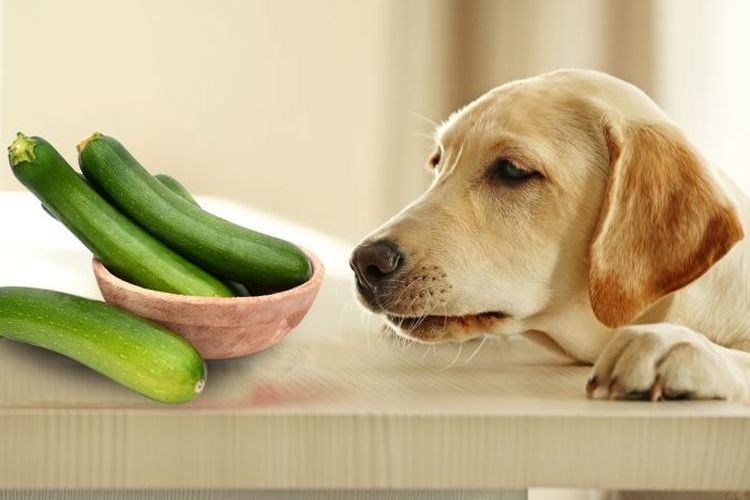
Zucchini
While it's a good first food for children, it's certainly not harmful for dogs. Zucchini is a source of folate, calcium, and potassium. It's also good for constipation in older dogs. Zucchini is beneficial both raw and lightly cooked to improve beta-carotene absorption.
Carrot
Essential at any age. Carrot pieces are a great snack, especially during puppyhood, as chewing on firm carrots can help relieve teething itching. This root vegetable is rich in vitamins B, C, E, and PP, as well as phosphorus, potassium, magnesium, iodine, iron, copper, and zinc. Regular carrot consumption improves vision, helps prevent tumors, and improves coat condition. Most dogs tolerate carrots well, but some develop allergies due to their high carotene content. Carrots are also contraindicated for diabetic dogs.
Celery
Only the stems are beneficial, and in small quantities. This vegetable is recommended for inclusion in the diet as a remedy, as it has anti-inflammatory properties and helps with arthritis in older dogs.
Pumpkin
It's essential for animals with high stomach acidity. Regularly adding pumpkin to your pet's food will help eliminate bowel problems. Some animals don't like the texture of pumpkin, so it's best to grate it instead of cutting it. Furthermore, it's not recommended to feed pumpkin raw, as it's rich in vitamin A, which is better absorbed with fats and after cooking.

Cucumber
A favorite among four-legged pets, cucumbers are simple in taste and watery, but rich in complex organic substances that promote healthy bowel function. They contain potassium, magnesium, copper, biotin, and vitamins B1, C, and K. They are especially beneficial for heavier pets. However, no matter how much your dog loves cucumbers, it's important to limit their consumption of this delicacy, as excessive consumption can cause diarrhea.
Bell pepper
Give peppers in moderation, preferring red peppers to green ones as they contain more beneficial micronutrients. This vegetable has a rather complex flavor for dogs, but some simply adore it. To instill a love for peppers in your four-legged friend, start adding them to their food in small portions, grating them. They can be eaten raw or baked.
Cabbage
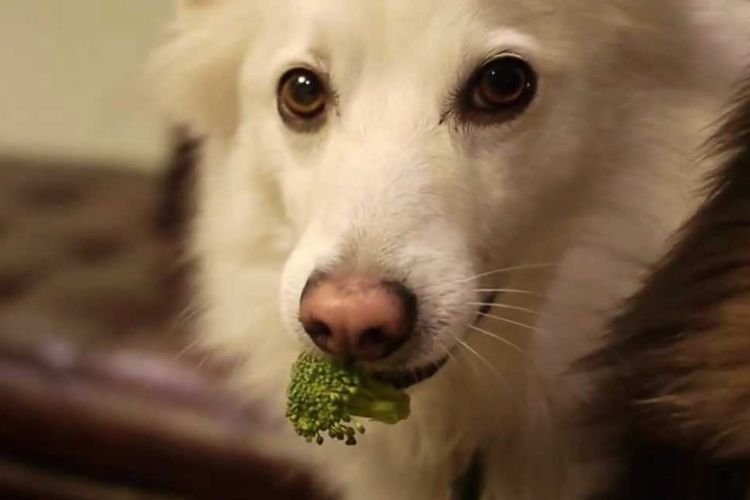
Peking cabbage, Brussels sprouts, and cauliflower are all suitable, but be careful with white cabbage. It can increase gastric acidity and lead to flatulence and colic. However, many four-legged friends do well with it. transfer cabbage In any form, you can try introducing it into your dog's diet and see how it reacts. If you're worried about problems, offer your dog a lightly boiled cabbage leaf. Broccoli has also been unfairly included on the list of off-limits vegetables. It contains isocyanate, which is toxic to animals, but if the total weight of broccoli doesn't exceed 10% of all vegetables, it can be added to the diet. Broccoli contains a large number of beneficial vitamins and minerals.
Forbidden vegetables
The question of whether any food is harmful is always highly controversial. If you discover a vegetable your pet loves, don't rush to deprive your furry friend of the joy.
Tomatoes
Green parts of the plant are prohibited, as they contain solanine, which is toxic to animals. Extreme caution should be exercised if a dog has access to tomato beds. The red part, however, is quite harmless, but only in small quantities. Otherwise, tomatoes can cause bowel upset and heart problems: the animal becomes lethargic, loses coordination, and may develop tremors.
Asparagus
When eaten raw, it causes gas, and after cooking, it loses all its beneficial properties. Asparagus, like other legumes, can cause intestinal colic.
Potato
They should never be fed raw due to their high solanine content. Cooked potatoes are rich in starch, which in large quantities can cause arthritis.

Beet
A strong allergen. Only beneficial for dogs with red fur, and only one small piece per week. Otherwise, beets can cause diarrhea.
Onions and garlic
These products contain thiosulfates, which cause anemia. They also contain phytoncides, which are considered toxic to dogs. If your dog accidentally eats a clove of garlic or a clove of onion, although the likelihood is low due to their specific taste, nothing serious will happen and may even be beneficial, as phytoncides have immunostimulatory and anthelmintic properties.
Permitted fruits
Fruits are not a nutritional supplement, but rather a treat. Due to their high sugar content, caution should be exercised if you have a diabetic pet.
Banana
Rich in fiber, it helps with digestive issues. In small quantities, it relaxes the intestines, but in large quantities, it can cause constipation. The weekly norm is half a banana.
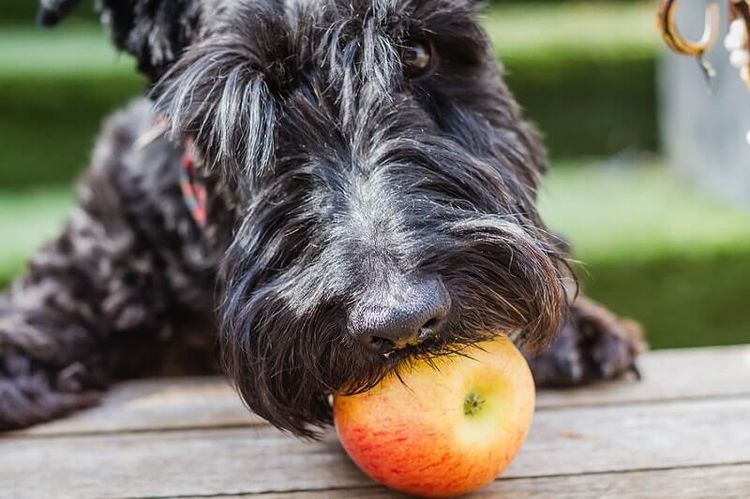
Apples
A hard, fibrous fruit. Good for teeth. Dogs only need the flesh; the core, stem, and seeds should be kept out of their mouths, as they contain cyanide.
Melon
Similar to bananas, but inferior in nutritional value, melon helps hydrate the body. Eating too much can cause diarrhea.
Citrus fruits, grapes, avocados, pomegranates, and peaches are prohibited for animals. Kiwis and persimmon.
Read also:
- What human food can and cannot dogs eat?
- What bones should you not give to your dog?
- Why dogs can't eat sweets


Add a comment