
What cereals can and cannot be given to dogs?
Many owners remain ardent supporters of natural nutrition for their pets and will not accept commercially produced food under any circumstances. Sometimes, even veterinarians themselves recommend switching their dog to a natural diet: cereals, meat, cottage cheese, vegetables, and so on (for example, for a therapeutic diet). However, despite the benefits of such a healthy diet, Some cereals are not suitable for dogs.What grains are safe and unsafe for dogs? Which ones are completely contraindicated? Which grains are healthiest for dogs? How and with what ingredients should they be cooked for both deliciousness and a balanced diet?
Content
Benefits of cereals
Let's start by understanding what grains there are. Almost everyone has buckwheat, rice, oatmeal, semolina, pearl barley, and, less commonly, barley and corn porridge in their kitchen. Each has its own pros and cons.
Buckwheat
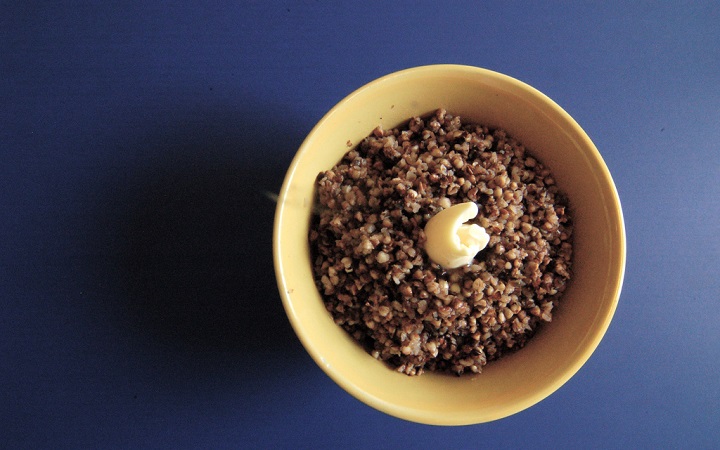
One of the healthiest cereals for both humans and pets. It's rich in iron, vitamins B and E, calcium, magnesium, and complex carbohydrates.
It keeps you feeling full for a long time, and provides the body with ample energy. Although buckwheat retains all its beneficial properties even after cooking, it should not be roasted beforehand.
What are the main benefits of buckwheat porridge? It boosts metabolism, supports the cardiovascular system, and even aids recovery after surgery. It also helps with weight loss, allergies, boosts immunity, and strengthens bones and teeth. Buckwheat is the best option for your pet. You can either cook it without salt (1 part grain to 1.5 parts water) or simply steep it in boiling water overnight (this will preserve even more nutrients).
Rice
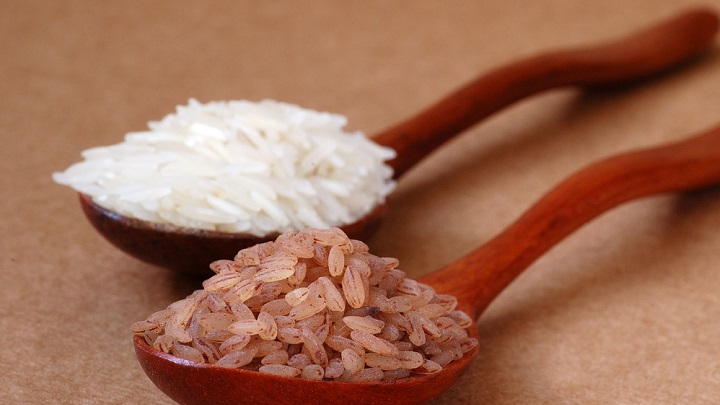
Rice porridge is rich in beneficial elements such as magnesium, calcium, iron, zinc, copper, as well as vitamins not only from group B, but also the antioxidant E. It also contains lipids (fatty acids).
An excellent natural adsorbent, it absorbs toxins and removes them from the body. This makes it ideal for dogs who have been intoxicated. It's also one of the best "foods" for diarrhea due to its astringent properties. If your pet has inflammatory processes in the digestive tract, including this cereal in their diet can help reduce pain (due to its coating properties).
However, you should not overuse rice, as it contains a lot of carbohydrates (starch), and often feeding this cereal becomes the cause constipationIt is forbidden to give it to dogs with diabetes or obesity.
But for variety, you can still treat your pet to rice occasionally. Opt for unpolished rice (it has more protein and less starch than polished rice). Before cooking, rinse the rice and soak it in cold water for an hour and a half (polished rice should be soaked for about 20 minutes). Cook as usual, without adding any spices or salt. A little vegetable oil is only allowed if the porridge is too thick.
Oats
There are oats and there are rolled oats (flattened grains). Both types of cereal are very healthy, as they contain amino acids, vitamins (A, PP, B, E), micro- and macroelements (sodium, potassium, magnesium, calcium), fats, and plant proteins.
Ideal for kick-starting digestion after prolonged fasting or illness (especially if accompanied by vomiting and diarrhea). Gluten coats the walls of the digestive tract, significantly reducing pain during inflammation. Remember that nutritionists prescribe oatmeal for those with gastritis or enteritis.
Despite all the benefits, it's not suitable for some dogs, causing digestive upset. It often leads to the development of allergies. Yes, surprisingly, oatmeal can be an allergen for dogs. Therefore, before introducing oatmeal for the first time, add a small amount to their regular food or hypoallergenic food (Buckwheat, for example). Observe your pet's reaction for 24 hours to see if there are any clinical signs of an allergy. If everything is fine, you can introduce it into the diet, but be careful not to overindulge in this grain.

And don't opt for flakes (they contain significantly fewer nutrients than whole grains). To cook oats faster (in 40-50 minutes), soak them in cold water for several hours beforehand.
Millet
Despite all its health benefits, millet isn't the best choice. Firstly, it's difficult to digest. Secondly, it often causes severe allergies in animals. Even mixing it with other grains won't do any good. Therefore, eliminate millet from your dog's diet.
Semolina
Another "empty" porridge that offers no benefit to either animals or humans. It's practically devoid of any beneficial elements, but it's loaded with carbohydrates.
A veterinarian may prescribe it if the animal is underweight (especially good for carefully feeding premature or newborn puppies) or if there are inflammatory processes in the gastrointestinal tract, so as not to “strain” it while treatment is underway.
Do not give to dogs with a tendency to gain excess weight, are sedentary, or have diabetes (blood sugar will rise sharply).
Pearl barley
Pearl barley Pearl barley is processed barley (grinded and polished). For this reason, its digestibility is extremely low. Yes, it's rich in vitamins and microelements. In fact, pearl barley can easily outperform many other grains in terms of their content. However, the body doesn't absorb even a third of them. Furthermore, eating pearl barley can cause constipation and even allergies in dogs.
Wheat
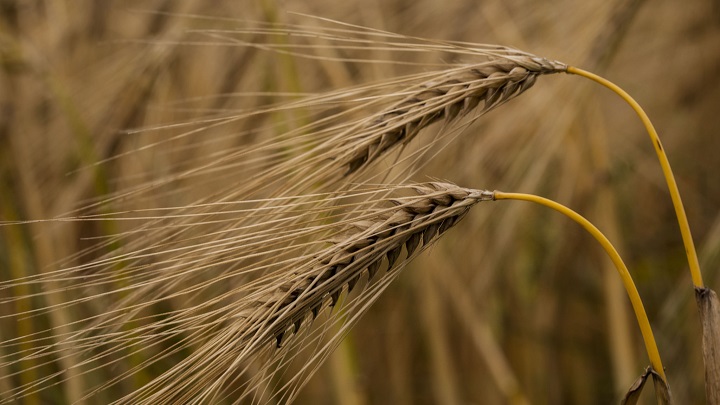
Although rich in vitamins (B, A, D, and even C), magnesium, iodine, and zinc, this grain is not suitable for all dogs. It is not fully digested (and therefore absorbed), but it does not clog the intestines. Therefore, it should be fed with caution and infrequently. Dogs with digestive issues (especially those prone to constipation) should not be fed it at all.
Can you give dogs wheat groats? Due to the high carbohydrate content (it is wheat, after all), it should not be given to animals with obesity (or a tendency towards it), diabetes mellitus and those leading a sedentary lifestyle. However, completely healthy dogs can cook it, adding vegetables to it so that the fiber they contain prevents intestinal blockages.
Barley
Rich in vitamins, micro- and macroelements (primarily fluorine and silicon), this grain is not suitable for daily feeding to dogs, despite being very filling. Not all of the beneficial components are digestible. It's best mixed with other, healthier cereals (such as buckwheat or rice).
Serve only freshly cooked (cooled to room temperature), because after standing for a while, the saucepan and bowl will just be a stuck-together, useless mess (nothing will be digested).
Corn

Can dogs eat corn grits? The answer is a resounding no. Like semolina and millet, this cereal is not suitable for feeding dogs. Even though it fills pets up quickly, it offers no nutritional value. It's a "bare" cereal for pets.
Moreover, it's extremely difficult to digest, forming lumps that are very difficult to move through the gastrointestinal tract. In particularly active dogs, this can cause bloat. If your dog already has digestive issues, feeding corn porridge (even if not regularly) will exacerbate them. It's better to give them a fresh cob to chew on. corn (Just be careful that your pet doesn't get carried away and eat the core.) But be prepared that even the kernels will be excreted undigested in the feces.
Bean porridge
Prohibited. Don't give dried peas, beans, or legumes.
They're indigestible: dogs don't have the enzymes to fully break down such porridge, including plain peas. However, the accumulated gases will cause bloating, which can be very bothersome (even leading to colic and acute abdomen syndrome). As a result, peristalsis slows, leading to even more bloating (a vicious cycle). Constipation develops.
You can give only a few pods of green fresh peas.
What kind of cereal can be cooked for dogs?
So, what grains can you cook for dogs that will not only provide your pet with everything they need but also won't harm them? Buckwheat and rice are the best options. Less frequently, you can give oatmeal (provided your dog isn't allergic to it), rolled oats, wheat, and barley.
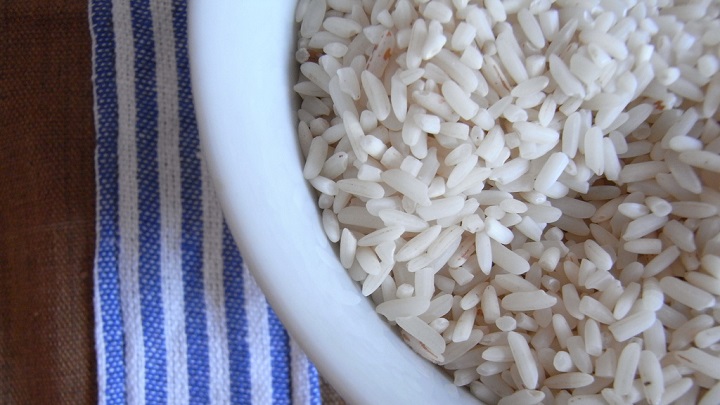
You can cook simple "mono-grain porridge" with a single grain, or mix several grains in different proportions to prevent your dog from getting bored with the same thing. However, don't change the "menu" too often, as this can cause digestive upset. It's best to feed one grain as a base, such as rolled oats, and mix in smaller quantities of other grains. Another important point: the porridge should be crumbly. This way, it's easier to digest.
However, to ensure a balanced and nutritious diet, you should understand that cereals only make up a third of your daily menu. Therefore, you need to supplement your cereals with other foods. Read below to find out which ones.
What cereals should not be given to dogs?
It's not recommended to feed barley, corn, millet, semolina, or legume porridge. Not only do they offer no benefit to your dog, but they can even be harmful. They're not even digested, are poorly absorbed, and can cause digestive upset.
Also, for example, corn and pearl barley porridges can cause allergies. Therefore, it's important to carefully consider your pet's diet. Semolina, millet, and corn porridge can cause intestinal obstruction (especially if you go for a walk immediately after feeding).
Now you know what cereals can and cannot be given to large and small breed dogs.
What can you cook cereals with for dogs?
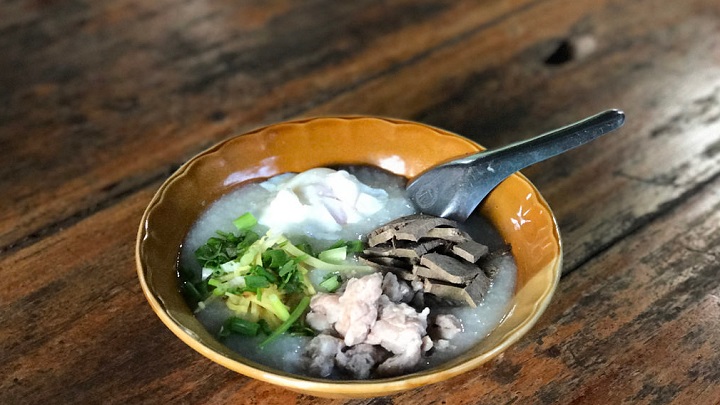
Never add salt or spices, and be careful with oils (excess fats won't benefit the animal's liver). But you shouldn't feed your pet plain porridge either. It's best to add vegetables and meat.
Vegetables contain fiber, which is essential for proper intestinal motility, but not all vegetables are approved for animal feeding. It's best to include carrots, pumpkin, beets, bell peppers, and, in small quantities, potatoes, cauliflower, and broccoli in the diet. Onions and garlic are prohibited.
Be careful with meat, too. For example, pork and lamb are fatty, so they shouldn't be fed to any dog—not a Yorkie, not a Chihuahua, not a German Shepherd, not even a common mutt. Chicken can cause allergies. Opt for beef (veal), rabbit, horse, and turkey—the most hypoallergenic meats. Offal is also good. For example, liver is a treasure trove of vitamins, micro- and macronutrients. Heart, lungs, and tripe are also recommended. Raw meats should not be given, as there is a high risk of infecting your pet with parasites or even infectious diseases. Meat products must be thoroughly cooked (frozen for several days, then lightly boiled or fully cooked).
Sample diet for dogs
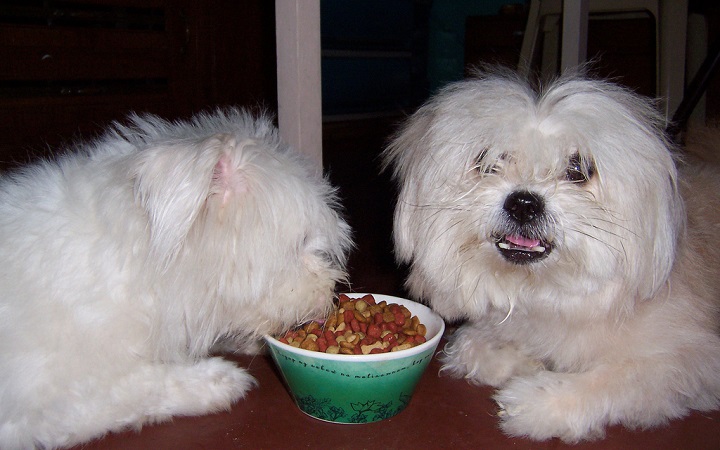
To keep your pet healthy, their diet must be complete and balanced. To achieve this, you need to know what to feed them daily and in what proportions:
- Meat, offal. This should be the basis of the daily menu. The percentage should be between 35 and 50%. For information on what can be fed with grains, see above. Cooked fish can be fed occasionally (no more than twice a week). Make sure it's lean and boneless. Small bones can get stuck between teeth, scratching the tongue and gums, and large ones can become lodged in the esophagus, causing discomfort.
- VegetablesThey should make up 5-20% of your daily diet. Fiber is very beneficial for digestion. Coarse fiber acts as a kind of intestinal scrub. Don't forget about the vitamins vegetables contain.
- CerealsThey should make up 25-35%. For information on which grains are safe and unsafe for dogs, see the article above.
- Fermented milk products. The remaining 20-30% is made up of these. Milk (whether fresh or store-bought pasteurized) is prohibited. Fermented milk products are the only option. They are much better absorbed by the body. Beneficial bacteria colonize the intestines and help normalize digestion. Just watch the fat content. High fat content is hard on the liver. So what can you give your dog? Kefir, cottage cheese, yogurt (without additives or sugar), sour milk, and fermented baked milk.
Read also:
- Allergies in dogs: symptoms and treatment
- Chicken allergy in dogs
- Feeding Dogs Porridge: Everything a Responsible Owner Should Know




7 comments
Suglobova Zoya Rakhimovna
Thank you very much for the information, very interesting and useful!!!
Nina
Everything I wanted to know about feeding dogs was in your article. Thank you for the good and detailed information.
Vlada
Thanks for the information. My dog (a terrier mix) gets diarrhea after eating buckwheat and liver. He might eat it once, but after the second feeding, that's it—flatulence and loose stools. By elimination, I've eliminated rice and wheat. I cook chicken breast or beef, and liver too, but rarely. Sometimes chicken gizzards. I add vegetables: carrots, beets, turnips, and zucchini.
Marina
Helpful information. I'm glad we feed our dog right. We cook buckwheat porridge, sometimes adding rice, beef or ground beef, and zucchini. We also make salads with boiled vegetables.
Andrey
Thank you for the detail and ease of understanding. That's rare these days.
Victoria
Thank you for the detailed and useful information))
Olga
Thank you! Good, detailed article.
Add a comment