
What kind of cereals can be given to dogs?
Cereals are an essential ingredient in dog nutrition. Let's explore which cereals are safe and unsafe for dogs. Buckwheat, rice, and oats contain beneficial vitamins and minerals, helping to balance a four-legged friend's diet. These cereals can be fed daily, introduced individually, or mixed into the diet. It's also important to know which grains should not be used in dog food to avoid health problems.
Content
Which cereals are healthy?
Of all the cereals, only three varieties are beneficial for dogs' health, are easily and quickly digestible, and contain essential vitamin and mineral complexes.
Buckwheat
This dietary product is the most beneficial and nutritious. Buckwheat porridge is recommended for humans and dogs for the prevention and treatment of a number of chronic diseases. This grain has the following properties:
- accelerates digestion;
- normalizes fat metabolism;
- strengthens the musculoskeletal system;
- improves the functioning of the heart and blood vessels.
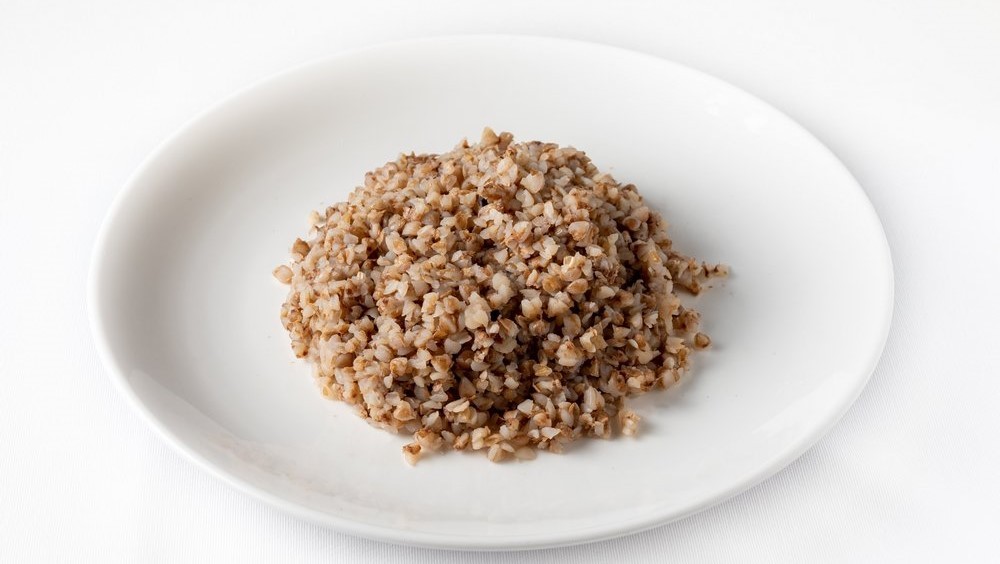
The best grain for the body is hypoallergenic. The plant proteins found in buckwheat grains are similar in quality to animal proteins, making them a partial substitute for meat. They also contain amino acids found in vegetables such as legumes, and lecithin, which helps prevent liver disease.
Veterinarians advise owners to focus on unroasted buckwheat. To increase its nutritional value, steam the grain in boiling water, as some nutrients are lost during cooking. It's best to steam the grain in the evening and feed it the following day.
Rice
Second in nutritional value and health benefits is rice porridge, which is safe even for animals diagnosed with celiac disease (gluten intolerance). Rice grains do not contain this component, so there is no risk of developing an allergy. It contains trace elements, vitamin complexes, and unsaturated fatty acids. Food prepared from rice coats the stomach, prevents irritation, absorbs well, and eliminates toxins. Therefore, drinking rice water is often recommended for gastritis and diarrhea to relieve symptoms.
Rice can be used as a dietary staple for the prevention and treatment of pathologies of the following systems:
- urinary;
- cardiovascular;
- digestive;
- nervous.
However, unlike buckwheat, rice has contraindications due to its high starch content. It is not recommended for dogs prone to obesity or already overweight. It is also excluded from the diet for those with chronic constipation and metabolic disorders.
It's best to cook with unpolished brown rice. Cook it for no more than a few minutes to preserve all its beneficial properties.
Oats
Oatmeal ranks third, containing a large amount of plant protein, minerals, vitamins, and unsaturated fatty acids. Dishes made with oats are considered dietary and gentle on the gastrointestinal tract. The viscous nature of oats coats the mucous membranes, relieving irritation associated with gastritis, normalizing nervous system function, and promoting weight gain in those underweight.
However, daily inclusion in the diet is unacceptable. Oats contain gluten and can cause allergies, and are contraindicated in those with urolithiasis. Regular consumption has a negative effect on the gastrointestinal tract and leads to digestive upset. If oats are to be used in feeding, they should be introduced carefully, starting with small portions and gradually increasing the amount. Mixing oats with rice or buckwheat is also acceptable.
In an effort to reduce cooking time, some cooks prefer to cook rolled oats instead of whole grains. However, rolled oats contain fewer beneficial ingredients, and whole oats don't require long cooking—just wait for the water to boil and let the dish simmer, covered, until the grains swell.
What cereals should be limited?
Your pet's diet should be varied. Therefore, it's acceptable to occasionally prepare food from grains that are not recommended for regular consumption.
Semolina
Wheat grains, while not a healthy byproduct, are very high in calories. They are high in carbohydrates, making them unsuitable for animals that are obese or prone to rapid weight gain. They contain no vitamins or microelements, so regular consumption can lead to nutrient imbalances, metabolic problems, and gastrointestinal disorders.
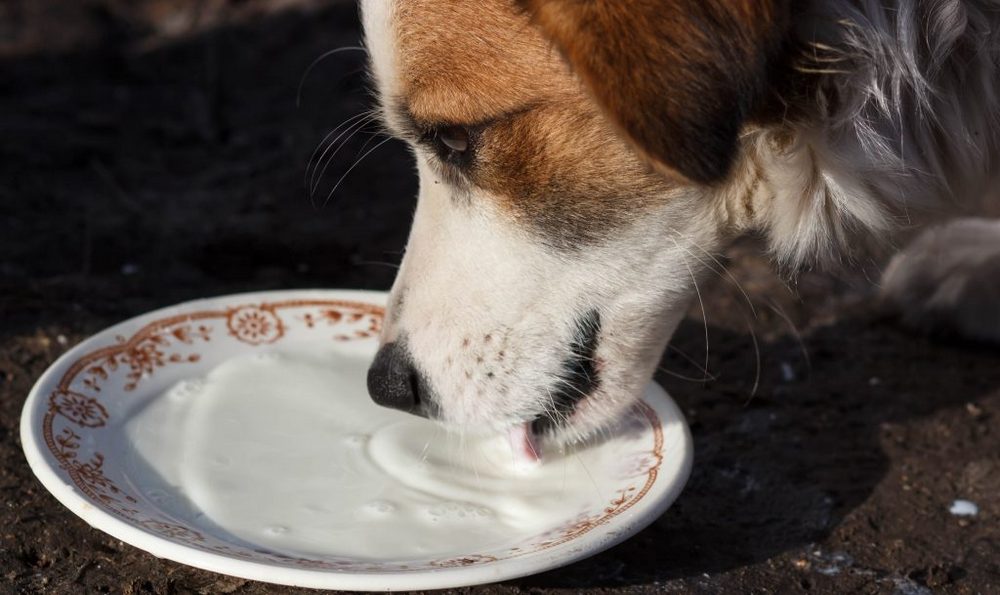
You can feed your dog semolina porridge to quickly satisfy hunger after active walks, as well as during recovery from illness—the "empty formula" doesn't irritate the stomach. However, the portion should be small. Semolina is also recommended for feeding premature, weakened puppies to help them gain weight.
Wheat
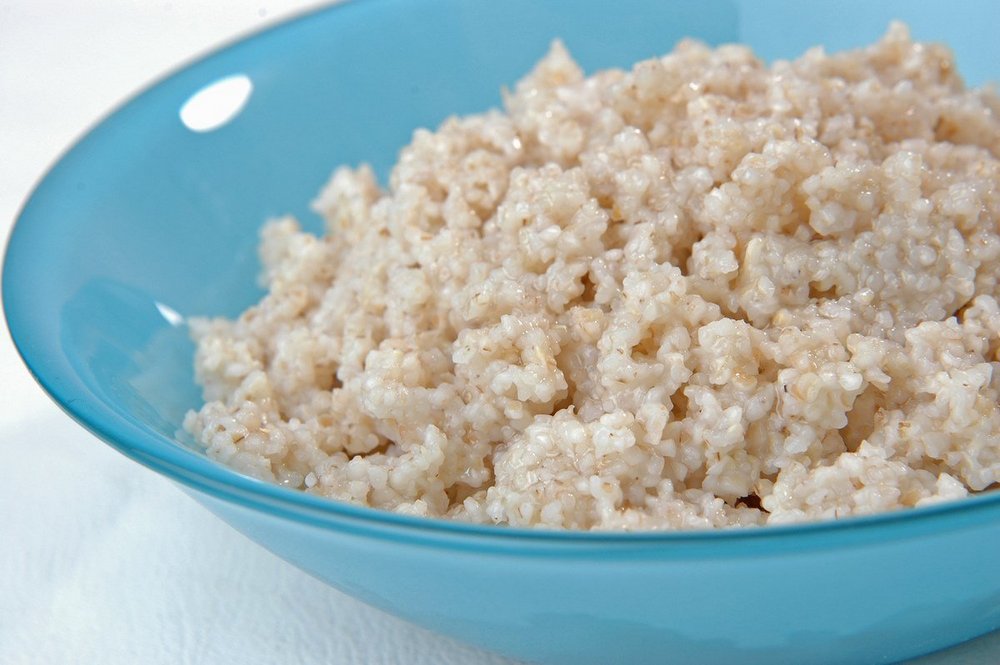
The product consists of crushed and processed wheat grains. Unlike semolina, the grain is not wasteful; it retains minerals and vitamins. However, it should not be fed to dogs due to its high carbohydrate content and poor digestibility. Digestion can be improved by boiling the flakes instead of the crushed grain.
This porridge is contraindicated for any metabolic issues, obesity, chronic constipation, or diabetes. It is not recommended for feeding sedentary breeds, even if the pet is otherwise healthy.
Millet
Millet contains numerous nutrients, vitamins, and minerals. However, these are useless for dogs and can even be harmful. The problem is that millet is practically indigestible by the animal's body, becoming a waste product that fills the gastrointestinal tract.
If you decide to feed millet porridge occasionally, you need to closely monitor your pet's condition. The product contains gluten, which can trigger allergies. However, it's best to play it safe and only cook millet as a last resort.
Pearl barley
The grain affects dogs' bodies similarly to millet: it's only absorbed by one-third and is slow and difficult to digest. Furthermore, frequent consumption of pearl barley can lead to constipation, which can become chronic.
Barley
This cereal is a relative of pearl barley—it's made from crushed barley. Despite its altered appearance, its properties remain the same. Food made from barley is difficult to digest and can negatively impact animal welfare. It can be used occasionally in small portions.
Semolina, barley, and millet should be fed no more than once every two weeks. The grains should be cooked until crumbly.
Porridges that should not be introduced into the diet
A number of grains have properties that are significantly harmful to animals. Veterinarians advise against using them in dog food, even occasionally, due to the high risk of adverse effects:
- constipation;
- digestive disorders;
- allergies;
- flatulence.
Introducing such products into your pet's diet can lead to a dangerous pathology - intestinal volvulus.
Corn
The ban is due to the product's virtually zero digestibility and prolonged elimination from the gastrointestinal tract. Even a single consumption can cause intestinal obstruction, as the grain forms small, dense lumps that accumulate in the intestinal lumen, as well as exacerbate chronic stomach conditions.
Whole corn kernels pose no health risks, although they pass through the intestines undigested. Therefore, they can be given as a treat or as a reward for good behavior.
Legumes
Beans, peas, and lentils are contraindicated for your four-legged friends. Legumes are difficult to digest and can cause severe gas and constipation. These foods can be fed raw, but only in the summer, while the legumes are still green.
Porridges suitable for different breeds
The best grains to feed largely depend on the dog's size:
- Large, active animals that require long walks expend a lot of energy. It's easier to replenish this energy by introducing buckwheat, rice, barley, and oatmeal into their diet. To increase the energy value and improve the flavor, the grains are mixed or cooked alternately.
- Medium breeds also need to replenish their energy reserves, so it is recommended to cook from the same grains as for large dogs.
- Small dogs should avoid starchy grains. Their digestive system is particularly sensitive, and they are more prone to obesity, allergies, and digestive disorders. Therefore, their basic diet is made from buckwheat and rice, and oats should be used with caution. The gruel should be steamed until soft.
It's best to plan your pet's menu a week in advance to ensure a balanced diet. To maintain your pet's appetite, it's a good idea to find out which grains they like best and prepare them more often, including other types every few days.
It is important to remember that your pet's body gets used to a certain diet, and a change in its usual diet can lead to discomfort, such as diarrhea, nausea, and lethargy.
Practical cooking tips
A pet's diet based solely on homemade cereals isn't properly balanced. For complete nutrition, it's necessary to add a number of ingredients to the food:
- Meat. Veal or beef are the best choices. Avoid fatty meats such as pork and lamb. Chicken, which can cause allergies, should be cooked with caution.
- Offal. It is recommended to regularly boil beef heart, lungs, tripe, and kidneys.
- Fermented milk products. Products with a fat content of 1-2.5% are allowed.
- Vegetables. Healthy for four-legged friends, containing lots of fiber and micronutrients, include cabbage, beets, bell peppers, pumpkin, and carrots. Raw potatoes are fine, but boiled ones are not recommended due to their high starch content. Garlic and onions should be avoided.
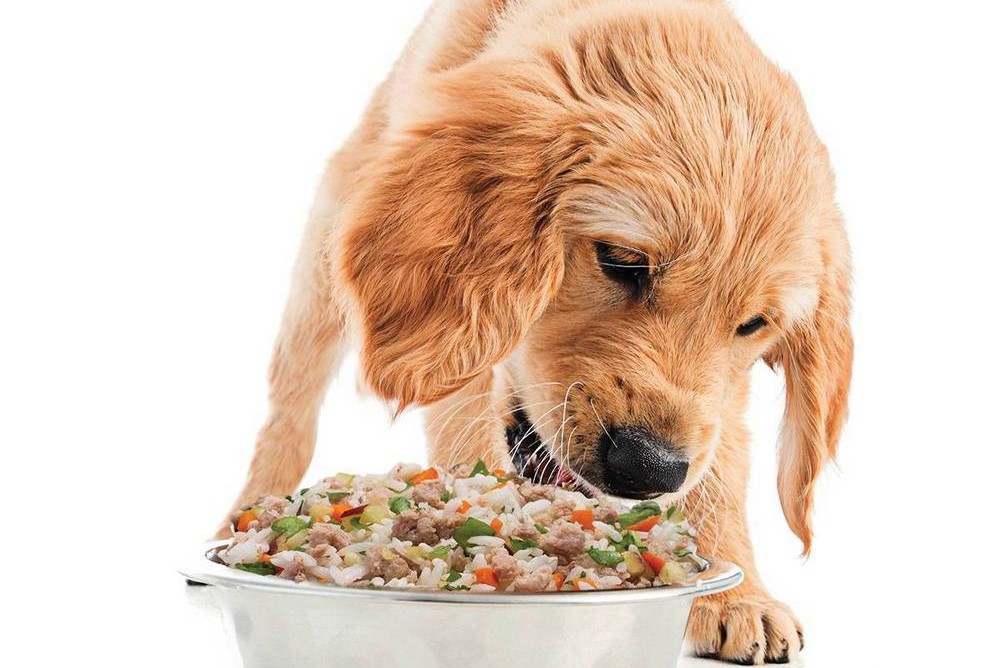
What volume of ingredients should be present in a dog's food:
|
Product |
Quantity in % |
|
Meat and offal |
35-50 |
|
Cereals |
25-30 |
|
Vegetables |
10-20 |
The daily portion is calculated based on the pet's weight. Up to six months, the food amount is 5-7% of body weight, divided into several meals. After six months, the amount is reduced by half.
If your dog is home-fed, it's important to prepare a balanced diet that contains all the necessary minerals and vitamins. Some of these are absorbed into the gastrointestinal tract through grains. Buckwheat, rice, and oatmeal are the most nutritious; they can form the basis of your pet's entire diet. Other types of food are best avoided or fed only occasionally and in limited quantities.
Read also:
- When is it better to feed a dog: before or after a walk?
- What you shouldn't feed your dog
- How many days can a dog live without food?


Add a comment